Phone

    00852-6915 1330

The Kynix Blog

Stay Ahead with Expert Electronics Insights,
Industry Trends, and Innovative Tips

LED

Take Several Moves to Save Power Without Reducing the LED Brightness

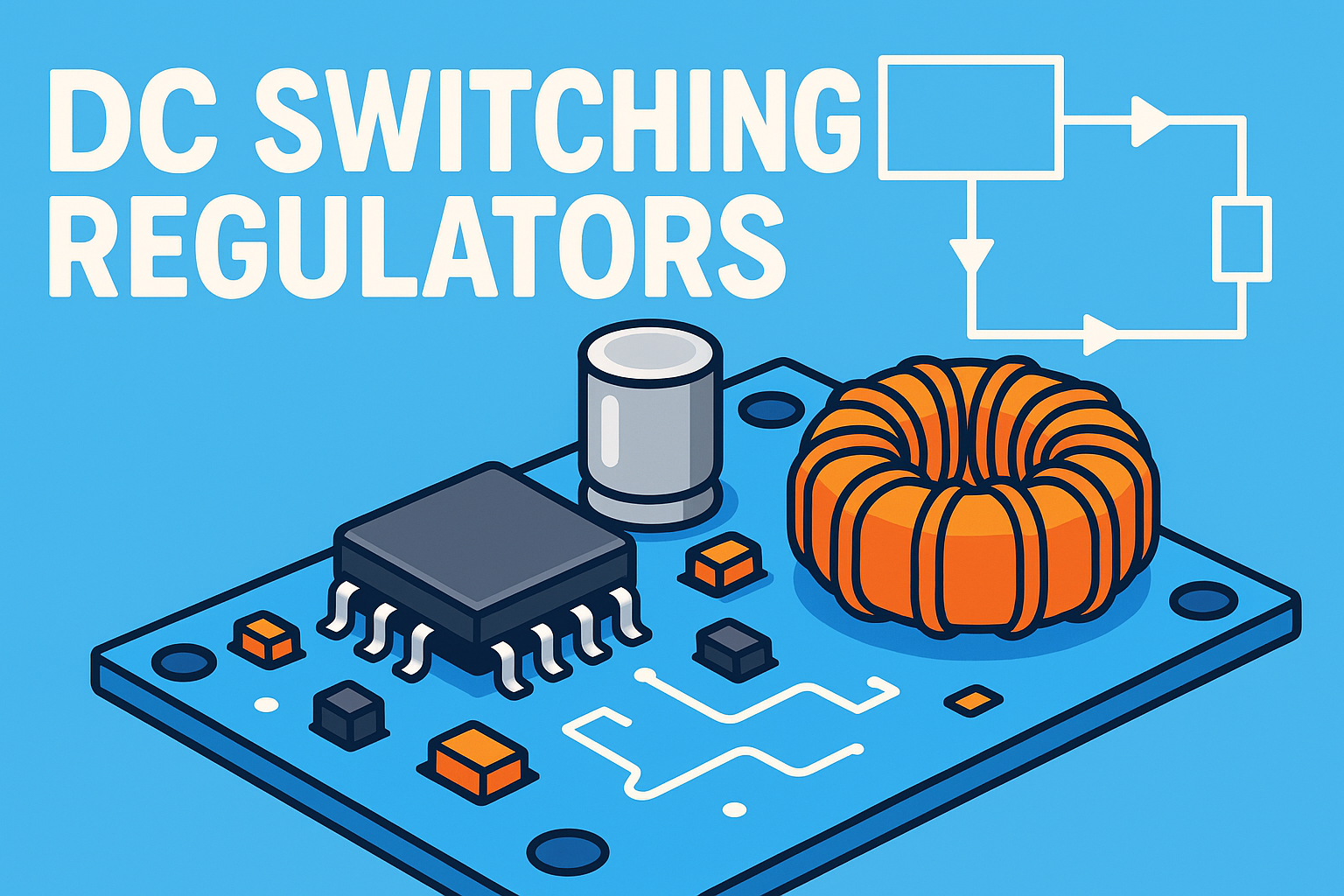
When designing a custom lighting solution, there are many different goals to take into consideration. One of the most essential may be reducing the power supply needs of the system. Doing so can provide further benefits, such as improving reliability and expected shelf life, and reducing space and size constraints. Benefits often come with tradeoffs; traditionally, when you reduce power you may need to reduce brightness at the same time. The good news is that this doesn’t always have to be the case. GLOBAL LIGHTING TECHNOLOGIES have compiled a list of five smart ways that you can reduce power without sacrificing LED brightness. 1. LED efficiencyHow do you do more with less? It's all about efficiency, and choosing more efficient LEDs can make a world of difference. Choosing a more efficient LED may seem like a more expensive option, but keep in mind that it’s not just about the cost of the LED - what you should really be considering is the cost per Lumen of output. A more efficient LED is actually more cost-effective, while simultaneously helping reduce power needs. 2. Lightguide material efficiencyAny light which is absorbed by the lightguide material is light that the actual display is losing. Therefore, switching to a material with a higher transmissivity to improve efficiency and it will aid in the retention of more light. 3. LED driver circuitBy utilising a highly efficient LED driver circuit, you can prevent power loss and improve the end result. This is often overlooked, as many engineers design circuits which use resistors to reduce voltage and match current to the LEDs. You can prevent those power losses from occurring by using custom designed LED driver chips and circuits with improved efficiency. 4. Lightguide extraction efficiencyAnother area where efficiency can be improved is with extraction, and by doing so more light is able to reach the user’s target area. In turn, power can also be reduced. Our innovative extraction technology offers higher efficiency and overall improved extraction, helping to achieve this goal. 5. LightguidesThe job of a lightguide is to take the light from the LED and spread it out uniformly over the surface being illuminated. With the right design and technology, a custom lightguide can actually conserve most of the initial LED efficiency while greatly increasing uniformity of the display, offering the best of both worlds. Ref.KY32-HV9921N3KY32-MIC2287CBD5KY32-LNK456DG
kynix On 2017-08-15   263
Battery

Scientists at USC have developed a water-based organic battery...

(USC professor Sri Narayan's research focuses on the fundamental and applied aspects of electrochemical energy conversion and storage to reduce the carbon footprint of energy use and by providing energy alternatives to fossil fuel, Wednesday, June 10, 2014 in Los Angeles.) Scientists at USC have developed a water-based organic battery that is long lasting, built from cheap, eco-friendly components. The new battery -- which uses no metals or toxic materials -- is intended for use in power plants, where it can make the energy grid more resilient and efficient by creating a large-scale means to store energy for use as needed. "The batteries last for about 5,000 recharge cycles, giving them an estimated 15-year lifespan," said Sri Narayan, professor of chemistry at the USC Dornsife College of Letters, Arts and Sciences and corresponding author of a paper describing the new batteries that was published online by the Journal of the Electrochemical Society on June 20. "Lithium ion batteries degrade after around 1,000 cycles, and cost 10 times more to manufacture." Narayan collaborated with Surya Prakash, Prakash, professor of chemistry and director of the USC Loker Hydrocarbon Research Institute, as well as USC's Bo Yang, Lena Hoober-Burkhardt, and Fang Wang. "Such organic flow batteries will be game-changers for grid electrical energy storage in terms of simplicity, cost, reliability and sustainability," said Prakash. The batteries could pave the way for renewable energy sources to make up a greater share of the nation's energy generation. Solar panels can only generate power when the sun's shining, and wind turbines can only generate power when the wind blows. That inherent unreliability makes it difficult for power companies to rely on them to meet customer demand. With batteries to store surplus energy and then dole it out as needed, that sporadic unreliability could cease to be such an issue. "'Mega-scale' energy storage is a critical problem in the future of the renewable energy, requiring inexpensive and eco-friendly solutions," Narayan said. The new battery is based on a redox flow design -- similar in design to a fuel cell, with two tanks of electroactive materials dissolved in water. The solutions are pumped into a cell containing a membrane between the two fluids with electrodes on either side, releasing energy. The design has the advantage of decoupling power from energy. The tanks of electroactive materials can be made as large as needed -- increasing total amount of energy the system can store -- or the central cell can be tweaked to release that energy faster or slower, altering the amount of power (energy released over time) that the system can generate. The team's breakthrough centered around the electroactive materials. While previous battery designs have used metals or toxic chemicals, Narayan and Prakash wanted to find an organic compound that could be dissolved in water. Such a system would create a minimal impact on the environment, and would likely be cheap, they figured. Through a combination of molecule design and trial-and-error, they found that certain naturally occurring quinones -- oxidized organic compounds -- fit the bill. Quinones are found in plants, fungi, bacteria, and some animals, and are involved in photosynthesis and cellular respiration. "These are the types of molecules that nature uses for energy transfer," Narayan said. Currently, the quinones needed for the batteries are manufactured from naturally occurring hydrocarbons. In the future, the potential exists to derive them from carbon dioxide, Narayan said. The team has filed several patents in regards to design of the battery, and next plans to build a larger scale version. This research was funded by the ARPA-E Open-FOA program (DE-AR0000337), the University of Southern California, and the Loker Hydrocarbon Research Institute. Ref.ML-621S/DNVL-1220/HFNLC-R061R3P
kynix On 2017-08-14   230
Diodes

How Much Do You Know About Diodes?

The simplest semiconductor component, the diode, has an astonishing number of applications that are enabled by a number of practical and unique types of diodes that are vital in modern electronics.Now let's get start to learn about diodes.   Applications of Diodes While only two pin semiconductor devices, there are a number of applications of diodes that are vital in modern electronics. Diodes are known for only allowing current to move in one direction through the component.   This lets a diode acts as a one-way valve, keeping signals where they need to be or routing them around components. While diodes only let current move in one direction, each type of diode acts differently, making a number of useful applications for diodes.   Some of the typical applications of diodes include:   ·  Rectifying a voltage, such as turning AC into DC voltages ·  Isolating signals from a supply ·  Voltage Reference ·  Controlling the size of a signal ·  Mixing signals ·  Detection signals ·  Lighting ·Lasers diodes   Power Conversion One significant application of diodes is to convert AC power to DC power. A single diode or four diodes can be used to transform 110V household power to DC by forming a half-way (single diodes) or a full-wave (four diodes) rectifier. A diode does this by allowing only half of the AC waveform to travel through it. When this voltage pulse is used to charge a capacitor, the output voltage appears to be a steady DC voltage with a small voltage ripple.   Using a full wave rectifier makes this process even more efficient by routing the AC pulses so both the positive and negative halves of the input sine wave are seen as only positive pulses, effectively doubling the frequency of the input pulses to the capacitor which helps keep it charged and deliver a more stable voltage. Diodes and capacitors can also be used to create a number of types of voltage multipliers to take a small AC voltage and multiply it to create very high voltage outputs. Both AC and DC outputs are possible using the right configuration of capacitors and diodes.   Demodulation of Signals The most common use for diodes is to remove the negative component of an AC signal so it can be worked with easier with electronics. Since the negative portion of an AC waveform is usually identical to the positive half, very little information is effectively lost in this process. Signal demodulation is commonly used in radios as part of the filtering system to help extract the radio signal from the carrier wave.   Over-Voltage Protections Diodes also function well as protection devices for sensitive electronic components. When used as voltage protection devices, the diodes are non-conducting under normal operating conditions but immediately short any high voltage spike to ground where it cannot harm an integrated circuit. Specialized diodes called transient voltage suppressors are designed specifically for over-voltage protection and can handle very large power spikes for short time periods, typical characteristics of a voltage spike or electric shock, which would normally damage components and shorten the life of an electronic product.   Current Steering The basic application of diodes is to steer current and make sure it only flows in the proper direction. One area where the current steering capability of diodes is used to good effect is in switching from power from a power supply to running from a battery. When a device is plugged in and charging, for example, a cell phone or uninterruptible power supply, the device should be drawing power only from the external power supply and not the battery and while the device is plugged in the battery should be drawing power and recharging. As soon as the power source is removed, the battery should power the device so no interruption in noticed by the user.   Ref. MN3306 MURB1520 SBG1030L-T-F
kynix On 2017-08-11   431
Transistors

A Research Group Has Now Succeeded in Producing Transistors Based on A Completely Different Principle

Transistors, as used in billions on every computer chip, are nowadays based on semiconductor-type materials, usually silicon. As the demands for computer chips in laptops, tablets and smartphones continue to rise, new possibilities are being sought out to fabricate them inexpensively, energy-saving and flexibly. The group led by Dr. Christian Klinke has now succeeded in producing transistors based on a completely different principle. They use metal nanoparticles which are so small that they no longer show their metallic character under current flow but exhibit an energy gap caused by the Coulomb repulsion of the electrons among one another. Via a controlling voltage, this gap can be shifted energetically and the current can thus be switched on and off as desired. In contrast to previous similar approaches, the nanoparticles are not deposited as individual structures, rendering the production very complex and the properties of the corresponding components unreliable, but, instead, they are deposited as thin films with a height of only one layer of nanoparticles. Employing this method, the electrical characteristics of the devices become adjustable and almost identical. These Coulomb transistors have three main advantages that make them interesting for commercial applications: The synthesis of metal nanoparticles by colloidal chemistry is very well controllable and scalable. It provides very small nanocrystals that can be stored in solvents and are easy to process. The Langmuir-Blodgett deposition method provides high-quality monolayered films and can also be implemented on an industrial scale. Therefore, this approach enables the use of standard lithography methods for the design of the components and the integration into electrical circuits, which renders the devices inexpensive, flexible, and industry-compatible. The resulting transistors show a switching behavior of more than 90% and function up to room temperature. As a result, inexpensive transistors and computer chips with lower power consumption are possible in the future. The research results have now been published in the scientific journal Science Advances. "Scientifically interesting is that the metal particles inherit semiconductor-like properties due to their small size. Of course, there is still a lot of research to be done, but our work shows that there are alternatives to traditional transistor concepts that can be used in the future in various fields of application," says Christian Klinke. "The devices developed in our group can not only be used as transistors, but they are also very interesting as chemical sensors because the interstices between the nanoparticles, which act as so-called tunnel barriers, react highly sensitive to chemical deposits."  Ref.KY56-MJL4302AKY56-PZTA06KY56-FZT857TA
kynix On 2017-08-10   298
PCBs

Can We Manage to Recycle PCB Boards for Avoiding Harming the Environment?

LMX3268VBHXThe International Labor Organization (ILO) points out that some 40 million tons of electronic waste (including computers, mobile phones, printers, etc.) are produced every year. The prospect is that this amount will increase even more over time, as electronic devices with new functions and more attractive designs are constantly appearing, stimulating new purchases from the consumer without the old product being out of date. Being present is most electronic devices, Printed Circuit Boards, also known as PCBs, are among the most discarded parts. They are made up of a plastic board and fibrous materials (such as plastic polymers) and a thin film of metallic substance (copper, silver, gold or nickel). These films form “tracks” or “paths” that will be responsible for the electrical conduction done by the electronic components. They can also have other materials in their composition, such as alloys, which have distinct melting points, thus allowing for manipulation and arrangement. There are several alloys available to be used, such as cerrobend, low melting point alloy or fusible alloys. Recycling electronic waste is much needed, because of the chemical components in its composition, with some of them being toxic – they can cause problems if they are disposed of incorrectly. For PCBs specifically, their recycling process involves quite some steps. Mechanical processesIt starts with a pre-treatment system that aims to separate metals, polymer materials and ceramics. After this step, the metals are sent to the metallurgical refining process. The techniques that make up this process are: comminution, classification and separation. Comminution is the technique used to reduce particle size and release metals for future concentrations. In the classification step, the material particles obtained by the previous process must be separated or classified according to their size. After the steps of comminution and classification, the enrichment of the material takes place by means of separation techniques: the parts that are interesting for the refining process of the metal are separated, discarding any impurities. In the case of circuit boards, the difference in electrical conductivity between metals and non-metals is a fundamental condition for the good result of the technique. Non-conductive materials (polymers and ceramics) can be separated from conductors (metals). Some techniques employed for this purpose are explained below. Pyrometallurgy processIt is a metallurgical process that uses high temperatures to produce pure metals, alloys or intermediate compounds. Pyrometallurgy requires high energy consumption to reach the appropriate temperatures for each stage of the process. There are several steps in the process, from the drying of the raw material to the refining of the final product. The chemical transformation step to be used will depend on the material in question. The best known are calcination (decomposition by heat in the presence of oxygen), roasting (calcination applied to sulphides) and pyrolysis (decomposition by the action of heat in an environment with little or no oxygen). Some of the major problems in the use of pyrometallurgical processes are the possibility of emission of toxic compounds such as dioxins and the high energy consumption. Hydrometallurgy processIt consists of the separation of metals. Some of the advantages of this method are the energy savings and the lower pollution of the environment. Electrometallurgy processIt is a process of refining metals through electrolysis. During electrolysis, metals without the impurities undergo electrodeposition, in which metals such as copper, zinc, cadmium, aluminum, precious metals, among others, can be recovered with a high degree of purity; Biometallurgy processThis process uses the action of microorganisms and minerals to recover valuable metals. This process requires a lot of time and metal needs to be exposed to microbial action. Where to recycle?If your computer and its PCBs are not broken but only technologically lagged, look for specialized places that accept donations of these items. You can also resell those components on the Internet, for example. However, and regardless of the final decision, always be sure that the final destination to be given to these materials is a proper one, always avoiding to harm the environment. Ref.IC ChipsPCB2B12ALMZ12001EXT
kynix On 2017-08-09   342
Mosfets

Scientists Have Succeeded in Developing Logic Circuits Equipped with Diamond-based MOSFETs

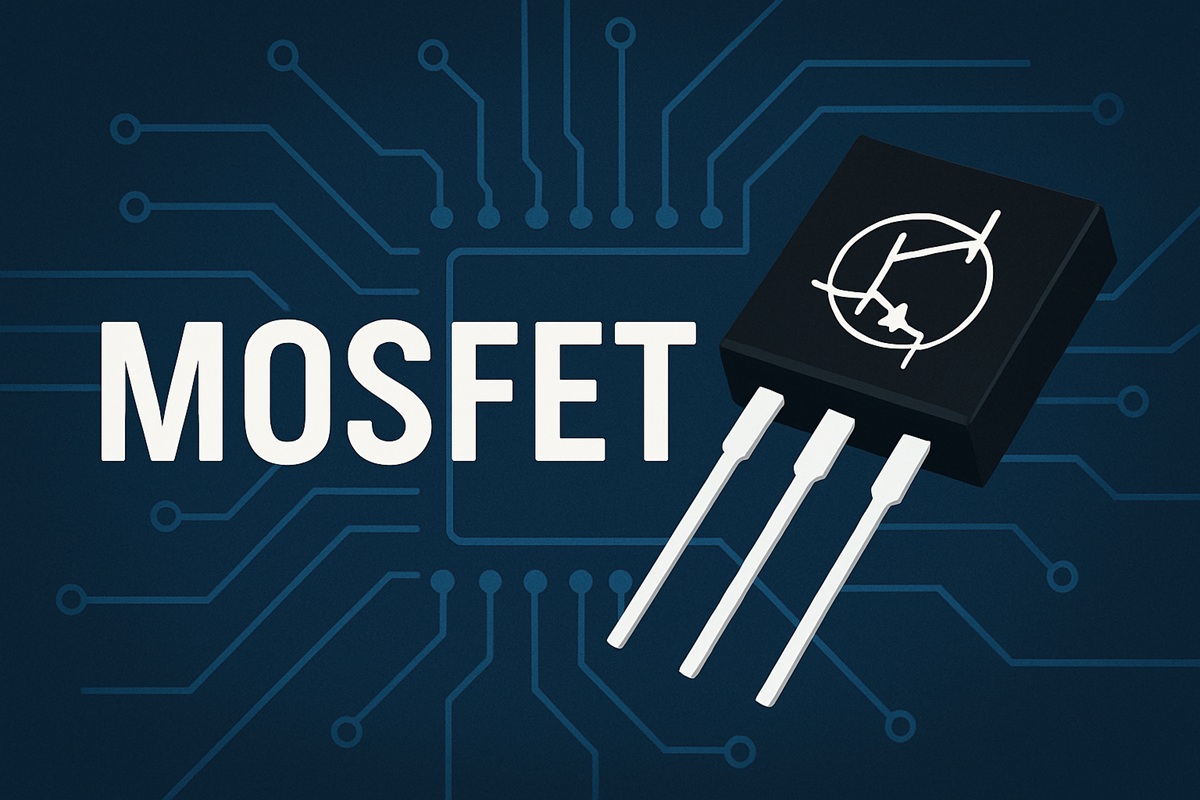
A NIMS research group led by Jiangwei Liu (independent scientist, Research Center for Functional Materials) and Yasuo Koide (coordinating director in the Research Network and Facility Services Division) has succeeded for the first time in the world in developing logic circuits equipped with diamond-based MOSFETs (metal-oxide-semiconductor field-effect-transistors) at two different operation modes. This achievement is a first step toward the development of diamond integrated circuits operational under extreme environments.Diamond has high carrier mobility, a high breakdown electric field and high thermal conductivity. Therefore, it is a promising material to be used in the development of current switches and integrated circuits that are required to operate stably at high-temperature, high-frequency, and high-power. However, it had been difficult to enable diamond-based MOSFETs to control the polarity of the threshold voltage, and to fabricate MOSFETs of two different modes―a depletion mode (D mode) and an enhancement mode (E mode)―on the same substrate. The research group has successfully developed a logic circuit equipped with both D- and E-mode diamond MOSFETs after making a breakthrough by fabricating them on the same substrate using a threshold control technique developed by the group. The research group identified the electronic structure in the interface between various oxides and hydrogenated diamond using photoelectron spectroscopy in 2012. The research group then succeeded in developing a diamond MOS (metal-oxide-semiconductor) capacitor with very low leakage current density and an E-mode hydrogenated diamond-based MOSFET in 2013 after going through many difficulties. The group then prototyped logic circuits by combining diamond-based MOSFETs with load resistors in 2014. Finally, the group developed techniques to control D- and E-mode characteristics of diamond-based MOSFETs and identified the control mechanism in 2015. A series of these R&D accomplishments were introduced in AIP publishing news by the American Institute of Physics. These previous efforts led to the success made in this research project. The logic circuits with diamond-based transistors are promising devices to be used in the development of digital integrated circuits that are required to stably operate under extreme environments such as high-temperature as well as exposure to radiation and cosmic rays. This research was conducted in conjunction with the following projects: Leading Initiative for Excellent Young Researchers (Jiangwei Liu, representative), under the sponsorship of the MEXT Human Resource Development Program for Science and Technology; "Development of new functional diamond electronic devices using a large amount of polarized charges" (Yasuo Koide, principal investigator), under the category of Grant-in-Aid for Scientific Research (A) sponsored by the MEXT Grants-in-Aid for Scientific Research; and "Fabrication of high-current output fin-type diamond field-effect transistors" (Jiangwei Liu, principal investigator), under the category of Grant-in-Aid for Young Scientists (B) sponsored by the MEXT Grants-in-Aid for Scientific Research. Device fabrication was supported by the NIMS Nanofabrication Platform, established under the MEXT Nanotechnology Platform Japan program. Ref.DMN63D0LT-7DMN5L06VK-7
kynix On 2017-08-08   256

Kynix

Kynix was founded in 2008, specializing in the electronic components distribution business. We adhere to honesty and ethics as our business philosophy and have gradually established an excellent reputation and credibility in our international business. With the accurate quotation, excellent credit, reasonable price, reliable quality, fast delivery, and authentic service, we have won the praise of the majority of customers.

Follow us

Join our mailing list!

Be the first to know about new products, special offers, and more.

Kynix

  • How to purchase

  • Order
  • Search & Inquiry
  • Shipping & Tracking
  • Payment Methods
  • Contact Us

  • Tel: 00852-6915 1330
  • Email: info@kynix.com
  • Follow Us

authentication

Kynix

© 2008-2026 kynix.com all rights reserved.