energy Related Articles
Stay Ahead with Expert Electronics Insights,
Industry Trends, and Innovative Tips
- Electronic Components
- News Room
- General electronic semiconductor
- Components Guide
- Sort by
- Robots
- Transmitters
- Capacitors
- IC Chips
- PCBs
- Connectors
- Amplifiers
- Memory
- LED
- Diodes
- Transistors
- Battery
- Oscillators
- Resistors
- Transceiver
- RFID
- FPGA
- Mosfets
- Sensor
- Motors, Solenoids, Driver Boards/Modules
- Relays
- Optoelectronics
- Power
- Transformer
- Fuse
- Thyristor
- potentiometer
- Development Boards
- RF/IF
- Semiconductor Information
- Sensors
- PCB
- transistor
1: IntroductionElectronic gadgets and devices have become an indispensible part of modern day lives. With the growing demand for more powerful and feature-rich electronic devices, more advanced electronic components are being routinely introduced. However, the widespread proliferation of electronic components has created multiple environmental and ecological problems. The ever growing number of electronic devices requires a large amount of energy which is mostly generated using fossil fuels. The combustion of fossil fuels for energy generation is the leading cause of global warming and climate change. Moreover, the semiconductor materials used for the production of electronic components are not easy to dispose off and hence, the electronic waste is becoming a huge problem globally.Introduction1.1: Importance of Energy Efficiency and Environmental Protection in Electronics ComponentsAs discussed earlier, the production of electrical energy as well as the electronic components generates greenhouse gases which are the leading causing global warming and climate change. These problems manifest in the form of rising sea levels, forest fires, changing weather patterns, flash floods, heat waves, and other unusual climatic conditions. Hence, there is a dire need for green and clean energy generation as well as sustainable manufacturing practices in the electronic components manufacturing and waste recycling industries.In the subsequent sections, we will explore the specific technologies and strategies for improving the energy efficiency of electronic components and reduce the carbon footprint of electronic devices and gadgets. Importance of Energy Efficiency and Environmental Protection in Electronics Components2: Energy Saving Technologies for Electronic Components2.1: Power Management SystemsElectrical power is a costly and limited resource and therefore, must be used efficiently. For the optimization of energy consumption, electronic devices often incorporate Power Management Systems. The main purpose of the PMS is to ensure the controlled, efficient, and optimized power delivery to various electronic subsystems within an electronic device.2.2: Intelligent Power SuppliesThe AI and machine learning algorithms are bringing a revolution in every area of modern day life including electronic circuits and components. Intelligent power supplies utilize advanced algorithms and sensors for the real-time adjustment of power output. These intelligent power supplies optimize the power transfer process while ensuring energy efficiency and minimum power wastage.2.3: Voltage Regulation TechniquesElectronic circuits commonly use voltage regulation circuits for adjusting the voltage levels according to the requirements. Older fixed-voltage circuit design techniques lead to high power dissipation and inefficiency in the system. Different voltage regulation techniques are employed in modern circuits for optimizing energy performance such as Adaptive Voltage Scaling (AVS) and dynamic voltage scaling (DVS). Such real-time voltage regulation techniques not only conserve energy but also enhance the lifespan of components.2.4: Power Gating and Sleep ModesElectronic devices do not require continuous operation and there might be extended periods of inactivity. Hence, to optimize the power consumption during the periods of inactivity, power gating and sleep modes are utilized. Power gating involves the shutting down of power to some of the electronic subsystems when they are not in use, in order to improve energy efficiency. Similarly, sleep modes put the device into low-power state when there is no activity for some specified time. These techniques allow for substantial energy savings without compromising device functionality.Power Gating and Sleep Modes3: Environmental Impact of Electronic Components3.1: E-Waste ConcernsWith the proliferation of electronic devices and gadgets, the world is now struggling with a new kind of waste i.e e-waste. This electronic waste consists of batteries, circuit boards, electronic components, and other semiconductor materials used in electronic circuits. This type of waste is very difficult to dispose off as it contains specialized materials such as epoxy resins, crystals, semiconductor materials, and other rare metals.Most of the e-waste in the form of discarded electronic devices ends up in the landfills of third world countries where it is incarcerated using dangerous and primitive techniques. Such waste disposal techniques pollute the air, contaminate the water sources, and introduces dangerous diseases in the local population.The only viable option to deal with the electronic waste is to develop efficient and eco-friendly recycling processes that can dispose of e-waste in a safe and responsible manner. However, development of such a recycling system is a challenging task as the e-waste contains many hazardous substances such as lead, cadmium, and mercury. Nonetheless, significant research efforts need to be exerted in this direction to ensure a sustainable environment for future generations.3.2: Life Cycle Analysis in Component DesignLife cycle analysis or LCA is an important tool that has been devised for the evaluation of environmental impact of electronic components from production to disposal. The LCA technique takes into consideration all the phases of product lifecycle including raw material sourcing, manufacturing, warehousing, transportation, usage, and disposal. By designing the electronics products in accordance with LCA, the manufacturers can reduce the carbon footprint of electronic components and enhance their quality and performance.Life Cycle Analysis in Component Design4: Regulations and StandardsApart from technology improvement and strategic decision making, government policies and regulations play a vital role in the adoption of sustainable and environmental-friendly manufacturing practices. In this section we will explore some of the important global initiatives for enhancing sustainability in electronics industry.4.1: RoHS ComplianceRestriction of Hazardous Substances (RoHS) is a global initiative which aims at restricting the use of certain toxic and hazardous substances in the manufacturing of electronic devices and components. Apart from the European Union, RoHS has been adopted by many other countries. RoHS compliance forces the electronics manufacturers to eliminate the use of lead, cadmium, mercury, and other hazardous materials from the electronics components and equipment. The RoHS standard not only enhances the safety of electronics devices but also helps mitigate the adverse environmental effects associated with electronic components manufacturing business.RoHS compliance4.2: Energy Star CertificationEnergy Star certification program was initially introduced in the United States and was recognized internationally later on. This certification program focuses on enhancing energy efficiency in electronic devices and appliances. The Energy Star compliant products meet strict energy efficiency criteria and therefore, can be marketed as energy-efficient products. The Energy Star certification allows the consumers to make informed decisions and opt for products with minimal greenhouse gas emissions.Energy Star4.3: Government Policies and IncentivesGovernment policies play a critical role in the generation of greenhouse gases and adoption of green technologies. Governments can provide financial incentives and tax benefits to the electronics manufacturing industries for adopting sustainable and energy-efficient technologies. Moreover, governments can introduce regulatory measures in regards to the generation and disposal of e-waste. One such regulatory measure is particularly important known as Extended Producer Responsibility (EPR) which holds the manufacturers responsible for the entire lifecycle of the product.5: ConclusionThere is no doubt that electronics and communication technology has shaped our modern civilization. However, the pervasive use of electronic devices is creating many adverse ecological challenges including greenhouse gas emissions, global warming, and rising energy consumption. These challenges demand the adoption of sustainable and energy-efficient manufacturing practices in the electronic component manufacturing business. In this article, we have explored a number of different technologies and strategies for minimizing negative environmental effects of electronic component manufacturing. These technologies and strategies include Power Management System, Intelligent Power Supplies, Voltage Regulation, RoHS standard compliance, Energy Star certification, and government incentives and regulations.
Kynix On 2025-04-23
Imagine the vast wind turbines gracefully turning in a breeze, solar panels glistening under the sun, and the sophisticated grid systems that seamlessly distribute clean energy to our homes and industries. These renewable energy systems are pivotal in our journey toward a sustainable future. At the heart of these systems are advanced components that ensure their efficiency and reliability. One such essential component is the Insulated Gate Bipolar Transistor (IGBT).IGBTs are crucial in managing and controlling electrical power within renewable energy systems. They combine the high-speed switching capabilities of MOSFETs with the high-current and low-saturation-voltage characteristics of bipolar transistors, making them indispensable in power electronics. Whether you’re an electrical engineer, a renewable energy enthusiast, or simply someone fascinated by sustainable technologies, this guide delves into real-world applications of IGBTs, showcasing their significant impact on renewable energy systems.This comprehensive guide explores various case studies highlighting the role of IGBTs in renewable energy, providing insights into their functionality, advantages, and the innovations driving the sector forward. Consider this your resource for understanding how IGBTs are revolutionizing renewable energy technologies. An Introduction to IGBTs in Renewable EnergyIGBTs Explained - The Basics and Working PrincipleInsulated Gate Bipolar Transistors (IGBTs) are semiconductor devices that play a pivotal role in power electronics. They merge the best features of Metal-Oxide-Semiconductor Field-Effect Transistors (MOSFETs) and bipolar junction transistors (BJTs). IGBTs offer high efficiency and fast switching, which are essential for power conversion and control in renewable energy systems.The basic structure of an IGBT includes three terminals: the gate, collector, and emitter. This configuration allows IGBTs to handle large voltages and currents while maintaining rapid switching speeds. The gate terminal controls the flow of electricity between the collector and emitter, enabling precise management of electrical power. This capability makes IGBTs ideal for applications such as inverters, converters, and motor drives in renewable energy setups. What Are IGBTs?IGBTs function as switches in power electronics, controlling the flow of electrical energy with high precision. They are composed of a layered structure that allows for efficient conduction and rapid switching, essential for managing the variable nature of renewable energy sources like wind and solar.By switching on and off rapidly, IGBTs regulate the power delivered to various components, ensuring optimal performance and energy efficiency. This ability to handle both high voltage and high current makes IGBTs versatile and reliable for a wide range of renewable energy applications. Why Are They Important?In renewable energy systems, efficient conversion and management of electrical power are crucial. IGBTs provide the necessary control and efficiency, enabling systems to maximize energy capture and minimize losses. They play a dual role: managing power flow and ensuring system stability.For instance, in solar inverters, IGBTs convert the direct current (DC) power generated by solar panels into alternating current (AC) power suitable for the electrical grid. They do this with minimal energy loss and high reliability, ensuring that the energy harvested from the sun is effectively utilized.Similarly, in wind turbines, IGBTs manage the power generated by the turbine’s generator, ensuring a consistent power output to the grid despite varying wind speeds. This capability is vital for maintaining the stability and reliability of renewable energy systems. Case Studies of IGBT Applications in Renewable Energy1. IGBTs in Solar Power InvertersOverviewSolar power inverters are essential for converting the direct current (DC) generated by solar panels into alternating current (AC) used by the electrical grid. IGBTs play a critical role in this conversion process, ensuring that the energy is efficiently and reliably transformed.Case Study: Tesla Solar InvertersTesla is renowned for its cutting-edge solar energy systems, and IGBTs are at the core of their inverter technology. Tesla’s solar inverters utilize advanced IGBT-based designs to ensure high efficiency and reliability. These inverters manage the conversion process seamlessly, even under varying sunlight conditions, which is crucial for maintaining consistent energy output.The use of IGBTs allows Tesla’s inverters to achieve higher power densities and better thermal performance. This means that the inverters can handle more power in a smaller, more compact design, making them ideal for large-scale solar installations where space and efficiency are paramount.BenefitsHigh Efficiency:IGBTs reduce energy loss during the conversion process, ensuring that more of the solar energy is effectively utilized.Reliability:Enhanced system stability and longevity are achieved through the robust performance of IGBTs.Compact Design:The efficiency of IGBTs allows for smaller inverter sizes, which is beneficial for both residential and commercial solar installations.2. IGBTs in Wind Turbine Power ConversionOverviewWind turbines generate electricity by converting the kinetic energy of wind into electrical energy. The variable nature of wind requires robust power electronics to manage the fluctuating power output. IGBTs are essential in ensuring that the power generated by wind turbines is efficiently converted and fed into the electrical grid.Case Study: Siemens Gamesa Renewable EnergySiemens Gamesa Renewable Energy integrates IGBT-based converters in their wind turbines. These converters manage the power generated by the turbine’s generator, ensuring a consistent power output to the grid despite varying wind speeds. The IGBTs facilitate precise control over the power electronics, enhancing the overall efficiency and reliability of the wind turbines.By using IGBTs, Siemens Gamesa can ensure that their wind turbines operate optimally, even in fluctuating wind conditions. This leads to higher energy yields and more reliable power supply, which are critical factors for the success of wind energy projects.BenefitsDynamic Response:IGBTs' quick switching capabilities handle rapid changes in wind speed, ensuring stable power output.Energy Efficiency:Minimizes losses during power conversion, maximizing the energy harvested from the wind.System Integration:Facilitates seamless integration with the electrical grid, enhancing overall system performance.3. IGBTs in Energy Storage SystemsOverviewEnergy storage systems, such as battery banks, are integral to renewable energy systems. They provide stability and reliability by storing excess energy for later use, ensuring that energy supply meets demand even when renewable sources are intermittent.Case Study: Tesla PowerwallTesla’s Powerwall is a prominent example of an energy storage system that leverages IGBT-based inverters. These inverters manage the charge and discharge cycles of lithium-ion batteries, ensuring efficient energy conversion and distribution. The IGBTs in the Powerwall maintain optimal battery performance and longevity by precisely controlling the energy flow.This integration allows the Powerwall to effectively store excess solar energy during the day and release it when needed, providing a reliable energy supply for both residential and commercial applications. The use of IGBTs ensures that the energy management is efficient, minimizing losses and extending the life of the batteries.BenefitsEfficient Energy Management:IGBTs optimize charge and discharge cycles, ensuring that energy is stored and released efficiently.Enhanced Battery Life:Precise control reduces stress on batteries, prolonging their lifespan and maintaining performance.Scalability:IGBT-based systems can support a range of energy storage capacities, making them suitable for various applications from small homes to large commercial installations.4. IGBTs in Grid-Tied Renewable SystemsOverviewGrid-tied renewable systems connect directly to the electrical grid, requiring sophisticated power electronics to ensure seamless integration and compliance with grid standards. IGBTs are essential in managing this integration, ensuring that renewable energy is efficiently fed into the grid.Case Study: GE Renewable EnergyGE Renewable Energy employs IGBT-based converters in their grid-tied wind and solar systems. These converters manage the synchronization of renewable energy with the grid, ensuring stable and reliable power delivery. The IGBTs enable high-frequency switching, which reduces harmonic distortion and improves power quality.By using IGBTs, GE Renewable Energy ensures that their systems can dynamically adjust to changes in grid demand and renewable energy supply. This results in more stable and efficient energy distribution, which is crucial for the reliability of the electrical grid.BenefitsGrid Stability:IGBTs help maintain consistent power quality, ensuring that renewable energy integrates smoothly with the grid.Compliance:IGBT-based systems meet stringent grid standards and regulations, facilitating easier adoption of renewable energy.Efficiency:Enhances overall system performance by minimizing energy losses and improving power quality.5. IGBTs in Electric Vehicle (EV) Charging Stations Powered by RenewablesOverviewAs electric vehicles become more prevalent, the demand for efficient and reliable charging stations powered by renewable energy grows. IGBTs play a crucial role in managing the conversion of renewable energy into usable power for charging EVs.Case Study: ChargePoint Solar-Powered StationsChargePoint, a leading provider of EV charging infrastructure, integrates IGBT-based power electronics in their solar-powered charging stations. The IGBTs manage the conversion of solar energy into electrical power, ensuring fast and efficient energy transfer to electric vehicles. This integration supports sustainable transportation by leveraging renewable energy sources, reducing reliance on fossil fuels.By using IGBTs, ChargePoint can offer reliable and efficient charging solutions that are both environmentally friendly and economically viable. The IGBTs ensure that the energy conversion process is smooth, minimizing losses and ensuring that vehicles receive the necessary power quickly and efficiently.BenefitsFast Charging:IGBTs enable rapid energy transfer, reducing the time required to charge electric vehicles.Sustainability:Utilizes clean energy sources, reducing the carbon footprint associated with EV charging.Reliability:Ensures consistent power delivery to vehicles, enhancing the user experience and trust in renewable-powered charging stations. Choosing the Right IGBT for Renewable Energy ApplicationsUnderstanding Application RequirementsSelecting the appropriate IGBT involves a thorough understanding of the specific requirements of the renewable energy application. Factors such as voltage, current, switching frequency, and thermal performance are crucial in determining the right IGBT for the job.Key Specifications to ConsiderVoltage Rating (V):The IGBT’s voltage rating must exceed the maximum operating voltage of the system to ensure reliable performance.Current Rating (A):The IGBT should handle the peak current without overheating, ensuring it can manage the power demands of the application.Switching Speed (kHz):Higher frequencies require faster switching IGBTs, which is essential for applications like inverters and converters in renewable energy systems.Thermal Resistance (°C/W):Lower thermal resistance indicates better heat dissipation, which is vital for maintaining IGBT performance and longevity.Real-World ConsiderationsBeyond specifications, it’s important to consider environmental factors such as temperature extremes, humidity, and potential exposure to corrosive elements. Ensuring the IGBT can withstand these conditions is vital for long-term reliability and performance.Additionally, the physical size and packaging of the IGBT should match the design constraints of the system. Compact designs may be necessary for applications with limited space, while robust packaging may be required for harsh environments.Advanced IGBT Technologies Enhancing Renewable Energy SystemsSilicon Carbide (SiC) and Gallium Nitride (GaN) IGBTsSilicon Carbide (SiC) and Gallium Nitride (GaN) IGBTs represent the next generation of semiconductor technologies. These materials offer superior performance compared to traditional silicon-based IGBTs, providing higher efficiency, faster switching speeds, and better thermal performance. This makes them ideal for advanced renewable energy applications where performance and efficiency are critical.Benefits of SiC and GaN IGBTsHigher Efficiency:Reduced energy losses during switching and conduction.Faster Switching:Enables higher switching frequencies, improving the performance of power electronics.Better Thermal Performance:Enhanced heat dissipation capabilities, allowing for more compact and reliable designs.Integration with Smart GridsIGBTs are integral to the development of smart grid technologies, which enable real-time monitoring and control of energy flows. This integration enhances grid resilience, optimizes energy distribution, and supports the incorporation of diverse renewable energy sources.Benefits of Smart Grid IntegrationReal-Time Control:Allows for dynamic adjustments to energy distribution based on demand and supply.Enhanced Resilience:Improves the grid’s ability to withstand and recover from disruptions.Optimized Energy Use:Ensures that energy is distributed efficiently, reducing waste and improving overall system performance.Future Trends in IGBTs for Renewable EnergyIncreased Efficiency and Power DensityOngoing advancements aim to further improve the efficiency and power density of IGBTs. This allows for more compact and efficient renewable energy systems, which is essential for scaling up renewable energy deployment.Enhanced Reliability and LongevityInnovations in materials and design are focused on extending the lifespan of IGBTs, ensuring reliable performance over the long term in demanding renewable energy environments. This includes developments in thermal management and protective technologies to prevent failures.Integration with IoT and AIThe convergence of IGBTs with Internet of Things (IoT) and Artificial Intelligence (AI) technologies promises smarter and more adaptive renewable energy systems. These technologies enable real-time optimization and predictive maintenance, enhancing the performance and reliability of renewable energy installations.Benefits of IoT and AI IntegrationSmart Monitoring:Enables continuous monitoring of IGBT performance and system health.Predictive Maintenance:AI algorithms can predict potential failures, allowing for proactive maintenance and reducing downtime.Optimized Performance:Real-time data analysis can optimize energy flows and system operations for maximum efficiency. ConclusionInsulated Gate Bipolar Transistors (IGBTs) are the unsung heroes powering the renewable energy revolution. Through their efficient power management and robust performance, they enable the seamless integration and operation of solar, wind, and energy storage systems. The case studies highlighted in this guide underscore the pivotal role of IGBTs in advancing renewable energy technologies, driving us toward a sustainable future.From enhancing the efficiency of solar inverters and wind turbine power converters to managing energy storage systems and enabling smart grid integration, IGBTs are integral to the success of renewable energy projects. As technology continues to evolve, IGBTs will undoubtedly remain at the forefront of innovations, ensuring that renewable energy systems are more efficient, reliable, and capable of meeting the growing energy demands of our world.Whether you’re designing a new renewable energy project or optimizing an existing system, understanding and leveraging the capabilities of IGBTs will be key to achieving optimal performance and reliability. Embracing these advanced semiconductor devices is essential for anyone committed to advancing renewable energy and building a sustainable future.Knowledge Card
Allen On 2024-12-17
Imagine a future where our world runs on clean, boundless energy straight from the sun. This vision is turning into reality thanks to rapid advancements in photovoltaic (PV) technology. From residential rooftops to large-scale commercial facilities, solar power is fundamentally transforming our approach to energy. And at the heart of this transformation are photovoltaic connectors—those small yet crucial components that ensure the entire system runs smoothly and efficiently.Whether you are a seasoned solar installer, an engineer interested in understanding how solar systems are put together, or simply a curious individual wanting to learn more about renewable energy, this guide will help you understand photovoltaic connectors in an accessible yet detailed manner. An Introduction to Photovoltaic ConnectorsPhotovoltaic connectors, often referred to as solar connectors, are specialized components used to link solar panels together and connect them to the rest of the solar power system. In essence, they are the backbone that ensures the efficient and safe transmission of electricity generated by solar panels. Among these connectors, MC4 connectors are perhaps the most well-known, widely recognized for their plug-and-play design, which makes them easy to use, and their robust ability to withstand weather conditions. Why Are Solar Connectors Important?When we think about a photovoltaic system, our focus is usually on solar panels and inverters—the large, visible parts of the installation. But connectors are equally vital, acting as the unsung heroes that carry energy from panel to panel, and then onto the inverter. Even if you have the best solar panels on the market, they won’t perform well if you don’t have reliable connectors. Solar connectors ensure that energy moves efficiently and safely, avoiding potential power losses and minimizing safety risks.A poorly installed connector can lead to significant energy loss, overheating, or even fire hazards, which highlights just how crucial these small components are. To put it simply: without effective connectors, a solar system, no matter how advanced, cannot deliver on its promise of clean and reliable energy. Types of Solar ConnectorsIn the world of solar energy, not all connectors are made the same. Here are some of the most commonly used types of photovoltaic connectors, each with its own unique strengths and suitable applications:MC4 Connectors: MC4 connectors are the standard in most photovoltaic systems today. They are known for their ease of use—you simply click them into place, and you’re done. These connectors are also designed to be weather-resistant, which makes them suitable for long-term outdoor use. The simplicity and reliability of MC4 connectors have made them a favorite for both residential and commercial solar projects.T4 Connectors: T4 connectors are very similar to MC4 connectors, offering a compatible solution that can be used across different types of solar panels. They are often used in larger, utility-scale projects where robustness and durability are crucial. The T4 connectors are built to handle high current and voltage ratings while providing excellent protection against weather conditions.Y Connectors: Y connectors, sometimes called branch connectors, are used when multiple panels need to be connected in parallel. This configuration is often seen when installers need to combine the currents from several panels into a single output line. Y connectors are especially useful when designing systems with specific power requirements and allow for greater flexibility during installation.Amphenol H4 Connectors: Amphenol H4 connectors are an alternative to MC4 connectors and are known for their exceptional electrical performance and durability. These connectors are highly efficient in power transmission, and they offer added safety features, making them a good choice for projects requiring a higher degree of reliability and performance. Key Considerations When Choosing Solar ConnectorsChoosing the right type of connector for your photovoltaic system is not a decision to be taken lightly. There are several important factors to consider:Compatibility: Compatibility between connectors and solar panels is paramount. MC4 connectors are widely used and compatible with most solar panels on the market today, but it's essential to check for any cross-compatibility issues that might arise with components from different manufacturers.Voltage and Current Ratings: Every solar connector is designed to handle a specific voltage and current rating. Choosing a connector that is not properly rated for your system could lead to serious problems such as overheating, power losses, or even complete system failure.Weather Resistance: Solar connectors are exposed to harsh environmental conditions—rain, snow, extreme heat, and UV radiation. Therefore, connectors should have a robust IP (Ingress Protection) rating. Ideally, a connector should be rated at IP67 or higher to ensure it is protected against dust and water ingress, ensuring reliable operation over many years.Ease of Installation: Ease of use is another important factor, especially for large-scale installations. Connectors like MC4 are designed for straightforward installation, which helps reduce labor costs and installation time. If you are working on a big project, selecting connectors that are easy to install can significantly impact overall project efficiency. Installation Tips for Optimal PerformanceThe performance and safety of your solar power system can be greatly influenced by how well you install the connectors. Here are a few tips for getting it right:Ensure Secure Connections: Each connector should click firmly into place. Loose connections can create resistance, resulting in power losses or safety hazards such as arcing, which is a common cause of electrical fires.Use the Proper Tools: Solar connectors require specific crimping tools to ensure a reliable and secure connection. Makeshift tools may result in improper crimps, which can compromise the performance of your solar system.Inspect Regularly: Over time, environmental factors can degrade solar connectors. Regular inspections can help you spot wear and tear, corrosion, or loose connections before they become significant issues. Advancing PV Technology with High-Quality ConnectionsPhotovoltaic connectors might seem like minor components, but they are vital for maximizing the efficiency and reliability of a solar power system. High-quality connectors minimize power losses and ensure the system functions safely and effectively. The evolution of connector technology continues to improve solar installations with designs that prioritize better safety, more convenient installation, and higher durability.Utility-scale solar farms often require connectors that can handle higher voltages and greater environmental stress. To meet these demands, manufacturers are developing connectors with features like self-cleaning contacts, which help reduce maintenance requirements, and improved materials that resist wear and tear even in the harshest conditions.As photovoltaic technology advances, the need for connectors that can accommodate larger arrays and higher energy outputs also increases. Innovations such as automatic locking mechanisms and enhanced UV-resistant materials are becoming more common, aimed at making installations more efficient and safe while extending the lifespan of solar systems. ConclusionPhotovoltaic connectors are critical components in any solar power system, bridging the gap between panels, inverters, and energy storage or the electrical grid. Understanding the different types of connectors, their specific functions, and how to choose and install them correctly is key to ensuring that your photovoltaic system delivers the best possible performance.Solar connectors are more than just parts of the system—they are the pathways through which clean energy flows from the sun into usable power. By choosing the right connectors and installing them with care, you can make sure that every watt of energy generated by your solar panels is delivered efficiently and safely.
Allen On 2024-11-26
Overview: This article explores Bluetooth technologies, pairing mechanism advancements, and their IoT applications. It highlights security challenges and discusses Bluetooth's secure modes for reliable device communication. The Internet of Things (IoT) proposes a fully networked world in which objects may interact and communicate with each other. Bluetooth and RFID (Radio Frequency Identification) are two of the most popular wireless technologies in IoT applications. What is Bluetooth?The IEEE 802.15.1 standard is the foundation for Bluetooth, a wireless technology. It is utilized for short-range data exchange between stationary and mobile wireless devices and for constructing WPANs (Wireless Personal Area Networks). It was first developed in 1994 as a wireless substitute for RS-232 wires by the telecom provider Ericsson. It uses the FHSS (Frequency Hopping Spread Spectrum) transmission technology and the open, unlicensed 2.4 GHz ISM (Industrial, Scientific, and Medical) radio band to transmit packets while minimizing interference. Over the past 20 years, Bluetooth has advanced from version 1.0 (1999) to version 5.2 (2019), introducing features like improved power efficiency, enhanced security, increased data speed, and extended range. These enhanced features made Bluetooth a significant technology for several IoT applications. What are piconets and scatternets?Bluetooth devices must be linked and verified to one another as part of the pairing authentication process. In the pairing process, the device that starts it is designated as the master, while the other devices that accept the pairing from the master are designated as slaves. A network structure known as a piconet, as shown in Fig. 1, is created when a specific number of slave devices are linked to a single master device. A scatternet, as shown in Fig. 1, is created when at least two piconets are connected.Fig. 1 Illustration of piconets and scatter nets Source: MDPI Bluetooth TechnologiesThere are two primary types of Bluetooth technology:Bluetooth Basic Rate (BR)/Enhanced Data Rate (EDR).Bluetooth Low Energy (BLE) Bluetooth Basic Rate (BR)/Enhanced Data Rate (EDR)Bluetooth Basic Rate/Enhanced Data Rate (BR/EDR), often referred to as Classic Bluetooth. The Bluetooth system functions within the 2.4 GHz ISM band. There are 79 channels in the Bluetooth ISM band, each with a frequency of 1 MHz. The two data transmission modes of classic Bluetooth are as follows:Basic rateEnhanced data rate Basic Rate (BR) employs a shaped, binary Frequency Modulation (FM) to reduce transceiver complexity. BR employs Gaussian Frequency Shift Keying (GFSK) as its modulation, providing a data rate of 1 Mbit/s. Enhanced Data Rate (EDR), which employs Phase Shift Keying (PSK) modulation and has two additional variants: π/4-Differential Quadrature Phase Shift Keying (DQPSK) and Differential Phase Shift Keying (DPSK). It supports data rates of up to 2 Mbit/s and 3 Mbit/s. ApplicationsClassic Bluetooth devices have high-throughput connections.Additionally, any 3G/4G equipped smartphone can serve as a hotspot and give neighboring Bluetooth-connected devices access to the Internet through Bluetooth tethering.Another example of classic Bluetooth products is wireless keyboards that may be connected to a laptop or smartphone.Bluetooth-enabled car stereos that transmit audio wirelessly, allowing hands-free communication.File transfers between any two Bluetooth-enabled devices are another common usage.Bluetooth headsets are a gadget that gains a lot from BR/EDR. It generally consumes more power than Bluetooth Low Energy, making it less suitable for battery-powered devices. It primarily supports point-to-point communication. Bluetooth Low Energy (BLE)Bluetooth Low Energy (BLE), or Bluetooth smart, is an improved version of classic Bluetooth. It also operates in the 2.4 GHz ISM band but uses 40 channels with a bandwidth of 2 MHz each. BLE achieves efficiency by using fewer channels for discovery, which leads to the establishment of rapid connections. The channel spacing of 2 MHz lowers the need for RF filtering. It offers a maximum data rate of 1 Mbit/s, with options for higher rates in newer specifications like Bluetooth 5 BLE, which employs an energy-efficient approach to maintain connectivity while reducing active radio usage. It supports a variety of network topologies, including point-to-point, broadcast, and mesh networks, enabling large-scale device networks. Applications It includes capabilities for device positioning, such as presence detection and direction finding, which are unavailable in BR/EDR. They are suitable for devices requiring infrequent data transmission. Connected sensors in a building (home automation or home care), body-worn health or fitness sensors, heart rate monitors, and various metrology or industrial devices are all examples of BLE applications. Bluetooth Security ChallengesBluetooth devices are susceptible to malicious attacks, includingPIN crackingMAC spoofingMan-In-The-Middle attackBlueJacking attackBlueSnarfing attackBlueBugging attackDenial-of-Service attackFuzzing attackBlueBorne Bluetooth Security: Pairing MechanismBluetooth technology employs various security mechanisms to provide a reliable connection. Pairing enables two Bluetooth devices to undergo a set of security parameters and authenticate each other to derive a master key, known as the link key. This link key is subsequently utilized to generate additional keys that will be employed to ensure secure communications. At present, there are three Bluetooth pairing mechanisms:Legacy pairingSecure Simple PairingSecure Connections Legacy pairingThe original pairing method was used in earlier Bluetooth 1.0 to 2.0 versions. It uses basic algorithms for key generation, simplifying the connection process between devices with limited computational capabilities. Devices exchange a Temporary Key (TK), which is then used to generate a Short Term Key (STK) to encrypt the connection. This process is susceptible to attacks if the TK is weak or predictable. It is vulnerable to various security threats, such as passive eavesdropping and MITM attacks. Secure Simple PairingSecure Simple Pairing (SSP) was implemented in version 2.1 to improve security. The link key is generated using the Elliptic Curve Diffie-Hellman (ECDH) for key exchange. This link key is subsequently utilized to generate additional keys for encryption and authentication. The SSP pairing offers four flexible association modes: Numeric Comparison, Passkey Entry, Just Works, and Out of Band. Secure ConnectionsThey are an enhanced version of the Secure Simple Pairing mechanism, which employs both more robust algorithms and lengthier key sizes. Secure Connections employs AES-CTR for encryption, HMAC-SHA256 for authentication, and P-256-ECDH with HMAC-SHA256 for key generation. In addition, it has implemented the AES-CCM algorithm to provide message integrity services. Security ModesBluetooth devices operate in different security modes, which dictate how security is enforced:Security Mode 1:It is a non-secure mode with no authentication or encryption.Security Mode 2:It provides service-level-enforced security where a centralized security manager controls access.Security Mode 3:It enables link-level-enforced security, which requires authentication and encryption before establishing a physical link.Security Mode 4:Introduced in Bluetooth v2.1 + EDR, this mode uses Secure Simple Pairing (SSP) with Elliptic Curve Diffie-Hellman (ECDH) for key exchange, providing robust security after link setup. Users can better protect their Bluetooth communications from potential threats by understanding and implementing these security features and practices. Summarizing the Key PointsBluetooth technology has evolved significantly, enhancing power efficiency, data speed, and security, making it essential for various IoT applications and device connectivity in modern networks.Understanding Bluetooth's security modes, from non-secure to robust encryption, helps users implement better protection against potential threats and malicious attacks on their devices.Bluetooth Low Energy supports efficient communication with reduced power consumption, making it ideal for applications like health sensors, home automation, and large-scale device networks. Reference“Attacks and Defenses in Short-Range Wireless Technologies for IoT.” IEEE Access 8 (January 1, 2020): 88892–932. https://doi.org/10.1109/access.2020.2993553.Zeadally, Sherali, Farhan Siddiqui, and Zubair Baig. “25 Years of Bluetooth Technology.” Future Internet 11, no. 9 (September 9, 2019): 194. https://doi.org/10.3390/fi11090194.
Rakesh Kumar, Ph.D. On 2024-10-28
OverviewThe article discusses the impact of fast charging on power quality issues and solutions to mitigate these challenges. It also highlights the importance of smart charging, artificial intelligence-based control algorithms, and cybersecurity. A number of serious problems may arise from the unplanned installation of fast charging stations and uncontrolled fast charging. When numerous electric vehicles (EVs) have to be charged at a time, the situation becomes worse because a fast charger consumes a substantial quantity of electricity in a short time. Fig. 1 depicts the electric vehicle's charging system, which includes the off-board and on-board chargers. Understanding the Challenges of Fast Charging StationsThe challenges include,Peak loadingPower quality deteriorationDiminished reserve marginsVoltage variationsEconomic lossGrid asset lossOverloadingReliability issues Power Quality IssuesThe installation of fast charging stations causes a number of power quality problems, includingHarmonic distortionSupra-harmonicsVoltage fluctuationGrid stability breakdownImpact on Transformers Harmonic DistortionThe electric vehicle charger's power electronics equipment is in charge of introducing harmonics into the grid. The current total harmonic distortion (THD) range for the ABB Terra 53J charging station is 9.3% to 30.7% in constant voltage charging mode. In contrast, the average current THD is approximately 11% in constant current charging mode. Supra-HarmonicsUsually, harmonic analysis is carried out in the frequency range of less than 2 kHz. As the tendency for rapid charging stations is to lower the size of passive components by increasing the frequency, this could result in supra-harmonic distortion (2kHz - 150kHz). Supra-harmonics can bring aboutOverheatingShortened equipment lifetimeGrid equipment malfunctions, including residual current device tripping The weak grid, particularly characterized by a low short circuit ratio, a low distribution line X/R ratio, and a high impedance, may experience more severe effects. The selection and appropriate design of the AC-DC front-end rectifier and input filter can reduce harmonic distortion and supra-harmonics. Voltage FluctuationVoltage fluctuations are another challenge with power quality that results from EVs charging quickly. The researchers have shown that an increase in charging power results in an increase in voltage fluctuation on the bus. Excessive voltage deviations result in financial penalties. Researchers have proposed a charging control method to lessen voltage fluctuations and light flicker. Grid Stability BreakdownImproper control of fast charging raises serious concerns about grid stability. According to a stability test carried out on an IEEE 3-bus system, fast charging stations reduce grid stability. Additionally, after the disturbance is eliminated from the system, it takes longer for things to return to their pre-disturbance state. Furthermore, compared to constant voltage charging, it has been demonstrated that constant current charging forces the grid closer to the unstable area. Stability can be increased by integrating energy storage and renewable energy sources into the charging station. Impact on TransformersThe installation of fast charging stations has an impact on grid assets like transformers and line cables. Rapid charging-induced overload in distribution transformers may cause insulation failure. Additionally, there is a greater need to install overhead lines, underground cables, and transformers with larger capacities. Additionally, as EV prevalence increases, transformer lifetime decreases. To lessen the effect of EV fast charging on transformer aging, loss, and overloading, a number of clever charging techniques have been put forth. Solutions for Mitigating Fast Charging ChallengesThus, to effectively manage peak demand, the following criteria play a vital role:Vehicle-to-gridVehicle-to-grid (V2G) is an emerging technology with many benefits that can mitigate the negative effects of fast charging, includingActive power regulationReactive power supportGrid stability enhancementCurrent harmonic reductionPeak load reductionReliability enhancementFrequency and voltage regulationSupport for renewable energy sources Vehicle-to-house (V2H) and vehicle-to-grid (V2G) technologies are still in the early stages of development. Further research and development must be done on wireless V2G functioning. When using V2G, rapid discharge has a detrimental effect on the battery's health. Partial Power ConvertersFor EV fast charging, partial power converters—which only process a small portion of the total power available—are gaining popularity. This approach boosts system efficiency while lowering costs and space. In the coming days, it will be possible to research the use of appropriate topologies for EV rapid charging in a partial power processing framework. Advancements in EV Charging InfrastructureProspects for future research should be focused in a way that will allow for the methodical and effective removal of various obstacles to the EV industry's successful development and maturity. By charging an EV battery in 10 to 15 minutes, ultra-fast charging station development can offer EV users a fueling experience. This calls for an in-depth investigation intoSolid-state transformersPV integrationEnergy storageCooling techniquesProtection mechanismsCharging cablesEfficient power converter design using broad-band-gap semiconductor devices to manage high power Smart Charging StrategiesIn addition, research is moving toward wireless charging, which falls into the capacitive, magnetic, and inductive power transfer categories.Solid-state battery development, cell and pack design, battery management systems, and electrolyte/electrode stability should all receive consideration.Smart charging should be implemented, which shapes charging behavior based on peak demand, renewable source generation, dynamic pricing, and EV owners' needs.Low-power DC charging stations will be installed at homes and workplaces in the future, even if residential areas now have access to AC charging.Furthermore, infrastructure for charging should be digitized, intelligent, compatible with smart grids, and integrated with cutting-edge communication systems. AI-Based Control AlgorithmsWhen making wise decisions about driving range estimation, EV charging load prediction, and dynamic pricing, artificial intelligence-based control algorithms can perform better. Cybersecurity ConsiderationsAdditionally, a critical consideration is the cyber security evaluation of both the EV and the charging infrastructure. It is possible to steal important information about the charging system, owner of the car, location, and payment methods. Malicious cyberattacks can also make it possible to access the EV's remote control. Research on cyber security, resilience, dependability, and safeguarding user and grid data from hostile attacks is therefore necessary. Summarizing the Key PointsFast charging stations pose challenges to grid stability and power quality, requiring innovative solutions for sustainable integration.Vehicle-to-grid technology offers benefits like active power regulation, peak load reduction, and support for renewable energy sources.Integrating energy storage and renewable sources can enhance stability and mitigate the negative effects of fast charging on the grid.Smart charging strategies, AI-based control algorithms, and cybersecurity measures are crucial for efficient and secure EV charging infrastructure.Advancements in power electronics, such as solid-state transformers and efficient power converterdesigns, are key for rapid charging station development. ReferenceSafayatullah, M., Elrais, M. T., Ghosh, S., Rezaii, R., & Batarseh, I. (2022). A Comprehensive Review of Power Converter Topologies and Control Methods for Electric Vehicle Fast Charging Applications. IEEE Access, 10, 40753–40793. https://doi.org/10.1109/access.2022.3166935
Rakesh Kumar, Ph.D. On 2024-03-01
Join our mailing list!
Be the first to know about new products, special offers, and more.
Feature Posts
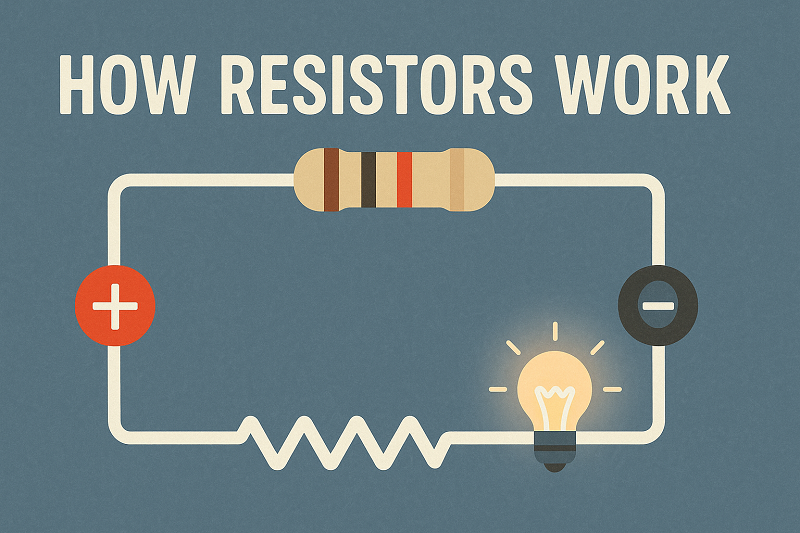
How Resistors Work: From Basic Principles to Advanced Applications2025-07-30
DC Switching Regulators: Principles, Selection, and Applications2025-05-30
FPGA vs CPLD: In-depth Analysis of Architecture, Performance and Application2025-05-07
MOSFET Technology: Essential Guide to Working Principles & Applications2025-05-04
SMD Resistor: Types, Applications, and Selection Guide2025-04-30