The Kynix Blog
Stay Ahead with Expert Electronics Insights,
Industry Trends, and Innovative Tips
- Electronic Components
- News Room
- General electronic semiconductor
- Components Guide
- Sort by
- Robots
- Transmitters
- Capacitors
- IC Chips
- PCBs
- Connectors
- Amplifiers
- Memory
- LED
- Diodes
- Transistors
- Battery
- Oscillators
- Resistors
- Transceiver
- RFID
- FPGA
- Mosfets
- Sensor
- Motors, Solenoids, Driver Boards/Modules
- Relays
- Optoelectronics
- Power
- Transformer
- Fuse
- Thyristor
- potentiometer
- Development Boards
- RF/IF
- Semiconductor Information
- PCB
- transistor
Electrical engineering and electronics traverse many fields of technological innovations and are in the foreground for groundbreaking advancements. Over the years, electrical and computer engineering have pioneered and contributed to developing more streamlined design, development, testing and improved manufacturing processes for frontier-end electronics, devices and equipment. In the strive for streamlining and in pursuit of innovation, the electrical and electronics industry has rapidly edged into the ever-expanding applications of artificial intelligence and machine learning.With the emergence of new technologies such as IoT, artificial intelligence (AI), machine learning (ML) and deep learning, the electronics and electrical industry is adopting and embracing major changes that lead to faster workflows, through optimization, automation and removing redundancies. ML and AI in industrial setups are designed to optimize systems and improve efficiency. This is possible as these systems are equipped with sensors and analytical processes that compute and interpret the data providing useful information.For instance, engineers create networks of interconnected cameras and sensors to guarantee that an autonomous vehicle's AI can "see" its surroundings. They must also make sure that the data is transmitted from these onboard sensors as quickly as possible because any lag in processing might cause a serious mishap.The electrical and electronic industry has seen significant advancements in recent years, with the emergence of artificial intelligence (AI) and machine learning (ML) revolutionizing the way we design, build, and operate electrical systems and devices. AI and ML technologies are increasingly being used to optimize performance, reduce costs, and improve efficiency across a range of applications in the industry. From predictive maintenance and fault detection to energy management and personalization, AI and ML are transforming the electrical and electronic industry in unprecedented ways. This article provides an overview of the role of AI and ML in the industry, examining their applications, benefits, and prospects.To start with let us understand what the terms AI and ML mean and how they are different.What are AI and ML?Artificial intelligence (AI) and Machine learning are often used synonymously although there are some differences between these two terms. To understand AI, it is important to first define what is machine learning and differentiate it from artificial intelligence.Artificial Intelligence is commonly known as AI, which refers to the development of computer systems, embedded systems and logical processing that can perform tasks that typically require human intelligence, such as learning, problem-solving, decision-making, and language processing. For computer systems to learn and mimic human intelligence, they need to learn from a large dataset. For computers to learn from data, adapt to changing settings, and carry out activities that would otherwise require human involvement, artificial intelligence (AI) entails the creation of algorithms, machine learning models, and other approaches. Self-driving cars, voice recognition, image and speech recognition, fraud detection, and many more uses for AI are becoming more prevalent.Machine Learning or ML for short is a basic subset of AI. Basically, it involves the design and development of simple or complex algorithms and models that enable computers to learn from data, make analyses and improve their performance on a task without being explicitly programmed. Machine learning algorithms can learn from a large dataset to identify patterns, correlations and relationships, and then use that knowledge to make predictions or decisions on predictive new data. Machine learning can thus be described as a way of predicting the future based on presented parameters. There are three main types of machine learning: supervised learning, unsupervised learning, and reinforcement learning. ML is used in a wide range of applications, including image and speech recognition, natural language processing, recommendation systems, and predictive maintenance, among others.Artificial Intelligence and Machine Learning in the Electrical and Electronics IndustryThe term artificial intelligence as used in the electrical and electronics industry generally refers to a variety of systems and technologies built to imitate human intelligence by making decisions and solving related problems. In recent years, engineers and scientists have explored different applications and ways in which AI can be applied in electrical systems.Some of the most common ways in which AI is incorporated into electrical systems and consumer electronics:• Expert systems: Expert systems are a subset of artificial intelligence (AI) systems that employ an inference engine to derive conclusions from a knowledge base containing data on a particular area. If-then rules that are drawn from the knowledge of human subject-matter experts often make up the knowledge base. To offer a solution or suggestion, the inference engine applies these principles to the data or issue at hand. Since the 1970s, expert systems have been utilized for a variety of tasks, including financial planning, technical problem-solving, and medical diagnosis. They have the potential to successfully automate decision-making procedures and lessen the requirement for human expertise in specific jobs. They may not always deliver correct or timely information due to their limits in dealing with complicated or dynamic circumstances.• Fuzzy logic control: Fuzzy logic is a mathematical framework that deals with uncertainty and imprecision, and fuzzy logic control systems employ fuzzy logic to make choices and manage operations. Traditional control systems base judgments on exact numerical values, whereas fuzzy logic control systems base decisions on the degree to which linguistic variables are members of fuzzy sets. In complicated control systems, where it may be challenging to set precise numerical values for every input variable, fuzzy logic control systems are particularly helpful in cases when there is ambiguity or imprecision in the data.• Machine Learning: The creation of algorithms and models for machine learning (ML) enables computers to learn from data and enhance their performance on a job without being explicitly programmed. A huge dataset may be used by machine learning algorithms to detect patterns and correlations, which can subsequently be applied to fresh data to produce predictions or choices.• Artificial Neural Networks: A class of machine learning model known as artificial neural networks (ANNs) is modelled after the structure and operation of biological neural networks in the human brain. Artificial neurons, also known as neurons, are linked nodes that are arranged in layers to form ANNs. Each neuron in the network takes input signals from neighbouring neurons or outside sources, analyzes them using an activation function, and then generates an output signal that is sent to other neurons.• Deep Learning: To train artificial neural networks with many layers and enable them to learn hierarchical representations of the input data, deep learning is a subset of machine learning. Deep learning models are highly suited for a variety of applications, including image and audio recognition, natural language processing, and autonomous systems since they can automatically learn to discover complex patterns and correlations in the data. To alter the weights of the connections between the neurons in the network, deep learning models are often trained using a large dataset and an optimization technique, such as stochastic gradient descent.Application of AI and ML in the Electrical and Electronics IndustryThe design, construction, and use of electrical systems and devices are being transformed by artificial intelligence (AI) and machine learning (ML), which are becoming more and more relevant in the electrical and electronic industries. The industry is being impacted by AI and ML in the following ways:• Predictive maintenance: AI and ML algorithms may be used to identify when electrical equipment is most likely to fail and plan repair, cutting down on both maintenance costs and downtime.• Optimization: AI and ML models can be used to analyze large sets of data and make the decision based on the data. Machine learning algorithms can be used to optimize the performance of electrical systems and devices, ensuring that they are operating at peak efficiency. This optimizes processes, equipment and devices to perform more efficiently.• Fault detection and diagnosis: AI and ML algorithms can be used to detect and diagnose faults in electrical systems, allowing for more accurate and efficient troubleshooting and repair. The process can be based on the information collected by the sensor in systems or by predictive analysis based on previous parameters.• Energy management: Energy management is one of the most vastly used applications of AI due to its ability to compute and make a logical decision in homes and industrial setups. AI and ML can be used to optimize energy consumption in buildings and homes, reducing energy waste and saving money on energy bills.• Design optimization: AI and ML algorithms can be used to optimize the design of electrical systems and devices, improving performance and reducing costs.• Robotics and Automated Assembly: By automating the assembly of electrical components, AI and ML can increase productivity and decrease the need for manual labour. Algorithms can quickly and accurately detect and manipulate electrical components using computer vision and other approaches AI and ML are critical for developing and improving the performance of robots and automated systems used in manufacturing and other industries.• Personalization: Smart bulbs, smart homes and smart devices are based on the idea of customizing and personalizing technology. AI and ML can be used to create personalized electrical devices that adapt to individual user preferences, improving the user experience. These devices operate depending on the preferences of an individual or a particular setting thus making them customizable. • Smart Grid Management: The electricity grid can be managed more effectively with the help of AI and ML. Algorithms can find possibilities to decrease energy waste and suggest modifications to optimize the distribution of electricity by evaluating data on energy consumption trends.• Quality Control: Quality control in the traditional manufacturing process and assembly is a manual process that is often inaccurate and done through sampling. Throughout the manufacturing process, electrical component flaws may be automatically detected using AI and ML. Algorithms may find flaws and eliminate problematic parts by evaluating photos and other data, therefore raising the calibre of the final output.Overall, artificial intelligence (AI) and machine learning (ML) are revolutionizing the electrical and electronic sectors, allowing engineers to create, construct, and use electrical systems and gadgets more successfully and efficiently than ever before.FAQs1.What is the difference between AI and machine learning? AI refers to the broader field of creating intelligent machines that can perform tasks that typically require human intelligence, while machine learning is a subset of AI that involves training algorithms to make predictions or decisions based on data.2.How are AI and ML used in the electrical and electronics industry? AI and ML are used in a wide range of applications in the electrical and electronics industry, including predictive maintenance, process optimization, fault detection and diagnosis, energy management, and smart grid management.3.What are the benefits of using AI and ML in the electrical and electronics industry?The benefits of using AI and ML in the electrical and electronics industry include improved efficiency, increased productivity, reduced downtime, improved safety, and cost savings.4.What are the challenges of implementing AI and ML in the electrical and electronics industry? The challenges of implementing AI and ML in the electrical and electronics industry include the need for large amounts of high-quality data, the complexity of developing and training models, the cost of implementing new technologies, and the need for specialized skills and expertise.5.What are some popular AI and ML techniques used in the electrical and electronics industry? Some popular AI and ML techniques used in the electrical and electronics industry include artificial neural networks, fuzzy logic control systems, deep learning, reinforcement learning, and genetic algorithms.6.What are some examples of AI and ML applications in the electrical and electronics industry? Some examples of AI and ML applications in the electrical and electronics industry include energy demand forecasting, predictive maintenance of electrical equipment, automated fault detection and diagnosis, and optimization of power grids.
Karty On 2023-04-15
catalogintroductionComponents RequiredBlock DiagramDescriptionHardwareWorkingArduino CodeApplicationsFuture WorkIntroductionA Line Follower Robot is an autonomous vehicle that follows a visual line on the floor or ceiling. The path of the line follower robot is typically a black line on a white surface, but it can also be a white line on a black surface. More advanced line follower robots use invisible magnetic fields as their guide.Large line follower robots are often utilized in industrial settings to aid in automated production processes, as well as in military, human assistance, and delivery services.The Line Follower Robot is often the first robotic project that beginners and students undertake, and in this project, we have developed a simple Line Follower Robot using Arduino and other components. Components RequiredArduino UNOL293D Motor Driver ICGeared Motors x 2Robot ChassisIR Sensor Module x 2Black Tape (Electrical Insulation Tape)Connecting WiresPower supplyBattery ConnectorBattery Holder Block Diagram Hardware:Circuit Diagram of Arduino Based Line Following RobotThe primary controller utilized in this project is the Arduino UNO, which receives input data from the IR sensors and subsequently provides corresponding signals to the Motor Driver IC.The L293D Motor Driver IC is responsible for driving the motors of the robot, receiving signals from the Arduino based on the information obtained from the IR Sensors.It is important to note that the power supply provided to the motors must be from the motor driver IC, and thus it is necessary to select an appropriate power supply capable of powering all components, including the motors.Two geared motors have been implemented at the rear of the line follower robot, providing increased torque and the capability of carrying a load. WorkingWe have created a Line Follower Robot using Arduino, which operates by detecting a black line on a surface and following it. The project's operation is relatively straightforward and is explained in more detail below.As indicated in the diagram, sensors are necessary to detect the line. We utilized two IR Sensors for line detection, which include an IR LED and a Photodiode. The sensors are positioned side by side in a reflective manner so that when they come into contact with a reflective surface, the light emitted by the IR LED is detected by the Photodiode.The picture below demonstrates the operation of a typical IR Sensor (IR LED - Photodiode pair) in front of a light-colored surface and a black surface. The infrared light emitted by the IR LED will be mostly reflected and detected by the Photodiode since the reflectivity of the light-colored surface is high. If the surface is black and has low reflectivity, the light is completely absorbed by the black surface and doesn't reach the Photodiode.To apply the same principle, we will install the IR Sensors on the Line Follower Robot in such a way that the two sensors are on either side of the black line on the floor. The arrangement is depicted below. As the robot moves forward, both sensors are active and waiting to detect the line. If IR Sensor 1 detects the black line as shown in the image above, it implies that there is a right curve or turn ahead.Arduino UNO detects this variation and sends a signal to the motor driver to adjust accordingly. To turn right, the motor on the right-hand side of the robot is slowed down via PWM, while the motor on the left-hand side continues to operate at the normal speed. If the IR Sensor 2 detects the black line first, it indicates that there is a left curve ahead, and the robot must turn left. To execute a left turn, the motor on the left-hand side of the robot is slowed down (or can be halted entirely or turned in the opposite direction), while the motor on the right-hand side continues to operate at the normal speed.The Arduino UNO continually monitors information from both sensors and directs the robot to follow the line detected by them. Arduino Codeint mot1=9;int mot2=6;int mot3=5;int mot4=3;int left=13;int right=12;int Left=0;int Right=0;void LEFT (void);void RIGHT (void);void STOP (void);void setup(){ pinMode(mot1,OUTPUT); pinMode(mot2,OUTPUT); pinMode(mot3,OUTPUT); pinMode(mot4,OUTPUT); pinMode(left,INPUT); pinMode(right,INPUT); digitalWrite(left,HIGH); digitalWrite(right,HIGH); }void loop() { analogWrite(mot1,255);analogWrite(mot2,0);analogWrite(mot3,255);analogWrite(mot4,0);while(1){ Left=digitalRead(left); Right=digitalRead(right); if((Left==0 && Right==1)==1) LEFT(); else if((Right==0 && Left==1)==1) RIGHT();}}void LEFT (void){ analogWrite(mot3,0); analogWrite(mot4,30); while(Left==0) { Left=digitalRead(left); Right=digitalRead(right); if(Right==0) { int lprev=Left; int rprev=Right; STOP(); while(((lprev==Left)&&(rprev==Right))==1) { Left=digitalRead(left); Right=digitalRead(right); } } analogWrite(mot1,255); analogWrite(mot2,0); } analogWrite(mot3,255); analogWrite(mot4,0);}void RIGHT (void){ analogWrite(mot1,0); analogWrite(mot2,30); while(Right==0) { Left=digitalRead(left); Right=digitalRead(right); if(Left==0) { int lprev=Left; int rprev=Right; STOP(); while(((lprev==Left)&&(rprev==Right))==1) { Left=digitalRead(left); Right=digitalRead(right); } } analogWrite(mot3,255); analogWrite(mot4,0); } analogWrite(mot1,255); analogWrite(mot2,0);}void STOP (void){analogWrite(mot1,0);analogWrite(mot2,0);analogWrite(mot3,0);analogWrite(mot4,0); } ApplicationsLine follower robots have a wide range of applications, including industrial automation, military uses, and consumer applications.Their capability to operate without human intervention, functioning as automatic guided vehicles, makes them highly beneficial.With the addition of features such as obstacle avoidance and other safety measures, line follower robots have the potential to be utilized in driverless cars. Future WorkTo improve the accuracy of black line detection, it is possible to add more sensors. An array of sensors is more precise than just two sensors.In this project, where only two sensors are utilized, their placement is critical for optimal performance. The size of the black line also influences the sensor placement.An alternative way to construct a line-detecting sensor is by using an LED and LDR pair.
Karty On 2023-04-13
Overview: The classifications of wireless charging technologies for electric vehicles are covered in detail in this article. Beyond wired charging methods, wireless charging methods are currently getting a lot of attention because of their benefits. Catalog Near-Field Charging Technologies Medium-Field Charging Technologies Far-Field Charging Technologies Summarizing with Key Points According to the transmitted distance, wireless charging methods for battery electric vehicles (BEVs) can be classified into three categories: near-field charging, medium-field charging, and far-field charging. Near-Field Charging Technologies: Inductive, magnetic-resonant, and capacitive charging are the near-field charging technologies for BEVs. Inductive Charging An electromagnetic field is used to transfer power from a transmitter pad to a receiver pad during inductive charging, which is one of the most recent near-field charging methods for modern transportation. This process is seen in Fig. 1. In these systems, maximizing power transfer while maintaining high efficiency is one of the key factors to take into account both during the design phase and during operation. These charging solutions have a maximum efficiency of 90% for a distance of 4 cm and a power transfer capability of 3 to 60 kW over a short distance of 4 to 10 cm, respectively. Fig. 1: Inductive charging topology for BEVs Source: IEEE Access Also, it's crucial to control the EV power bus voltage to extend the battery's lifespan. This can be done by simultaneously controlling the switching frequency and conversion ratio of the primary-side converter (i.e., the high-frequency (HF) AC-AC converter at the transmitter pad) and the secondary-side converter (e.g., full-bridge, dual-active bridge DC-DC converter, etc., at the receiver pad). One of the most important steps in creating a reliable and effective wireless power transfer (WPT) system for charging the batteries of BEVs is the construction of an appropriate power pad. WPT systems still face a number of difficulties despite being employed in many BEV applications. These difficulties include the designs of the power pad and the coil, electromagnetic field protection, HF power converters, metal object detection, etc. Magnetic-Resonant (MR) Charging: The resonant frequency can be increased by adding compensation capacitors, which results in a large transmission distance capability (i.e., 1 to 5 m), making MR charging, as illustrated in Fig. 2, far more efficient than inductive charging. Up to 100 kW of power can be sent over a distance via MR charging. There are four phases to these charging technologies that can be used for installation. Fig. 2. Magnetic-resonant charging topology for BEVs Source: IEEE Access Simple residential systems in Phase 1, parking lots in Phase 2, on-street parking in Phase 3, and dynamic charging systems in Phase 4. (future technology for highways). Phases 2 through 4 require government assistance, even though step 1 seems to be widely used in residential BEVs. For instance, the UK invests 40 million pounds in MR-based charging technology research, which includes looking into wireless charging options for street and commercial vehicles like ride-sharing vehicles, delivery vehicles, and so on. Also recently shown by Oak Ridge National Laboratory is an MR-based wireless charging system with a 120 kW output, which is comparable to a Tesla supercharger. It has a high efficiency of 90% and can transmit a high power of 100 kW across a medium distance of 1 m. Also, Qualcomm built a 100-meter test track in France that includes a 20 kW wireless charging system. Due to the previously mentioned promising characteristics of MR charging, it has garnered greater interest than inductive charging. Capacitive Charging Unlike the inductive and MR charging technologies, capacitive charging can be produced using an electric field. For this reason, two metallic plates with integrated transmitter and receiver pads can be connected to a power source or load, as shown in Fig. 3. These two plates function similarly to two capacitors connected in parallel, which allows for the generation of an electric field between them and the induction of electrical current in the receiver pad. The rate of change of the electric field between the transmitter and receiver pads is equivalent to this induced current. Hence, by raising the frequency given by the utility grid, power converters like resonant-based converters can be used to raise the rate of the electric field. Their maximal efficiency, transmission distance, and power transfer capacity can all exceed 7 kW, 12 cm, and 80%, respectively. Fig. 3. Capacitive charging topology for BEVs Source: IEEE Access Medium-Field Charging Technologies Mechanical force serves as the primary energy-carrying medium in the theory behind medium-field charging technologies (also known as magnetic gear-based charging technology). They can be used in low-power charging applications with a 1.5–3 kW range. The magnetic-gear charging mechanism for BEVs is depicted in Fig. 4. Fig. 4. Medium-field charging topology for BEVs Source: IEEE Access According to the diagram, the mechanical interaction between two synchronized permanent magnets that are arranged side by side is the basis for this charging technology's operation. They have a medium-range power transfer capability of 3 kW (i.e., 15 cm). Magnetic gear-based charging prototypes that could transfer 1.6 kW across 5 cm with 81% efficiency had been shown as of late 2009 in a number of well-documented papers. Far-Field Charging Technologies This section covers the electromagnetic radiation (EMR)-based far-field charging methods for BEVs, including laser, microwave, and radio wave charging. Laser Charging For the past few years, laser power transmission has been employed for charging reasons in only a small number of real-world applications (such as drones, orbital vehicles, autonomous rovers, etc.). This kind of charging technique uses a distributed laser charging (DLC) transmitter to generate a resonant beam that can have a frequency as high as 3.59 x 10¹⁴ Hz, which is then picked up by a DLC receiver. The received beam is then supplied through a DC/DC power converter, as seen in Fig. 5(a), to regulate the output voltage for battery charging needs. Fig. 5. Wireless charging topology via laser (a) Laser charging for BEVs (b) Future technology of laser charging for satellites and orbital vehicles. Source: IEEE Access A laser-based system that can transmit 10 MW of power across a distance of up to 10 km with a maximum efficiency of 37% is being developed by the JAXA institute. The charging connection should be considered, though, as losing communication between the transmitter and receiver pads results in no charging; therefore, it is important to maintain consistent charging with good charging capability. One of the next technologies for wireless laser charging is depicted in Fig. 5(b) and might be used for BEVs, solar-powered planetary and satellite applications, orbital vehicles, etc. Microwave Charging Applications involving the transfer of power over a long distance (i.e., 100 km), including platforms based on balloons, helicopters, experimental airplanes, experimental vehicles, etc., have all been tested with microwave charging technology. The highest amount of transmitted energy was attained in an experiment conducted by the US Jet Propulsion Laboratory in 1975. The second attempt, tested by N. Kaya, successfully transmitted energy between two objects in space. The first wirelessly propelled aircraft was then launched using a ground-based microwave emitter in Canada in 1987. Fig. 6. Wireless charging topology via microwave (a) Microwave charging for BEVs (b) future technology of microwave charging for satellites and orbital vehicles. Source: IEEE Access An electric vehicle system is shown in Fig. 6(a) being powered up using microwaves with a maximum frequency of 2.45 GHz that are produced by Magnetron. As stated, the corresponding power, distance, and maximum efficiency are set at 10 kW, 5 m, and 80%, respectively, for such applications. Unfortunately, BEVs have not yet widely benefited from this technology. The disadvantage of this charging technique is that it stops charging when connectivity between the transmitter pad and receiver pad is lost. Large antennas, direct line-of-sight transmission routes, and sophisticated tracking systems are also necessary. As seen in Fig. 6(b), wireless charging through microwaves may one day be utilized for applications like electric vehicles and orbital vehicles. Radio Wave Charging The radio wave charging method, which is based on electromagnetic field transmission, is another form of far-field charging technology. With this kind of charging technique, a rectenna that consists of a high frequency filter, a rectifier, and a low frequency filter can be used to capture the power transmitted from the transmitter. Fig. 7. Wireless charging topology via radio wave for energy harvesting purposes. Source: IEEE Access As seen in Fig. 7, the rectifier feeds a DC chopper to deliver the desired DC voltage and charging current to the battery. The efficiency of radio wave charging is currently too low in contrast to laser and microwave charging technologies, and as a result, it needs extensive research to be able to satisfy the required power efficiency for BEV charging. Also, an operator must make sure that the charging connection is not lost in order for a radio wave charging system to maintain adequate charging capabilities, as any loss of connection prevents charging. Summarizing with Key Points: Some of the takeaways from the article are as follows: Wireless charging methods can be categorized into three categories based on the transmitted distance: near-field, medium-field, and far-field charging. Near-field charging technologies include inductive, magnetic-resonant, and capacitive charging. Key factors to consider when designing and operating these systems include power pad design, coil design and electromagnetic field protection. Other key factors to include are high frequency power converters, metal object detection, etc. Far-field charging technologies include microwave and radio wave charging methods. Microwave charging can be used for electric vehicles as well as satellites and orbital vehicles. Radio wave charging is based on electromagnetic field transmission and uses a rectenna to capture the power transmitted from the transmitter. This blog post is part of a full research article from IEEE Access. The featured image is courtesy of Midjourney.
Rakesh Kumar, Ph.D. On 2023-04-11
With the evolving times and fast-advancing technologies, smart devices, computerized systems and other industrial applications are heavily relying on miniature computing. In today’s world, embedded systems are a critical part of the daily average person ranging from their application in homes, offices, industries and even personal gadgets. These embedded systems have become a crucial part of real life partly due to their ease of use, minimal intervention and availability. The engineering behind these systems is to meet the requirements while being efficient, low powered and meeting essential demands. Some of the devices that we used daily with smart devices include microwaves, smart ovens, refrigerators, washing machines, and smart lighting, to mention but a few. Artificial intelligence and machine learning in recent days have been in the limelight with many investors and a major key player in the world of technology contributing to its growth. The application of machine learning and artificial intelligence is virtually limitless. The heart of most devices using this technology are embedded systems. As the use of embedded systems continues to grow within every industry and sector, so does technology. Embedded systems and embedded controllers are often used interchangeably and for the most part, can pass for each other. However, there is a slight difference in meaning. Embedded Systems vs Embedded Controllers An embedded system is a combination of hardware and software designed for a specific purpose, often with real-time constraints. It typically consists of a microcontroller, memory, input/output peripherals, and sometimes additional hardware such as sensors or actuators. Embedded systems are used in a wide range of applications, including consumer electronics, automotive, aerospace, and industrial automation. An embedded controller is a type of microcontroller, often just referred to as a microcontroller, that is specifically designed for controlling a specific device or system. It is typically used in embedded systems that require precise control over the operation of mechanical or electrical components. Embedded controllers often have specialized features such as analogue-to-digital converters, timers, and communication interfaces that make them well-suited for controlling a specific system. In general, an embedded controller is a specific type of microcontroller that is designed to perform a specific function within an embedded system. Meanwhile, an embedded system can consist of various components, including microcontrollers, and is designed to perform a specific task or set of tasks. Thus, an embedded system is the device and interface that we interact with daily while the microcontroller is the control unit that gives life to the technology. Over the years, embedded controllers have evolved significantly with major improvements and advancements from the earliest microprocessors and iterations of a microcontroller to the advanced microcontrollers we use today. Why embedded controllers Embedded controllers are found in a wide variety of devices, products and systems from household appliances and medical devices to industrial machinery and automotive systems. Their application also can be vastly diverse from simple automation applications such as light control to entire industrial automation setups. With the rise of IoT and industrial application of IoT (IIoT), applications in the industrial sector have rapidly expanded. Aside from their simplicity, inexpensiveness and a vast array of applications, embedded systems are chosen for their other advantages. Compared to traditional computers and microprocessors, embedded controllers are the key enablers of modern automation. Here are a few key indicators of how embedded systems have evolved and changed the world of automation and modern miniaturized computing: Improved efficiency Embedded controllers are helping to improve efficiency in a variety of applications, from smart homes to industrial automation. By automating routine tasks and optimizing processes, these controllers can help reduce waste, save energy, and streamline operations. Enhanced functionality Embedded controllers are enabling new and innovative features in a wide range of products, from cars and smartphones to medical devices and appliances. These controllers are making it possible to deliver new levels of performance, functionality, and convenience to consumers and businesses. Increased automation Embedded controllers are helping to drive the automation of many industries, from manufacturing and logistics to agriculture and healthcare. By automating routine tasks, these controllers can help increase productivity, reduce costs, and improve quality control. Greater precision and accuracy Embedded controllers are enabling greater precision and accuracy in many applications, from medical devices and scientific instruments to automotive systems and consumer electronics. By controlling and monitoring specific functions, these controllers can help ensure that products and systems operate reliably and accurately. Advancements in technology Embedded controllers are driving advancements in technology, from the Internet of Things (IoT) to autonomous vehicles and smart cities. These controllers are enabling the development of new technologies and systems that are transforming the way we live, work, and interact with the world around us. Integration of communication interfaces In the mid-2000s, microcontrollers began to integrate communication interfaces, such as Ethernet, Wi-Fi, and Bluetooth, which made it possible to connect devices to the internet and other devices. This paved the way for the development of the Internet of Things (IoT). Advancements in power efficiency In recent years, microcontrollers have become more power-efficient, with the development of low-power processors, sleep modes, and power management systems. This has enabled the development of battery-powered devices that can operate for extended periods. Advanced functionality and security Today's microcontrollers offer advanced functionality, such as real-time operating systems, graphics processing, and machine learning capabilities. They also incorporate advanced security features to protect against cyber threats. Embedded controllers are shaping the world we live in, enabling new levels of efficiency, functionality, and automation across a wide range of industries and applications. As technology continues to advance, microcontrollers are likely to continue to evolve and play an increasingly important role in our lives. Exploring Embedded Controllers in Real Life As earlier said, the application of embedded controllers has become immense and the potential of further exploration is still underway. With these advancements and vast applications, the impact of this technology is revolutionary and is shaping the future. Embedded controllers are changing the world in several ways, thanks to their ability to improve efficiency, increase productivity, and enhance functionality in a wide range of applications. Here are a few examples: Smart Home Automation and Home Appliances In terms of vast applications and the most widely explore uses of embedded controllers, home automation carries the day. This is perhaps due to the simplicity of using embedded controllers and embedded systems, enabling small applications, simple smart devices, DIY projects of automation and other reliable solutions to smart monitoring and even security systems. Embedded controllers are a key component of the smart home revolution, enabling homeowners to remotely monitor and control their appliances, heating and cooling systems, security systems, and more. This allows for greater energy efficiency, convenience, and comfort. Health Management Systems Embedded controllers are playing an important role in healthcare, enabling the development of advanced medical devices that can monitor and administer medication with greater accuracy and precision. This improves patient outcomes and reduces the risk of errors. Medical Devices Over the longest time, medical devices and other healthcare-related systems have tried to incorporate embedded systems. This allows for easier monitoring, management and even automation of simple processes. The systems can gather and collect data on a patient’s condition and monitor progress in treatment by monitoring heart rate, pulse rate and other vitals. The information can be relayed to caregivers or doctors via the cloud. Medical devices, such as pacemakers and insulin pumps, rely on embedded controllers to monitor vital signs and even administer medication. These controllers are designed to operate reliably and accurately in a wide range of conditions Automobiles and Autonomous Vehicles With the advent of the booming exploration in autonomous and self-driving vehicles, such as self-driving cars, autonomous submarines and unmanned drones, the use of embedded controllers has played a key role. Providing navigation systems, IoT modules, battery management systems and other subsystems that relay all the needed data to the users. Embedded controllers are a critical component of autonomous vehicles, enabling them to monitor their surroundings, make decisions, and take action without human intervention. This has the potential to revolutionize transportation and make it safer and more efficient. In modern automobiles, embedded systems are designed and fitted to provide a better customer experience whilst also providing enhanced safety on the road. The result of this has been realized with lower traffic fatalities over the years.Adaptive speed control, automobile breakdown warning, pedestrian detection, merging assistance, airbags, and other active safety systems are some prominent examples. These are a few of the characteristics that are expected to reduce the risk of accidents and increase demand for embedded systems throughout the world. Industrial automation With Industry 4.0 on the cusp of fruition, embedded controllers are playing a vital role in its realization being the link between modern technology, IoT and industrial systems. Most industrial systems and setups are adopting machine learning and artificial intelligence to improve work efficiency, accuracy, repeatability, and safety and reduce the cost of labour. This is possible since machines using sophisticated algorithms can identify defects, reduce downtime and diagnose systems before failure. Embedded controllers are used in industrial automation systems to control machinery and monitor production processes. These controllers can operate in harsh environments and are designed to withstand high temperatures, vibrations, and other stresses. In such applications robots are designed to perform tasks that are considered dangerous. Robots are equipped with embedded systems, employing the use of sensors actuators and feedback from other systems to perform the tasks safely. Consumer electronics Devices like smartphones, tablets, and smart speakers use embedded controllers to manage their complex functions and interfaces. These controllers help to optimize battery life, reduce power consumption, and enhance user experiences. Overall, the evolution of microcontrollers has enabled the development of a wide range of devices and systems, from simple household appliances to complex industrial machinery and the Internet of Things. As technology continues to advance, microcontrollers are likely to continue to evolve and play an increasingly important role in our lives. FAQs What is an embedded controller? An embedded controller, also known as a microcontroller, is a small computer system that is designed to control and manage specific tasks within electronic devices. Embedded controllers are changing the world in several ways, such as improving efficiency, enhancing functionality, increasing automation, and enabling new technologies and systems. What are some examples of applications that use embedded controllers? Examples of applications that use embedded controllers include smart homes, medical devices, automotive systems, industrial automation, and the Internet of Things (IoT). Embedded controllers are playing an important role in healthcare, enabling the development of advanced medical devices that can monitor and administer medication with greater accuracy and precision, leading to improved patient outcomes and reduced risk of errors. Embedded controllers are a critical component of the IoT, enabling devices to communicate with each other and with the internet, and enabling the development of new technologies and systems that are transforming the way we live and work. What are some future developments in embedded controllers? Future developments in embedded controllers are likely to include advancements in processing power and memory, integration of communication interfaces, improvements in power efficiency, and advanced functionality such as machine learning and artificial intelligence
Karty On 2023-03-27
CatalogIntroductionComponents RequiredSoftware RequiredHardwareUltrasonic Sensor (HC-SR04)WorkingCOMPLETE HARDWARESoftwareConclusion Future Enhancement in the Project IntroductionThe aim of this undertaking is to educate ourselves on the creation of a Blind Walking Stick that utilizes an Arduino and an Ultrasonic Sensor HC-SR04. There are Billions of people who are blind in this world. These individuals require assistance from others to navigate and move around as they are unable to do so independently. To address this issue, we have developed a device called the Blind Walking Stick which enables visually impaired individuals to walk more easily without relying on others for assistance. To enhance the device's accuracy and efficiency, two or three Ultrasonic Sensors can be incorporated into the project. Components Required: Arduino UNO BoardHC-SR04 Ultrasonic SensorBuzzer9 Volt BatterySwitch (Optional) Software Required:Arduino IDE Hardware: Connection of Ultrasonic Sensor with Arduino. Vcc pin of Ultrasonic Sensor is connected to 5-volt pin of ArduinoTrigger pin of Sensor is connected to D9 pin of ArduinoEcho pin of Sensor is connected to the D10 pin of ArduinoThe ground of Sensor is connected to the GND pin of Arduino.The positive terminal of the 9-volt battery is connected to the Vin pin of Arduino and the negative terminal is connected to the GND pin of Arduino.A buzzer is connected between the D9 pin of Arduino and the GND pin Ultrasonic Sensor (HC-SR04)An electronic device known as an ultrasonic sensor is utilized to determine the distance of an object by emitting ultrasonic sound waves and then transforming the reflected sound into an electrical signal. These ultrasonic waves travel at a faster rate than audible sound, which cannot be perceived by humans. The ultrasonic sensor is comprised of two major components: the transmitter, which uses piezoelectric crystals to emit the sound, and the receiver, which detects the sound after it has traveled to and from the object. To compute the distance between the object and the sensor, the sensor calculates the time taken for the sound to travel from the transmitter to the receiver. This calculation is based on the formula D = ½ T x C, where D represents distance, T denotes time, and C is the speed of sound, roughly 343 meters/second. As an illustration, if an ultrasonic sensor is pointed at a box and it takes 0.025 seconds for the sound to return, then the distance between the sensor and the box can be calculated.D = 0.5 x 0.025 x 343 Ultrasonic sensors are used primarily as proximity sensors. They can be found in automobile self-parking technology and anti-collision safety systems. Ultrasonic sensors are also used in robotic obstacle detection systems, as well as manufacturing technology. In comparison to infrared (IR) sensors in proximity sensing applications, ultrasonic sensors are not as susceptible to interference of smoke, gas, and other airborne particles (though the physical components are still affected by variables such as heat). Ultrasonic sensors are also used as level sensors to detect, monitor, and regulate liquid levels in closed containers (such as vats in chemical factories). Most notably, ultrasonic technology has enabled the medical industry to produce images of internal organs, identify tumors, and ensure the health of babies in the womb. WorkingThe primary aim of this project is to facilitate blind individuals in walking without difficulty and provide them with alerts whenever their path is obstructed by obstacles. The device utilizes a buzzer that emits a warning signal, the frequency of which changes based on the distance of the object. The buzzer will beep more frequently when the obstruction is closer. The core component used in the device is the Ultrasonic Sensor HC-SR04, which functions by transmitting a high-frequency sound pulse and then measuring the time taken to receive the sound echo reflection. The sensor is equipped with a transmitter and a receiver surface, with one transmitting ultrasonic waves and the other receiving the echoed sound signal. The sensor's calibration is based on the speed of sound in air, which is approximately 341 meters per second. After the distance measurement, Arduino makes a beep format using a buzzer also the led glow as well, The frequency of the beep is reduced when the distance is greater, and increased when the distance is shorter. COMPLETE HARDWARE This is the Complete Hardware of our Project. Since this is a Prototype circuit so we used Selfie stick because it can extend and also We did not used 9V battery but instead we used 2 Lithium Ion cell and one rechargeable circuit to charge these cells, but for simple explanation of the project 9v battery can be used. We used On and Off simple switch to power On and Off the circuit and at the front of the stick we placed our Buzzer, Arduino and Ultrasonic Sensor. You can build the hardware the way you like but the circuit remains same. Software // defines pins numbersconst int trigPin = 9;const int echoPin = 10;const int buzzer = 11;const int ledPin = 13; // defines variableslong duration;int distance;int safetyDistance; void setup() {pinMode(trigPin, OUTPUT); // Sets the trigPin as an OutputpinMode(echoPin, INPUT); // Sets the echoPin as an InputpinMode(buzzer, OUTPUT);pinMode(ledPin, OUTPUT);Serial.begin(9600); // Starts the serial communication} void loop() {// Clears the trigPindigitalWrite(trigPin, LOW);delayMicroseconds(2); // Sets the trigPin on HIGH state for 10 micro secondsdigitalWrite(trigPin, HIGH);delayMicroseconds(10);digitalWrite(trigPin, LOW); // Reads the echoPin, returns the sound wave travel time in microsecondsduration = pulseIn(echoPin, HIGH); // Calculating the distancedistance= duration*0.034/2; safetyDistance = distance;if (safetyDistance <= 5){ digitalWrite(buzzer, HIGH); digitalWrite(ledPin, HIGH);}else{ digitalWrite(buzzer, LOW); digitalWrite(ledPin, LOW);} // Prints the distance on the Serial MonitorSerial.print("Distance: ");Serial.println(distance);} Conclusion Smart Walking Stick is very useful especially for blind people who want to go out for a walk. It helps them to walk smoothly Future Enhancement in the Project We can add GPS in order to pinpoint the exact location of the personAlso we can add Voice recognition system which can tell where we are going and if any obstacle comes in our way it will let us know
Kynix On 2023-03-21
CatalogAC Charging1) 1ϕ On-Board Slow Charging2) 3ϕ On-Board Fast ChargingDC Charging1) Off-Board Fast Charging2) Off-Board Rapid ChargingSummarizing with Key Points Overview: The effectiveness and cost of battery electric vehicles are directly related to the batteries and charging technologies that are employed. Several categories of wired charging technologies for battery electric vehicles are discussed in depth in this article. Based on the input voltage type delivered to the battery electric vehicle (BEV) inlets, the wire-based technologies are divided into two categories: AC-charging technologies and DC-charging technologies. 1ϕ on board (OB) slow charging technology and 3ϕ OB fast charging technology make up the first set. The latter category is divided into two groups: off-board fast charging technologies and off-board rapid charging technologies, as indicated in Fig. 1.Fig. 1. Overall charging system for BEVs using wired/wireless. Source: IEEE Access AC ChargingAC charging indirectly charges the battery via the onboard charger (OBC), which can be classified into two groups: 1ϕ OB slow charging and 3ϕ OB fast charging. 1) 1ϕ On-Board Slow Charging1ϕ OB slow charging usually requires multiple conversions (AC-DC and DC-DC), which leads to low-voltage ripples and a relatively high power rating. So, it is often used as an OBC inside BEVs, such as for level 1 AC charging (input voltage: 1ϕ 120 or 220 V, charging power: below 2 kW, and battery voltage (VB): DC 240–325 V) in a number of BEV models on the market (e.g., Tesla Model 3, Toyota RAV4, etc.). Fig. 2 shows a two-stage 1ϕ OBC that is easy to understand for BEVs. The battery is charged in the following ways: First, the grid voltage is changed so that an AC/DC converter can feed the power factor correction (PFC) circuit. Then, the PFC circuit's output voltage is sent to the intermediate DC-link bus, which is then turned into a controlled DC output voltage by an isolated DC/DC converter (such as a full-bridge (FB), flyback, etc.). This is how safe and effective battery charging is achieved. Note that a galvanic transformer is used at the DC-DC stage to get the galvanic isolation. Fig. 2(a) and 2(b) show unidirectional and bidirectional chargers, which can be set up in two different ways based on how the power flows. The unidirectional charger makes it easier for a utility grid to send power to a heavy load, like multiple BEVs, at the same time. By controlling the phase angle of the supply current, a unidirectional active front-end rectifier can provide power without draining the battery. This is one of the main benefits of this type of rectifier. So, a unidirectional charger is a good way to get a lot of BEVs on the road and actively control the charging current. The bidirectional charger can be used in both grid-to-vehicle (G2V) and vehicle-to-grid (V2G) technologies, unlike the unidirectional charger. A few disadvantages are that the battery lasts less when it is charged and discharged often, and the cost of the charging system goes up. A lot of safety and anti-islanding measures are also built into this type of charging technology. Fig. 2 shows one of the most common ways to charge a 1ϕ OB slowly. This is level 1, which has a power output of about 2 kW and a charging time of 6 hours or more. Fig. 2. 1ϕ on-board slow charging topologies. (a) Unidirectional topology. (b) Bidirectional topology. Source: IEEE Access 2) 3ϕ On-Board Fast Charging The 3ϕ OB fast charging technologies can charge batteries faster than the 1ϕ OB slow charging technologies because they have a medium power rating (about 20 kW). This means that they can charge the battery up to 80% in between 2 - 3.5 hours. So, they can be used for an OBC in BEVs like level 3 (i.e., input voltage: 3ϕ 280–420 V, charging power: up to 50 kW, and battery voltage (VB): DC 320–400 V): (e.g., Smart FortWo ED, Tesla Model 3, Toyota RAV4, etc.). Most of these charging technologies use Dual-Active-Bridge (DAB) topologies. Fig. 3 shows how the current 3ϕ OB fast charging technologies work. Because it is easy to use, this method is better for almost all BEVs on the market.Fig. 3. 3ϕ On-Board Fast Charging. (a) Unidirectional topology. (b) Bidirectional topology. Source: IEEE Access DC ChargingDC charging technologies for BEVs can be put into two groups: off-board fast charging and off-board rapid charging. 1) Off-Board Fast ChargingThe rectifying unit at the charging station makes it possible for these technologies to directly charge the battery of a BEV. Because of this, they can make the driving system smaller and lighter as a whole. Most of the time, these charging technologies use DAB topologies. These kinds of charging technologies are known for how quickly they charge (specifically, for their charging times below one hour). Companies with good reputations, like Tesla, BMW, Nissan, and Hyundai, have recently started to offer fast DC charging stations that can charge batteries in an hour. Fig. 4 shows the off-board fast charging technologies, which mostly use a 3ϕ power source with a power level between 20 - 120 kW, a charging time of less than one hour, and a battery voltage between DC 320 - 450 V. Fig. 4. 3ϕ off-board fast charging topologies. (a) Unidirectional topology (b) Bidirectional topology. Source: IEEE Access 2) Off-Board Rapid ChargingRapid charging technologies, which use more power and charging current, are an extension of fast charging technologies. In these ways of charging, the time it takes to charge is shorter, and a battery of a BEV with a DC 320–500 V can be charged up to 80% in 15 minutes. One of the best-known fast chargers, made by Tesla, is powered by DC 480 V and 250 kW. As of March 2020, Tesla had successfully run 16,013 superchargers at 1,826 charging stations around the world for its Model S, Model 3, Model X, and Model Y BEVs. For example, the Model S has a charging current of 80 A. For 85 kWh, it takes about 20, 40, and 75 minutes to charge the battery to 50%, 80%, and 100%, respectively. Fig. 5 shows the rapid charging topology, in which a high-power DC current that can reach 400 A charges the battery. The figure shows a 3ϕ unidirectional topology and a 3ϕ bidirectional topology, both of which are off-board configurations. Fig. 5. 3ϕ off-board rapid charging topologies. (a) Unidirectional topology. (b) Bidirectional topology. Source: IEEE Access Summarizing with Key Points:Some of the takeaways from the article are as follows:Based on how input voltage is given to the battery vehicle, battery electric vehicles are categorized into two categories: AC-charging technologies and DC-charging technologies.During AC charging, the onboard charger, which can be divided into two groups: 1ϕ OB slow charging and 3ϕ OB fast charging, indirectly charges the battery. And DC charging is divided into two categories: 3ϕ OB fast charging and 3ϕ OB rapid charging.Depending on how the power flows, 1ϕ on-board unidirectional and bidirectional chargers for slow charging can be set up in one of two ways. Level 1 charging, which takes 6 hours or longer to complete and has a power output of around 2 kW, is the most popular method. 3ϕ OB fast charging techniques can charge batteries by up to 80% in just 2 to 3.5 hours. These technologies are superior for practically all available electric since they use dual active bridge topologies and are simple to use.Fast DC charging stations that can charge batteries in an hour are now being offered by reputable firms. DAB topologies are notable for how quickly they charge batteries.Off-board fast charging methods employ a 3ϕ power source with a power output ranging from 20 to 120 kW, a charging time of under an hour, and a battery voltage range of DC 320 to 450 V.Off-board quick charging methods employ greater power and charging current while also speeding up the charging process. 16,013 superchargers at 1,826 charging stations around the world have been successfully used by Tesla. This blog post is part of a full research article from IEEE Access. The featured image is used courtesy of OPEN AI.
Rakesh Kumar, Ph.D. On 2023-03-20
Join our mailing list!
Be the first to know about new products, special offers, and more.
Feature Posts
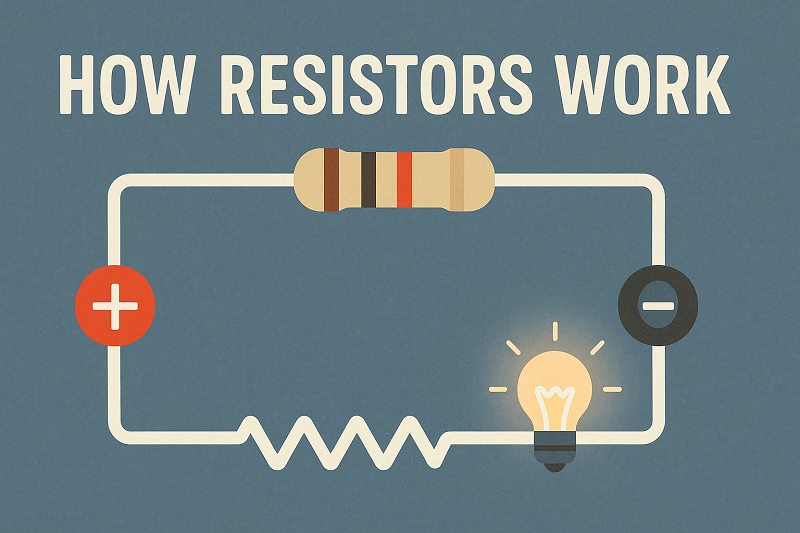
How Resistors Work: From Basic Principles to Advanced Applications2025-07-30
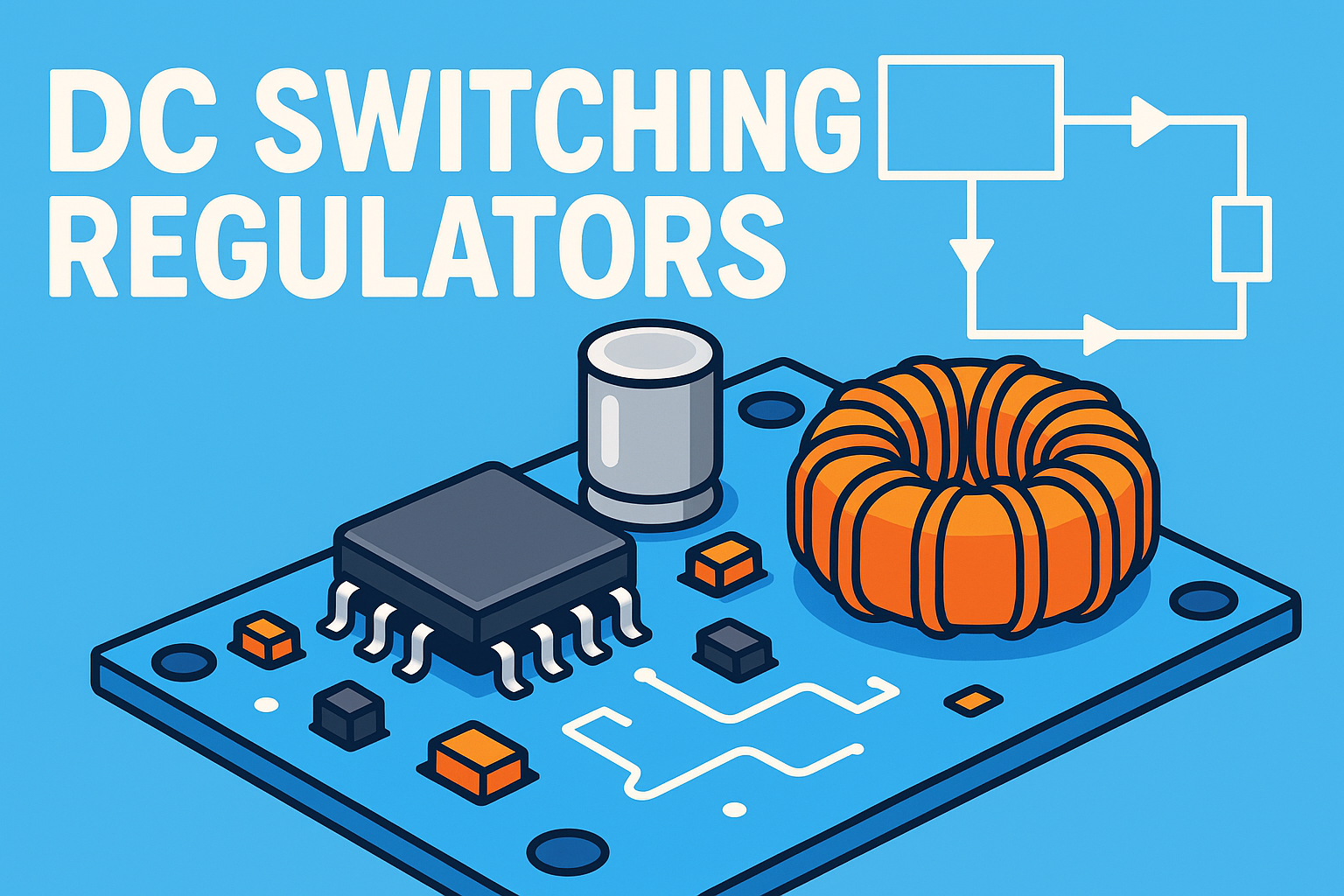
DC Switching Regulators: Principles, Selection, and Applications2025-05-30
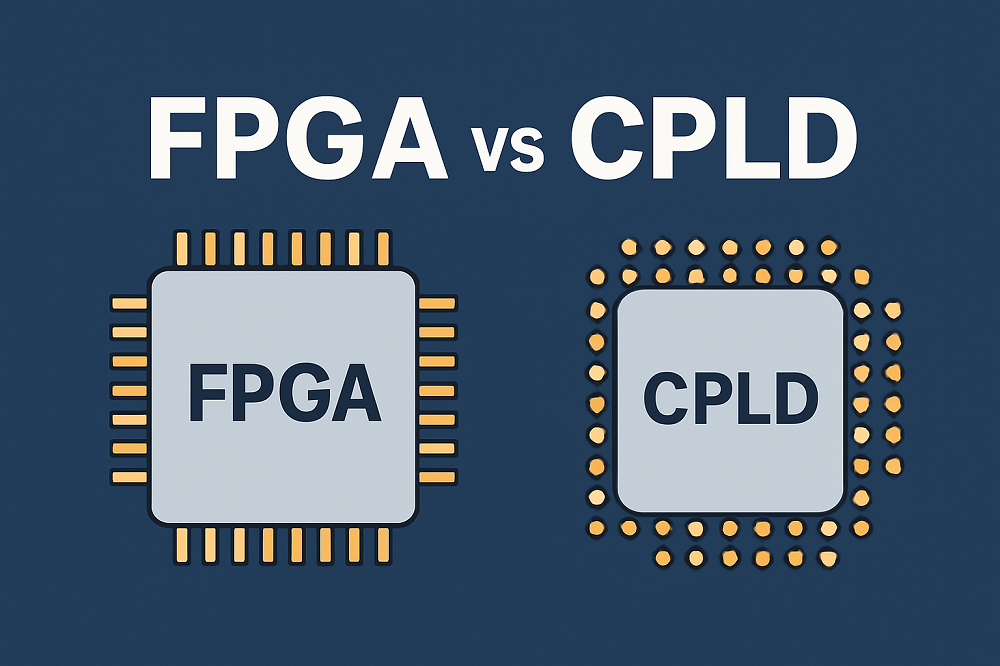
FPGA vs CPLD: In-depth Analysis of Architecture, Performance and Application2025-05-07
MOSFET Technology: Essential Guide to Working Principles & Applications2025-05-04
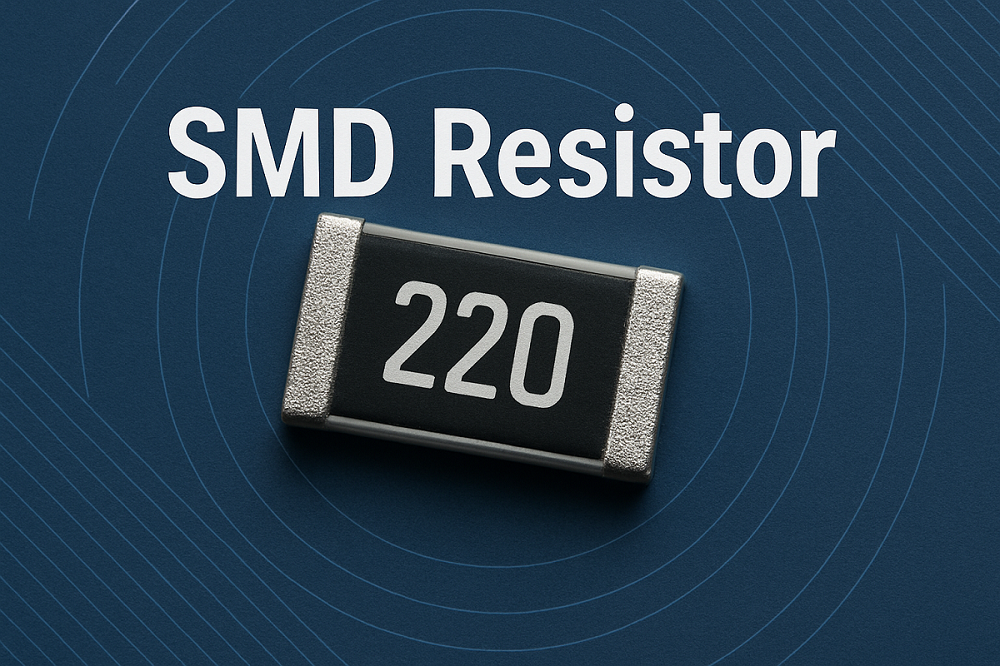
SMD Resistor: Types, Applications, and Selection Guide2025-04-30