technology Related Articles
Stay Ahead with Expert Electronics Insights,
Industry Trends, and Innovative Tips
- Electronic Components
- News Room
- General electronic semiconductor
- Components Guide
- Sort by
- Robots
- Transmitters
- Capacitors
- IC Chips
- PCBs
- Connectors
- Amplifiers
- Memory
- LED
- Diodes
- Transistors
- Battery
- Oscillators
- Resistors
- Transceiver
- RFID
- FPGA
- Mosfets
- Sensor
- Motors, Solenoids, Driver Boards/Modules
- Relays
- Optoelectronics
- Power
- Transformer
- Fuse
- Thyristor
- potentiometer
- Development Boards
- RF/IF
- Semiconductor Information
- Sensors
- PCB
- transistor
IntroductionIn the modern landscape of technology, precise and reliable measurement is not just an advantage—it's a necessity. Pressure transducers, or pressure sensors, lie at the heart of countless applications, from automotive systems to industrial automation, and even consumer electronics. They quietly and efficiently convert physical pressure into readable signals, acting as the bridge between mechanical force and digital data. If you're curious about how these essential components function or which type best suits your project, you're in the right place. In this comprehensive guide, we'll delve into what pressure transducers are, the different types available, and how to select and utilize them effectively. This article will also provide insights into practical considerations, key specifications, and how they apply across industries. What Exactly is a Pressure Transducer?A pressure transducer is a device that translates pressure into an electrical signal. This function allows real-time monitoring and adjustment in systems where precise pressure levels are crucial. Pressure transducers are often paired with instruments that interpret the output, providing data for everything from routine monitoring to critical safety alerts. How They WorkThe typical pressure transducer contains a sensing element—often a diaphragm or membrane—that deforms under applied pressure. This mechanical deformation changes an electrical property (such as resistance or capacitance) that is then converted into a standardized electrical output. This signal is either analog or digital, depending on the specific transducer, making it easy for connected systems to interpret and act on the data. The Different Types of Pressure TransducersSelecting the right type of pressure transducer begins with understanding the options available. Here's a breakdown of the most common types, each suited to different scenarios and requirements. Strain Gauge Pressure TransducersThese transducers rely on a strain gauge bonded to a flexible membrane. As pressure deforms the membrane, the strain gauge stretches, causing a change in resistance. They are robust, with a straightforward design that makes them popular for industrial and heavy-duty applications. Capacitive Pressure TransducersUtilizing a capacitor formed between a diaphragm and a fixed plate, capacitive transducers are especially sensitive and ideal for low-pressure applications. Their precision makes them well-suited for environments requiring subtle pressure changes, such as in medical devices or scientific instruments. Piezoelectric Pressure TransducersPiezoelectric transducers use crystals that generate a small electric charge when stressed. This type is excellent for dynamic pressure measurements, making it a favorite for high-speed applications like monitoring combustion in engines. Optical Pressure TransducersIn optical transducers, light reflects off a diaphragm within the sensor, and pressure changes are detected through shifts in light patterns. These are non-conductive and highly accurate, ideal for applications in harsh or high-temperature environments where electrical interference is a concern. Each type of transducer has its strengths and limitations, so understanding the specific needs of your application is key to choosing the right one. Key Specifications of Pressure TransducersFor a pressure transducer to perform as intended, its specifications must align closely with your project's demands. Below are some of the most important specs to keep in mind: Pressure RangeDefines the minimum and maximum pressures that the transducer can accurately measure. Selecting a sensor that can handle the expected pressure range, with some margin for unexpected spikes, ensures reliable operation. AccuracyA critical specification, accuracy refers to how close the sensor's output is to the true pressure value. Industrial applications often require higher accuracy than consumer-grade applications. Response TimeMeasures how quickly the transducer responds to changes in pressure. Applications with rapid fluctuations, such as automotive or aerospace, need transducers with low response times to ensure accurate real-time measurements. Temperature SensitivitySince temperature fluctuations can affect accuracy, choosing a pressure transducer with a minimal temperature coefficient is essential, especially in environments where temperatures vary widely. Output TypeAnalog transducers generate a continuous signal that corresponds to the pressure level, while digital transducers output discrete values. Analog is often simpler to process, while digital can be advantageous for applications requiring noise immunity or interfacing with digital systems. By evaluating these specifications, you can better match a transducer to the unique needs of your system, avoiding performance issues and enhancing reliability. Real-World Applications of Pressure TransducersPressure transducers find applications in virtually every industry. Here's a look at some of the more prevalent and interesting use cases: Automotive IndustryIn cars, pressure transducers monitor tire pressure, engine oil pressure, and exhaust gas recirculation. These sensors enhance vehicle safety and optimize performance by adjusting systems based on real-time data. Medical DevicesPressure transducers are vital in equipment like ventilators, infusion pumps, and blood pressure monitors. These sensors help maintain precise control over pressure levels, which is crucial for patient safety. Industrial AutomationIn automated manufacturing, pressure sensors monitor pneumatic and hydraulic systems to ensure processes operate within safe pressure ranges. They also play a key role in leak detection and process control systems. Aerospace and DefensePressure transducers in aerospace applications monitor cabin air pressure, fuel systems, and hydraulic systems to ensure safety and optimal performance under extreme conditions. Consumer ElectronicsEven your smartphone may contain a pressure sensor to estimate altitude, improve GPS accuracy, and measure atmospheric pressure for weather-related applications. The versatility of pressure transducers is a testament to their reliability and adaptability in meeting diverse industry requirements. Selecting the Right Pressure Transducer for Your ApplicationChoosing the best pressure transducer involves more than just looking at specifications—it requires a comprehensive assessment of the environment, application needs, and expected performance. Environmental FactorsConsider the conditions the transducer will be exposed to. Will it face high temperatures, dust, moisture, or corrosive substances? For instance, if a sensor will be used in a chemical processing plant, selecting a model with a corrosion-resistant housing is crucial. Required Sensitivity and PrecisionIf the application involves low-pressure measurements or requires high accuracy (such as in laboratory settings), capacitive or optical transducers might be preferable due to their sensitivity and precision. Cost vs. PerformanceStriking a balance between cost and performance can be challenging. While industrial-grade sensors offer excellent durability and precision, they may be unnecessary for consumer-grade applications, where affordability and moderate accuracy suffice. Integration NeedsDepending on the larger system, you may need a transducer that offers specific electrical interfaces, such as analog output, 4-20 mA current loops, or digital communication protocols like I2C or SPI. Ensuring compatibility reduces integration complexity and cost. Technical Insights into Pressure Transducer Theory and DesignFor those interested in the technical underpinnings, let's dive into some core theory and design principles. Strain Gauge BasicsIn strain gauge pressure transducers, a thin metallic gauge is bonded to a flexible diaphragm. The resistance of the gauge changes as pressure deforms the diaphragm, and this resistance shift is converted into an electrical output. Capacitive DesignCapacitive pressure transducers use a pair of metal plates (one movable) to form a capacitor. Changes in pressure alter the spacing between the plates, which, in turn, changes the capacitance. This change is interpreted as a pressure measurement. Piezoelectric PhenomenonIn piezoelectric transducers, pressure deforms a crystal, generating a small voltage proportional to the force. This unique characteristic allows them to measure rapidly changing pressures and is particularly useful in dynamic environments. These principles form the basis of transducer design and offer a deeper understanding of how these devices operate in real-world applications. Practical Tips for Using and Maintaining Pressure TransducersTo get the most out of your pressure transducers, consider these practical tips: Regular CalibrationOver time, transducers may drift from their original calibration due to environmental factors or wear. Periodic calibration ensures ongoing accuracy and reliable measurements. Protection from Extreme ConditionsEven ruggedized sensors can be susceptible to harsh conditions. Protect transducers from extreme temperatures, dust, moisture, or physical impacts to extend their lifespan and prevent damage. Proper MountingMisalignment or improper mounting can introduce errors in measurement. Carefully follow mounting guidelines to ensure accuracy, especially in dynamic or high-vibration environments. Monitor for Signal DriftIn critical applications, any deviation in the sensor's output can indicate a problem. Regularly check readings for signs of drift, and address any issues immediately to maintain reliability. ConclusionPressure transducers are indispensable tools in the measurement and control landscape. Understanding their types, specifications, and practical considerations can make all the difference in ensuring your systems operate safely and efficiently. From automotive and aerospace to consumer electronics, these sensors enable the accurate measurement and monitoring necessary for reliable performance. By selecting the right type of pressure transducer, considering key environmental and integration factors, and adhering to maintenance best practices, you can harness their full potential in your projects.
Allen On 2024-11-06
Overview of Power Distribution Switches Power switches act like traffic cops for electricity, directing it where to go in electrical gadgets and buildings. They come in many shapes, such as buttons and levers, and help devices like computers and air conditioners work right by managing power. Types of Power SwitchesElectrical systems need big switches to control and protect them. These switches come in many types, each with special features for specific use cases. Here’s a rundown of the main ones you’ll encounter:eFuses and hot swap controllers: These are the superheroes of your circuits, protecting against too much current that can be disastrous. They can disconnect the power before damage occurs.High-side switches: These are the gatekeepers. They sit between the power supply and your device, making sure only the right amount of power gets through. So everything runs smoothly without hiccups.Load switches: Simple and effective, these are the go-to for turning circuits on or off with ease. They’re like light switches for your devices but way smarter, with features like controlled turn-on times.Solid-state relays (SSRs): Ever wish for a switch that’s silent and lasts longer? SSRs are your answer. They use semiconductors instead of moving parts, so they’re quiet workers that don’t wear out fast.USB power switches and charging port controllers: In today’s world, USB ports are everywhere—phones, laptops, even cars! These specialized switches manage how much juice goes into charging devices through USB ports. They keep your gadgets safe while they power up.Fixed current-limited switches make sure a device doesn’t get more power than it can handle.Precision adjustable-limit switches let you fine-tune the power flow for perfect performance.Switches with boost converters give devices a quick energy boost when needed.Those with LDO regulators keep the power smooth and stable, so your devices run reliably.Understanding these different types helps you see how essential they are in keeping electrical systems safe and efficient whether it's in industrial machines or your home gadgets. Applications in Power ManagementPower management is key to keeping our factories, homes and cars running smoothly. With power distribution switches, systems like HEV/EV battery management and building automation become more reliable and manageable.These switches direct power where it’s needed without wasting energy. Imagine walking into a smart home where lights turn on as you enter each room or an electric car that manages its battery life to give you extra miles; that’s the magic of power management.From my own experience of working on grid infrastructure projects I have seen how important these switches are. They ensure every machine in a factory runs smoothly without overloading the system.Think of them as traffic cops for electricity, directing it at intersections within an electrical grid to prevent jams (overloads) and accidents (outages). By integrating microcontrollers and IoT (Internet of Things) we can now monitor energy use in real-time and make smarter decisions about power management in everything from industrial automation to our living rooms. Key Features of Power Distribution SwitchesPower distribution switches keep our gadgets safe and working right. They come packed with safety nets like circuit safeguards and ways to manage sudden power jumps, making sure nothing goes up in smoke.Integrated Circuit ProtectionIntegrated circuit protection involves keeping circuits safe from things like too much heat, a sudden surge of power, or a wrong connection. Imagine you're plugging in a device and accidentally put the wires the wrong way.Without features like reverse polarity protection, your device might be toast. But thanks to smart tech, these mistakes don't mean disaster anymore. Cars and factory machines use this kind of protection big time.They come with systems that can sense something's off before any real trouble starts.In my own workshop adventures, I've seen how crucial thermal shutdown is firsthand. There was this one project involving an LED setup for home lighting – pretty straightforward stuff until the LEDs started heating up more than they should have.The system we used had thermal management built-in, so instead of causing damage or a fire hazard, it simply shut down safely to cool off before letting us try again. This made me appreciate how vital features like short-circuit protection and thermal shutdown are in keeping both our gadgets and us out of hot water. Inrush Current ControlInrush current control stops that big initial surge of electricity when you power up devices. Think about it like stopping a rush of people through a door; too many at once, and things can get messy.Products like TPS22992 and TPS2597 are champs in this area. They carefully manage how electricity comes in, avoiding damage to circuits. This tech is like having a smart bouncer for electricity, letting it in smoothly without the chaos.These products shine in systems needing precise power management, from factory automation to battery packs in electric cars. The TPS22992 makes sure electrical flow rises just right, preventing harm to delicate parts inside gadgets.On the flip side, TPS2597 acts as an eFuse—think of it as a reusable safety fuse—that watches over current levels and steps in during spikes to keep everything running smoothly.These tools make devices safer and more reliable by controlling that initial burst of energy, just like catching a heavy door before it slams shut. New Technologies in Power Distribution SwitchesPower switches are getting smart. They think and save energy like never before. They’re super helpers in our electrical world. Smart Switch TechnologySmart switch technology is like having a super smart assistant for your power systems. Switches like TPS1213-Q1 and TPSI3100-Q1 can intelligently control the flow of electricity.They can adjust the amount of current they allow through, perfect for vehicles and other high-end gear. Imagine a switch that knows exactly how much energy is needed without any indication.These smart switches are clever and tough. Take the TPS1HTC100-Q1 for example, it can handle various power requirements and for under a dollar in volume.That means more reliability for your gadgets at lower cost. With inrush current control and circuit protection in tiny chips, these switches ensure your devices run smoothly and safely. Energy Efficient Switch DesignsPower management is being redefined with energy efficient switch designs like the TPS22916 load switch. Imagine your devices losing only 10nA current when turned off.This isn’t just theory, it’s real. These clever switches prevent energy waste when devices are in standby.Space saving solutions as small as 1 mm² fit in tight spaces in building automation systems and other applications where efficiency without bulk is required. I’ve personally used these switches and seen the impact they have in their tiny packages—size doesn’t win this power consumption battle.Their impact is huge, from lighting up LEDs to making our smart homes work, proving that efficiency and effectiveness isn’t just about size. Applications of Power Distribution SwitchesPower distribution switches illuminate our world in ways we don’t always see. From controlling machines to keeping homes warm and bright, they are behind the scenes heroes. Industrial AutomationIn factories and production lines power distribution switches are key. They manage the flow of electricity to machines that build cars, pack food and weld metal. These switches need to be tough.They get high temperatures, dust and constant use. The TPS274C65 is a star here. It’s like a smart guard that watches over the electric current going to different parts of a factory.This chip has safety features. It prevents electricity from flowing back which can damage machines. Also it prevents harm if wires are connected the wrong way around.In industrial automation keeping things running smoothly means using tools like PCBs (printed circuit boards) and CMOS (complementary metal-oxide-semiconductors). These control robots and conveyor belts precisely without wasting power or time. Residential and Commercial BuildingsWithin residential and commercial buildings, the sustainment of lights and smooth operation of devices relies on high-quality electrical distribution switches. These small champions control the distribution of electricity to avert disruptions and safeguard appliances.They take the form of circuit breakers and plugs, easily integrating into walls or discreetly hidden in larger structures. The TPS2117 efficiently powers home entertainment systems, guaranteeing your movie night proceeds flawlessly.Power over Ethernet (PoE) is revolutionizing smart offices and comfortable homes alike. This technology enables internet cables to provide electrical power to devices such as security cameras and LED lighting, reducing clutter and simplifying installation processes.Emphasizing energy-efficient designs, these configurations not just lower the financial burden, but also contribute towards environmental conservation. From switching on a wall light to powering electric cars in garages, the influence of sophisticated power switches is evident in all our living and working spaces. Electric Vehicle Charging SystemsElectric vehicle charging systems are getting a big boost from power distribution switches. These switches use smart tech to manage energy better and protect against too much electricity rushing in at once.I found out firsthand how important this is when my friend's car charger tripped the circuit at home. It turns out, devices like the TPS2121 and TPS2663 are game-changers. They make sure your car charges smoothly without overloading the system or draining your battery too fast.These systems aren't just about avoiding blackouts at home. They're making electric cars more reliable on the road. Imagine driving across country with no worries about finding a strong, stable charge for your vehicle.That's what these advanced switches offer — peace of mind for drivers and less strain on our power grids. With features like low-quiescent-current load switches, they extend battery life in meters, ensuring you’re always ready to go. Choosing the Right Power Distribution SwitchPicking the perfect power switch is like finding the right key for a lock. You need to match your system's power needs and make sure it can handle the job without breaking a sweat. Considerations for Power CapacityChoosing the right power distribution switch means thinking about how much electricity it can handle. It's like picking a backpack for school – you need one that fits all your books without breaking.The TPS7H2201-SEP eFuse is a tough little device that works with 1.5V to 7V and carries up to 6A of current. It’s built to take on space’s harsh conditions, so you know it's strong.Now, imagine you’re setting up lights and machines in a big factory. You might look at the TPS272C45 industrial high-side switch because it manages up to 36V and 3A while letting you set the current limit.This means it won’t let too much electricity through that could damage your equipment. I learned this the hard way when I overloaded a circuit at home trying to power too many gadgets at once – sparks flew, and my room went dark! So, whether hooking up digital-to-analog converters in an electronics project or making sure your automated assembly line doesn't miss a beat, getting the power capacity right saves lots of trouble down the road. Assessing Reliability and DurabilityAssessing a power switch's reliability and durability requires confirming that it can maintain its performance over time without failure. It is recommended to select switches with solid-state relays due to their superior longevity compared to their electromechanical counterparts.Consider the scenario of a high-voltage battery pack in an electric vehicle; isolated switches and drivers created specifically for these powerhouses ensure precise control and accurate current sensing directly at the pack level.This is akin to a vigilant guardian monitoring your system, prepared to act before any issues occur.Having practical experience here is crucial. For instance, with power distribution switches outfitted with integrated circuits or IGBTs in industrial automation or electric vehicle charging systems, monitoring their performance under high demand provides knowledge about their endurance.Companies like Texas Instruments and Analog Devices Inc are leaders in this field, providing components designed to withstand the most challenging conditions while preserving power efficiency.When you choose components from such reputable manufacturers, you're investing more than just in a piece of hardware; you're ensuring peace of mind knowing your electrical system will hold up even when tested to its extremes. ConclusionPower switches resemble the guardians of electrical networks, maintaining all operations efficiently and securely. They manage power with precision, ensuring its distribution as needed without any issues.Intelligent technology in these switches conserves energy and facilitates ease in settings such as factories, residences, and even during your car's charging process. Selecting the suitable switch is vital—it's entirely about aligning power requirements with durability to ensure continuous operation.Consequently, every time you engage a switch or appreciate uninterrupted electricity, bear in mind there's a significant amount of intelligent design operating unnoticed! FAQs1. What's the big deal about power distribution switches in electrical systems?Power distribution switches are key to any electrical system. They're like the gatekeepers that control power flow, and they come in all sorts of shapes and sizes - from small power switch ICs to large three-phase racks.2. Are there different types of components used in these systems?These systems can have a whole party of components - everything from analog devices like DACs and MCUs to digital ones such as FPGA boards and System-on-Chip solutions. Not forgetting rectifiers, optoisolators, signal transformers, varistors...the list goes on!3. How do cloud computing and IoT fit into this picture?Great question! Cloud platforms like Microsoft Azure or Google Play can be used for monitoring these systems remotely while IoT (Internet of Medical Things) enables smart filtering and wireless charging among powered devices.4. Can I use PayPal to buy these components online?Absolutely! And while you’re at it, don't forget your USB-C cables for connecting some of those fancy breakout boards.5. Is there something called a "battery-management system" involved here too?Yes indeed! A Battery-Management System (BMS) is crucial for maintaining optimal operation conditions within battery-powered devices – kind of like a personal trainer for your batteries!6. Do these switches connect with other hardware items as well?They sure do! You've got circular connectors linking up with ethernet switches, spade connectors attaching wires securely; even cigarette lighter sockets might make an appearance depending on your setup.
Allen On 2024-08-05
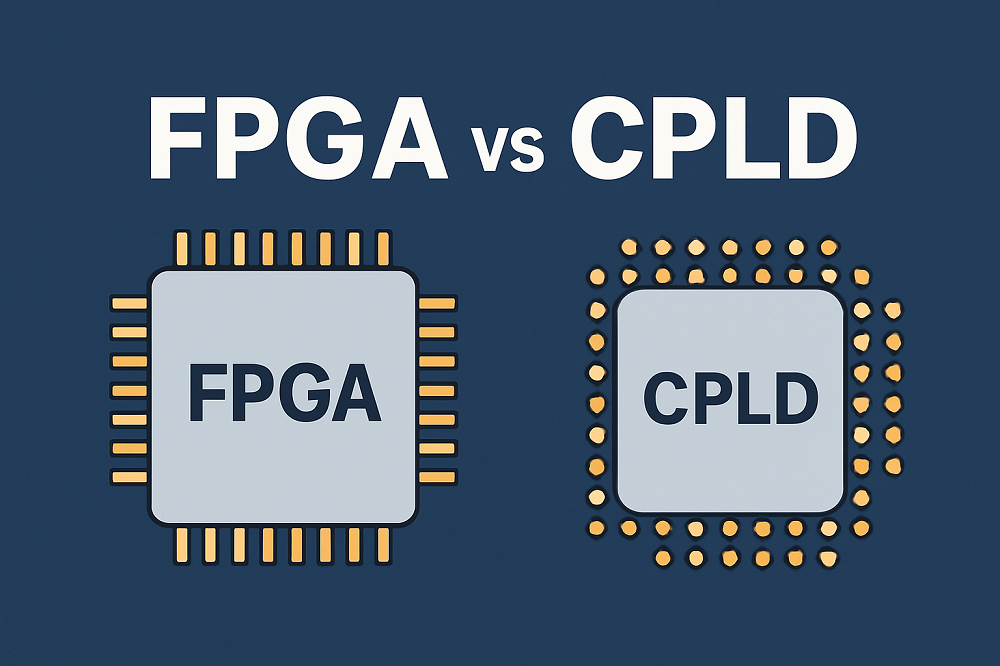
Overview of CPLDs CPLDs, also known as logic devices act as the powerful brains, behind electronic devices. They manage rules and decisions swiftly to enhance technologys intelligence and speed.Definition and Basic FunctionComplex Programmable Logic Devices (CPLDs) focus on enabling medium-sized digital circuits to perform their functions. Consider a container packed with logic gates that are configurable to execute various tasks.Picture a collection of miniature computers that can be educated to handle different responsibilities simultaneously. These devices utilize programmable logic to ensure they execute precisely the functions required by engineers, whether it be regulating an automobile's engine or coordinating signals in a mobile device.From my own experience working with these gadgets, I've learned that simplicity is key. You start with an idea for a circuit and then use hardware description languages (think of them as the instruction manual) to tell the CPLD how to behave.This might involve setting up sequences of operations or deciding which inputs lead to which outputs. It’s fascinating work because it feels like teaching a child basic steps and watching them learn how to perform complex tasks on their own.Key Components of CPLDsCPLDs light up with their logic blocks and macrocells each controlled by /OR arrays. Imagine them as neighborhoods where each building ( block) can be rearranged to meet the citys requirements.These blocks are linked through a system of switches that we can customize, similar, to choosing which streets, in our city should be one way or allow two way traffic. This adaptability enables us to transmit signals through the routes reducing time and energy consumption.In my own tinkering with CPLDs for a small robot project, I marveled at how EEPROMs play the role of memory keepers in these devices. Unlike regular memory that forgets everything once power goes off, EEPROM remembers its programming even after being switched off.This trait is crucial for gadgets that need to wake up and run with no delay because they don't have to be reprogrammed every time they turn on. It's like teaching an old dog new tricks but never having to teach them again. Comparing CPLDs to FPGAsCPLDs and FPGAs might seem like twins in the digital world, but they play very different games. CPLDs are simpler, making them a go-to for small tasks, while FPGas handle complex projects with more muscle.Architecture DifferencesFPGAs and CPLDs may appear similar, at glance. They are quite different in the world of electronics. FPGAs offer logic blocks (CLBs) that function like building blocks you can assemble in ways as you please.These blocks are versatile allowing you to construct designs with memory blocks for data storage and DSPs (Digital Signal Processors) for handling mathematical tasks. It's like having a brain that can tackle heavy lifting.On the hand CPLDs take an approach by using a fixed number of macrocells. Picture these as made Lego sets; while theres less room for customization they often provide just the right fit, for many projects.During my own tinkering adventures, I once tried using an FPGA for a basic project only to realize it was overkill – like driving a semi-truck to pick up groceries! Switching to a CPLD made more sense; its simpler architecture did the job without extra bells and whistles.This experience taught me that understanding these differences isn't just academic – it impacts what lands on your workbench. You get why choosing between them hinges on how complex your circuits need to be or how much speed matters for your specific task.Performance and ComplexityCPLDs shine in the race with their lean power appetite. FPGAs might sprint ahead with muscle and flex, offering more performance and resources, but they also guzzle more juice. Imagine a sports car versus a reliable sedan; one dazzles at high speeds while the other wins on efficiency over long distances.I once worked on a project where every watt mattered. We chose CPLDs for their thriftiness in power consumption, making our embedded system not just smart but also energy-smart.Tackling complexity, CPLDs keep it simple with their straightforward architecture. FPGAs boast of intricate arrangements that can handle vast logic designs and parallel tasks, stretching from field-programmable gate arrays to digital logic circuits.Yet this complexity is not everyone's cup of tea. For many designers like me who juggle timing analysis and hardware description languages, the simplicity of CPLDs makes them our go-to choice for streamlined projects where speed and need meet without causing headaches over tangled configurations or bloated costs.Cost ImplicationsMoney talks, especially in tech. If you're deciding between a CPLD (complex programmable logic device) and its cousins like FPGA (field programmable gate array) or ASIC (application-specific integrated circuit), cost is a big deal.FPGAs often come with more muscle for handling complex tasks but also carry a heavier price tag due to their design flexibility and performance capabilities. On the flip side, CPLDs are your go-to for simpler, less expensive solutions.They work well when you don't need all the bells and whistles but still want something reliable.I once had to choose between using a CPLD or an FPGA for a quick-turnaround project. The clock was ticking, and so was my budget meter. After crunching some numbers, it became clear that leveraging a CPLD's lower cost would let us meet our financial limits without sacrificing quality.This choice saved us thousands and allowed us to allocate funds towards other vital components of our design—like simulation tools Verilog for testing our logic thoroughly before launch.It’s moments like these that show: saving money while maintaining efficiency isn’t just good business; it’s smart engineering. Application Areas for CPLDsCPLDs show off their skills in gadgets we use every day, like phones and TVs. They also help cars talk to each other and keep our internet calls clear and fast.Consumer ElectronicsConsumer electronics like smartphones, game consoles, and TVs rely heavily on CPLDs. These gadgets need to process data quickly and effectively. CPLDs help them do just that by managing tasks in parallel, speeding things up.Thanks to their ability to handle sequential logic and glue logic operations, devices can perform multiple actions at once. This makes your phone or TV smarter and faster.In the design of these electronics, engineers use tools like Verilog, a hardware description language. They also employ simulators to test how the CPLD will behave under different conditions.This way, they make sure your gadget works well and reacts swiftly when you're switching between apps or streaming videos. With CPLDs embedded in consumer electronics, every click leads to instant responses, enhancing your experience with technology daily.Automotive IndustryCars are getting smarter every day. They use CPLDs in their electronics, especially for things like ADAS and self-driving cars. This tech helps cars make quick decisions on the road.In these vehicles, CPLDs play a major role. They process data fast, making sure everything runs smoothly. From controlling your car's speed to ensuring safe lane changes, CPLDs are key players behind the scenes in the automotive world.TelecommunicationsIn telecommunications, CPLDs play a big role. They handle the fast data we send and receive every day. Think about texting a friend or streaming a video. CPLDs help make sure those messages and movies get to us quickly and without errors.I once toured a telecom company and saw these devices in action. It was like seeing the internet's backstage—lots of blinking lights and complex setups, but all smoothly managed by CPLD technology.They also work well with field-programmable gate arrays (FPGAs) to manage networks efficiently. Together, they control how data moves through our phones and computers. This teamwork helps your apps run fast, even if the internet is busy.So next time your video call doesn't lag, you can thank both FPGAs and CPLDs for keeping things speedy! The Role of CPLDs in High-Speed Data ProcessingCPLDs turbo-charge data handling, making gadgets zip through tasks. Discover how these powerhouses speed up our tech world!Advantages in Speed and EfficiencyCPLDs shine with their fast timing for simple logic functions. They make quick decisions, handle data at high speeds, and reduce the need for extra chips on a board. Think of CPLDs as sprinters in a race; they're built for speed over short distances.This trait is invaluable in consumer gadgets where response time can make or break the user experience. By using these devices, designers cut down on system power use, which is essential for battery-powered electronics.From my desk full of gadgets and scribbles, I've seen CPLDs work magic in projects. They process commands swiftly, making them perfect for tasks requiring immediate action like signal processing or managing control systems in cars.These small yet powerful chips ensure that your favorite electronic devices are both fast and efficient with energy use. With tools like Verilog and simulation software, tweaking these tiny powerhouses to achieve optimal performance becomes an enjoyable puzzle to solve. Specific Use Cases in Data HandlingCPLDs shine in data handling by making things faster and using less juice. They're like superheroes, swooping in to take the heavy lifting off a device's main brain. Here’s a scoop on how they rock in the digital world:Managing Traffic: In a busy network, CPLDs act as traffic cops, directing data where it needs to go without causing delays. This keeps videos streaming smoothly and websites loading quickly.Super Quick Decisions: With their ability to handle multiple tasks at once, CPLDs make lightning-fast decisions that help self-driving cars avoid obstacles and drones fly safely.Keeping Secrets Safe: For security, CPLDs are like vaults. They encrypt data making it tough for hackers to crack, protecting everything from your phone calls to your bank account.Power Savers: By taking over smaller tasks, CPLDs allow the main processor to snooze more often, saving power. Phones last longer between charges because of this clever handoff.Heartbeat Monitors: In healthcare gadgets, CPLDs monitor heartbeats and other vital signs in real-time, ensuring doctors get accurate info ASAP.Talking Devices: They allow devices from different areas to speak the same language, whether it's a printer talking to a computer or a thermostat chatting with a smartphone app.7.Eyes and Ears: In security cameras and smart homes, CPLDs process images and sounds super fast, helping these gadgets understand what they see and hear without getting confused.8.Smooth Operators: Electronic brains need updates without hiccups. CPLDs manage these updates seamlessly, making sure your gadget doesn’t skip a beat while learning new tricks.9.Game Changers: For gamers, CPLDs keep lag at bay by processing complex game physics in real-time, ensuring that every explosion looks epic and every race feels speedy.10.Network Ninjas: In big server farms that power the internet, CPLD-equipped machines juggle data packets like hot potatoes, keeping everything from emails to social media posts zipping along without getting stuck.CPLDs spring into action across various fields with their multitasking prowess and energy efficiency, proving indispensable in our increasingly connected world. Design and Development Tools for CPLDsDesigning with CPLDs? You'll need the right tools, like language translators for hardware and test simulators. This toolkit makes creating fast and smart devices a breeze. Excited to learn more? Keep reading!Hardware Description LanguagesCPLDs get their smarts from programming, and that's where hardware description languages (HDLs) like Verilog and VHDL come into play. Think of HDLs as the instruction manuals for CPLDs.They tell the device how to behave, helping it understand complex logic equations and tasks. Using these languages, designers turn ideas into code that can be compiled, simulated, and then loaded onto a CPLD.It's a bit like writing a recipe for your computer to follow.I've used both Verilog and VHDL in my projects, crafting everything from simple light-blinking operations to more intricate signal-processing tasks. Each time, the process begins with an idea or problem needing a solution.Then comes sketching out the logic using these languages—sort of like planning out your chess moves before making them. This isn't just about typing commands; it's about structuring thoughts in a way machines comprehend.Once coded, tools transform this script into something the CPLD can execute—a magic moment where ideas become actions!Simulation and Verification ToolsSimulation and verification tools like ModelSim, Xilinx ISE Simulator, FormalPro, and JasperGold are crucial. They check if the CPLD designs work right before making them real. Imagine them as test runs for video games but for electronic design.These tools see through your code to find mistakes early. This saves time and money.Using these tools feels like having a crystal ball. You get to see the future of your project without guessing. They use hardware description language (HDL) to model how data moves in your design.It's like building with digital LEGO blocks on a computer screen, ensuring everything fits perfectly before you commit. Optimizing CPLD PerformanceTo get the most out of your CPLD, it's like tuning a race car; you focus on timing analysis and smart use of resources. Get ready to boost speed and efficiency with these tricks!Timing Analysis TechniquesTiming analysis helps designers make sure CPLDs and FPGAs work fast and right. Tools like Quartus Prime Timing Analyzer check the clock's timing across the whole chip. They look at how data moves and when signals hit their targets.This makes sure everything works together well without delays.Designers use this info to tweak their designs for better speed and reliability. They might adjust paths or reduce tasks that take too long. This way, embedded systems using CPLDs can handle data quickly and efficiently, making gadgets work smoother.Resource Utilization StrategiesTo get the most out of complex programmable logic devices (CPLDs), it helps to focus on smart strategies. Pipelining is a way to speed things up by organizing tasks in a line, so one starts as soon as the other ends.By balancing logic circuits, we make sure no part of the CPLD works too hard while others slack off. Pushing the clock frequency higher lets us do more tasks faster but demands careful planning to avoid errors.From my experience, sprinkling these techniques across the design makes a huge difference. On an embedded processor project, adjusting the clock's speed just right shaved milliseconds off our processing time – that might not sound like much, but in data transmission and image processing, it’s gold.Using software like Verilog for hardware description and then testing with simulation tools ensured we were on track without wasting resources on dead-end designs. It’s like finding the perfect balance on a seesaw; everything runs smoother when you distribute weight evenly. Future Trends in CPLD TechnologyCPLD technology is sprinting ahead, with new tricks up its sleeve. Expect smarter chips that learn on the fly and play nice with the latest gadgets. Keep reading to stay ahead of the curve!Market ProjectionsThe market for field programmable gate arrays (FPGAs) is on a fast track, expected to hit USD 12.5 billion by 2025. This growth isn't slowing anytime soon with a steady climb at a rate of 9.7% from now until then.It's clear that the demand for these integrated circuits, which include complex programmable logic devices (CPLDs), is skyrocketing across various sectors like computer vision and network functions virtualization.These projections show us that industries are banking more on technologies like FPGAs and CPLDs to power their innovations, especially in high-speed data processing tasks. With such crucial roles in computing languages, software development platforms, and even open computing language applications, it's evident that both today’s developers and tomorrow's innovations will lean heavily on these adaptable circuits.Innovations on the HorizonFuture trends in CPLD technology point to a world where combining complex programmable logic devices with microprocessors and ASICs becomes the norm. This blend creates more efficient solutions, perfect for tackling tasks that demand high-speed data crunching without breaking a sweat.Imagine having the power of both brains and brawn at your fingertips – this is what's coming.People who design those tiny yet powerful chips are already experimenting with ways to make them faster, smarter, and cheaper. By using tools like Verilog for hardware description and leveraging simulation technologies, these innovators ensure gadgets get smarter by the day.They're not just thinking about today; they're crafting the future of technology piece by piece, aiming for leaps in areas such as multi-access edge computing and software-defined networking that could change how we interact with devices around us.It's like giving steroids to an already fast runner, making sure they stay ahead of the pack by miles, not just steps. Choosing the Right CPLD for Your ProjectPicking the best CPLD for your project might feel like finding a needle in a haystack. You need to eye factors like speed, cost, and what tasks you want it to handle. Say you're working on a fast video game console or a smart car system.You'll favor CPLDs that juggle tasks quickly without breaking the bank. Deciding between CPLDs and their cousins, FPGAs, comes down to your project's size and how complex its brain needs to be.Don't forget about tools like Verilog or VHDL for crafting your designs. These programming languages are just the ticket for telling your CPLD how to behave — think of them as teaching an old dog new tricks! Simulation tools also step into the arena, letting you test drive your design before making anything real.In short: hunting down the perfect CPLD is all about matching its features with what you dream up in your head. Ready to play matchmaker? Let's get started! Factors to ConsiderChoosing the right CPLD for your project can feel like a maze. With various factors at play, making an informed choice ensures your project runs smoothly without unnecessary hiccups. Here's what to keep in mind:Complexity of Your Project: Consider how complex your design needs to be. CPLDs, with fewer logic blocks, work well for simpler designs. If your project involves more intricate operations, like those found in GPUs or advanced telecommunications protocols, you might need to think again.Performance Needs: High-speed data processing demands devices that can keep up. CPLDs excel in executing simple tasks quickly thanks to their architecture that supports parallelism, making them ideal for applications needing swift responses, such as interrupt handling in automotive systems.Time-to-Market: If you're racing against the clock, CPLDs could be your best bet. They typically require less development time compared to FPGAs or ASICs owing to their simplicity and pre-built logic structures.Power Consumption: For battery-operated devices where power is precious, the low power usage of CPLDs makes them stand out. Their static nature means they consume less power than FPGAs, extending the life of portable electronics.Design Flexibility: Need room for last-minute changes? CPLDs offer flexibility because they're reprogrammable devices. This feature allows you to tweak your design without starting from scratch.Cost Concerns: Budget always matters. Generally speaking, CPLDs cost less than FPGAs or ASICs both in terms of initial investment and during the product lifecycle due to lower power consumption and development costs.Size Restrictions: Sometimes size does matter! In projects where board space is limited, like wearable technology or small consumer gadgets, the compact footprint of a CPLD can be a deciding factor.Development Tools Availability: Access to powerful development environments such as Visual Studio or hardware description languages including C/C++ plays a crucial role in programming efficiency and ease.Future Scalability: Thinking ahead pays off. Consider whether your project might need more functionality down the line requiring more logic blocks or faster performance that only bigger or more advanced CPLDs can provide.10 Software Compatibility: Ensure that the operating system and other software layers your project relies on mesh well with the CPLD you choose to avoid compatibility nightmares later on.Each point directs you to a clearer decision-making path ensuring that whatever choice you make aligns perfectly with both current needs and future aspirations of your high-speed data processing projects. When to Opt for a CPLD Over an FPGAChoosing a CPLD instead of an FPGA makes sense for projects needing fast timing and straightforward logic operations. In my work, I've found that CPLDs shine in managing tasks like bus interfacing, bringing different parts of a system to talk smoothly with one another, or gluing various components together so they play nice.For setups where the focus is on speed rather than complexity—think quick decision-making over intricate data processing—CPLDs are your go-to.Take power management as an example. In a scenario where you need precise control over how and when power flows through your device's circuits, a CPLD can handle those demands efficiently due to its simple yet powerful setup.It executes actions quickly, making it ideal for applications where response time is critical but the overall system design doesn't call for the high levels of flexibility FPGAs offer.In essence, if your project has clear-cut needs without requiring extensive programmable resources, leaning towards a CPLD could save both time and money while delivering reliable performance. Common Questions About CPLDsGot burning questions about CPLDs? You're not alone! People often wonder how they stack up against FPGAs in power munching or if they're the right pick for their next big project. It's time to clear the air and get those answers.Keep reading, and let's crack this nut together!Differences in Power Consumption Between CPLDs and FPGAsCPLDs are like sprinters, quick and efficient for short distances, thanks to their simple structure. They use less juice than FPGAs because they're smaller and not as complex. Imagine a light bulb versus a spotlight; CPLDs are the light bulbs.Their power needs stay steady, making them reliable for tasks that need speed without draining energy.FPGAs, on the other hand, are more like marathon runners with extra gear strapped on. They pack more punch but also suck up more power due to their beefy architecture and flexibility in handling intricate designs.The catch? How much energy they gulp down can swing wildly based on how busy they get or how you've set them up – from the clock ticks to the logic gates buzzing inside. So if your project is like planning a city's electric grid versus lighting up a single street, FPGAs might be drawing more from your power plant.Suitability of CPLDs for Specific ApplicationsComplex programmable logic devices shine in control systems, automotive electronics, and industrial automation. Their lower power usage makes gadgets last longer before needing a recharge.For quick decisions in cars or machines, they're top-notch because of their simple design that works fast.Using them in projects means you can change parts without starting over—just update the software. I tried this on an automation project; tweaking was a breeze with just some clicks instead of soldering new circuits all day.They fit best where speed and flexibility count but without breaking the bank or using too much juice. ConclusionCPLDs are like the hidden wizards of gadgets, making everything work faster and smarter. They're not as famous as their cousin FPGAs, but they sure pack a punch in data processing speed.With tools like Verilog and cool innovations on the rise, picking the right CPLD could be your golden ticket in tech projects. So next time you’re up for some high-speed tech action, think CPLDs – small but mighty! FAQs1. What's a CPLD, and why should I care?Imagine a tiny box that can do magic tricks with data faster than you can blink. That's a CPLD (Complex Programmable Logic Device) for you! It’s like the brain behind making gadgets work quicker and smarter without taking coffee breaks.2. How does this CPLD thingy speed up my devices?CPLDs are like super-efficient office workers who organize data, make decisions on where it goes next, and don't waste time. They use flip-flops (no, not the sandals), Boolean logic (a way of using true/false to solve problems), and other smart tools to process information at lightning speed.3. Can CPLDs learn new tricks?Absolutely! Unlike your old dog, these chips can learn new skills through something called programming. You can teach them new ways to handle data or even play nice with other tech inside your gadgets.4. Are there different kinds of memory in these devices?Yes siree! Think of it as having different types of notebooks for various tasks - some you can erase (erasable programmable read-only memory), some you can rewrite over many times (electrically erasable programmable read-only memory), and some are just for reading what’s written down by someone else (read-only memory).5. Do I need to be a rocket scientist to work with CPLDs?Not at all! While it sounds complex, diving into the world of hardware design with things like state machines and sequential logic circuits is more about curiosity and less about having a PhD in rocket science.6.Could these gizmos get along with my computer stuff?You bet! CPLDs love playing nice with virtual machines, software defined networking, and even fancy graphics stuff like Vulkan or CUDA. They're pretty sociable in the tech world.
Allen On 2024-06-21
Overview of Tantalum Capacitors Tantalum capacitors are able to store charge and release it upon demand in electronic circuits. They have high capacitance values and are reliable for a long time. Types of Tantalum CapacitorsTantalum capacitors are needed in many electronic devices or gadgets. They come in a variety of styles, each with unique features.Ordinary Tantalum CapacitorMakes up about 90% of the market.Known for stability and reliability.Used in power supplies and consumer electronics.High Polymer Tantalum CapacitorOffers higher capacitance values.Lower equivalent series resistance (ESR).Ideal for computer motherboards and smartphones.Solid Tantalum CapacitorContains a solid electrolyte.Performs well under high stress.It is common in military operations and space programs.Tantalum Capacitors With a Wet ElectrolyteFilled with a conductive liquid electrolyte.Can handle high ripple currents.Used in industrial machinery and medical devices.Surface-Mount Tantalum Capacitors (SMD)Compact size for circuit boards.Easy to solder onto printed circuit boards.Widely used in telecommunications equipment.Tantalum Polymer CapacitorsTantalum combines pentoxide with a conducting polymer.High surge current tolerance.Suitable for automotive industry and electric vehicles.Each type meets the specific requirements of various industries such as healthcare, consumer electronics, and defence. Key Features and BenefitsTantalum capacitors boast a high capacitance volume ratio on account of a thin insulating layer. This allows them to capture enormous amounts of energy while occupying very little space, which is particularly interesting in smaller gadgets.They provide low equivalent series resistance (ESR), reduce system losses, and improve performance. Furthermore, these capacitors exhibit stability over a wide range of temperatures and frequencies, ensuring consistent operation in a variety of environments.With excellent vibration resistance, tantalum capacitors enhance the reliability of systems facing mechanical stresses. They provide long-lasting reliability and high rates of efficiency, which are important for complex applications such as SMPS or automotive industries.Their design also provides protection against breakdown voltage issues and ensures low leakage current, further improving overall functionality and durability when used alongside aluminum electrolytic capacitors or multilayer ceramic capacitors (MLCCs). Applications of Tantalum Capacitors These capacitors power gadgets you use every day, like smartphones and laptops. They also keep your car running smoothly with better battery life and energy storage. Consumer ElectronicsTantalum capacitors power many of your favorite gadgets. You find them in mobile phones, SSDs, and servers for their high capacitance and small size. They help improve battery life by storing energy efficiently.These capacitors handle inrush current like champs. When you switch on a device, they manage the initial surge without breaking a sweat. Solid tantalum capacitors are popular because they last long and perform well under stress. Automotive IndustryCars and trucks rely heavily on tantalum capacitors. These small components ensure that electronic systems like GPS, infotainment, and engine control modules work efficiently. They handle high temperatures well, making them perfect for automotive environments.These capacitors also support energy harvesting technologies in electric vehicles. Regenerative braking systems depend on them to store harvested energy swiftly. Their compact size helps maximize space under the hood while providing stable performance over various voltages and temperatures. Industrial MachineryIndustrial machinery relies on tantalum capacitors for their reliable performance. These capacitors work well in harsh surroundings, handling high temperatures and vibrations without failing.This makes them vital in factories where machines run non-stop.Using TA capacitors helps keep the power supply stable. They also reduce ripple voltage which can harm delicate parts of a machine. The durable nature of these components ensures longer mean times between failures (MTBF), minimizing downtime for repairs or replacements.Thus, businesses save money and boost productivity by using tantalum electrolytic capacitors in their industrial setups. TelecommunicationsTantalum capacitors are crucial in telecommunications. They stabilize power and filter signals, making cell phones and base stations reliable. Tantalum capacitors offer high energy efficiency and perform well in challenging environments with varying temperatures.Telecom devices demand components that last long. Tantalum capacitors boast impressive mean time between failures (MTBF). This reliability ensures clear calls and smooth data transfer, even in harsh conditions.Their small size fits into compact telecom gadgets without sacrificing performance or durability. Aerospace and DefenseAerospace and defense sectors rely heavily on tantalum capacitors. They provide high reliability in critical systems like radar, avionics, and space equipment. These polarized capacitors handle harsh environments and offer stability under high temperatures.Their low leakage current makes them ideal for extended missions, ensuring consistent performance. As new technologies emerge in "new space" ventures, the demand for these power capacitors grows.They support modern innovations with their efficient energy storage capabilities, playing a key role in advancements across aerospace projects. Future Prospects of Tantalum CapacitorsTechnology is moving fast, with tantalum capacitors set to get even better. Companies are finding new ways to make them smaller and stronger while keeping costs low.Technological AdvancementsNano-scale storage is a game-changer. It allows capacitors to store more energy in tiny spaces. Tantalum thin film capacitors promise greater efficiency and durability. Engineers are also working on high voltage, high energy storage solutions.These innovations aim to make tantalum capacitors smaller but mightier.3D PCB printing of capacitors opens new doors too. Imagine designing circuit boards with built-in, efficient power systems using these printed components! Module-based solutions support both low-energy and high-energy applications now better than ever before.This means future electronics can be even more compact and powerful without sacrificing performance or space. Market Growth TrendsThe global market for tantalum capacitors is forecasted to hit USD 3256.7 million by 2032, showing a CAGR of 5.9%. This growth comes thanks to rising demand across various sectors such as consumer electronics and automotive industries.Technological advancements in fields like system-on-chip (SoC) also play a big role. Regions are expanding their markets, leading to more opportunities worldwide. The future looks bright with potential new applications emerging daily! Regional Market ExpansionsAsia-Pacific holds the largest market for tantalum capacitors. It commands about 60% of the global share. Key countries in this region include China, Japan, and South Korea. These nations lead in consumer electronics production, driving strong demand.North America and Europe follow closely behind. Together, they account for around 35% of the market. The United States is a major player here alongside Germany and France from Europe.Both regions benefit from advancements in automotive tech and industrial machinery. Potential New ApplicationsTantalum capacitors could soon shine in high-speed data communication. Devices like SSDs and enterprise SSDs demand reliable performance and stability, which tantalum capacitors provide.These tiny powerhouses might also find a home in servers, industrial machinery, or even embedded PCs where dependability is crucial.In telecom and networking, tantalum capacitors offer low voltage operation with impressive reliability. Imagine your phone call staying clear or your internet connection holding strong because of this silent hero inside the equipment.In aerospace and defense applications, their ability to handle harsh conditions makes them invaluable for critical missions and tools. Challenges in Tantalum Capacitor MarketSupply chain issues can make it hard to get the materials needed for tantalum capacitors.Supply Chain IssuesSupply chain issues often plague the tantalum capacitors market. MLCC capacitors face a supply shortage, making it tougher for manufacturers to meet demand. The COVID-19 pandemic and the Russia-Ukraine war have further strained the already tight supply chain.Disruptions in raw material sourcing affect production rates. For example, mining operations can come to a standstill due to geopolitical tensions or health crises. This delay trickles down from suppliers to manufacturers and eventually impacts consumers waiting for products like consumer electronics or industrial machinery that rely on these components. Competition from Alternative TechnologiesMLCC class II ceramic capacitors and hybrid polymer aluminum capacitors give tantalum capacitors a run for their money. These alternatives can often replace tantalum, taking up 15-20% of its functional areas.These newer technologies often offer benefits like lower cost or better performance in certain aspects, making them attractive choices. Tantalum faces pressure to innovate and prove its value over these competitors. ConclusionTantalum capacitors pack a punch in many industries. They are crucial for gadgets like phones and cars. Expect new tech and bigger markets to drive their future growth. Challenges, like supply issues, need tackling but the potential is huge.Keep an eye on tantalum capacitors—they're here to stay! FAQs1. What are tantalum capacitors used for?Tantalum capacitors are used in electronics to store electrical energy. They help in applications like switching power supplies, dc-dc converters, and filtering low-voltage signals.2. How do tantalum capacitors compare to aluminum electrolytic capacitors?Tantalum capacitors have lower leakage currents and better stability over time compared to aluminum electrolytic capacitors. They also offer higher capacitance per volume.3. Can tantalum capacitors handle high-frequency signals?Yes, they can handle high-frequency signals due to their low inductive reactance and stray capacitance properties. This makes them ideal for use in circuits that need fast response times.4. Are there any risks associated with using tantalum capacitors?They can be sensitive to reverse voltage and surge currents like inrush currents which might cause failure or damage if not properly managed with series resistors or parallel configurations.5. What is the future outlook for tantalum capacitor technology?The future looks promising with a growing CAGR (compound annual growth rate) as demand increases for more efficient electronic components in various industries including telecommunications and automotive sectors.6. How do you test a tantalum capacitor's performance?You can use tools like multimeters to measure its capacitance, impedance, dissipation factor, and dielectric absorption rates ensuring it meets desired specifications before integrating into your circuit design.
kynix On 2024-05-24
IntroductionIn the world of electrical safety and circuit protection, PCT resettable fuses have gained attention as the primary support for a complete set of safety features that protect electronic devices from the damages caused by overcurrent and short circuit conditions. Innovative self-repairing devices that caused a stir in the market and became the trend in consumer electronics and auto driving are among the examples of such applications. This guide covers PTC resettable fuses from A to Z, explaining their derivate purpose, capabilities, areas of application, and physical characteristics, aiding with knowledge on the subject by professionals and hobbyists. Positive Temperature Coefficient (PTC) Resettable FusesThe Positive Temperature Coefficient (PTC) fuse is a resettable fuse for overcurrent fault protection that instantly resets after a fault condition occurs and is cleared. In contrast to a standard fuse that will be discarded after being used to break a circuit, the PTC fuse is in the normal state and can be used again. The electric fuse unites this specific property into its unique performance principle. This PTC thermistor means that the more heat the fuse is exposed to, the higher its resistance, and so does the capacity of the current flow limit in the case of an overcurrent. Types of Resettable FusesThere are two main types of resettable fuses: such as radial and surface mount leads. Each type has its unique characteristics and applications:Radial Leaded: These PTC parts are recommended for a hole drilled through which they are installed on a printed circuit board (PCB). They are found in the power supplies, chargers, and a lot of electronics products.Surface Mount: Surface mount resettable fuses are built for automatic assembly on the printed circuit board (PCB) through surface mount technology (SMT). They are small in size and can provide maximum current condition. The surface mount PTC units are commonly seen in high-density electronic applications, like smartphones and tablets. How Positive Temperature Coefficient (PTC) Resettable Fuses WorkThe core operation principle of a PTC fuse is based on the PTC thermistor material, consisting of a polymer or ceramic blend. In a normal state of operation, the fuse is characterized by low resistance in a way that will not interrupt the passing of current through the circuit. However, in case of an overcurrent or short circuit, the thermistor's resistance suddenly increases due to the generated heat. This rise of the resistance is sufficient to reduce the currents to safe levels so that this activity will not harm circuitry devices. Undoing the fault, the machine gets a hold, and thus, the resistance falls back to a level position, most probably allowing the normal flow of current to pass. What are the Specifications of a Resettable Fuse? Holding Current:the most amount of electricity flow the non-resettable fuse can handle and operating modes – from a low resistance state (during regular operation) to a high resistance state (after the maximum current has caused it to trip). The purpose of a fuse is that it holds a current higher than the maximum amount of electricity in a circuit, so it doesn’t trip during regular operation. Trip Current:the level of fullness that the fuse will burst, and then the circuit will be closed. They have high instantaneous currents that engage magnetic circuits, which jump in response to overcurrent conditions. The flow of the trip is usually more significant than the retentive force provided by the contact wires. Rated Voltage:the specified highest surgeable rating that a given fuse can tolerate before breakdown. The fuse voltage rating and the voltage being used must be the same, or the circuit voltage must be lower than the fuse voltage rating. Maximum Current:the maximum amount of electricity that will pass through a fuse, which limits the current to a certain level to avoid hazards. The rated maximum current is usually specified by thermistor manufacturers, taking into consideration the size, composition, and design of the thermistor developed. Max Time to Trip (MTT):the longest possible time it takes between the minimum and maximum of fast transition (a rapid switch from low-resistance state to high-resistance state) when an abnormal current appears. The trip time of the PPTC unit is defined as the duration from the initiation of a fault current till the device gets tripped. It depends on the degree and duration (details) of the fault current flowing and also on ambient temperature. Typical Power:the average amount of power usually could have been produced by a fuse when it tripped in steady air condition with an ambient temperature of 23°C. Advantages of Using Temperature Coefficient (PTC) Resettable FusesThe self-recovering feature of PTC fuses offers multiple advantages: Cost Efficiency:No more replacing the so-called equipment after a fault, less maintenance work will be done, and the times of downtime will be lessened as well. Enhanced Safety:Incorporates insulation reliable in noble protection of overcurrents and short circuits, enhancing electronic safety. Design Flexibility:PTC fuses are highly adjustable with multiple sizes and ratings, and this PTC fuse type can accommodate many applications. Ease of Use:It saves components in the design of the protective circuit as less number of components are required for overcurrent protection. Applications of Right Temperature Coefficient (PTC) Resettable FusePTC resettable fuses are versatile and find applications in multiple fields: Consumer Electronics:Used for current control in charging smartphones, laptops, and battery packs to avoid overcharging or circuit damage. Automotive Electronics:This feature prevents electrical overloads in the vehicle's electronic systems, including audio, lighting, and control units. Telecommunications:Ensure that the communication devices and infrastructure are functional by preventing the overcurrent assisting the damage. Industrial Automation:Prevents electrical faults from damaging industrial equipment and control systems and improves operational performance. Selecting the Right Temperature Coefficient (PTC) Resettable FuseChoosing the appropriate PTC fuse involves considering several factors: Rated Current: Current flowing through the device that the device is able to withstand before it becomes unstable. Therefore, it must be equal to or higher than the nominal working current of the circuit.Trip Current:The operating current that governs the transition of the device from a low-resistance state to a high-resistance state is the critical factor for the operation. It should be higher than the maximum average operating current but lower than the maximum working standard, which would be tiresome on the appliance.Voltage Rating:The maximum working voltage of the device should be given. Make sure you choose a resistor that offers the same or even higher DC voltage than your circuit's operating voltage.Time to Trip:The time the device takes to terminate the overcurrent condition. The time taken for this process of the device is called the time of limitation. It should be compliant and pass safety standards.Form Factor: Regarding the actual size and shape of the fuse, it would be required to verify if they would correspond with the boundaries of the demanded application. Installation and MaintenanceWhile PTC resettable fuses were built to assure longevity and reliability, proper installations should be deemed necessary to ensure they perform better. The installation algorithm should be used in compliance with the given supplier guidelines, including sun orientation and air gaps, to avoid overheating. Regular analysis of the elements can help anticipate the possible ones before they cause the circuits to fail up to date with the protection of your electronic system. ConclusionResettable PTC fuses are a considerable step forward in circuit protection technology. It is indeed a combination of safety, reliability, and cost-effectiveness. Besides providing continuous protection of the grid, their auto-healing nature lessens both maintenance workload and cost thrust. Knowing how to use them, their advantages, and selection criteria, designers and engineers can integrate these devices among a variety of applications, from consumer electronics to automotive systems, and increase the safety and reliability of electronic gadgets.
Allen On 2024-04-03
OverviewThe article discusses the impact of fast charging on power quality issues and solutions to mitigate these challenges. It also highlights the importance of smart charging, artificial intelligence-based control algorithms, and cybersecurity. A number of serious problems may arise from the unplanned installation of fast charging stations and uncontrolled fast charging. When numerous electric vehicles (EVs) have to be charged at a time, the situation becomes worse because a fast charger consumes a substantial quantity of electricity in a short time. Fig. 1 depicts the electric vehicle's charging system, which includes the off-board and on-board chargers. Understanding the Challenges of Fast Charging StationsThe challenges include,Peak loadingPower quality deteriorationDiminished reserve marginsVoltage variationsEconomic lossGrid asset lossOverloadingReliability issues Power Quality IssuesThe installation of fast charging stations causes a number of power quality problems, includingHarmonic distortionSupra-harmonicsVoltage fluctuationGrid stability breakdownImpact on Transformers Harmonic DistortionThe electric vehicle charger's power electronics equipment is in charge of introducing harmonics into the grid. The current total harmonic distortion (THD) range for the ABB Terra 53J charging station is 9.3% to 30.7% in constant voltage charging mode. In contrast, the average current THD is approximately 11% in constant current charging mode. Supra-HarmonicsUsually, harmonic analysis is carried out in the frequency range of less than 2 kHz. As the tendency for rapid charging stations is to lower the size of passive components by increasing the frequency, this could result in supra-harmonic distortion (2kHz - 150kHz). Supra-harmonics can bring aboutOverheatingShortened equipment lifetimeGrid equipment malfunctions, including residual current device tripping The weak grid, particularly characterized by a low short circuit ratio, a low distribution line X/R ratio, and a high impedance, may experience more severe effects. The selection and appropriate design of the AC-DC front-end rectifier and input filter can reduce harmonic distortion and supra-harmonics. Voltage FluctuationVoltage fluctuations are another challenge with power quality that results from EVs charging quickly. The researchers have shown that an increase in charging power results in an increase in voltage fluctuation on the bus. Excessive voltage deviations result in financial penalties. Researchers have proposed a charging control method to lessen voltage fluctuations and light flicker. Grid Stability BreakdownImproper control of fast charging raises serious concerns about grid stability. According to a stability test carried out on an IEEE 3-bus system, fast charging stations reduce grid stability. Additionally, after the disturbance is eliminated from the system, it takes longer for things to return to their pre-disturbance state. Furthermore, compared to constant voltage charging, it has been demonstrated that constant current charging forces the grid closer to the unstable area. Stability can be increased by integrating energy storage and renewable energy sources into the charging station. Impact on TransformersThe installation of fast charging stations has an impact on grid assets like transformers and line cables. Rapid charging-induced overload in distribution transformers may cause insulation failure. Additionally, there is a greater need to install overhead lines, underground cables, and transformers with larger capacities. Additionally, as EV prevalence increases, transformer lifetime decreases. To lessen the effect of EV fast charging on transformer aging, loss, and overloading, a number of clever charging techniques have been put forth. Solutions for Mitigating Fast Charging ChallengesThus, to effectively manage peak demand, the following criteria play a vital role:Vehicle-to-gridVehicle-to-grid (V2G) is an emerging technology with many benefits that can mitigate the negative effects of fast charging, includingActive power regulationReactive power supportGrid stability enhancementCurrent harmonic reductionPeak load reductionReliability enhancementFrequency and voltage regulationSupport for renewable energy sources Vehicle-to-house (V2H) and vehicle-to-grid (V2G) technologies are still in the early stages of development. Further research and development must be done on wireless V2G functioning. When using V2G, rapid discharge has a detrimental effect on the battery's health. Partial Power ConvertersFor EV fast charging, partial power converters—which only process a small portion of the total power available—are gaining popularity. This approach boosts system efficiency while lowering costs and space. In the coming days, it will be possible to research the use of appropriate topologies for EV rapid charging in a partial power processing framework. Advancements in EV Charging InfrastructureProspects for future research should be focused in a way that will allow for the methodical and effective removal of various obstacles to the EV industry's successful development and maturity. By charging an EV battery in 10 to 15 minutes, ultra-fast charging station development can offer EV users a fueling experience. This calls for an in-depth investigation intoSolid-state transformersPV integrationEnergy storageCooling techniquesProtection mechanismsCharging cablesEfficient power converter design using broad-band-gap semiconductor devices to manage high power Smart Charging StrategiesIn addition, research is moving toward wireless charging, which falls into the capacitive, magnetic, and inductive power transfer categories.Solid-state battery development, cell and pack design, battery management systems, and electrolyte/electrode stability should all receive consideration.Smart charging should be implemented, which shapes charging behavior based on peak demand, renewable source generation, dynamic pricing, and EV owners' needs.Low-power DC charging stations will be installed at homes and workplaces in the future, even if residential areas now have access to AC charging.Furthermore, infrastructure for charging should be digitized, intelligent, compatible with smart grids, and integrated with cutting-edge communication systems. AI-Based Control AlgorithmsWhen making wise decisions about driving range estimation, EV charging load prediction, and dynamic pricing, artificial intelligence-based control algorithms can perform better. Cybersecurity ConsiderationsAdditionally, a critical consideration is the cyber security evaluation of both the EV and the charging infrastructure. It is possible to steal important information about the charging system, owner of the car, location, and payment methods. Malicious cyberattacks can also make it possible to access the EV's remote control. Research on cyber security, resilience, dependability, and safeguarding user and grid data from hostile attacks is therefore necessary. Summarizing the Key PointsFast charging stations pose challenges to grid stability and power quality, requiring innovative solutions for sustainable integration.Vehicle-to-grid technology offers benefits like active power regulation, peak load reduction, and support for renewable energy sources.Integrating energy storage and renewable sources can enhance stability and mitigate the negative effects of fast charging on the grid.Smart charging strategies, AI-based control algorithms, and cybersecurity measures are crucial for efficient and secure EV charging infrastructure.Advancements in power electronics, such as solid-state transformers and efficient power converterdesigns, are key for rapid charging station development. ReferenceSafayatullah, M., Elrais, M. T., Ghosh, S., Rezaii, R., & Batarseh, I. (2022). A Comprehensive Review of Power Converter Topologies and Control Methods for Electric Vehicle Fast Charging Applications. IEEE Access, 10, 40753–40793. https://doi.org/10.1109/access.2022.3166935
Rakesh Kumar, Ph.D. On 2024-03-01
Join our mailing list!
Be the first to know about new products, special offers, and more.
Feature Posts
How Resistors Work: From Basic Principles to Advanced Applications2025-07-30
DC Switching Regulators: Principles, Selection, and Applications2025-05-30
FPGA vs CPLD: In-depth Analysis of Architecture, Performance and Application2025-05-07
MOSFET Technology: Essential Guide to Working Principles & Applications2025-05-04
SMD Resistor: Types, Applications, and Selection Guide2025-04-30