Phone

    00852-6915 1330

The Kynix Blog

Stay Ahead with Expert Electronics Insights,
Industry Trends, and Innovative Tips

General electronic semiconductor

A Comprehensive Guide to Rocker Switches

Definition and OverviewIn the vast and intricate world of electronic devices, the rocker switch plays a pivotal role. These switches are not just components; they are the bridge between user intent and electronic action. Characterized by their distinct 'rocking' motion, rocker switches allow users to toggle between on and off states with a simple press. This design philosophy marries simplicity with functionality, offering an intuitive interface for controlling a myriad of electronic functions. The versatility of rocker switches makes them indispensable in a wide range of applications. Whether it’s the simple task of turning a light on or off, or the complex operation of controlling industrial machinery, these switches are up to the task. Their ease of operation is a key factor in their widespread adoption. Unlike other switch types that may require precise manipulation, rocker switches are designed for ease. This user-friendly design principle extends their applicability from the household consumer electronics we use daily, to the more demanding environments of industrial applications. This comprehensive guide aims to peel back the layers of the rocker switch, exploring its functionality, the various types available, and the criteria for choosing the right switch for specific applications. By understanding the foundational elements of rocker switches, users and engineers alike can make informed decisions, ensuring the optimal performance of their electronic devices. Varieties of Rocker SwitchesThe world of rocker switches is as diverse as it is complex. These switches are designed to cater to a broad spectrum of applications, each with its own set of requirements and challenges. At the most basic level, single-pole single-throw (SPST) rocker switches provide straightforward on-off functionality. This simplicity, however, belies the intricate design and engineering that ensures reliable operation under a variety of conditions. For applications requiring more nuanced control, double-pole double-throw (DPDT) switches offer the ability to manipulate multiple circuit paths simultaneously. This capability is crucial in applications where controlling multiple functions with a single switch is necessary, such as in complex machinery or multi-functional devices. Specialty rocker switches, such as those with built-in illumination, serve dual purposes. They not only act as functional switches but also provide visual feedback to the user. This feature is particularly useful in environments where lighting conditions may not be optimal, such as in automotive dashboards or industrial control panels. The illuminated rocker switch enhances usability, ensuring that users can easily identify the switch position even in low-light conditions. Understanding the different types of rocker switches is the first step in selecting the appropriate switch for a given application. Each switch type offers unique benefits and is designed to meet specific operational requirements. Whether it’s the simplicity of an SPST switch or the versatility of a DPDT switch, the variety of rocker switches available ensures that there is a solution for virtually any application. Operational Mechanisms ExplainedThe operation of a rocker switch is a marvel of mechanical and electrical engineering. At its core, the switch functions by altering the flow of electrical current through a circuit. This seemingly simple action involves a complex interplay of physical and electrical components, each meticulously designed to ensure reliable performance. When a rocker switch is toggled, it physically moves internal contacts to either complete or interrupt an electrical circuit. This action, which results from the user pressing one side of the switch, demonstrates the switch’s namesake "rocking" motion. The design of the switch ensures that this motion is both smooth and reliable, allowing for consistent operation over thousands of cycles. The materials used in the construction of rocker switches are selected for their durability and electrical conductivity. Contacts are typically made from metals that offer both low resistance and high durability, such as copper alloys, ensuring that the switch can withstand the electrical and mechanical stress of repeated use. The body of the switch, on the other hand, is often made from robust plastics or other non-conductive materials, providing a safe interface for the user while also protecting the internal components of the switch. The operational mechanism of a rocker switch is a testament to the intricate balance between mechanical reliability and electrical efficiency. This balance ensures that the switch not only performs its intended function but also does so in a way that is safe, reliable, and durable. Understanding the operational principles behind rocker switches is crucial for both designers and users, as it informs the selection process, ensuring that the chosen switch meets the specific needs of the application. Anatomy of Rocker SwitchesExploring the design and functionality of these switches unveils the sophistication behind their seemingly simple exteriors. Central to each switch is the actuator, a crucial interface that transforms user input into electrical action. This interaction is not merely mechanical but an integral part of the user experience, dictating the tactile feedback and overall responsiveness of the device. The actuator's design, therefore, is meticulously crafted to balance ease of use with precise control, ensuring that each activation is both intentional and satisfying. Beneath the surface, the internal mechanics of these switches reveal a complex assembly of components designed for durability and reliability. Terminals and contacts, the critical points of electrical connection, are engineered with precision to facilitate a seamless flow of electricity. These components are chosen for their conductive properties and resistance to wear, ensuring that the switch can handle repeated activations without faltering. The choice of materials, from copper alloys for contacts to robust plastics for the casing, reflects a commitment to longevity and performance. Criteria for Choosing the Right Rocker SwitchThe selection process for the ideal switch is nuanced, requiring a detailed assessment of several key factors. Electrical ratings, including the maximum current and voltage the switch can handle, are paramount. These specifications must align with the application's demands to prevent overload and ensure safe operation. Environmental considerations also weigh heavily in the decision-making process. The ability of a switch to withstand varying temperatures, humidity levels, and potential exposure to corrosive substances determines its suitability for challenging conditions. Moreover, the physical attributes of the switch, such as its size and how it integrates into a device, are critical. The dimensions must not only accommodate the available space but also align with the ergonomic and aesthetic requirements of the end product. The mounting style, whether it requires surface mounting or embedding within a panel, adds another layer of complexity to the selection criteria. In reflecting on the role of these switches in the landscape of electronic devices, their significance cannot be overstated. They represent a harmonious blend of mechanical simplicity and electrical complexity, providing a reliable method for controlling electronic circuits. Their adaptability to various applications, from household appliances to industrial machinery, underscores their versatility and enduring relevance. Final ThoughtsAs we delve deeper into the anatomy, operational mechanisms, and criteria for selecting these switches, their innovative potential becomes increasingly apparent. The evolution of technology promises to expand their capabilities further, introducing new designs, materials, and functionalities. This ongoing development ensures that they will continue to meet the demands of future applications, remaining a cornerstone of electronic device design. Through careful consideration of their design, functionality, and application requirements, these switches stand as a testament to the ingenuity and precision of modern engineering. Their continued evolution and adaptability to new challenges affirm their place in the ever-changing world of technology, making them indispensable in both current and future electronic innovations. FAQsWhat is a rocker switch?A rocker switch is an electrical component that allows users to toggle between on and off states with a simple rocking motion, serving as a bridge between user input and electronic action. What are the main types of rocker switches?Rocker switches come in various types, including single-pole single-throw (SPST) for basic on-off functionality, double-pole double-throw (DPDT) for controlling multiple circuit paths, and specialty switches with built-in illumination for visual feedback. How does a rocker switch work?When toggled, a rocker switch physically moves internal contacts to either complete or interrupt an electrical circuit, demonstrating its characteristic rocking motion. This action is smooth and reliable, ensuring consistent operation over many cycles. What are the key components of a rocker switch?The key components include the actuator, which transforms user input into electrical action, terminals and contacts for electrical connection, and materials such as copper alloys for conductivity and robust plastics for durability. What factors should be considered when choosing a rocker switch?Important factors include electrical ratings (maximum current and voltage), environmental considerations (temperature, humidity, exposure to corrosive substances), physical attributes (size, mounting style), and compatibility with the application's demands. Why are rocker switches important in electronic devices?Rocker switches offer a harmonious blend of mechanical simplicity and electrical complexity, providing a reliable method for controlling electronic circuits. Their adaptability to various applications underscores their versatility and enduring relevance in electronic device design.
Allen On 2024-02-29   223
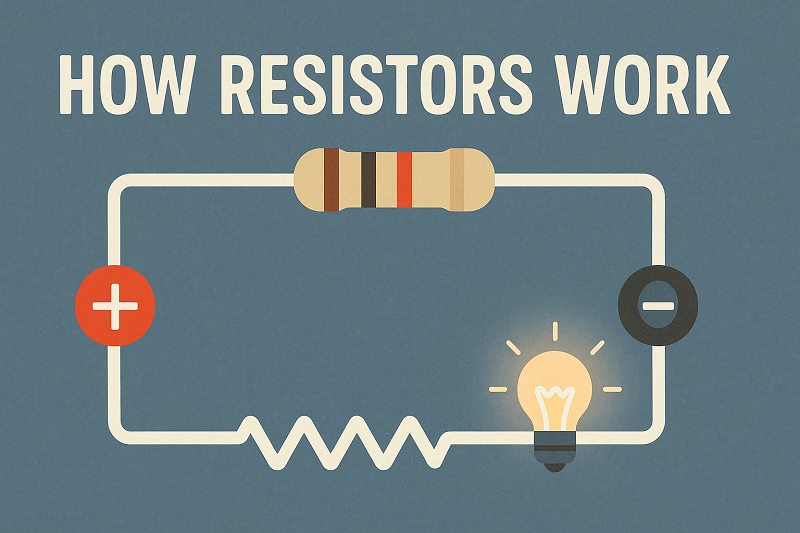
potentiometer

Mastering Potentiometers: Essential Guide

Exploring the BasicsA potentiometer, stands as a pivotal component in the realm of electronic engineering and design. This three-terminal resistor with its adjustable sliding or rotating contact forms the cornerstone of a versatile voltage divider system. Its widespread application across electronic circuits is largely attributed to its capability to modify voltage and provide variable resistance seamlessly. At its core, the device operates on a straightforward principle: adjusting voltage levels across its terminals through the manipulation of resistance. This functionality not only makes it an indispensable tool in adjusting the volume of audio devices but also extends its utility to serve as a critical control input for a myriad of electronic devices. From the fine-tuning of musical instruments to the precise calibration of measuring tools, its applications are as varied as they are vital. The intrinsic value of these components lies in their simplicity and effectiveness. By offering a hands-on approach to controlling electronic circuits, they empower users and technicians alike to make adjustments in real-time, ensuring optimal performance and precision in a wide range of applications. Diverse ApplicationsBeyond the basic function of volume control in audio equipment, these components find their place in a spectrum of applications, marking their importance across consumer electronics and industrial control systems alike. Their versatility is showcased in their ability to act as tuning dials on radios, offering users the tactile feedback required for fine-tuning frequencies, and as integral parts of user interfaces on various electronic devices. In the realm of industrial applications, their role becomes even more pronounced. Here, they are not just components; they are the backbone of machinery control systems, allowing for the precise calibration and adjustment of electrical signals. This precision plays a crucial role in the seamless operation of complex machinery, ensuring both efficiency and safety in industrial environments. Their adaptability and ease of integration into electronic circuits make them an invaluable tool in the designer's arsenal, offering both simplicity and precision in control mechanisms. Whether it's adjusting the backlight on a digital device or calibrating the input signals for a piece of high-precision equipment, their applications are limited only by the imagination and needs of the user. The Operational MechanicsUnderstanding the operation of these devices requires a closer look at their construction. Comprising a resistive element, a wiper (or slider), and three terminals, their design is both simple and effective. The magic happens when the wiper traverses the length of the resistive element, altering the resistance between the terminals. This action, in turn, adjusts the voltage output across the load, offering a nuanced control over the circuit's performance. The beauty of this system lies in its direct impact on a circuit without the need for altering the circuit's fundamental design. By simply adjusting the position of the wiper, users can fine-tune the output, affecting changes in volume, brightness, or signal strength with ease and precision. This level of control is particularly beneficial in applications requiring a high degree of accuracy and adaptability, from the calibration of audio equipment to the adjustment of light intensities in LED displays. The efficiency and effectiveness of these components are underscored by their ability to offer real-time adjustments in a user-friendly manner. Whether it's a subtle change in the ambient lighting of a room or a critical adjustment in the feedback loop of an industrial control system, the potentiometer stands as a testament to the elegance of simplicity in design and functionality. Varieties of Potentiometers: Understanding the DifferencesIn the vast and intricate world of electronic components, potentiometers distinguish themselves not just by functionality but also by their diverse forms, each tailored to specific needs and applications. Among the plethora, rotary, linear, and digital variants stand out, each with its unique advantages and suited environments. Rotary variants are perhaps the most visually recognizable, embodying the classic control knob found on numerous devices. Their design is geared towards applications where user interaction involves circular motion, making them ideal for volume control in audio systems or tuning dials in broadcasting equipment. The tactile feedback and intuitive operation of rotary types make them a favorite in user-interface design. Linear versions, by contrast, operate on a straight-line path, making them perfect for applications where precise and direct control is needed. From the sliders on mixing consoles to position controls in machinery, their design allows for straightforward and accurate adjustments. Their application in fields that require a tangible correlation between control position and effect, such as lighting dimmers or motor controls, highlights their versatility. Digital potentiometers represent the confluence of traditional mechanical design and modern digital technology. Offering electronic control, they bring precision, programmability, and the ability to interface with microcontrollers and other digital systems. Their use is critical in environments where adjustments need to be made with pinpoint accuracy, or where automation and remote control are necessary. This integration of digital control mechanisms allows for complex adjustments to be made simpler and more efficient, making them invaluable in advanced electronic systems. Understanding Resistance ValuesThe resistance value of these components is a defining characteristic that influences their application and functionality. Measured in ohms, this value can span from just a few ohms to several megaohms, reflecting the wide range of uses and the versatility of these devices. Selecting the appropriate resistance value is crucial, as it determines the range of adjustment available and the maximum current the device can safely handle. This selection process is guided by the specific requirements of the application, whether it's a delicate adjustment in a high-precision instrument or a robust application in an industrial setting. The choice of resistance value directly impacts the performance and efficiency of the application. In audio equipment, for example, a well-chosen value can mean the difference between clear, precise volume control and a system prone to distortion or imbalance. Similarly, in industrial applications, the right resistance value ensures that controls respond accurately and reliably under varying conditions. CharacteristicsDelving deeper into the characteristics of these components, we find that resistance value, tolerance, power rating, and linearity are key to their performance. Tolerance is a measure of precision, indicating how closely the actual resistance value aligns with the specified value, a critical factor in high-precision applications. The power rating is equally important, denoting the maximum power the device can handle without risk of damage or failure, ensuring longevity and reliability in its operation. Linearity, or the uniformity of the resistance change as the adjustment is made, is paramount in applications requiring precise control. Non-linear adjustments can lead to unpredictable results, making this characteristic vital in settings where accuracy is non-negotiable. The balance between these characteristics defines the suitability of a potentiometer for a given application, making understanding them crucial for engineers and designers alike. ConclusionIn the ever-evolving world of electronics, potentiometers maintain their crucial status as fundamental components capable of precisely controlling and adjusting electrical parameters. Their significance within the industry is bolstered not only by their basic functionality but also by their ability to adapt to the rapid pace of technological progress and the shifting requirements of diverse applications. Gaining a deep understanding of how they operate, the variety of forms they come in, and the importance of their key features is vital for anyone seeking to utilize these components effectively. As they continue to evolve and find new roles within both established and emerging technologies, their contribution to electronics design and functionality becomes increasingly pronounced, showcasing their perpetual value and versatility. FAQsWhat is a potentiometer? A potentiometer is a three-terminal resistor used in electronic circuits to adjust voltage levels and provide variable resistance. What are the main types of potentiometers? The main types are rotary, linear, and digital variants, each offering unique advantages for different applications. How do potentiometers work? Potentiometers work by adjusting resistance via a sliding or rotating contact, allowing users to modify voltage outputs in electronic circuits. What are the applications of potentiometers? They are widely used for volume control in audio devices, tuning dials in radios, and precise calibration in industrial machinery control systems. What factors should be considered when selecting a potentiometer? Important factors include resistance value, tolerance, power rating, and linearity, which determine suitability for specific applications. Why are potentiometers important in electronics? Potentiometers offer simplicity, versatility, and precision in controlling electronic circuits, making them indispensable components across a wide range of applications.
Allen On 2024-02-29   138
Power

AC-DC Power Stage Technologies for Electric Vehicle Charging Systems

Overview: This article explores various AC-DC topologies, control strategies, and technical specifications crucial for enhancing efficiency and performance in chargers. It also addresses current challenges and advancements in the field. To achieve a significant reduction in the volume and weight of electric vehicles, off-board chargers must be used for both fast and ultra-fast DC charging. The topologies and control strategies of AC-DC for off-board chargers as shown in Fig. 1 are covered in this article, focusing on technical specifications, current developments, and challenges. Fig. 1: Circuit topology of AC-DC power stage (a-f) Source: IEEE Access The topologies shown here work well with fast DC charging. The rated power of the rectifiers can be increased to satisfy the demand for fast DC charging with an adaptable and appropriate design. Three-Phase Buck-Type RectifierFor an AC-DC rectifier in an electric vehicle charging station, there are critical requirements, such asPower factor correction (PFC)Low THDHigh efficiencyHigh-power density MeritsBecause it can provide all of the above properties, the three-phase buck-type rectifier (TPBR) as shown in Fig. 1(a) is an appropriate option for the AC-DC power stage. Furthermore, when compared to boost-type three-phase rectifiers, TPBR offers anInherent inrush current free startingBroader output voltage control rangePhase-leg shoot-through protectionOvercurrent protection circuit during short circuit DemeritsDistributed parasitic capacitances between the ground and the DC link output are another problem for TPBR when it operates at high frequencies. These capacitances produce input current distortion, particularly under conditions of low load. High step-down voltage gain is generally recommended when comparing different EVs on the road, taking into account their differences in battery range. Because the standard TPBR modulation index is less than 0.5, which increases losses and affects power quality, matrix-based TPBR is a good option in this situation. Swiss RectifierThe Swiss rectifier (SR), a variant of TPBR, is illustrated in Fig. 1(b). MeritsTPRB, with eight switches compared to six switches, offersGreater efficiencyLower common-mode noiseLower conductionLower Switching loss Because of its circuit nature, SR allows for the implementation of DC-DC converter control techniques. Furthermore, space vector pulse width modulation (SVPWM) may be avoided for SR, making control simpler. Interleaving SRs provides advantageous features likeReduces current and voltage rippleReduces filter requirementsIncreases powerHigh bandwidthReliability DemeritsOne of its main drawbacks is that SR only permits unidirectional power flow. However, to enable vehicle-to-grid functioning, bidirectional SR can be constructed at the expense of additional electrical components and a complex structure. Vienna RectifierWhen compared to a three-phase boost PFC rectifier, the three-phase Vienna rectifier (VR) in Fig. 1(c) operates similarly, but the power flow is unidirectional. Three-phase VR is made up ofThree boost inductors at the inputSix fast rectifier diodesSix switches (two per leg)Two split capacitors at the output VR utilizes a bipolar DC bus design, which improves power flow capability. On the other hand, input current distortion must be avoided by correcting the voltage imbalance in the bipolar DC bus topology. The power losses of several VR topologies were analyzed, and the structure shown in Fig. 1(c) had the fewest losses. As seen in Fig. 1(d), the switches are used in place of the diodes to guarantee bidirectional power flow. Another name for this architecture is a three-phase, three-level T-type rectifier. MeritsVR is commonly employed in high-power applications because of itsStraightforward control mechanismHigh power densityHigh power efficiencyUnity power factorReduced-number switchesLow THDNeutral connection-free constructionThere is no need for a dead zone switching drive since the voltage stress on the switches is half that of the DC link voltage. DemeritsEven if it still retains the three-level converter’s advantages, VR shares many of the disadvantages, such as the need for DC-link capacitors. VR frequency is reduced to about 250 kHz for an improved balance between high-power density and efficiency utilizing standard PCB technology. If this limit is exceeded, input current distortion could result, which would lower the quality of grid power. Three-Phase Boost-Type RectifierA three-phase six-switch boost rectifier (TPSSBR) is shown in Fig. 1(e). It hasThree inductors connected in series with a three-phase input AC sourceSix switches on three legs. Inductors are used to increase the input current voltage and decrease its harmonic content. The top and bottom switches are switched in a complementary manner. MeritsThe three-phase boost rectifier is a good fit for the AC-DC power stage of the EV charger because of itsStraightforward designContinuous input currentBidirectional operationHigh-output DC voltageLow current stressFew switchesStraightforward control schemeLow THDHigh efficiency DemeritsThe reverse recovery loss that the antiparallel diodes experience in the TPSSBR makes the switching loss of the MOSFETs worse. To lessen the anti-parallel diodes' reverse recovery loss, an ultra-fast DC rail diode has been incorporated at the DC-link side. This topology also preserves gentle switching, prevents bridge short-through issues, and guarantees automated step-up operation. Zero-voltage transition (ZVT) and zero-current transition (ZCT) TPSSBRs can also be used to provide soft switching as shown in Fig. 1(f). Multilevel AC-DC ConverterResearchers frequently use the multilevel converter (MLC) architecture, which generates alternating voltage levels from many lower levels of direct current voltages. There are three main types of MLC:Neutral Point Clamped (NPC) MLCFlying Capacitor (FC)Cascaded H-Bridge (CHB) MeritsAn MLC converter's fundamental method of operation is to use switches, capacitors, and voltage sources to create a staircase waveform at the output. Because MLC can supply high power with higher efficiency and power density, it is a preferred option for the AC-DC power stage in EV fast and ultra-quick charging applications. Some of the distinctive features of an MLC areLess voltage stress on the switches in high-voltage applicationsLow EMIReduced voltage transition between levelsLow THDSmaller dv/dtMinimization of magnetic components to allow superior performance Summarizing the Key PointsThe article discusses advanced AC-DC power stage technologies tailored for electric vehicle chargers, emphasizing efficiency and performance improvements.It gains a thorough understanding of the crucial role that topologies, control strategies, and technical specifications play in optimizing on-board charging systems.It explores the dynamic evolution of fast and ultra-fast DC charging solutions, addresses current obstacles, and showcases technological advancements.It also showcases the latest developments in onboard chargers that contribute to reducing the volume and weight of electric vehicles, meeting the growing demand for efficient charging solutions. ReferenceSafayatullah, M., Elrais, M. T., Ghosh, S., Rezaii, R., & Batarseh, I. (2022). A Comprehensive Review of Power Converter Topologies and Control Methods for Electric Vehicle Fast Charging Applications. IEEE Access, 10, 40753–40793. https://doi.org/10.1109/access.2022.3166935
Rakesh Kumar, Ph.D. On 2024-02-17   142
Power

MOSFET vs. IGBT for Power Electronics

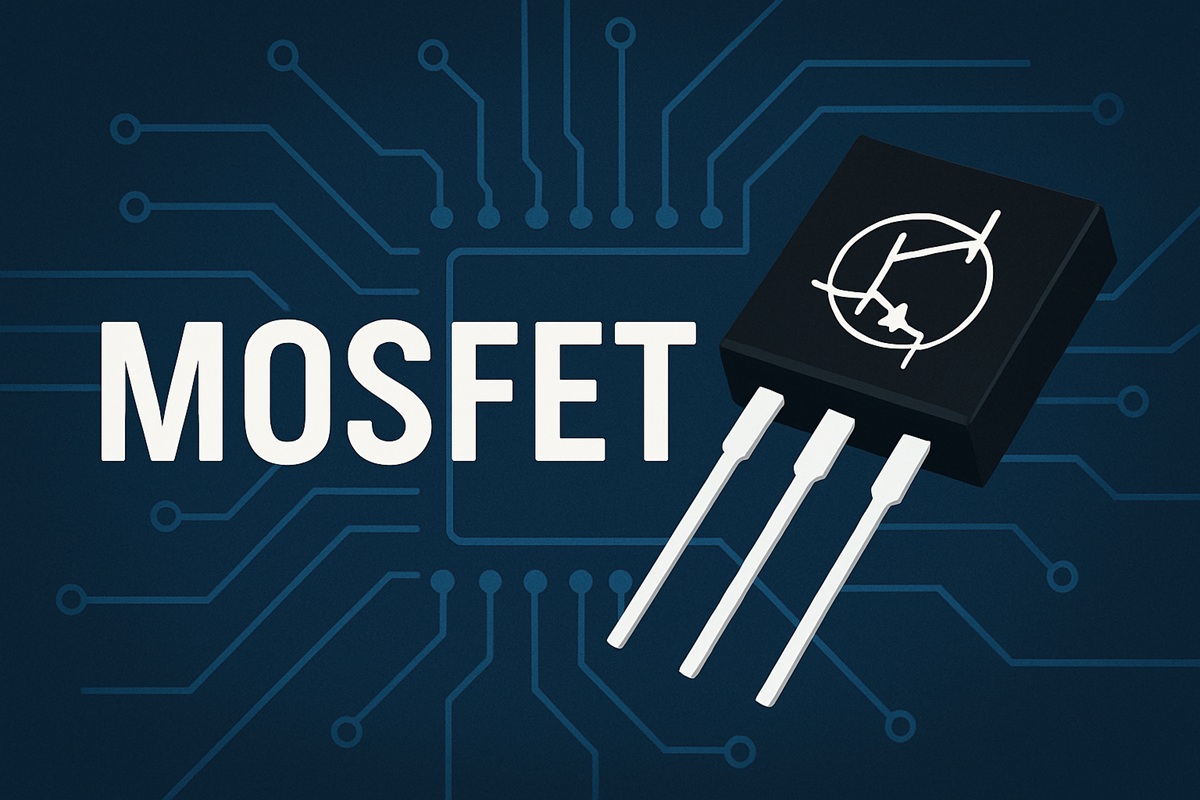
Introduction Power electronics are pivotal in efficiently converting, controlling, and conserving electric power across residential, commercial, and industrial applications. Employing solid-state electronics helps adjust motor speeds, maintain uninterrupted power flow, enable high-frequency power supplies, integrate renewable energy, and positively impact energy usage from electric vehicles to data centers and spacecraft systems to high-speed rail; power electronics touch every arena. At the epicenter of this technology are semiconductor-switching devices like diodes, MOSFETs, IGBTs, and thyristors that shape and regulate power flow. Two stalwarts dominate for medium to high power needs - the metal-oxide-semiconductor field effect transistor (MOSFET) and the insulated gate bipolar transistor (IGBT). Selecting a suitable device is crucial to optimize overall system performance. This article provides a comparative analysis of these two technologies to help design engineers make an informed choice. Understanding Power MOSFETsPower MOSFETs are specialized transistors designed to switch on/off rapidly, allowing precise and speedy power transfer control. They can transition between cut-off and saturation modes in nanoseconds. This swift switching capability stems from their unique insulated gate structure, requiring minimal gate current to trigger state changes. Built-in body diodes facilitate the continuous conduction of load currents in either direction. Silicon has traditionally been the mainstream material, but new comprehensive bandgap materials like silicon carbide and gallium nitride promise significantly higher efficiency. With high breakdown strength, lower losses, and higher junction temperature capacity, these advanced materials drive a significant shift in power electronics. Exploring IGBT DevicesInsulated gate bipolar transistors (IGBTs) aim to combine the best attributes of power MOSFETs and bipolar junction transistors. They integrate the simple gate control of MOSFETs with the superior high current handling capacity of BJTs. A key feature enabling high collector current density is conductivity modulation, where electron and hole injection sustains current flow. However, this also slows down switching transients. The insulating layer blocks high voltages but leads to larger chip sizes. Modern IGBTs lower losses through innovations like trench gates, carrier lifetime control, and field stop layers. Advanced packaging technologies also boost power density and thermal performance. But slower switching speeds and conduction losses at low currents remain innate drawbacks. Comparing Key Application DomainsMOSFETs' ultrafast and controllable switching ability makes them perfect for switch mode power supplies (SMPS), Class D audio amplifiers, DC-DC converters, and lighting controls needing precise regulation. These applications demand fast dynamic response and low losses at moderate voltage and current levels.IGBTs, on the other hand, are extensively used in motor drives, uninterruptible power supplies (UPS), electric traction systems, wind turbines, HVDC transmission, and high power factor correction equipment. These applications require ruggedness to withstand network voltage fluctuations, high DC link voltages, and surge currents during motor commutation or load changes. IGBTs can reliably handle hundreds to thousands of amperes thanks to conductivity modulation but at the expense of switching speed. Analyzing Switching CharacteristicsMOSFETs can transition between on and off states extremely fast, within nanoseconds. This enables them to comfortably operate at frequencies in the MHz range for switch mode operations. However, their switching speeds are limited by charging and discharging intrinsic capacitances across drain, source, and gate terminals during the high di/dt and dv/dt transients.In contrast, IGBTs switch on and off much slower - in the range of microseconds to milliseconds, depending on load conditions. Their switching times are dictated by minority carrier injection and storage dynamics during turn-on and turn-off, respectively. The conductivity modulation mechanism in IGBTs that enables efficient high current operation also adds more delay during transients. Cost, complexity, and application-specific demands impact device selection, too. Analyzing Conduction LossesMOSFETs offer shallow conduction losses at nominal currents, enabling high efficiency. This stems from majority carrier transport through the drain-to-source channel unimpeded by minority charge storage effects. However, the drift component of on-state resistance limits efficiency at high currents due to velocity saturation.In contrast, IGBTs showcase deteriorating conduction losses at low currents but start outperforming MOSFETs above a few amperes current. This reversal occurs due to conductivity modulation wherein electron and hole injections sustain rising collector current density. IGBTs skip past velocity limits at high currents to achieve significantly higher efficiency. Rating on Voltage and Current MetricsLatest generation SiC MOSFETs boast blocking capabilities exceeding 1.7 kV, while GaN variants enable 1.2 kV switch-mode supplies. Commercial IGBT voltage ratings range from 1.2 kV to 1.7 kV presently. However, IGBT packages reliably exceed 1000 A without secondary breakdown concerns for conducting hundreds of amperes. MOSFETs lag on current density metrics presently. Sensitivity to High-TemperaturesIGBT performance depends significantly on temperature swings and self-heating, needing careful thermal management. MOSFETs show lower sensitivity thanks to the absence of conductivity modulation effects. But hotspots can still accelerate aging and degrade long-term MOSFET reliability over time. Cost Considerations Thanks to process maturity, MOSFET design and production costs have been considerably reduced, making them economical for low- and medium-power applications. However, large-area silicon IGBTs can be fabricated at lower costs to score over MOSFETs in high-voltage, high-current areas. Emerging devices like SiC MOSFETs and GaN transistors promise tremendous performance gains but remain expensive. Gazing into the FutureWith continual advances in device structure, doping profiles, and material quality, MOSFET and IGBT technologies are poised to realize higher efficiency, power density, and reliability metrics. Novel cooling techniques leveraging direct liquid immersion or integrated microchannel heat sinks are being explored to dissipate heat from smaller footprints. Clever gate driver techniques and modern packaging methods will help extract the full potential from both devices. Another active area is developing hybrid modules that combine IGBTs and SiC MOSFETs to leverage their complementary strengths for optimal overall performance. The future looks brighter with the increasing maturity of wide bandgap devices and greater systems-level integration! Making the Optimal ChoiceMOSFETs excel for applications demanding nimble and accurate load control, typically up to a few kilowatts. IGBTs are the bedrock where large voltage blocks and high surge current capacity warrant extra ruggedness. However, cost budget, cooling challenges, reliability requirements, and desired switching frequencies also guide decision-making. Designers must weigh tradeoffs between conduction losses, switching frequencies, thermal management complexity, and hardware overheads while selecting the optimal power semiconductor switch. Conclusion In the vast power electronics landscape, MOSFETs and IGBTs remain the primary switching devices for most applications. MOSFETs stand out in environments needing nimble and accurate switching control up to a few kilowatts. IGBTs are the bedrock for systems where large voltages and surge currents demand extra ruggedness. Device selection requires carefully weighing metrics like losses, operating frequency, cooling needs, and costs. With continual technological upgrades, these devices will continue transforming future power management solutions.
Allen On 2024-01-31   177
Power

Examining Electromagnetic Noise in Gallium Nitride Power Modules

Overview: The article highlights the trade-off between power efficiency and electromagnetic noise, which can have a significant impact on the sensitivity of wireless receivers. The article includes a study of GaN-based power modules and provides guidelines. Compared to conventional silicon (Si) devices, wide band gap (WBG) semiconductors like gallium nitride (GaN) have become commonly used in power supply electronics. In contrast to conventional Si, WBG semiconductors (such as GaN) offer better material qualities and can operate power devices at greater temperatures, higher voltages, and quicker switching rates when used in the power supply's output stage. As a result, WBG semiconductors increase the efficiency and compactness of power modules, which leads to their widespread adoption in a range of applications, including robotics, automotive electronics, and the Internet of Things. What is the impact of electromagnetic noise on wide-band devices?Faster switching and higher voltage produce less energy loss, but they also result in more power noise because of the periodic switching currents that flow through power semiconductors. This means that there is no way to avoid a trade-off between noise emissions and power efficiency.Role of Electromagnetic Inference and Electromagnetic CompatibilityIn close proximity to one another, this also causes issues with near-field electromagnetic interference (EMI) between electrical components. Power modules using WBG devices, such as GaN and SiC, are maturing faster than ever, but it is also important that the EM compatibility (EMC) measurements have a wider frequency range. Up to 1 GHz is typically the frequency range in which power module EMC requirements are established. Electrical noise (EM noise) can have a big effect on the sensitivity of wireless receivers supporting LTE when they are close, like within a few meters. EMI between wireless communication systems and WBG semiconductors has become a widespread issue with IoT devices. The article includes an EM noise study of GaN-based power modules in the frequency band (up to 6 GHz) for mobile communications.Experimental Setup of Gallium Nitride Power ModuleThis research involves the preparation of two power modules, calledGaN module AGaN module B These modules comprise isolated gate drive circuits employing CMOS devices and GaN-based half-bridge circuits. Although the two modules share the same block architecture in Fig. 1, the assembly structures differ based on the individual design parameters.  Configured as a half-bridge circuit, the output stage is filled with two discretetransistors based on GaN technology. Gate drive circuits are the key component of the control unit. A pulse pattern generator controls the amount of duty and frequency of pulse messages that come in. The external source signals used in this experiment had the following configurations for their parameters: 1) 0 and 12 V for the primary power supply;2) 100 kHz and 1 MHz for the pulse frequency;3) 50% for the pulse duty ratio.Measurement of Electromagnetic NoiseResearchers utilize a magnetic field probe to capture the near-field electromagnetic noise (EM noise) from the device under test (DUT). Everything is enclosed in an anechoic cage to block out surrounding noises. The high-sensitivity measuring method served as the basis for this measurement setup. In order to cover the wireless communication bands for fifth-generation (5G) and LTE wireless systems, the frequency range of interest is 6 GHz. To keep things simple, the measurements below were taken at the power module's output stage with no load. The EM sources are put to the test in a variety of operating conditions by sending source signals and probing at different points in the GaN module assembly. By changing the external signal source's settings, the power supply module was able to function in two distinct modes.Module AOne was established as the basic operational condition, withMains: 12 VOperating frequency: 100 kHzDuty ratio: 50%, with all circuits driven.Hence, the control unit and the GaN device were monitored for their radiated noise. Module BOn the other hand,The GaN device's switching function is disabledThe main power supply is set to 0 V In this instance, the control unit's noise component is the only radiated noise that is visible. So, the source of the radiated noise in the power supply module was studied by changing the state of the circuit's operation and comparing the noise components that were picked up. The above experiments (Fig. 2 and Fig. 3) show what happens when the output stage is not working (the red line does not include EM noise from the output stage) and when it is working (the blue line includes EM noise from the output stage and the control unit).   Results And ConclusionA spectrum analyzer measures the average electromagnetic noise, as Fig. 2 illustrates. Below 1.5 GHz, electromagnetic noise from the output stage is detected. Harmonic components of the switching frequency that the pulse generator sets are primarily responsible for this noise. A two-sided structure was used to look at the frequency characteristics of EM noise coming from GaN module B's control unit and output stage on the right side. As shown in Fig. 3, EM noise from the output stage was primarily detected below 2 GHz. The main sources of noise areAn output stage with WBG power transistors that switch periodically.The control and gate driver stages have CMOS digital circuits that get their clock signal from outside or even inside the chip. The EM noise from the output stage usually takes up most of the lower frequency side, as seen in Fig. 3. The frequency range and noise level of EM noise based on GaN transistors change based on how fast the switching power modules are running. While the noise from the control circuit is more likely to be on the upper frequency side, as seen in Fig. 2. In conclusion, control circuits in switching modules as well as output stage circuits are the targets of noise controls for wireless communications. The intrinsic characteristics of circuit architectures determine the electromagnetic noise of the control unit, which is independent of the power supply module's operational circumstances. This necessitates doing an EM noise evaluation on a particular product and customizing EMI countermeasures for it. Summarizing the Key Points●Gallium nitride technology revolutionizes power supply electronics with its superior material qualities, enabling higher operating temperatures and faster switching rates.●The trade-off between power efficiency and electromagnetic noise is a critical consideration when utilizing gallium nitride based power modules.●Electromagnetic interference between electrical components, particularly in the frequency band up to 6 GHz, necessitates thorough evaluation and implementation of control measures.●The intrinsic characteristics of circuit architectures determine the electromagnetic noise of the control unit, highlighting the need for customized electromagnetic interferance countermeasures tailored to specific products. ReferenceWatanabe, Koh, Misaki Komatsu, Mai Aoi, Ryota Sakai, Satoshi Tanaka, and Makoto Nagata. “Analysis of Electromagnetic Noise From Switching Power Modules Using Wide Band Gap Semiconductors.” IEEE Letters on Electromagnetic Compatibility Practice and Applications 4, no. 4 (December 2022): 92–96. https://doi.org/10.1109/lemcpa.2022.3207234.
Rakesh Kumar, Ph.D. On 2024-01-31   41
IC Chips

Bluetooth vs. Wi-Fi for IoT applications

IoT, in its ever-evolving domain, characterized by the interconnectedness of devices that continually transform our technological environment, faces a crucial decision in selecting between Bluetooth and Wi-Fi as wireless communication technologies. With the increasing popularity of networked devices, wireless communication technologies play an even more crucial role in ensuring seamless interoperability amongst these connected systems. Three major wireless communication standards come from the IoT framework: Wi-Fi, ZigBee, Bluetooth, etc. Among these, Wi-Fi and Bluetooth have become the methods of preference for a substantial section of consumers. The WIFI Alliance regulates Wi-Fi, which is one of the essential elements in wireless network communication technology. This strength lies in a good platform for high data speed transmission and internet connectivity, ensuring that it becomes imperative in situations where the bandwidth or data transfer rates are vital. On the other hand, Bluetooth, under the leadership of the Bluetooth Technology Alliance, portrays itself as an adaptable communication protocol. Its ability to wirelessly connect a wide variety of devices makes it an attractive option for many IoT applications. x With the evolving boundaries of IoT, choosing between Bluetooth and Wi-Fi becomes a critical aspect as both technologies provide different benefits and scenarios. Technical BackgroundThe technical differences between Bluetooth and Wi-Fi determine which to use. Wi-Fi, which uses IEEE 802.11 standards, is known for its high data transmission rates, making it perfect for bandwidth-intensive applications that require speed and connectivity. Bluetooth, which adheres to the IEEE 802.15.1 standard, excels in short-range communication settings due to its low power consumption, making it an attractive option for energy-efficient IoT devices. Wi-Fi typically operates in the 2.4 GHz and 5 GHz frequency bands, offering high data rates but potentially higher power consumption. In contrast, Bluetooth, utilizing the 2.4 GHz band, prioritizes low-power communication, proving advantageous for applications like smart home devices and wearables. Wi-Fi's strengths lie in scenarios demanding rapid data transfer and robust internet connectivity, while Bluetooth shines in applications where conserving power and forming short-range connections are paramount. Whether deploying IoT solutions in industrial automation or smart homes, a clear grasp of the technical disparities between Bluetooth and Wi-Fi is essential for optimizing connectivity based on specific requirements. This exploration aims to elucidate these technical differentiators, enabling informed decisions regarding the application of Bluetooth or Wi-Fi in diverse IoT scenarios. Application Scenario ComparisonThe following is the application scenario comparison that provides insights into the distinctive strengths of Bluetooth and Wi-Fi, aiding decision-makers in selecting the most suitable wireless technology for specific IoT use cases. Smart HomesBluetooth: Good enough for smart home appliances requiring low power and short-range communications; therefore, devices such as thermostats, light bulbs, or security systems can be connected smoothly with ease.Wi-Fi: Suited for high-speed applications in a smart home, giving a reliable internet connection. Suitable for devices that require continuous data transmission, like smart cameras and media streaming units. Wearable TechnologyBluetooth: It also thrives in the wearable space because of its energy efficiency and ability to form fast, spontaneous connections. Many fitness trackers, smartwatches, and health monitoring devices use it.Wi-Fi: Nor as feasible for wearables because of increased power consumption and the fact that it is not ideal in terms of battery lifespan. Industrial IoT (IIoT)Bluetooth: Effective for short messaging in industrial operations, linking sensors up, and keeping tabs on the equipment. Being low-power, it is suitable for battery-operated devices.Wi-Fi: Ideal for IIoT applications requiring large data rates and connectivity in larger areas. Widely adopted in industrial automation and remote monitoring. HealthcareBluetooth: Mostly popular with medical equipment such as glucose monitors and wearable health trackers. Patient monitoring systems benefit from its low-power features and trustworthy short-range connectivity.Wi-Fi: Deployed in health care environments for large data applications like medical imaging and centralized patient records, with high bandwidth critical. Retail and Beacon Technology Bluetooth: Prominent in retail when using beacon technology that allows proximity-based marketing and customer engagement. Bluetooth Beacons provide a highly efficient means of smartphone communication to allow for personalized shopping.Wi-Fi: Uncommon with higher power consumption but can be used to have broader connectivity in large retail spaces. Overall ConsiderationsBluetooth: Better in low-power applications for short-ranged links and fast device bonding. It is very appropriate for the IoT application that emphasizes energy efficiency.Wi-fi: It is ideal for fast data communications and stable internet connections and supports multiple device connectivity. It is suitable when power consumption is not a really important factor. Performance Metrics ComparisonBluetooth and wi-fi showcase distinct strengths, allowing decision-makers to align their IoT applications as follows:Data Transfer RatesBluetooth: Provides lower data transmission rates for the apps with typical information exchange. Usually between 1-3 Mbps, thus hindering its overall effectiveness in data-intensive tasks.Wi-fi: It is excellent at high-speed transfers; it performs very well, from 20 Mbps to several gigabits per second. It is perfect for applications that need reliable real-time data transfer.RangeBluetooth: Designed for short-range communications, generally up to 100 meters, and thus ideal in close proximity situations such as within a room or the PAN.Wi-fi: Offers a broader reach with a range of around 100 meters and even more; ideal for applications that require connectivity within broad areas like smart houses or industrial complexes.Power ConsumptionBluetooth: Bluetooth is famous for its low power consumption; therefore, it fits in battery-operated devices. Allows for extended device runtime without regular recharging.Wi-fi: Typically, Bluetooth has a higher power consumption than other technologies, negatively affecting devices' battery life. It is better for applications with the availability of a steady power source.Interference and CongestionBluetooth: It works at the 2.4 GHz frequency with high interference from other devices operating on this specific band, but the frequency hopping prevents potential problems.Wi-fi: Works on 2.4 and 5 GHz frequencies, with more channels to minimize interference. However, congestion in urban areas can affect performance.Device DensityBluetooth: Very efficient in connecting a moderate range of devices within small spaces; hence, appropriate for applications such as personal use and IoT where the number of connections is limited.Wi-fi: Since wi-fi can handle a more significant number of devices simultaneously, it is particularly suitable for environments with many connected devices around us (like an office or public place). Integration and Compatibility IssuesBluetooth IntegrationSeamless Device Pairing: Bluetooth is a leading software feature due to its ease of connecting devices. This simplicity makes it a preferred option for IoT applications because of the need to establish fast and straightforward connections. Compatibility across Devices: The standardized protocol made by Bluetooth allows compatibility between numerous devices; interoperability and ease of integration for the IoT ecosystem are promoted through this.Wi-fi IntegrationNetwork Complexity: Wi-fi is high-speed but needs more complicated network settings. However, this complexity comes with challenges in some IoT networks, necessitating appropriate network planning for better performance.Compatibility Challenges: Wi-fi devices may face compatibility issues due to standard variations (e.g., 802.11ac vs. 802.11n) and security protocols. Ensuring uniformity across devices is crucial for seamless integration.Cross-Platform ConsiderationsBluetooth: Introduced features like BLE enrich the cross-platform representation and allow for communication between diverse operating systems and products. The multifaceted nature of IoT works very well in many different ways.Wi-fi: Cross-platform compatibility is usually robust, although the wi-fi specification differences can create some issues. Consistent implementation of the standards is vital to ensure seamless integration across the varied devices.Security ProtocolsBluetooth: Include security measures such as pairing codes and encryption to protect communication. However, in some cases, it is necessary to use other security measures along with this method.Wi-fi: Provides many robust security mechanisms, such as WPA3 encryption. Still, weaknesses like the KRACK attack highlight that ongoing security patches and vigilance are essential.Application SpecificityBluetooth: The ideal choice for applications that need simplicity and fast connections, like wearable devices or even smart home technologies. In simple device diversity cases, the integration is usually very straightforward.Wi-fi: Thrives in applications requiring high-speed data transfer and internet connection and takes on more complex IoT cases. Optimal performance requires careful integration planning. Technical Challenges and LimitationsWhile Bluetooth and wi-fi provide different benefits to IoT applications, they also introduce specific technical challenges related to their associated limitations.BluetoothLimited Range: In applications that need a broader range of communication, up to 100 meters, Bluetooth's range may create a limitation. This may require some additional installation of the access points or mesh networks to expand the radius.Data Transfer Speed: While Bluetooth is satisfactory for medium to low-speed data transmission needs, it can fail in applications requiring high-speed rates. Wi-fi is better in that it requires more bandwidth.Interference: The Bluetooth technology falls within the 2.4 GHz band, which means that other devices in the same frequency range may cause interference and unreliable communication caused by weak signals from these instruments. But frequency hopping reduces interference.Device Density: Bluetooth is ideal for connecting many devices in a small environment. It might fail to manage the concurrent connections in a busy environment with many interconnected devices. Wi-fiPower Consumption: One limitation of battery-powered IoT devices is that wi-fi. Energy-efficient design and power management optimization can help address this challenge.Complex Network Configuration: The size of the IoT deployment makes managing a wi-fi network alot more complicated. Coordinated network planning, security, and device compatibility are needed to function at their best.Interference and Congestion: Even though wi-fi has more frequency bands to reduce interference, high-density deployments in urban and enterprise areas can also create network congestion problems, which affect performance.Range vs. Data Rate: Wi-fi data transfer rates are mainly at a range's expense. Such balancing requires detailed attention or even some extra infrastructure in the IoT applications. Future Trends and DevelopmentsBluetooth EvolutionBluetooth Low Energy (BLE): Bluetooth development was BLE that enhances energy efficiency for more IoT applications. Such advancement makes Bluetooth a beautiful replacement for devices with long battery life, including sensors and wearables.Mesh Networking: Bluetooth's mesh networking is a larger-scale deployment for IoT technologies. This evolution allows the devices to operate seamlessly over long distances and creates many new opportunities in the intelligent buildings sector and industrial IoT.Wi-fi AdvancementsWi-fi 6 and Beyond: With the coming of wi-fi 6, which allows for higher data transfer rates and network functioning. The wi-fi standards, however, are on an evolving path that will continue to address the growing bandwidth intensity needs of IoT applications.5G Integration: Including wi-fi in 5G networks has become an important development that has given rise to faster connectivity and data transfer speeds. This synergy opens the doors to many applications requiring real-time data processing and low latency, including augmented reality and autonomy.Coexistence and integrationFuture developments could include using Bluetooth and wi-fi in hybrid solutions, considering both technologies' strengths. By doing so, IoT devices can benefit from the many advantages of low-power Bluetooth and fast wi-fi. Final NoteBy comparing Bluetooth and wi-fi in IoT applications, it is possible to demonstrate the many different merits of these technologies. Bluetooth is characterized by its compactness, low power consumption, and short-range connection. On the contrary, wi-fi has excellent data speed and a wide range. Decision-makers should assess these factors based on their specific needs in IoT.As one can see, waves of innovations will be ongoing, including Bluetooth Low Energy, mesh networking, and wi-fi 6 integration with the fifth generation. However, over time, attention should be given to performance metrics criteria, integration complexity issues, and emerging trends. It is crucial for successfully implementing Bluetooth and wi-fi potential in interconnectivity through IoT.
Allen On 2024-01-31   88

Kynix

Kynix was founded in 2008, specializing in the electronic components distribution business. We adhere to honesty and ethics as our business philosophy and have gradually established an excellent reputation and credibility in our international business. With the accurate quotation, excellent credit, reasonable price, reliable quality, fast delivery, and authentic service, we have won the praise of the majority of customers.

Follow us

Join our mailing list!

Be the first to know about new products, special offers, and more.

Kynix

  • How to purchase

  • Order
  • Search & Inquiry
  • Shipping & Tracking
  • Payment Methods
  • Contact Us

  • Tel: 00852-6915 1330
  • Email: info@kynix.com
  • Follow Us

authentication

Kynix

© 2008-2026 kynix.com all rights reserved.