materials Related Articles
Stay Ahead with Expert Electronics Insights,
Industry Trends, and Innovative Tips
- Electronic Components
- News Room
- General electronic semiconductor
- Components Guide
- Sort by
- Robots
- Transmitters
- Capacitors
- IC Chips
- PCBs
- Connectors
- Amplifiers
- Memory
- LED
- Diodes
- Transistors
- Battery
- Oscillators
- Resistors
- Transceiver
- RFID
- FPGA
- Mosfets
- Sensor
- Motors, Solenoids, Driver Boards/Modules
- Relays
- Optoelectronics
- Power
- Transformer
- Fuse
- Thyristor
- potentiometer
- Development Boards
- RF/IF
- Semiconductor Information
- Sensors
- PCB
- transistor
After 20 years, your life may be like this:The electronic skin on your pulse can monitor your heart rate and blood sugar at any time to realize intelligent pulse detection;The electronic skin on your throat can "voice" for the deaf and mute by feeling the pressure changes produced by the movement of the throat muscles;Your whole body may become a network center, and the sensors in your body will connect with the outside world...All this seems very far away, but these technologies are quietly gestating, and are very likely to become disruptors of new technologies.Flexible Electronics: The Future of TECHNow is the era of smart phones, but the current smart electronic products are still rigid electronic devices. In the future, mankind is about to enter a new era, the era of flexible electronics. Flexible electronic devices that are as soft as human skin will be the next development trend of the electronics industry, and may even subvert human life. Catalog I What is Flexible electronics?II Applications of flexible electronics2.1 Flexible electronic display2.2 Thin film solar panels2.3 RFID2.4 Electronic skinIII ConclusionFAQ I What is Flexible electronics? The concept of flexible electronics started in the 1980s, when people tried to replace inorganic semiconductors such as silicon with organic semiconductors, so that organic electronic devices have flexible characteristics.Flexible electronic technology is a brand-new electronic technology revolution. It is an emerging electronic technology that makes organic and inorganic materials electronic devices on flexible, malleable plastic or thin metal substrates. It has a wide range of fields in information, energy, medical treatment, and national defense. Applications of flexible electronics In addition to integrating electronic circuits, functional materials, micro-nano manufacturing and other fields of technology, flexible electronic technology also spans industries such as semiconductors, packaging, testing, materials, chemicals, printed circuits, and display panels. Not only that, it can also help the transformation and upgrading of traditional industries, such as plastics, printing, chemicals, and metal materials.By improving its performance and industrial added value, flexible electronics will frequently appear in human life, bringing revolutionary changes to the industrial structure and future life. As technology upgrades, flexible electronics materials research and development and rich application products have emerged.II Applications of flexible electronicsWith the development of flexible electronic technology, various electronic products have emerged. Just as microelectronics technology provides a technology platform for large-scale integrated circuits and computer chip technologies, flexible electronic technology provides a brand-new technological platform for the research and development of new products. 2.1 Flexible electronic displayThe flexible electronic display is a brand-new product developed on the flexible electronic technology platform. Unlike traditional flat-panel displays, such displays can be repeatedly bent and folded, thus bringing great convenience to our lives.For example, all visual materials, including books, newspapers, magazines, and video files, can be presented on this display and can be viewed anytime, anywhere. Although current popular MP4 players and personal digital assistants (PDAs) can meet such use needs, the display screen cannot be bent and folded, and can only be read and viewed in a small screen area. And video, visual effects are greatly constrained. In contrast, flexible electronic displays have unparalleled advantages. They are like newspapers. When they are needed, they are unfolded. When they are used, they are curled or even folded. This guarantees the convenience of portability while giving full consideration to the visual effects.Flexible electronic displaySamples of flexible electronic displays have been successfully developed and it is believed that it will be a long way from entering the market. It is worth mentioning that flexible electronic displays use more lightweight organic materials instead of inorganic materials, so their weight is lighter than traditional displays, and this feature helps to improve their portability. In addition, the use of high molecular organic materials offers possibilities for reducing costs. In addition, the flexible electronic display has the characteristics of a thin thickness, and its thickness can be much smaller than that of the popular liquid crystal display. Therefore, another name of the flexible electronic display is a paper-like electronic display.2.2 Thin film solar panelsThin film solar panel is another specific application of flexible electronics technology. In today's world, energy has become a topic of global concern. China not only faces energy shortages but also faces environmental pollution. As a clean energy source, solar energy can effectively alleviate the contradiction of energy shortage under the premise of zero environmental pollution.As the most common way to use solar energy, solar panels can cover a large area at the lowest cost to effectively use solar energy. At present, thin film amorphous Sili-Con solar panels have been successfully developed and marketed. Thin film solar panel Thin-film solar panels based on flexible electronic technology can meet high-power generation needs, such as the use of thin-film solar panels in solar power plants in sunny desert areas.In addition, it can also make full use of its flexible and lightweight features to integrate it into clothing. Putting on such clothes to walk or exercise in the sun, the power of small appliances (such as MP3 players and laptops) that are carried around can be supplied by the thin-film solar panels on the clothes, thus achieving the purpose of saving and environmental protection.2.3 RFIDRadio frequency identification (RFID) technology can be used to complete information input and processing, fast and convenient operation, and rapid development without manual contact, and is widely used in production, logistics, transportation, medical, food, security and other fields. RFID systems usually consist of transponders and readers.The electronic tag is one of many forms of transponder, and can be understood as a transponder with a thin film structure, which has the characteristics of convenient use, small size, thin and light, and can be embedded in the product. More and more electronic tags will be used in future RFID systems.Flexible Electronics in RFIDIn this response to Covid-19, flexible electronic technology has played a huge role in body temperature measurement.Group body temperature measurement has problems such as huge number of monitoring people, cumbersome temperature measurement work, and difficulty in continuous temperature recording. Wearable temperature measuring stickers made by introducing flexible electronic technology can record and analyze the body temperature data of the target population. In this way, potential threats can be discovered and eliminated through long-term monitoring, thereby helping management departments to achieve personnel management monitoring.2.4 Electronic skinAnother important application of flexible electronics is electronic skin. Electronic skin, also called skin-like electrons, is basically characterized in that various electronic components are integrated on a flexible substrate to form a skin-like circuit board, which has high flexibility and elasticity like skin and can be used in many other applications. electrical equipment.It can be said that the potential of flexible electronic skin is great. With the popularization of technologies such as smart medical care, virtual reality, and artificial intelligence, the demand for wearable devices has surged, and flexible electronic skin is a perfect combination of wearable devices. Think about an electronic component installed on the body and used as a skin, isn't it sci-fi?Electronic skinIII Conclusion Folding computers, folding mobile phones, and wearable digital products are in the ascendant. With the development of science and technology, flexible electronic devices have received more and more attention from the society. Such devices can still work under bending, folding, twisting, compression or stretching conditions. In the future, flexible electronic equipment will have a very broad development space in the fields of energy, medical, information and communication.Pieces of work brought by flexible electronics are interpreting the integration of innovation and tradition in the era of the Internet of Everything, and the era of science and technology connecting everything is approaching.You can boldly imagine that in 20 years, your life might be like this:In the morning, the flexible electronic skin watch on your body wakes you up and reports the quality of your sleep. Put on your glasses, and the day’s schedule has been displayed for you on the transparent screen. After washing, the robot has prepared breakfast for you and your family; After going out, the smart watch on your wrist shows that the air quality is excellent; the smart assistant called "Flying" for you and has parked outside the house, waiting for you to start your day's itinerary... FAQ 1. Why are electronics flexible?The key advantages of flexible electronics, compared with current silicon technologies, are low-cost manufacturing (e.g. ink-jet printing and roll-to-roll imprinting) and inexpensive flexible substrates (e.g. plastics). ... In principle, flexible electronics is ideal for integration. 2. Where are flexible electronics used?Consumer electronics devices make use of flexible circuits in cameras, personal entertainment devices, calculators, or exercise monitors. Flexible circuits are found in industrial and medical devices where many interconnections are required in a compact package. 3. How could Flexible Electronics benefit the consumer?Among the benefits of flexible electronics (compared to traditional, rigid alternatives) are size, weight, portability, and energy efficiency. Above all, they make previously impossible designs and technologies (such as wearable devices) possible. 4. When was flexible electronics invented?1960s. Flexible electronics have a long history. The first flexible device was made in the 1960s by thinning crystalline silicon solar cells for use in extraterrestrial satellites. Today, smart credit cards carry bendable microchips which are made using stretchable Silicon. 5. What are flexible electronics made of?Flexible Electronics: generally refers to a class of electronic devices built on conformable or stretchable substrates, usually plastic, but also metal foil, paper and flex glass. 6. What are the two major approaches of making flexible electronics?(1) Transfer and bonding of completed circuits to a flexible substrate(2) Fabrication of the circuits directly on the flexible substrate 7. What makes flexible electronic display attractive?One property of flexible electronics which deserves to be highlighted is their robustness. This makes a great difference for applications such as wearables, notebooks and other consumer electronics which traditionally feature glass-based displays or sensors. 8. How flexible electronics are made?Compared with conventional microelectronics, flexible electronics does not require extrinsic packages such as ceramics. Instead, flexible circuits and packages can be manufactured and integrated together using only plastics. ... These layers can then be stacked together to complete the flexible electronic systems. 9. Why are flexible electronics important?Among the benefits of flexible electronics (compared to traditional, rigid alternatives) are size, weight, portability, and energy efficiency. Above all, they make previously impossible designs and technologies (such as wearable devices) possible. 10. Why do we need flexible materials?Not only does flexible packaging use less material than its rigid counterparts, leading to a lower overall packaging cost, it also creates less waste. Fres-co states that flexible packaging formats create 50 percent less waste than rigid ones, while also reducing greenhouse gas emissions and BTU consumption.
Kynix On 2025-04-29
What is a LED?Video related to LEDLED Colours and materialsHow do LEDs work?Types of LedsCalculating LEDs resistor valueHow to Test LED LightsThe warning of LEDs useLEDs FAQWhat is a LED?LED = Light Emitting Diode. An LED must be prevented against transferring too much current because its electrical behavior differs significantly from that of a light. Typically, this is done by connecting a resistor in series with the LED. Never attach an LED directly to a power source or battery.LEDs must be wired in the proper direction; the diagram may be labeled with the letters an or + for the anode and k or - for the cathode (yes, it really is k, not c, for cathode). In the case of spherical LEDs, the cathode is the short lead and there may be a slight flat on the body. Although the cathode is the larger electrode within the LED if you can see it, this is not a recognized method of identification.LEDs Video related to LEDVideo Description: This video is mainly talk about how to design LED circuits, how to calculate resistor size, how to protect LED, how long will a battery power a circuit, how to calculate resistor power rating, how to connect LED and much more. LED Colours and materialsThe semiconductor material, not the coloring of the "package," determines the color of an LED (the plastic body). All colors of LEDs are available in uncolored, diffused (milky), or clear (commonly referred to as "water clear") packaging. The colored packaging is also offered in diffused (the typical type) and clear forms. White and blue LEDs could cost more than the other colors.ColorWavelength (nm)Voltage Drop (V)Semiconductor MaterialInfrared> 760< 1.9Gallium ArsenideInfrared> 760< 1.9Aluminium Gallium ArsenideRed610 - 7601.6 -2.0Aluminium Gallium ArsenideRed610 - 7601.6 -2.0Gallium Arsenide PhosphideRed610 - 7601.6 -2.0Aluminium Gallium Indium PhosphideRed610 - 7601.6 -2.0Gallium PhosphideOrange590 - 6102.0 -2.1Gallium Arsenide PhosphideOrange590 - 6102.0 -2.1Aluminium Gallium Indium PhosphideOrange590 - 6102.0 -2.1Gallium PhosphideYellow570 - 5902.1 -2.2Gallium Arsenide PhosphideYellow570 - 5902.1 -2.2Aluminium Gallium Indium PhosphideYellow570 - 5902.1 -2.2Gallium PhosphideGreen500 - 5701.9 -4.0Gallium Indium PhosphideGreen500 - 5701.9 -4.0Aluminium Gallium Indium PhosphideGreen500 - 5701.9 -4.0Aluminium Gallium PhosphideGreen500 - 5701.9 -4.0Indium Gallium NitrideBlue450 - 5002.5 -3.7Zinc SelenideBlue450 - 5002.5 -3.7Indium Gallium NitrideBlue450 - 5002.5 -3.7Silicon CarbideBlue450 - 5002.5 -3.7SiliconViolet400 - 4502.8 -4.0Indium gallium NitridePurplemultiple types2.4 -3.7Dual Blue/Red LEDsPurplemultiple types2.4 -3.7Blue with Red PhosphorPurplemultiple types2.4 -3.7White with Purple Plasticultraviolet< 4003.1 -4.4Diamondultraviolet< 4003.1 -4.4Boron Nitrideultraviolet< 4003.1 -4.4Aluminium Nitrideultraviolet< 4003.1 -4.4Aluminium Gallium Nitrideultraviolet< 4003.1 -4.4Aluminium gallium Indium NitridePinkmultiple types3.3Blue with phosphorPinkmultiple types3.3Yellow with Red, Orange or Pink phosporPinkmultiple types3.3White with Pink pigmentWhiteBroad spectrum3.5Blue/UV diode with Yellow Phosphor How do LEDs work?A P-type semiconductor (which has a higher hole concentration) and an N-type semiconductor are combined to create LEDs, which are semiconductor light sources (larger electron concentration). The P-N junction's electrons and holes will join once more when a strong enough forward voltage is applied, releasing energy in the form of light.LEDs (Light Emitting Diodes) transform electrical energy directly into light as opposed to conventional light sources, which first convert electrical energy into heat before turning it into light. This results in efficient light creation with minimal electricity waste.LEDs Emit Light Types of LedsDual In-Line Package (DIP) LEDs:The first LED chips were DIP ones, which are what most people think of when considering LED lights. Despite being more established than its more recent counterparts, DIP LED chips are still in use and are more frequently seen integrated into electronics because of their small size. However, they are not very strong and can only provide a small amount of brightness.DIP LEDs Surface Mounted Diode (SMD) LEDs:These are likely the most popular sort of LED chip available; they are installed and soldered onto the circuit board. They are more adaptable when it comes to encasing them within smaller electronics or across other forms of lighting, such as strip lighting, because they are brighter than their DIP counterparts and are also smaller. Three diodes can fit on a single SMD chip, allowing you to produce a variety of colors and provide customers more options. The LED market has undergone this significant progress. SMD 3528 and SMD 5050, both of which measure 5mm in width, are the two most used SMD chip sizes.SMD LEDs Chip on Board (COB) LEDs:The most recent advancement in LED technology is represented by these chips. Out of the three, COB LED chips are the brightest since they can frequently fit nine or more diodes onto a single chip. In what ways does this affect LED lighting? First off, it increases lighting efficiency by improving brightness-to-energy output. They can therefore be utilized with a variety of various lighting types. However, it's important to keep in mind that a COB LED chip's circuitry prevents it from emitting a wide variety of colors.COB LEDs Calculating LEDs resistor valueTo limit the current flowing through an LED, a resistor must be connected in series with the LED; otherwise, the LED will burn out fairly immediately. R, the resistor's value, is determined by:R = (VS - VL) / IR = resistor value in ohms (ohm).VS = supply voltage.VL = LED voltage (2V, or 4V for blue and white LEDs).I = LED current in amps (A) The LED current needs to be lower than what your LED is capable of handling. Since the The maximum current for typical 5mm diameter LEDs is frequently 20mA; however, many circuits can work with 10mA or 15mA. Divide the mA current by 1000 to convert it to amps (A) for the calculation.If the projected value is unavailable, pick the nearest larger standard resistor value so that the current will be a little less than what you chose. If you choose a higher resistor value to reduce the current, the LED will be less bright (for example, to extend the battery life).The color of the LED affects the voltage VL of the LED. The voltage of red LEDs is the lowest; yellow and green have a somewhat higher value. The highest voltages are used in blue and white LEDs. You can use 2V for red, yellow, and green LEDs and 4V for blue and white LEDs for the majority of applications where the precise value is not crucial. According to Ohm's law, the resistor's resistance, R = V/I, is determined by:V = voltage across the resistor (= VS - VL in this case) I = the current through the resistorSo R = (VS - VL) / IResistor Value How to Test LED LightsStep One: Use a MultimeterGet a digital multimeter with a diode reading capability. Simple multimeters only measure voltages, amps, and ohms. A multimeter with a diode setting is required to test LED lighting. Mid-range to high-range multimeters, which are more likely to offer this capability than affordable versions, can be found online or at your neighborhood hardware store.Multimeter Step Two: Connect the black and red test leadsTo the outlets on the front of the multimeter, attach the red and black test leads. The positive charge is in the red lead. The input marked "COM" should be connected in with the black lead, which is the negative.Multimeter Connect Step Three: Select the diode setting on the multimeter's dialTo move your multimeter's front dial from the "off" position, turn it clockwise. Up till you reach the diode setting, keep twisting it. The diode setting may be represented by the diode circuit symbol if it is not labeled explicitly. The cathode and the anode of a diode are both visually represented by the diode symbol. In this digital multimeter dial picture, we need to set the multimeter’s dial on 14 to test diode.Multimeter dial Step Four: The red probe should be connected to the anode and the black probe to the cathodeThe cathode end of the LED, which is typically the shorter prong, should be touched with the black probe. The red probe should then be pressed against the anode, which is the longer prong. Ensure that the black probe is connected before the red probe because doing so can result in inaccurate readings. During this test, be sure the cathode and anode are not in contact with one another since this could prevent electricity from flowing through the LED light and affect your results. Throughout the test, the red and black probes must not come into contact. After making the connections, the LED ought should turn on.Diode test Step Five: Verify the reading on the digital multimeter displayA healthy LED light should show a voltage of about 1600 mV when the probes are in contact with the cathode and anode. If during the test there is no reading displayed on your screen, repeat the procedure to ensure that the connections were completed correctly. This can indicate that the LED light isn't functioning if the test was done correctly. The transformer needs to be changed if your supply does not provide any output voltage. LED lights need to be replaced if there is voltage present at the output. The warning of LEDs useIn general, it is not a good idea to connect multiple LEDs in parallel with just one resistor shared between them. Only the lowest voltage LED will light if the other LEDs require slightly different voltages, and the higher current running through it could damage the other LEDs. One resistor can be used to successfully link identical LEDs in parallel, but since resistors are so inexpensive and the current utilized is the same as connecting the LEDs separately, this rarely provides any significant benefit.LEDs in parallelInstead, we should do as follows: Connecting LEDs in seriesConnecting LEDs in series LEDs FAQWhat can the LEDs be applied to?LEDs (Light Emitting Diodes) are mostly used to illuminate items and even spaces. Due to its small size, low energy consumption, long lifespan, and versatility in terms of use in many applications, it is applied everywhere. LED usage and applications include TV backlighting. How many types that LEDs own?Fundamentally, LED lighting uses three major forms of LED technology: DIP, SMD, and COB. What is LED and how it works?When an electric current passes through a semiconductor device called a light-emitting diode (LED), the LED emits light. When current flows through an LED, the electrons and holes recombine and produce light. How long do LED lights last?The longer lifespan of LED lighting fixtures is one of its main benefits. The most durable LED light fixtures have been evaluated to survive as long as 100,000 hours, whereas incandescent light bulbs were designed to last roughly 1,000 hours. On average, LED light bulbs last at least 20 years before needing to be replaced. Which is not a benefit of LED?On a capital cost basis, LEDs are now more expensive (price per lumen) than the majority of conventional lighting solutions.
kynix On 2022-10-17
Warm hints: The word in this article is about 2800 words and reading time is about 15 minutes. Lithium-ion batteries can be said to be the most mature and widely used new energy sources in the world at present, such as portable electronic products like mobile phones and computers, electric vehicles, electric tools, and energy storage projects. Especially the current Chinese government and other countries are investing to support the development of new energy vehicles and power battery industries. Looking ahead, the lithium industry has a long way to go, such as the development of high energy density systems. The problems of further reduction of cost, the resources recovery, and the utilization are in front of us. This article will mainly explain what is a lithium battery, then introduce the current situation and future development of lithium-ion battery materials. Catalog I. What is A Lithium Battery? II. How Does the Lithium Battery Work? III. Distinction Between Lithium-ion Battery & Polymer Lithium Battery IV. Types and Characteristics of Material Used in Lithium Batteries V. Application of Lithium Battery VI. Future Development of Lithium Battery FAQ I. What is A Lithium Battery? "Lithium battery" is a kind of battery that takes lithium metal or lithium alloy as negative electrode material and using a non-aqueous electrolyte solution. In 1912, lithium-metal batteries were first proposed and studied by Gilbert N. Lewis. In the 1970s, M.S. Whittingham proposed and began to study lithium-ion batteries. Because of the active chemical characteristics of lithium metal, the environmental requirements of the processing, preservation, and use of lithium metal are very high. Therefore, lithium batteries have not been applied for a long time. With the development of science and technology, lithium batteries have become the mainstream now. Lithium batteries can be roughly divided into two categories: lithium metal batteries and lithium-ion batteries. Lithium-ion batteries do not contain metallic lithium and are rechargeable. The fifth generation of rechargeable lithium metal batteries was born in 1996. Its safety, specific capacity, self-discharge rate, and the ratio of performance to price are superior to those of lithium-ion batteries, which are now produced by a few companies in only a few countries due to their own high-tech constraints. Li-ion batteries are secondary battery system in which two different kinds of lithium intercalated compounds that can be inserted and removed as positive and negative electrodes respectively. When charged, lithium-ions are removed from the lattice of cathode materials. After the electrolyte is inserted into the lattice of the anode material, the negative electrode is rich in lithium, and the positive electrode is poor in lithium. When discharged, the lithium-ion is removed from the lattice of the anode material, and then inserted into the lattice of the positive electrode material after the electrolyte, so that the positive electrode material is extremely rich in lithium while the negative electrode is poor in lithium. In this way, the difference between the potential of the cathode material and the lithium-ion when inserted and removed from the lithium metal is the working voltage of the battery. Li-ion battery is a new generation of green high-energy battery with excellent performance and has become one of the key points in the development of high-tech. Li-ion battery has the following characteristics: high voltage, high capacity, low consumption, no memory effect, no pollution, small volume, small internal resistance, less self-discharge, and more cycle times. Because of the above characteristics, the lithium-ion battery has been applied to many civil and military fields, such as mobile phones, notebooks computers, cameras, digital cameras, and so on. II. How Does the Lithium Battery Work? The charging and discharging process of lithium battery is realized by the removal and embedding of lithium-ion in the positive and negative electrode of the battery. The reaction equation of the lithium-ion battery with iron phosphate liquid as an example is as follows: Charging: Discharging: The electrode reaction of Li/PEO-LiClO4/Pan polymer lithium-ion battery is as follows: Positive electrode reaction: Negative electrode reaction: The working schematic diagram of lithium battery: Schematic-of-the-lithium-ion-battery-working-principle 1. The positive electrode structure: LiMn2O4( lithium manganate ) + Conductive agent (acetylene black) + adhesive(PVDF) + Collector negative ( aluminium foil )electrode 2. The negative electrode structure: Graphite+ Conductive agent (acetylene black) + adhesive(PVDF) + Collector negative ( copper foil )electrode 3. Charging process: The battery is charged by the power supply, and the electron e on the positive electrode runs from the external circuit to the negative electrode. Positive lithium-ion Li+ "jumps" from the positive electrode to the electrolyte, "climb" through the winding hole in the diaphragm, then "swim" to the negative electrode and combine with the electron. The reaction on the positive electrode is: LiMn2O4 ==Li1-xMn2O4+Xli++Xe (electron). The reaction on the negative electrode is: 6C+XLi+Xe==LixC6 4. Discharging process When the battery discharges, the electron e on the negative electrode runs from the external circuit to the positive electrode. Positive lithium-ion Li+ "jumps" from the negative electrode to the electrolyte, "climb" through the winding hole in the diaphragm, then "swim" to the positive electrode and combine with the electron. The reaction on the positive electrode is: Li1-xMn2O4+xli++xe (electron) ==LiMn2O4 The reaction on the negative electrode is: LixC6 == 6C+xLi+xe III. Distinction Between Lithium-ion Battery & Polymer Lithium Battery As the following table: Electrolyte for Polymer Lithium Battery PolymerElectrolytePure solid polymer electrolyteGel polymer electrolytePAn, PPY, PA, PPPPEO, PPOPAN,PMMA,PVdF As the following diagram: Different electrolytes are the main differences between lithium-ion batteries and polymer lithium batteries. Diagram IV. Types and Characteristics of Material Used in Lithium Batteries (This is a tutorial on the Lithium Battery Explorer provides an overview of Li-ion battery technology and the properties that are relevant to battery researchers.) 1.Lithium manganate (LMO) LMO, as a kind of lithium battery material with a long history, has high safety, especially strong resistance to overcharge, which is a prominent advantage. Because of the good structural stability of lithium manganate, the amount of cathode material does not have to exceed the negative electrode in the design of the electric core. In this way, the number of active lithium ions in the whole system is small, and after the negative electrode is filled, there will not be too many lithium ions in the positive electrode. Even if overcharge occurs, there will not be a large number of lithium ions deposited in the negative electrode to form crystallization. Therefore, the overcharge resistance of lithium manganate is the best in common materials. In addition, its material price is low, and the production process requirements are relatively low. It is a relatively early widely used cathode material. But it also has obvious defects. The elevated temperature property of spinel lithium manganese oxide is poor. The existence of oxygen defect makes the core prone to capacity decay at the high voltage stage, at the same time, the cycle use at high temperature would cause a similar capacity decay. The reason is that the trivalent manganese ion which causes the disproportionation effect. The main way to prevent high-temperature attenuation is to reduce the trivalent manganese. Lithium manganese, limited by its high-temperature performance, is generally not used in high-power or high-temperature environments, such as high-speed passenger vehicles, plug-in cars, and so on. But for electric buses, local logistics vehicles, and so on, lithium manganese is completely competent. 2. Lithium iron phosphate (LFP) The advantages of lithium iron phosphate are mainly reflected in its safety and cycle life. The main determinants are the olivine structure of lithium iron phosphate, which, on the one hand, leads to the lower ion diffusion capacity of lithium iron phosphate. On the other hand, it also has good high-temperature stability and good cycle performance. The disadvantages of lithium iron phosphate are also obvious, such as low energy density, poor consistency, and poor low-temperature performance. a) The low energy density is determined by the chemical properties of the material itself. A lithium iron phosphate macro-molecule can accommodate only one lithium-ion. b)The consistency, especially poor batch stability, is related to not only the level of production management but also its own chemical properties. Lithium iron phosphate is one of the more difficult materials for the preparation of cathode materials for lithium-ion batteries. The difficulty of consistency and uniformity in this chemical reaction raises another problem at the same time: The impurity of iron and iron in the lithium iron phosphate material always exists, which brings hidden trouble to the battery. Lithium iron phosphate battery, because of its high safety, although The energy density part affects its range of use., but it is still the main power lithium battery variety of electric vehicle in our country at present, especially buses involving the safety of a large number of people, the national police enforce the use of lithium iron phosphate batteries. 3.Ternary lithium The ternary lithium cathode material synthesizes the advantages of LiCoO2、LiNiO2 and LiMnO2 and forms a synergistic effect within the same core. It combines three requirements of stability and activity of material structure and lower cost, which is one of the three main cathode materials with the highest energy density. The low-temperature performance is also obviously better than the lithium iron phosphate battery. The higher the content of Ni in the three elements, the higher the energy density of the core and the lower the safety of the core will be. In practical application, the proportion relation of three kinds of materials in the electric core has been changing with the passage of time. The pursuit of energy density is higher and higher, so the proportion of Ni is higher and higher. The most mentioned disadvantage of ternary material is safety. During the process of thermal runaway, the side reaction product contains a lot of gas, which greatly improves the risk of accident and the ability to spread. Secondly, the cycle life of ternary materials is also a bottleneck, which has not reached the level of lithium iron phosphate. Last but not least, due to the special microstructure of ternary materials, it is not suitable for high-pressure compaction operation, thus the popular way to increase the energy density is not applicable to it. The market share of ternary materials is gradually expanding, mainly driven by the pursuit of vehicle range. To catch up with or even surpass that of fuel vehicles, electric vehicles must have as much power as possible in a limited space. This makes energy density particularly important. The improvement of the safety performance of the battery itself and the improvement of system monitoring and handling accident capability will also promote the expansion of the lithium ternary battery market. V. Application of Lithium Battery 1. Lithium Iron Phosphate is the most suitable cathode material for Power Battery After introducing the Types and characteristics of Lithium batteries above, now we will discuss about the most suitable cathode material for power supply. Since 1996, when the Japanese NTT first exposed lithium iron phosphate cathode materials of olivine structure, John.B.Goodenough professor at Texas University also reported the characteristics of reversible intercalation and removal of lithium from LiFePO4 in 1997. Since then, lithium iron phosphate has gradually become one of the low-cost, multi-element, and environmentally friendly cathode materials. Compared with traditional cathode materials, spinel LiMn2O4 of spinel structure and layered LiCoO2, the LiMPO4 of olivine structure is extremely stable. The bond with oxygen is very strong, it will not explode because of the short circuit, the capacity is up to 170 mAh / g, the raw material is more extensive and the price is lower. Because of the similar structure of LiFePO4 and FePO4, the crystal structure of LiFePO4 has almost no rearrangement after the release/embedding of lithium-ion. Therefore, LiFePO4 has better cycling performance, lithium-ion can enter and exit freely and can charge and discharge more than 1,000 times. It is also reported that lithium iron phosphate can be modified more than 10,000 times. According to the following picture: Performance comparison of Lithium batteries with different cathode Materials. Performance comparison Lithium iron phosphate is the most ideal cathode material at present. In comparison, the biggest problem of LiCoO is that it is easy to explode at a low temperature of 150C, and its cost is high (cobalt price is about 500,000 yuan/ton, and the price of LiCoO containing 60% cobalt will be over 400,000 yuan/ton). Also, it has a short cycle life. The safety of lithium manganese oxide is much better than that of lithium cobaltate, but the cycle life in a high-temperature environment is even worse than that in a high-temperature environment(500 times). With the advantages of high discharge power, low cost (about 18.3 million yuan/ton), rapid charging and long cycle life of more than 1000 times, the high stability of high temperature and high heat environment, and the good safety performance, lithium iron phosphate is the most ideal lithium cathode material for power vehicles. At present, though the lithium iron phosphate battery is developing rapidly in China, there are several problems, including patent hidden trouble, low conductivity, and low capacitance, poor low-temperature performance, and low yield. VI. Future Development of Lithium Battery Polymer Lithium Battery: one of the Future Development directions In addition to pure solid or gel polymer electrolytes, the principle and charge-discharge process of polymer lithium-ion batteries are consistent with those of liquid lithium-ion batteries. Polymer lithium battery features include plastic flexible, more stable, safer, and less flammable, longer cycle life, higher energy density, high volume utilization(10-20% higher than lithium-ion batteries), no need to use traditional diaphragm materials, and easier for large scale production. Polymer electrolyte is a kind of functional polymer material with ionic conductivity in solid-state which is formed by complexation of strong polar polymer and metal salt through acid-base reaction. Pure solid-state electrolyte dissolves lithium salts such as LiPF6, LiClO4, and LiBF4 in polymer bulk such as PEO and PPO as solid solvents. Gel electrolytes are electrolytes in a gel state by mixing more liquid solvents with polymer bulk. Because there is no liquid flowing in the electrolyte, there is no leakage of the battery, so the problems such as burning and explosives are avoided. In order to reduce the thickness of the battery, a polymer lithium battery is usually packaged with aluminum plastic film with a thickness of only 0.1 mm, so it has a higher specific capacity than the ordinary lithium-ion battery. FAQ 1. What is the difference between a lithium battery and a lithium ion battery? Lithium batteries feature primary cell construction. This means that they are single-use—or non-rechargeable. Ion batteries, on the other hand, feature secondary cell construction. This means that they can be recharged and used over and over again. 2. What are the disadvantages of lithium ion batteries? Despite its overall advantages, lithium-ion has its drawbacks. It is fragile and requires a protection circuit to maintain safe operation. Built into each pack, the protection circuit limits the peak voltage of each cell during charge and prevents the cell voltage from dropping too low on discharge. 3. Why is lithium ion the best battery? Li-ion batteries are able to be recharged hundreds of times and are more stable. They tend to have a higher energy density, voltage capacity and lower self-discharge rate than other rechargeable batteries. This makes for better power efficiency as a single cell has longer charge retention than other battery types. 4. What is the life of lithium ion battery? about two to three years. The typical estimated life of a Lithium-Ion battery is about two to three years or 300 to 500 charge cycles, whichever occurs first. One charge cycle is a period of use from fully charged, to fully discharged, and fully recharged again. 5. Is it good to fully discharge a lithium ion battery? Lithium-ion batteries should not be frequently fully discharged and recharged ("deep-cycled"). You may need to discharge it fully occasionally to recalibrate the capacitiy measuring electronics in the accumulator. Every 30 cycles or so should be enough. 6. How do I know if my lithium ion battery is bad? If the battery is dead or at the end of life, then it won't take charge anymore. If the battery is dead or at the end of life, the battery will swell a bit. The battery starts to heat up very quickly is also one of the indication that your battery is at the end of life. 7. Is there an alternative to lithium-ion batteries? Zinc-ion: A competitive alternative to lithium-ion for stationary energy storage. Lithium-ion batteries are the leading battery technology for both electric vehicles (EVs) and the renewable energy industry. 8. Do lithium ion batteries go bad if not used? Lithium Ion batteries "go bad" when they are stored in discharged state. It is all about battery voltage. If voltage is too low - undesireable chemical reactions will happen and battery will degrade. If battery is not empty and not used for long time - it will be fine. 9. What temperature is bad for lithium batteries? At temperatures above +60°C the Li-ion battery loses capacity constantly and thus performance capability. 10. At what voltage is a lithium ion battery dead? 3.4V. The voltage starts at 4.2 maximum and quickly drops down to about 3.7V for the majority of the battery life. Once you hit 3.4V the battery is dead and at 3.0V the cutoff circuitry disconnects the battery (more on that later. You may also run across 4.1V/3.6V batteries. You May Also Like: How to Learn Analog Circuit Design Topological Materials are a Promising Material For Boosting Thermoelectric Generation Efficiency Use Polymer Films Material to Make Solar Cell Learn Some Basic Knowledge about Capacitor Voltage Transformer The First Full-Size IBC Bifacial Solar Module in the World
kynix On 2018-03-06
Join our mailing list!
Be the first to know about new products, special offers, and more.
Feature Posts
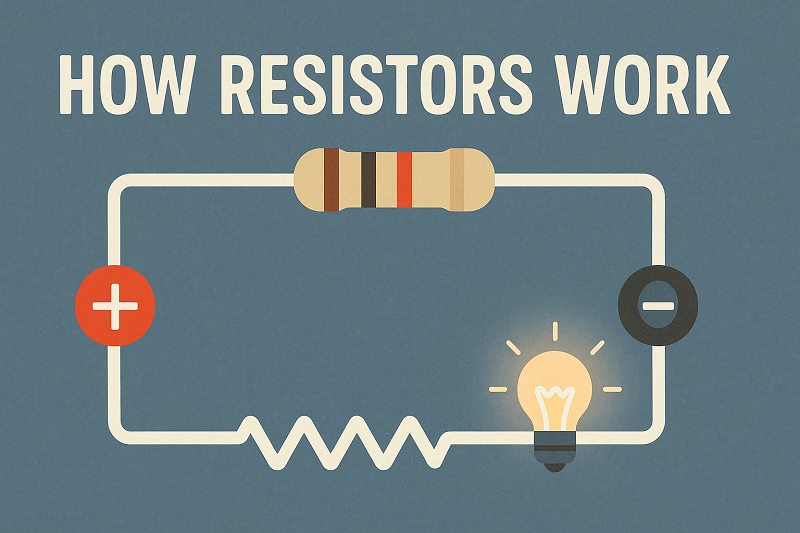
How Resistors Work: From Basic Principles to Advanced Applications2025-07-30
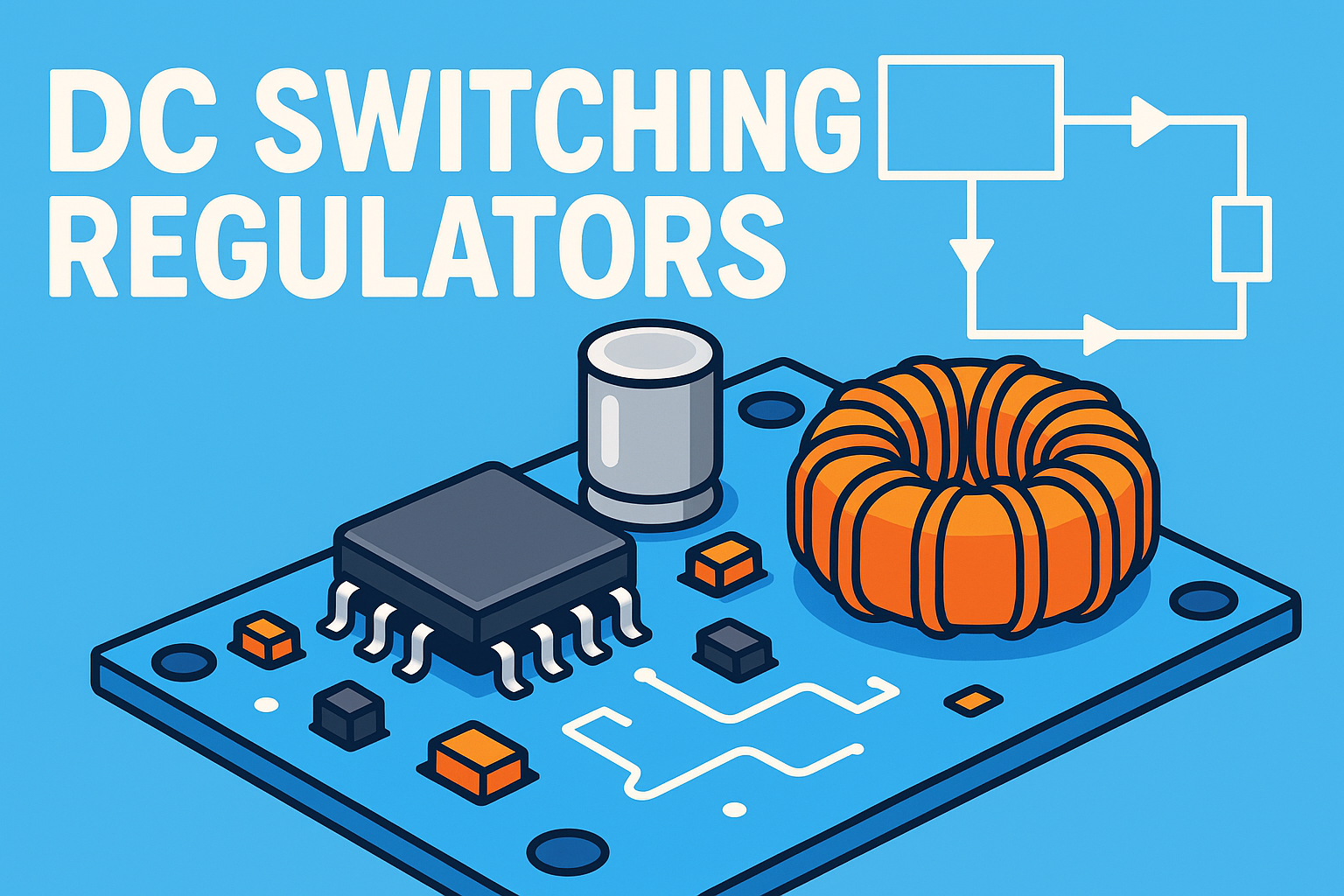
DC Switching Regulators: Principles, Selection, and Applications2025-05-30
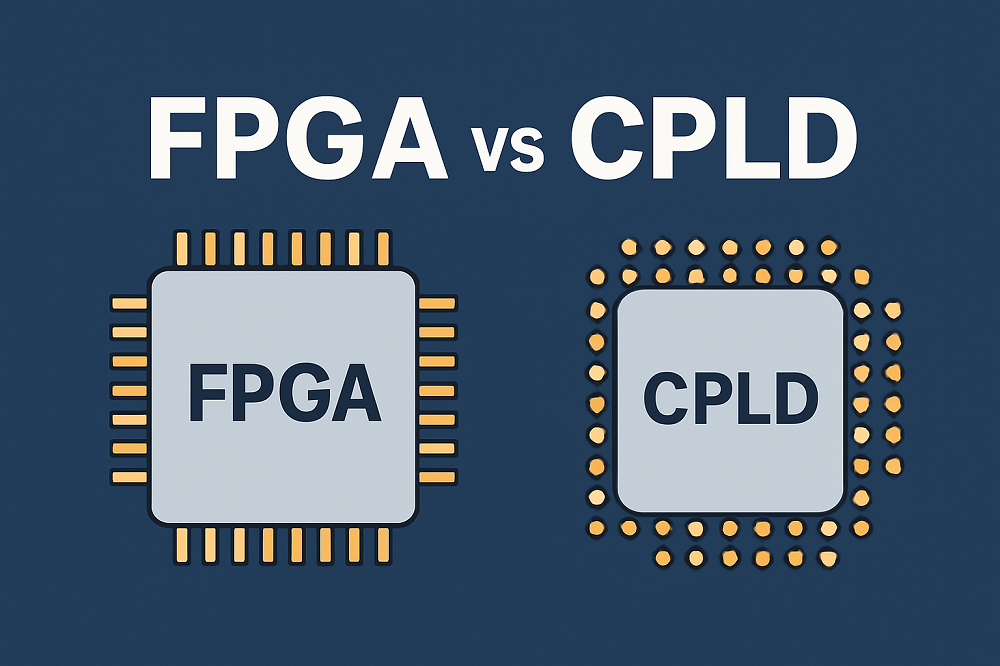
FPGA vs CPLD: In-depth Analysis of Architecture, Performance and Application2025-05-07
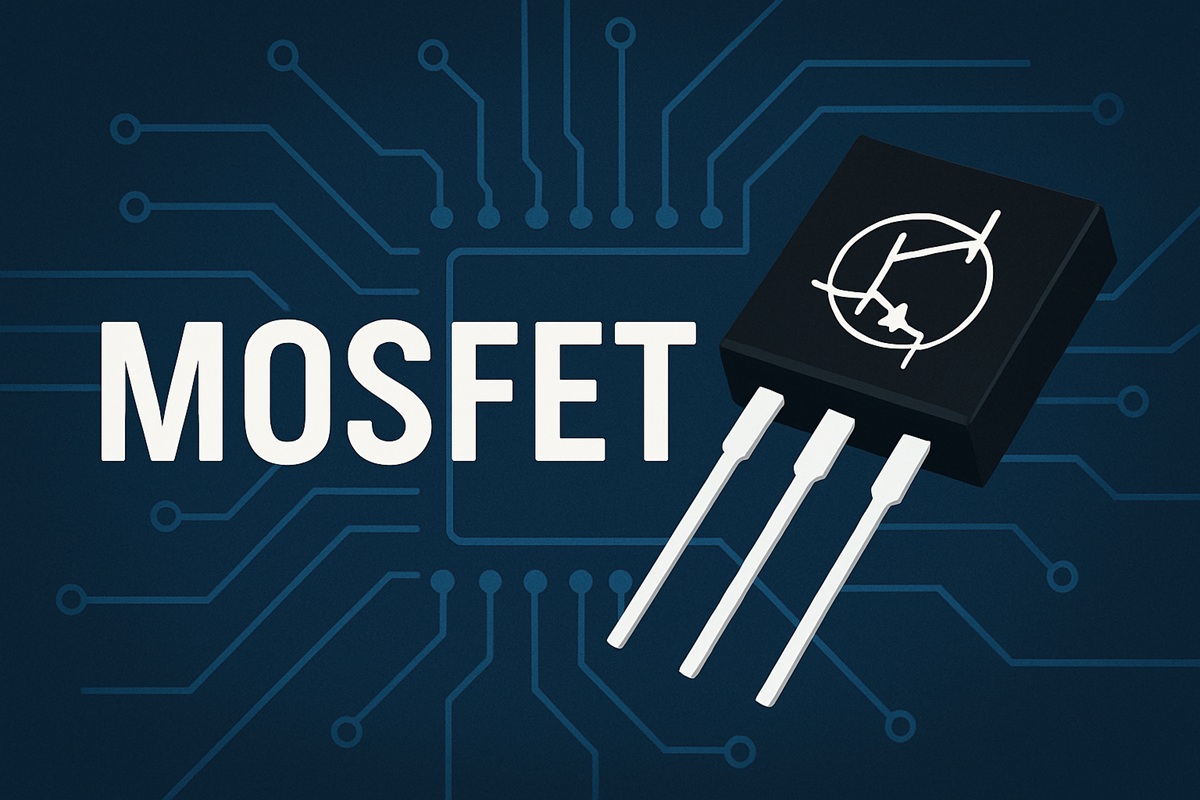
MOSFET Technology: Essential Guide to Working Principles & Applications2025-05-04
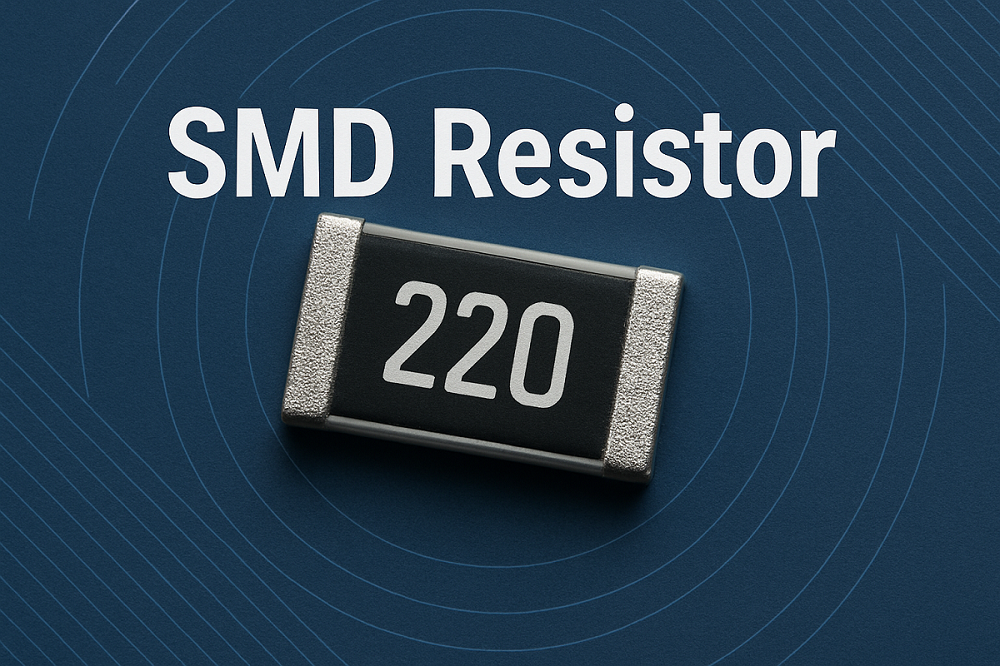
SMD Resistor: Types, Applications, and Selection Guide2025-04-30