electronic Related Articles
Stay Ahead with Expert Electronics Insights,
Industry Trends, and Innovative Tips
- Electronic Components
- News Room
- General electronic semiconductor
- Components Guide
- Sort by
- Robots
- Transmitters
- Capacitors
- IC Chips
- PCBs
- Connectors
- Amplifiers
- Memory
- LED
- Diodes
- Transistors
- Battery
- Oscillators
- Resistors
- Transceiver
- RFID
- FPGA
- Mosfets
- Sensor
- Motors, Solenoids, Driver Boards/Modules
- Relays
- Optoelectronics
- Power
- Transformer
- Fuse
- Thyristor
- potentiometer
- Development Boards
- RF/IF
- Semiconductor Information
- Sensors
- PCB
- transistor
Nowadays,almost all the focus in transportation is on self-driving ars with more and more similar initiatives with google car.Trucks, however, could also benefit from extra automation and connectivity to enable preventive maintenance, improve safety, efficiency and cost. Might we therefore one day soon see trucks on our roads with no driver in the front seat? Jörg Rüger's comment “Not for at least 10 years; I don’t think the public would accept it,” argued Jörg Rüger, president of commercial vehicle and off-road at Bosch Mobility. “If we’re talking autonomous driving for trucks, we’re talking about motorways, not inter-urban traffic. For that, it’s not realistic from today’s point of view because when the truck leaves the motorway, it would need someone to take over.” This is because the current level of technology doesn’t provide for this degree of autonomy – yet. While Europe is in the driver’s seat when it comes to standards for increasing road safety, legislation is lagging behind the level of sophisticated solutions being developed – solutions which could lead to fully autonomous trucks. Legislation is currently being written for stop and go control systems and turn assist systems, which Rüger believes will appear in the next couple of years. Dr Thomas Dieckmann's comment “WABCO has developed its own urban turning assist collision avoidance system,” said Dr Thomas Dieckmann, leader of advanced development at WABCO. “OnCity is a single-sensor solution and the first to use LiDAR (light imaging, detection and ranging) technology.” LiDAR measures distances by illuminating a target with a pulsed laser light and measuring the reflected pulses. “The system alerts the driver visually and acoustically to a potential collision, both right before and during a turning manoeuvre,” Dr Dieckmann added. “In the future, it will be able to apply the brake autonomously to prevent collisions, should the driver fail to take corrective action.” The next level up in terms of automation – though only currently envisioned on motorways – is platoons: convoys of trucks linked and controlled electronically through short range vehicle-to-vehicle communications. Led by the front vehicle, this communication, coupled with technologies such as forward collision avoidance systems, enables the trucks to accelerate or brake simultaneously and to follow each other more closely. Potential benefits include: better fuel economy due to reduced air resistance; reduced congestion; fewer collisions; and less pressure for drivers, who could, instead of driving, plan routes, process shipping documents or simply take a break. Several trial platoon runs have been conducted in Europe – including the European Truck Platooning Challenge – but legislation is still wanting. “Platooning needs legislation to allow trucks to drive at a distance of eight to 10m, much closer together than it is currently legal,” Rüger explained, pictured left, “and to allow drivers to be on standby. “There will eventually be mixed platoons and that needs a standardised protocol. The expectation is to see these platoons on the road between 2023 and 2025.” Not everyone is keen on the idea however. The Road Haulage Association believes platooning is not feasible. Rod McKenzie's comment “Causing queues for vehicles trying to join and leave the motorway will simply create even more congestion,” cautioned Rod McKenzie. “Of course, the auto-pilot facility has the ability to remove human error and mistake – but what happens if the engine goes wrong?” As drivers won’t be concentrating on the road, they might not be able to react as quickly when there’s a system failure, for example. Another downside is that systems could potentially be hacked. How to resolve these issues To resolve these issues, Volvo Trucks is concentrating on improving human machine interaction to ensure good usability. “We provide training and methods for continuous improvements along with supporting tools to assist planning and driving,” said Michael Gudmunds, product manager, soft products. While the practicality of platoons is open to debate, commercial vehicles are already benefitting from increased connectivity and automation. “Commercial vehicles can already upload data into the cloud and download automated software updates,” said Rüger. “Infotainment is becoming more connected with smartphone integration, voice control and a Bluetooth hands-free system. Navigation systems are being used to optimise engine use and fuel consumption by providing the driver with road and environment mapping information in advance.” Real-time information about road conditions – such as the presence of black ice – can be shared between trucks via data collected by the sensors, then processed and stored in the cloud and retransmitted. Legislation for advanced emergency braking systems (AEBS) and lane departure warning (LDW) has been in place since 2015. Commercial vehicle technology supplier WABCO offers an LDW system called OnLane, which detects road markings and vehicle position, and warn the driver of imminent lane departure via visual, audible and haptic signals. The camera-based solution can distinguish between a deliberate lane change and an unintentional drift by identifying the driver’s turn signal usage.Lane keeping support takes LDW one step further by not only warning the driver but also, if no action is taken, by taking steps to ensure the vehicle stays in its lane. Volvo Trucks’ Dynamic Steering – which combines conventional hydraulic power steering with an electric motor fitted to the steering gear (pictured below) – also provides lane keeping support. The electrical control unit processes data from multiple sensors and controls the motor at 2000Hz to work out the truck’s direction and the driver’s intentions. A principle called ‘torque overlay’ corrects unintentional steering movements to keep the truck dead on course. Some trucks are already ‘smart’, benefitting from advancements in automation and connectivity, and companies are more than eager to take these capabilities to a higher level. Conclusion But there is a long path to full autonomy and, as Ruger says: “A 40tonne autonomous truck frightens people.” Autonomous commercial vehicles therefore will not appear tomorrow. “Development will be steady,” Dr Dieckmann concluded. “We will see an increase in partial automation, then further developments in the areas of manoeuvring and highway driving.”
kynix On 2017-10-12
(2017 Korea Electronic Show) From October 17th to 20th, the Korea Electronic Show(KES) will be held in Seoul,Korea. As an exhibitor of the exhibiton, Kynix Semiconductor sincerely invites you to visit this exhibition. It is believed that you can have a better understanding of our company and we can form a stabler partnership.Following are some information about the Korea Electronic Show(KES). OverviewKorea Electronics Show (KES) has always been walking along with the 51 years history of the Korean electronic industry and the most important threshold to the international markets.Having strong connections especially with Asian Pacific IT shows in Japan, Hong Kong, Taiwan, and China, the buyers from North America, Europe, and Middle East tend to schedule every October as an Asian IT show pilgrimage. Exhibit areas:Electronics Parts & Materials; 3D Convergence & 3D Printing; Software & Mobile Apps; IT ConvergenceTheme:Where the Creative Things are!Venue: COEX Hall A, Hall B,World Trade Center Seoul,Seoul, South KoreaScale:1,500 booths representing 500 companies (including 100 overseas)Visitors:70,000(4,000 foreign)Date:October 17(Tue.)-20(Fri.),2017Well-known Exhibitors:UNION SEIMITSU CO., LTD.;SILICONE VALLEY CO., LTD.;SANYO DENKI (THAILAND) CO.,LTD.;MORNSUN.etcGlobal Partners:CEAC, CCPIT, CECC, HQEW(China), TEEMA(Taiwan), JESA, JMA(Japan), HKTDC(Hong Kong), AEECC(Asia Electronics Exhibition Cooperate Conference), Messe Berlin(Germany), CEA(U.S.A), RATEK(Russia), CMAI, TEMA(India), VEIA(Vietnam)Our Booth Number:E450 Floor Plan About Kynix Kynix Semiconductor has founded for 10 years since 2008. These 10 years have witnessed our company's trials of becoming a better and better distributor and supplier in electronic components industry. In 2009, our company established the International Sales Department and became members of TBF and HKInventory. In 2010, we established cooperative relationships with accredited testing organizations like CECCLab, White Horse Lab, AAA...In 2013, we established a strategic partnership with dozens of well-known electronic components manufacturers including TI.In 2015,we reached an electronic components supply strategic partnership with Foxconn.Also ,our B2B trading platform was launched officially,whose members have exceeded 15,000 in 2017. Recently, our partners in electronics field have increased to 700. Our Advantages 1. Strong operation system2. Good warehouse management3. Cooperation with advanced international testing companies4. Cooperation with international high standard logistics companies like UPS, DHL, TNT, FedEx5. Competitive supply from SumSung / Micron / BroadCom / Freescale / Atmel / Cypress and etc... After-sales ServicesGurantee1.Each product from Kynix has been given a warranty period of 1 YEAR .During this period , we could provide free technical maintenance if there are any problems about our products.2.If you find quality problems about our products after receiving them , you could test them and apply for unconditional refund if it can be proved.But it's just on this premise that the product is not used and the packing is not damaged . Commitment to QualityKynix has always been laying emphasis on the quality of its products and maintaining a sound cooperative relation with electronic components manufacturers since its founding. It has been conducting quality-monitoring system following the rigid rules in terms of the quality of the product, delivery, and it's after-sales service. It is claimed by Kynix that all products sold are 100% authentic. Each product has been tested carefully before being sent to the customer. It is our aim to be responsible for our customers and make them satisfactory. ContactIf you have any questions, please contact us through our emails! Hope the exhibition finishes perfectly! We will be there and waiting for your coming!
kynix On 2017-09-19
ABOUT KNYIX OverviewKynix Semiconductor HongKong Limited was founded in 2008, which specializes in electronic components distribution business. With an experienced research and development,sales and management team, we have gradually established an excellent reputation and credibility in our international business. As our business philosophy, honesty and ethics are always in the first place when we serve our customers. For the accurate quotation, excellent credit, reasonable price, reliable quality, fast delivery, authentic service, we have won favorable comments of our customers.After years of steady development, Kynix has established good relationships of cooperation with well-known brand agents and manufacturers in Japan, Korea and some western countries (LG,INTEL,Foxconn,etc.). Also we have stable and good supply channels. At the meanwhile, we attach great importance to relationships with everyone in this field, and cherish every opportunity of cooperation and sharing. Company profile Company nameKynix Semiconductor HongKong LimitedYear Established2008Area of BusinessElectronic components distributionAddress of companyFlat 08,4/F Shing Yip Ind Bldg,19,19-21 Shing Yip Street Kwun Tongkowloon Hong KongProductsOptical devices, embedded systems, semiconductors, circuit protection components, passive components, connectors, sensors, etc.ServicesOffering over 60 days after-sales services Development History Kynix’s Advantages ·Our Operation SystemStrong enterprise management system, high intelligent procurement system, super stable order system, strong warehouse management system, professional inspection technology of professional shipment,convenient and efficient delivering system, applicable to PC/mobile devices. We are pleasure to serve for over 9000 clients around the world. We have spend 13 years to meet the needs from our worldwide clients and satisfy them, so we know clearly about the importance of safe delivery, timely after-sales service and intimate service. ·Warehouse ManagementWe strictly comply with the warehouse management rules. By implementing ERP system, we master the warehouse data accurately, which fundamentally ensure the accuracy and unity of actual operation, delivery status and the backend database. At the same time, it further improves the working efficiency and accomplishes the scientific management of the warehouse. Corporate Culture Kynix is constantly committed to constructing a strong corporate culture and sharing its prosperity with all of its employees. Kynix is devoted to carrying out its core corporate culture of “honesty, efficiency and reliability”, adhering to the development concept of its quality culture under the theme of human-nurturing before goods-building and earnestness, etc. Close cooperation among departments plays a key role in a company’s operation. To ensure that all of our customers can get reliable and efficient service promptly, Kynix sales department always pays high attention to each RFQ sent by our customers and proceeds it in the first place. Our purchasing department is responsible for goods purchasing and quality assurance. Every staff in Kynix is trying their best to do their jobs well, which makes our company better and better. Customers’ Reviews With the good cooperation, Kynix won a lot of praise from our customers. Follows are some reviews from them. “Both price and goods is suitable for my design! The seller’s service is really good! Anyway, I am indeed content with shopping of this time. Recommending Kynix strongly to everyone who wants to purchase electronic components.”——Nikita Silva “About one year ago I ordered a first shipment of parts from Kynix, so I′m giving a long-therm evaluation here. Kynix in my opinion is a reputable, professional supplier with great pricing, communication, care taking/handling and reassurance that no fake-parts are sold. I am very confident in their service and I′m currently preparing another shipment of same size......”——Florian Poeschko “Great seller, the best service.Very pleasant to deal business with such company.”——Crystal Ling “I placed a trial order in Kynix Semiconductor’s website, and I received the parts.They are all good and well packaged. The service is also excellent. I think I will but again!”——Madele “This is my second order. I got an excellent service and the delivery is very fast. I am very satisfied. Thank you.”——Gustavo “I am a regular customer of Kynix Semiconductor. After years of purchasing components here, I have to say these good points about it. And these are the reason why I want to recommend Kynix if you want to buy components for your design. Items: Standard, hard-to-get and long obsolete components like - Transistors (e.g. Sanyo 2SK44, Fairchild FQPF11P06) - Diodes (e.g. Rohm 1S2473, Toshiba 1S1588) - Integrated circuits (e.g. National Semiconductors LM308) Quotation: The quotation (pre-buy) was turned around fast, it was accurate and clear (including shipping costs). Several parts needed communication on my behalf with a sales assistant who was able to answer every question I had (e.g. is component definitely from the manufacturer I specified, can I see another picture, etc.). All my necessities we′re met and all components/manufacturers could be found. Pictures were sent for confirmation where needed and matched parts sent. Parts: After working with the parts over the past year I can say they are all of genuine brand/manufacturer and I haven′t yet had a single defective component. Packaging: All parts were sent in sealed soft-bags/hard batch-casings and accurately labelled (part number, manufacturer and amount). Bags can be opened and sealed again which makes them great for both storage and regular use. Shipment: The whole shipment was packed carefully and no damage to any parts. It was delivered faster as expected and customs were taken care of hassle-free. The cost was very reasonable. Pricing: The pricing was excellent especially with greater amounts which was why I could purchase a greater amount for surplus (In some instances several hundreds of them.) I feel really good with their good quality and excellent service. Hope this evaluation can help you!”——Pinellis Sam Kynix’s ProspectIn 2015, Kynix Semiconductor’s annual value of production had reached $50 million. And our partners in electronics field increased to 700 in 2016. Now the Chinese version of Kynix website is moving ahead and will be launched soon. ContactIf you want to know more about Kynix Semiconductor and our products, please view our website! Or you can contact us through our email: info@kynix.com. Come and buy good products at lower price from us!
kynix On 2017-09-13
(A test sample comprised of a thermal chip, a heat spreader and a microcooler demonstrates the efficiency of diamond for removing heat from hotspots in semiconductor electronics.) Powerful electronic components can get very hot. When many components are combined into a single semiconductor chip, heating can become a real problem. An overheating electronic component wastes energy and is at risk of behaving unpredictably or failing altogether. Consequently, thermal management is a vital design consideration. This becomes particularly important in devices made from gallium nitride. "Gallium nitride is capable of handling high voltages, and can enable higher power capability and very large bandwidth," says Yong Han from the A*STAR Institute of Microelectronics. "But in a gallium nitride transistor chip, the heat concentrates on tiny areas, forming several hotspots." This exacerbates the heating problem. Han and co-workers demonstrate both experimentally and numerically that a layer of diamond can spread heat and improve the thermal performance of gallium nitride devices. The researchers created a thermal test chip that contained eight tiny hotspots, each 0.45 by 0.3 millimeters in size, to generate the heat created in actual devices. They bonded this chip to a layer of high quality diamond fabricated using a technique called chemical vapor deposition. The diamond heat spreader and test chip were connected using a thermal compression bonding process. This was then connected to a microcooler, a device consisting of a series of micrometer-wide channels and a micro-jet impingement array. Water impinges on the heat source wall, and then passes through the micro-channels to remove the heat and keep the structure cool. Han and the team tried their device by generating 10–120 Watts of heating power in test chips of 100 and 200-micrometer thickness. To dissipate the heating power, the diamond heat spreading layer and microcooler helped maintain the structure at a temperature below 160 degrees Celsius. In fact, the maximum chip temperature was 27.3 per cent lower than another device using copper as the heat spreading layer, and over 40 per cent lower than in a device with no spreading layer. The experimental results were further confirmed by thermal simulations. The simulations also indicated that the performance could be improved further by increasing the thickness of the diamond layer, and that good bonding quality between the gallium nitride chip and the diamond heat spreader was crucial to obtain the best performance. "We next hope to develop a novel micro-fluid cooler of higher and more uniform cooling capability, and to achieve thermal management using a diamond layer of high thermal conductivity near an electronic gate," says Han. Ref.KY56-MJL4302AKY56-PZTA06KY56-FZT958TA
kynix On 2017-09-11
The world's most precise clock has been fine-tuned to boost radar and GPS capabilities.The Cryogenic Sapphire Oscillator, or Sapphire Clock, has been enhanced by researchers from the University of Adelaide in South Australia to achieve near attosecond capability. The oscillator is 10-1000 times more stable than competing technology and allows users to take ultra-high precision measurements to improve the performance of electronic systems. Increased time precision is an integral part of radar technology and quantum computing, which have previously relied on the stability of quartz oscillators as well as atomic clocks such as the Hydrogen Maser. Atomic clocks are the gold-standard in time keeping for long-term stability over months and years. However, electronic systems need short-term stability over a second to control today's devices. The new Sapphire Clock has a short-term stability of better than 1x10-15, which is equivalent to only losing or gaining one second every 40 million years, 100 times better than commercial atomic clocks over a second. The original Sapphire Clock was developed by Professor Andre Luiten in 1989 in Western Australia before the team moved to South Australia to continue developing the device at the University of Adelaide. Lead researcher Martin O'Connor said the development group was in the process of modifying the device to meet the needs of various industries including defence, quantum computing and radio astronomy. The 100cm x 40cm x 40cm clock uses the natural resonance frequency of a synthetic sapphire crystal to maintain a steady oscillator signal.Associate Professor O'Connor said the machine could be reduced to 60 per cent of its size without losing much of its capability."Our technology is so far ahead of the game, it is now the time to transfer it into a commercial product," he said. "We can now tailor the oscillator to the application of our customers by reducing its size, weight and power consumption but it is still beyond current electronic systems." The Sapphire Clock, also known as a microwave oscillator, has a 5 cm cylinder-shaped crystal that is cooled to -269C. Microwave radiation is constantly propagating around the crystal with a natural resonance. The concept was first discovered by Lord Rayleigh in 1878 when he could hear someone whispering far away on the other side of the church dome at St Paul's Cathedral. The clock then uses small probes to pick up the faint resonance and amplifies it back to produce a pure frequency with near attosecond performance."An atomic clock uses an electronic transition between two energy levels of an atom as a frequency standard," Associate Professor O'Connor said."The atomic clock is what is commonly used in GPS satellites and in other quantum computing and astronomy applications but our clock is set to disrupt these current applications." The lab-based version already has an existing customer in the Defence Science and Technology Group (DST Group) in Adelaide, but Associate Professor O'Connor said the research group was also looking for more clients and was in discussion with a number of different industry groups. The research group is taking part in the Commonwealth Scientific and Industrial Research Organisation's (CSIRO's) On Prime pre-accelerator program, which helps teams identify customer segments and build business plans. Ref.KY45-E3X-DA6KY163-TX179
kynix On 2017-09-08
A new, electronic skin microsystem tracks heart rate, respiration, muscle movement and other health data, and wirelessly transmits it to a smartphone. The electronic skin offers several improvements over existing trackers, including greater flexibility, smaller size, and the ability to stick the self-adhesive patch -- which is a very soft silicone about four centimeters (1.5 inches) in diameter -- just about anywhere on the body. (A research team led by Professor Kyung-In Jang of Robotics Engineering collects, analyzes, and diagnoses bio-signals wirelessly transmitted to mobile application from the soft electronic skin.) The microsystem was developed by an international team led by Kyung-In Jang, a professor of robotics engineering at South Korea's Daegu Gyeongbuk Institute of Science and Technology, and John A. Rogers, the director of Northwestern University's Center for Bio-Integrated Electronics. The team described the new device in the journal Nature Communications. The electronic skin contains about 50 components connected by a network of 250 tiny wire coils embedded in protective silicone. The soft material enables it to conform to body, unlike other hard monitors. It wirelessly transmits data on movement and respiration, as well as electrical activity in the heart, muscles, eyes and brain to a smartphone application. Unlike flat sensors, the tiny wires coils in this device are three-dimensional, which maximizes flexibility. The coils can stretch and contract like a spring without breaking. The coils and sensor components are also configured in an unusual spider web pattern that ensures "uniform and extreme levels of stretchability and bendability in any direction." It also enables tighter packing of components, minimizing size. The researchers liken the design to a winding, curling vine, connecting sensors, circuits and radios like individual leaves on the vine. The key to creating this novel microsystem is stretching the elastic silicone base while the tiny wire arcs, made of gold, chromium and phosphate, are laid flat onto it. The arcs are firmly connected to the base only at one end of each arc. When the base is allowed to contract, the arcs pop up, forming three-dimensional coils. The entire system is powered wirelessly rather than being charged by a battery. The researchers also considered key electrical and mechanical issues to optimize the system's physical layout, such as sensor placement or wire length, to minimize signal interference and noise. The electronic skin could be used in a variety of applications, including continuous health monitoring and disease treatment. Professor Jang states "Combining big data and artificial intelligence technologies, the wireless biosensors can be developed into an entire medical system which allows portable access to collection, storage, and analysis of health signals and information." He added "We will continue further studies to develop electronic skins which can support interactive telemedicine and treatment systems for patients in blind areas for medical services such as rural houses in mountain village." The microsystem could also be used in other areas of emerging interest, such as soft robotics or autonomous navigation, which the team is now investigating. Ref. KY32-AD22050RZ KY32-AD9945KCPZ
kynix On 2017-09-04
Join our mailing list!
Be the first to know about new products, special offers, and more.
Feature Posts
How Resistors Work: From Basic Principles to Advanced Applications2025-07-30
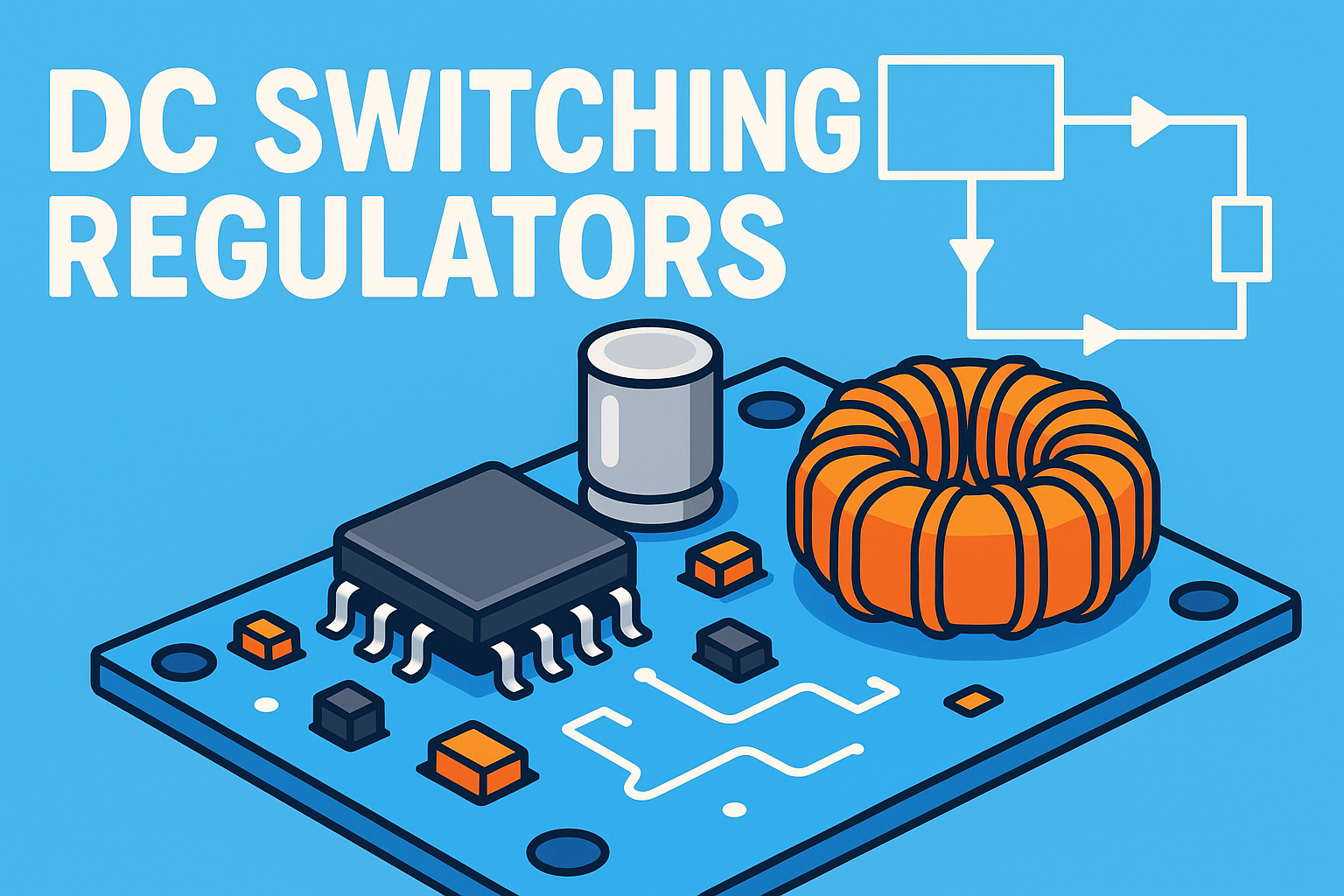
DC Switching Regulators: Principles, Selection, and Applications2025-05-30
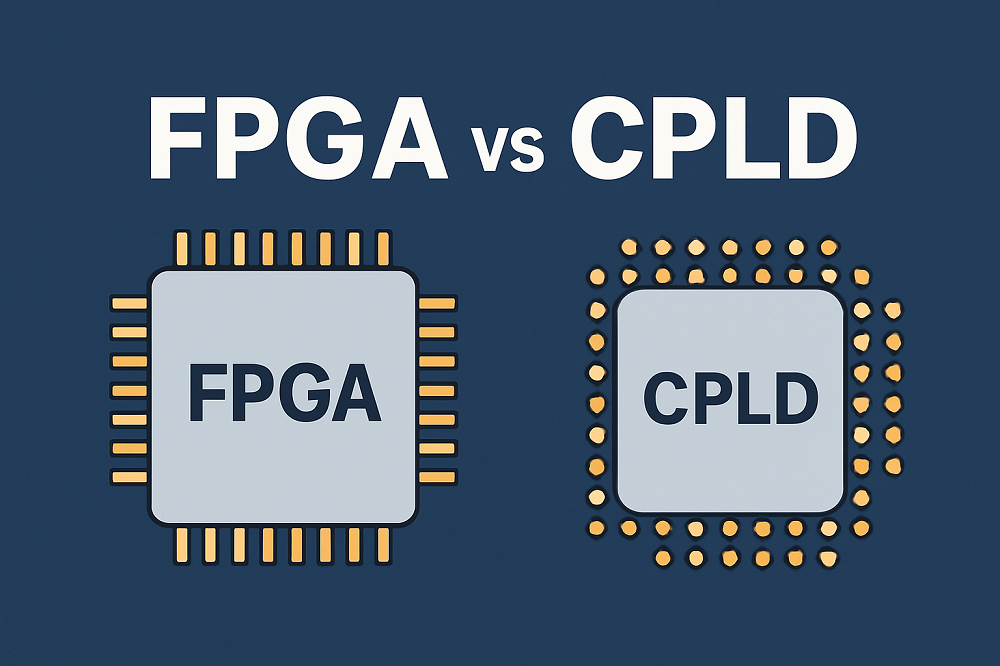
FPGA vs CPLD: In-depth Analysis of Architecture, Performance and Application2025-05-07
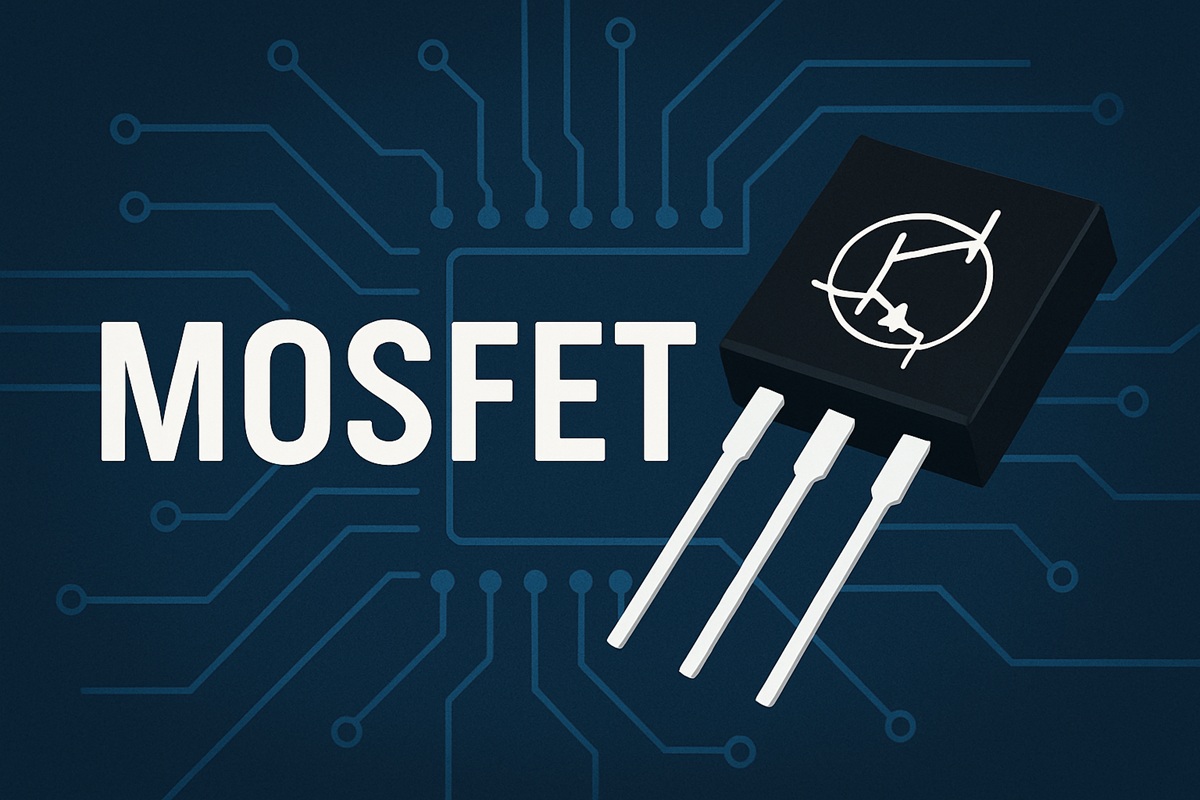
MOSFET Technology: Essential Guide to Working Principles & Applications2025-05-04
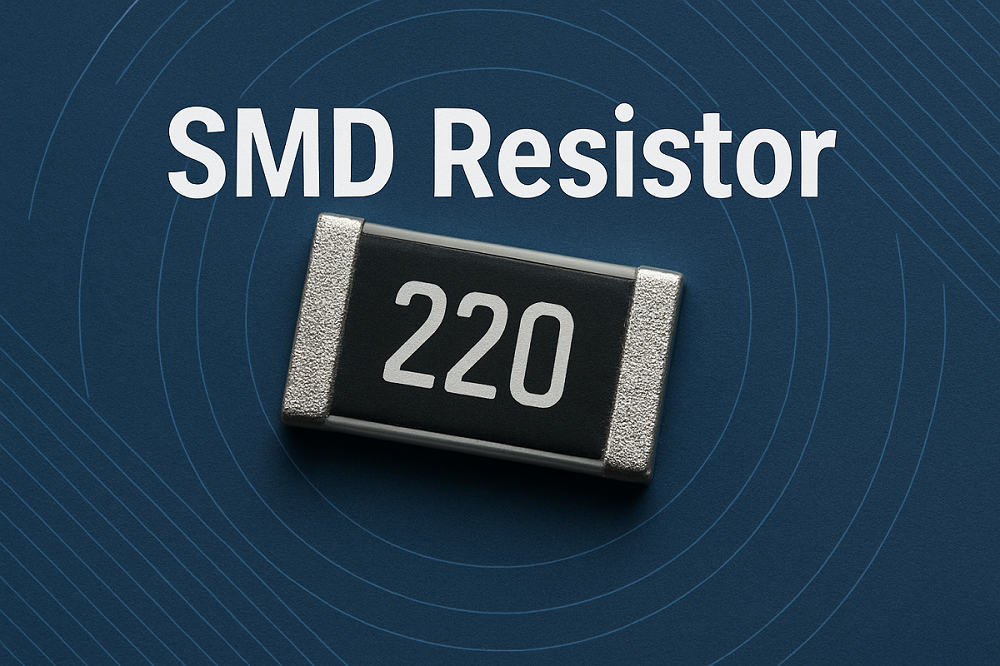
SMD Resistor: Types, Applications, and Selection Guide2025-04-30