The Kynix Blog
Stay Ahead with Expert Electronics Insights,
Industry Trends, and Innovative Tips
- Electronic Components
- News Room
- General electronic semiconductor
- Components Guide
- Sort by
- Robots
- Transmitters
- Capacitors
- IC Chips
- PCBs
- Connectors
- Amplifiers
- Memory
- LED
- Diodes
- Transistors
- Battery
- Oscillators
- Resistors
- Transceiver
- RFID
- FPGA
- Mosfets
- Sensor
- Motors, Solenoids, Driver Boards/Modules
- Relays
- Optoelectronics
- Power
- Transformer
- Fuse
- Thyristor
- potentiometer
- Development Boards
- RF/IF
- Semiconductor Information
- PCB
- transistor
When it comes to modern networking, you can't overlook the role of Ethernet PHYs. These tiny components are the backbone of high-speed connections, ensuring your network operates smoothly while conserving energy. For example, the DP83825I Ethernet PHY consumes less than 125 mW, helping reduce heat and freeing up power for other critical devices. Lower latency in Ethernet PHYs also boosts real-time communication, making your network faster and more efficient. Whether you're managing data centers or industrial systems, choosing the right Ethernet PHY is key to achieving energy-efficient, high-performance networking in 2025.Criteria for Selecting the Best Ethernet PHYsEnergy Efficiency StandardsWhen you're choosing an Ethernet PHY, energy efficiency should be at the top of your list. Why? Because a more efficient PHY not only saves power but also reduces heat, which is crucial for maintaining reliable performance. One key standard to look for is the IEEE 802.3az Energy Efficient Ethernet. This standard introduces a clever feature called "low-power idle." It helps the PHY consume less energy when data transmission is low. Organizations like the EPA even back this standard through their Energy Star program, showing how important it is for energy-saving initiatives.By picking a PHY that meets these standards, you can ensure your network stays eco-friendly without compromising on connectivity. Plus, you'll save on energy costs in the long run.Performance Metrics (Speed, Latency, Bandwidth)Performance is another critical factor. You want a PHY that delivers high speeds, low latency, and sufficient bandwidth for your needs. For example, if you're running a data center or handling AI workloads, you'll need a PHY that supports multi-gigabit speeds. Low latency is equally important, especially for real-time applications like video conferencing or online gaming. And don't forget about bandwidth—it determines how much data your network can handle at once.Choosing a PHY with the right performance metrics ensures your network runs smoothly, even under heavy loads. It also helps you avoid bottlenecks that could slow down your operations.Compatibility with Modern Networking TechnologiesYour Ethernet PHY should work seamlessly with the latest networking technologies. Whether you're upgrading to Wi-Fi 7 or integrating IoT devices, compatibility is key. A modern PHY should support advanced features like 5G connectivity and AI-driven workloads. This ensures your network remains scalable and future-proof.By focusing on compatibility, you can avoid costly upgrades down the line. Plus, you'll be ready to adopt new technologies as they emerge.Scalability and Future-ProofingWhen you're investing in an Ethernet PHY, scalability and future-proofing are two things you can't ignore. Networks are evolving fast, and the last thing you want is to upgrade your hardware every few years. A future-proof Ethernet PHY ensures your network can handle growing demands without breaking a sweat.Why does scalability matter so much? Well, data centers and AI workloads are pushing network boundaries like never before. Experts like John Koeter from Synopsys point out that hyperscale data centers need faster Ethernet speeds to keep up with massive compute demands. Peter Jones from the Ethernet Alliance also highlights how networks are now crossing the Terabits per second threshold, driven by AI applications. These trends show that the need for scalable solutions is only going to grow.Here’s what to look for in a scalable Ethernet PHY:Support for emerging standards like 1.6T Ethernet, which is expected to meet future bandwidth and latency needs.Multi-channel or multi-rate Ethernet controllers that reduce latency and improve efficiency.Compatibility with technologies like AI, IoT, and 5G, ensuring your network stays ahead of the curve.The Ethernet 1.6T standard is still in development, but it’s a clear sign of where the industry is headed. By choosing a PHY that aligns with these advancements, you’re not just meeting today’s needs—you’re preparing for tomorrow’s challenges. So, think long-term. A scalable, future-proof PHY isn’t just a smart choice; it’s an investment in your network’s success.Top 5 Ethernet PHYs for 2025Marvell 5 nm Multi-Gigabit Ethernet PHYIf you're looking for cutting-edge technology, the Marvell 5 nm Multi-Gigabit Ethernet PHY is a standout. Built on a 5 nm process, it delivers exceptional performance while keeping energy consumption low. This PHY supports high data rates, making it perfect for applications requiring high bandwidth, like data centers or enterprise networks. Its compact design also ensures seamless integration into modern systems.One of the key features of this PHY is its support for 224G Ethernet, which is crucial for handling the growing demands of high-speed connectivity. It also excels in reducing latency, ensuring smooth and reliable communication even under heavy loads. Whether you're upgrading your network or building a new one, this robust PHY offers the scalability and future-proofing you need.Tip: The Marvell 5 nm Multi-Gigabit Ethernet PHY is ideal for environments where both high speeds and energy efficiency are priorities.Microchip Technology Compact Ethernet PHYThe Microchip Technology Compact Ethernet PHY is another excellent choice for energy-efficient networking. Designed with compactness in mind, this PHY is perfect for applications where space is limited but performance cannot be compromised. It supports 224G Ethernet, ensuring compatibility with the latest networking standards.This PHY stands out for its low power consumption, making it a great option for eco-conscious users. It also offers high bandwidth and low latency, ensuring your network can handle demanding tasks like video streaming or AI workloads. Plus, its robust design minimizes interference, ensuring stable and reliable Ethernet connections.Here’s how it compares to other models in terms of energy efficiency:Product ModelPower Consumption (W per Gbps)Comparison to CompetitorsForce10 ExaScale E1200i4.77Less than half of Cisco Nexus 7000, 23% less than Juniper EX8216Cisco Nexus 70009.28-Juniper EX82166.15-Force10 ExaScale E1200i3.34Less than Cisco Nexus 7000, 56% less than Juniper EX8216Cisco Nexus 70007.59-Juniper EX82164.69-As you can see, the Microchip Technology Compact Ethernet PHY offers a competitive edge in energy efficiency, making it a smart choice for modern networks.Ultra Ethernet PHY for AI WorkloadsAI workloads demand Ethernet PHYs that can handle high data rates and low latency, and the Ultra Ethernet PHY delivers on both fronts. This PHY is specifically designed for AI-driven applications, offering the high bandwidth needed to process massive amounts of data in real time. Its advanced architecture ensures minimal latency, making it ideal for tasks like machine learning and neural network training.The Ultra Ethernet PHY also supports 1.6T Ethernet, ensuring it can meet the demands of future AI applications. Its robust design minimizes interference, ensuring stable and reliable connectivity even in challenging environments. Whether you're running an AI lab or managing a data center, this PHY provides the performance and scalability you need.Here’s a visual representation of how it compares to other models in terms of energy consumption:Image Source: statics.mylandingpages.coThe Ultra Ethernet PHY is a game-changer for AI workloads, offering the perfect balance of speed, efficiency, and reliability.Broadcom High-Speed Ethernet PHYWhen it comes to high-speed networking, the Broadcom High-Speed Ethernet PHY is a top contender. This PHY is designed to deliver exceptional performance, making it a great choice for demanding applications. Whether you're managing a data center or working on enterprise-level projects, this PHY ensures your network operates at peak efficiency.One of the standout features of this PHY is its support for 224G Ethernet. This capability allows it to handle massive amounts of data with ease, ensuring smooth connectivity even during peak usage. You’ll also appreciate its ability to maintain low latency, which is crucial for real-time applications like video streaming or online gaming.Here’s why the Broadcom High-Speed Ethernet PHY stands out:Blazing Speeds: It supports some of the fastest Ethernet speeds available, ensuring your network can handle high-bandwidth tasks.Energy Efficiency: Despite its high performance, it’s designed to consume less power, helping you save on energy costs.Future-Ready: With support for 1.6T Ethernet, this PHY is built to meet the demands of tomorrow’s networks.Tip: If you’re planning to upgrade your network infrastructure, the Broadcom High-Speed Ethernet PHY is a solid investment. It combines speed, efficiency, and scalability, making it a future-proof solution.Intel Ethernet PHY for Data CentersData centers demand Ethernet PHYs that can handle heavy workloads without compromising on performance. That’s where the Intel Ethernet PHY for Data Centers shines. It’s specifically engineered to meet the unique needs of data centers, offering unmatched reliability and efficiency.This PHY supports 224G Ethernet, ensuring it can handle the massive bandwidth requirements of modern data centers. It also integrates seamlessly with existing infrastructure, making it a versatile choice for upgrades or new installations. Plus, its advanced design minimizes interference, ensuring stable and reliable connectivity.Here’s what makes the Intel Ethernet PHY for Data Centers a standout option:High Bandwidth: It’s built to handle the growing data demands of AI workloads and cloud computing.Energy Optimization: Its energy-efficient design reduces operational costs while maintaining top-notch performance.Scalability: With support for 1.6T Ethernet, this PHY ensures your data center is ready for future advancements.Note: If you’re managing a data center, the Intel Ethernet PHY offers the perfect balance of speed, efficiency, and scalability. It’s a reliable choice for handling the most demanding workloads.Detailed Analysis of Each Ethernet PHYMarvell 5 nm Multi-Gigabit Ethernet PHY Features, Benefits, and Use CasesThe Marvell 5 nm Multi-Gigabit Ethernet PHY is a marvel of modern engineering. Its 5 nm process technology ensures it delivers top-notch performance while consuming minimal energy. This makes it a go-to choice for applications like hyperscale data centers, where efficiency and speed are critical. Supporting 224G Ethernet, this PHY handles massive data loads effortlessly, ensuring smooth operations even during peak usage.One of its standout features is its low latency. This ensures real-time communication, which is essential for tasks like video streaming or cloud gaming. Its compact design also makes it easy to integrate into high-density data centers, where space is often at a premium. Whether you're upgrading your network or building a new one, this PHY offers the scalability you need to stay ahead.Tip: If you're looking for a future-proof solution, the Marvell 5 nm Multi-Gigabit Ethernet PHY is a solid investment. Its support for 1.6T Ethernet ensures you're ready for the next wave of networking advancements.Microchip Technology Compact Ethernet PHY Features, Benefits, and Use CasesThe Microchip Technology Compact Ethernet PHY is all about balancing performance with space efficiency. Its compact design makes it ideal for environments where space is limited but performance can't be compromised. Supporting 224G Ethernet, it ensures compatibility with the latest networking standards.This PHY excels in energy efficiency, consuming less power while maintaining high performance. Automated tests like Power Spectral Density and jitter analysis confirm its compliance with industry standards, ensuring reliable operation. Its robust design minimizes interference, making it perfect for applications like industrial automation or IoT networks.Note: The Microchip Technology Compact Ethernet PHY is a great choice for eco-conscious users. Its energy-efficient design helps reduce operational costs while maintaining top-tier performance.Ultra Ethernet PHY for AI Workloads Features, Benefits, and Use CasesAI workloads demand Ethernet PHYs that can handle high data rates and low latency, and the Ultra Ethernet PHY delivers on both fronts. Designed specifically for AI-driven applications, it supports 1.6T Ethernet, ensuring it can meet the demands of future AI workloads. Its advanced architecture minimizes latency, making it ideal for tasks like machine learning and neural network training.This PHY also excels in signal integrity. Analytical methods like eye diagrams and FFT analysis ensure it performs reliably even in challenging environments. Whether you're running an AI lab or managing a data center, this PHY provides the performance and scalability you need.Callout: The Ultra Ethernet PHY is a game-changer for AI workloads. Its ability to handle massive data loads with minimal latency makes it a must-have for cutting-edge applications.Broadcom High-Speed Ethernet PHY Features, Benefits, and Use CasesThe Broadcom High-Speed Ethernet PHY is a powerhouse for modern networking. It’s designed to deliver blazing speeds and exceptional reliability, making it a top choice for demanding environments. Whether you’re managing hyperscale data centers or upgrading enterprise networks, this PHY ensures your system operates at peak performance.One of its standout features is its support for 224G Ethernet. This capability allows it to handle massive data loads effortlessly, ensuring smooth connectivity even during peak usage. You’ll also appreciate its energy-efficient design, which helps reduce operational costs without compromising performance.Here’s why you might choose the Broadcom High-Speed Ethernet PHY:Unmatched Speed: It supports some of the fastest Ethernet speeds available, perfect for high-bandwidth tasks.Energy Efficiency: Despite its high performance, it consumes less power, making it eco-friendly.Future-Ready: With support for 1.6T Ethernet, this PHY is built to meet the demands of tomorrow’s networks.Tip: If you’re planning to upgrade your network infrastructure, the Broadcom High-Speed Ethernet PHY is a solid investment. It combines speed, efficiency, and scalability, making it a future-proof solution.Intel Ethernet PHY for Data Centers Features, Benefits, and Use CasesThe Intel Ethernet PHY for Data Centers is built to handle the unique challenges of modern data centers. It’s engineered for reliability, efficiency, and scalability, making it a go-to choice for hyperscale data centers. If you’re managing heavy workloads, this PHY ensures your network stays fast and stable.This PHY supports 224G Ethernet, which is essential for handling the massive bandwidth demands of AI workloads and cloud computing. Its advanced design minimizes interference, ensuring stable and reliable connectivity. Plus, it integrates seamlessly with existing infrastructure, so you won’t have to worry about compatibility issues.Here’s what makes the Intel Ethernet PHY stand out:High Bandwidth: It’s built to handle the growing data demands of modern applications.Energy Optimization: Its energy-efficient design reduces operational costs while maintaining top-notch performance.Scalability: With support for 1.6T Ethernet, this PHY ensures your data center is ready for future advancements.Note: If you’re managing a data center, the Intel Ethernet PHY offers the perfect balance of speed, efficiency, and scalability. It’s a reliable choice for handling the most demanding workloads.Comparing the Top Ethernet PHYsEnergy Efficiency ComparisonWhen it comes to energy efficiency, not all Ethernet PHYs are created equal. Some models, like the Microchip Technology Compact Ethernet PHY, are designed to consume minimal power, making them ideal for eco-conscious networks. Others, such as the Marvell 5 nm Multi-Gigabit Ethernet PHY, balance energy savings with high performance. Features like Energy Efficient Ethernet (EEE) play a big role here. This technology allows PHYs to enter a low-power idle mode when no data is being transmitted, reducing overall power consumption.For example, the Ultra Ethernet PHY for AI Workloads also excels in energy efficiency. It’s built to handle demanding tasks while keeping power usage low. If you’re looking to save on energy costs without sacrificing connectivity, these PHYs are excellent choices.Performance ComparisonPerformance is where these Ethernet PHYs truly shine. The Marvell 5 nm Multi-Gigabit Ethernet PHY leads the pack with its support for 224G Ethernet, offering blazing speeds and low latency. This makes it perfect for high-bandwidth applications like data centers. Similarly, the Broadcom High-Speed Ethernet PHY delivers exceptional speeds and reliability, ensuring smooth operations even during peak usage.The Ultra Ethernet PHY stands out for AI workloads. Its advanced architecture minimizes latency, which is crucial for real-time data processing. Meanwhile, the Intel Ethernet PHY for Data Centers combines high bandwidth with energy optimization, making it a reliable choice for heavy workloads. Each PHY offers unique strengths, so your choice depends on your network’s specific needs.Best Use Cases for Each PHYChoosing the right Ethernet PHY depends on your requirements. Here’s a quick guide to help you decide:FeatureDescriptionMarvell 5 nm PHYIdeal for hyperscale data centers needing high speeds and low latency.Microchip Compact PHYPerfect for space-constrained environments with eco-friendly goals.Ultra Ethernet PHYBest for AI-driven applications requiring real-time data processing.Broadcom High-Speed PHYGreat for enterprise networks needing reliable high-speed connectivity.Intel Data Center PHYTailored for data centers handling massive workloads and requiring scalability.When selecting a PHY, consider factors like the MAC interface, environmental requirements, and features like auto-negotiation. These ensure compatibility and ease of use while meeting your network’s demands.Trends in Ethernet PHY Development for 2025Image Source: unsplashAdvances in Energy EfficiencyEnergy efficiency is a top priority in Ethernet PHY development, and the latest advancements are impressive. Companies like Microchip Technology and Marvell are leading the way with innovative designs. For instance, Microchip's LAN887x PHY transceivers consume just 16 μA in standby mode while supporting speeds up to 1000 Mbps. This makes them perfect for energy-conscious industries like automotive and industrial applications. Similarly, Marvell's 5 nm multi-gigabit PHY platform reduces power consumption by over 50% while delivering up to 10 Gbps bandwidth. These advancements not only save energy but also enhance performance, making networks more sustainable and efficient.Tip: When choosing a PHY, look for features like low-power idle modes and advanced process technologies. These can significantly reduce your network's energy footprint.Integration with AI and IoTThe rise of AI and IoT is reshaping the Ethernet PHY landscape. You’ve probably noticed how connected devices are everywhere—from smart homes to industrial automation. This trend is driving demand for high-density Ethernet transceivers that can handle massive data loads. The automotive industry, for example, is adopting Ethernet PHYs to power connected cars. Meanwhile, the global Ethernet PHY market is expected to grow at a CAGR of 6.02%, reaching $12.4 billion by 2032. This growth is fueled by the need for high-speed internet, cloud computing, and IoT devices.To keep up, manufacturers are integrating optics into transceivers and adopting technologies like PAM4 modulation. These innovations improve connectivity and ensure Ethernet PHYs can handle the demands of AI-driven applications.Support for 5G and Beyond5G is revolutionizing connectivity, and Ethernet PHYs are stepping up to support this transformation. Countries like Saudi Arabia and Finland have already achieved downlink speeds of up to 6200 Mbps with 5G Fixed Wireless Access. This level of performance enables gigabit access for homes and even 10-gigabit access for enterprises. Ethernet PHYs play a crucial role here, ensuring seamless data transfer and low latency.As 5G networks expand, you’ll see more PHYs designed to handle higher bandwidth and faster speeds. These advancements will make it easier to adopt technologies like augmented reality, smart cities, and advanced cloud services. If you’re planning for the future, investing in a PHY that supports 5G and beyond is a smart move.Choosing the right Ethernet PHY can make a big difference in your network’s performance and energy savings. The top models for 2025, like Marvell’s 5 nm PHY and Intel’s data center solution, offer cutting-edge features that balance speed, efficiency, and scalability. If you’re working with AI workloads, the Ultra Ethernet PHY is a smart pick. For compact spaces, Microchip’s PHY fits the bill. Staying informed about advancements ensures your network stays future-proof and ready for emerging technologies.FAQWhat is an Ethernet PHY, and why is it important?An Ethernet PHY is a physical layer transceiver that connects your device to a network. It converts digital data into signals for transmission. Without it, your devices couldn’t communicate over Ethernet. It’s essential for fast, reliable, and energy-efficient networking.How do I choose the right Ethernet PHY for my network?Focus on your needs. Look for energy efficiency, speed, and compatibility with your existing setup. If you’re running AI workloads, pick a PHY with low latency. For data centers, choose one with high bandwidth and scalability. Always check for future-proof features.Are energy-efficient Ethernet PHYs worth the investment?Absolutely! Energy-efficient PHYs save power, reduce heat, and lower operational costs. They also help your network run more reliably. Over time, the savings on energy bills and improved performance make them a smart choice for both businesses and individuals.Can Ethernet PHYs handle 5G and IoT technologies?Yes, many modern Ethernet PHYs are designed to support 5G and IoT. They offer high speeds, low latency, and advanced features to handle the massive data loads these technologies require. Look for PHYs with 1.6T Ethernet support for future-proofing.What’s the difference between 224G and 1.6T Ethernet?224G Ethernet supports speeds up to 224 gigabits per second, ideal for current high-speed applications. 1.6T Ethernet, on the other hand, is the next-gen standard, offering even faster speeds and higher bandwidth. It’s perfect for future AI, IoT, and hyperscale data center needs.Tip: If you’re planning for the future, go for a PHY that supports 1.6T Ethernet. It ensures your network stays ahead of the curve.
Kynix On 2025-05-22
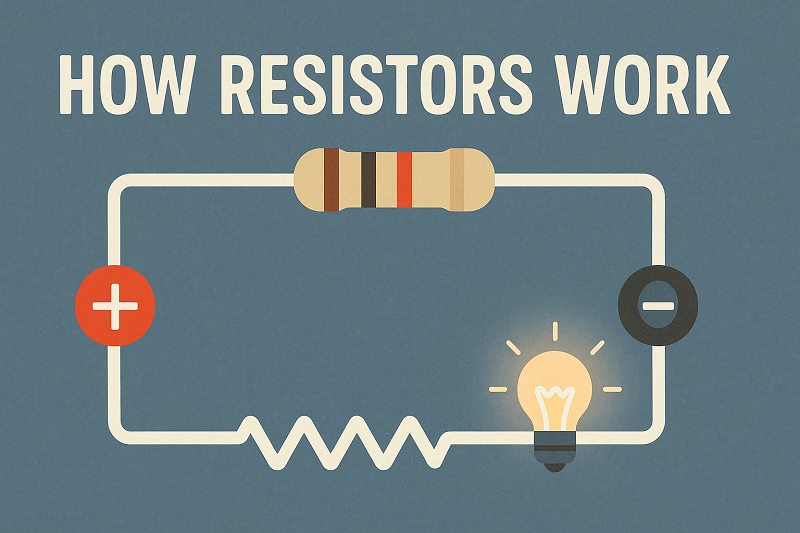
Low-dropout regulators (LDOs) rely on three fundamental physics concepts to function effectively: voltage regulation, power dissipation, and feedback control systems. These principles ensure that your LDO operates with high efficiency, stable performance, and reliable output. For instance, an LDO powered from 5 V with a 3.3-V output can achieve a maximum efficiency of 66%. This efficiency can improve to 91.7% if the input voltage drops to 3.6 V. Additionally, feedback control systems help maintain stability, allowing LDOs to respond quickly in fast transient applications. Understanding these concepts allows you to design LDOs that excel in low-noise and low-dropout scenarios.Voltage Regulation in Low-Dropout RegulatorsUnderstanding Voltage RegulationVoltage regulation is the core function of low-dropout regulators (LDOs). It ensures that the output voltage remains stable despite variations in input voltage or load current. This stability is crucial for powering sensitive electronic components, such as microprocessors and sensors, which require a consistent voltage to operate efficiently. Without proper voltage regulation, devices may experience performance issues, reduced lifespan, or even failure.In an LDO, the regulated output voltage is achieved by controlling the pass element, typically a transistor, which adjusts the flow of current to maintain the desired voltage level. The error amplifier, a key component of the LDO, compares the output voltage to a reference voltage and generates a signal to correct any deviations. This process happens continuously, ensuring that the output remains within the specified range.To highlight the importance of voltage regulation, consider the following performance parameters:Performance ParameterDescriptionDropout VoltageThe minimum input-output voltage difference for maintaining regulation, typically between 30mV to 500mV.Load RegulationThe change in output voltage in response to a change in load, indicating the performance of the pass element.Power Supply Rejection RatioMeasures the LDO's ability to suppress input voltage fluctuations affecting the output voltage.Transient ResponseThe LDO's ability to quickly adjust to changes in load current, crucial for applications with varying demands.These parameters demonstrate how LDOs maintain high performance and reliability in various applications.The Role of Ohm’s Law in LDOsOhm’s Law plays a fundamental role in the operation of low dropout voltage regulators. It defines the relationship between voltage, current, and resistance, which is essential for understanding how LDOs regulate output voltage. According to Ohm’s Law, voltage equals current multiplied by resistance (V = I × R). This principle helps engineers design LDOs that can handle different load conditions while maintaining a stable output.For example, when the load current increases, the resistance of the pass element must adjust to ensure the output voltage remains constant. The error amplifier in the LDO monitors these changes and modifies the gate voltage of the pass transistor to achieve the desired regulation. This dynamic adjustment ensures that the LDO can respond effectively to varying demands, providing a fast transient response and maintaining output stability.Empirical data further supports the role of Ohm’s Law in LDO design:ComponentDescriptionCompensation MethodZero's frequency tracking and non-dominant parasitic poles reshapingCurrent Consumption170 μA over full load current rangeTechnology0.13 μm CMOSThese findings highlight how precise control of current and resistance enables LDOs to deliver high performance and efficiency.Maintaining Stable Output Voltage in LDOsMaintaining a stable output voltage is critical for the reliable operation of low dropout regulators. Stability ensures that the LDO can handle sudden changes in load current or input voltage without causing fluctuations in the output. This is particularly important in applications requiring low-noise and high-performance power supplies, such as audio equipment and communication devices.Several strategies are used to achieve output stability in LDOs. One common approach is the use of compensation techniques, such as nested Miller compensation with active capacitors. These techniques help stabilize the feedback loop and minimize overshoot or undershoot during transient events. Additionally, the choice of pass device, such as a PMOS transistor, plays a significant role in improving gain and reducing dropout voltage.The following table summarizes key findings from studies on maintaining stable output voltage in LDOs:Study TitleKey FindingsTechnology UsedPSRRTransient ResponseLow dropout voltage regulator for wireless applicationsOptimized transient response and stability180nm CMOSNot specifiedEnhanced stability and PSRRHigh PSRR Full On-Chip CMOS Low Dropout Voltage Regulator for Wireless ApplicationsHigh PSRR and stability with NMCAC technique0.18 μm CMOS-60 dB at 60 KHzNot specifiedA Low-Dropout Regulator with Low ESRLow ESR and good transient response0.35μm CMOSNot specified58.98mV overshootA 1.8 V, 10 mA low dropout voltage regulator for IoT applicationMaintains stable voltage at 1.8 V90 nm CMOS-47 dB at 13 KHzNot specifiedA Fast Transient Response Low Drop-Out Voltage RegulatorFast transient response with low quiescent current0.18-μm CMOSNot specified< 170mVThese studies demonstrate the effectiveness of various techniques in ensuring stability and achieving a fast transient response. By implementing these strategies, you can design LDOs that deliver consistent performance even under challenging conditions.Power Dissipation in Low Dropout Voltage RegulatorsHow Power Dissipation Affects LDO PerformancePower dissipation is a critical factor in the performance of low dropout voltage regulators. It directly impacts the efficiency and thermal stability of the device. When an LDO operates, the difference between the input and output voltage, multiplied by the output current, determines the power dissipated as heat. For example, if the input voltage is 5 V, the output voltage is 3.3 V, and the output current is 1 A, the power dissipation equals (5 V - 3.3 V) × 1 A = 1.7 W. This heat generation can degrade the LDO's performance, especially under high current loads or large voltage differentials.You must consider the thermal performance of the LDO package during the design process. Devices with poor heat dissipation may overheat, leading to reduced efficiency and potential failure. While low input-output voltage differentials can mitigate power dissipation, verifying the thermal limits of your design is essential.Key considerations for power dissipation:Higher current loads increase heat generation.Larger voltage differentials lead to greater power loss.Effective thermal management ensures stable operation.Importance of Thermal Management in LDO DesignThermal management plays a vital role in ensuring the stability and reliability of low-dropout regulators. Without proper heat dissipation, the LDO may experience thermal runaway, where excessive heat further increases power loss. This can compromise the stability of the output voltage and reduce the lifespan of the device.Advancements in LDO technology have introduced features like improved thermal management and energy efficiency. These innovations help maintain high performance even in compact designs. For instance, using VIOC technology reduces the voltage differential, improving efficiency from approximately 66% to 84%. This also decreases power dissipation by nearly 2.7 times, highlighting the importance of thermal solutions in LDO design.AspectDetailsTechnological AdvancementsOngoing developments in LDO regulator technology, including improved thermal management and energy efficiency features.Engineering Solutions for Heat Dissipation in LDOsEngineers have developed several strategies to address heat dissipation challenges in low dropout voltage regulators. One effective approach involves optimizing the printed circuit board (PCB) layout to enhance thermal performance. For example, increasing the copper area around the LDO can improve heat dissipation. Additionally, selecting packages with low thermal impedance helps transfer heat away from the device more efficiently.Other solutions include using advanced materials and techniques to measure and manage thermal impedance. For instance, empirical studies have shown that small surface-mount device (SMD) packages can achieve better thermal performance with proper heat dissipation management.TitleDescriptionLDOs Thermal Performance in Small SMD PackagesDiscusses thermal performance of LDOs in small SMD packages, focusing on heat dissipation management.An empirical analysis of the impact of board layout on LDO thermal performanceInvestigates PCB layout impact on LDO thermal performance with tests on various layouts.Measuring the Thermal Impedance of LDOs in situDescribes a procedure for computing junction-to-ambient thermal impedance, crucial for heat dissipation mitigation.By implementing these engineering solutions, you can design low-dropout regulators that maintain stability, achieve a fast transient response, and deliver high performance even under demanding conditions.Feedback Control Systems in LDOsImage Source: unsplashBasics of Feedback Loops in Low-Dropout RegulatorsFeedback loops are the backbone of how an LDO maintains a stable output. They continuously monitor the output voltage and compare it to a reference voltage. When the output deviates from the desired level, the feedback loop adjusts the pass transistor to bring the voltage back to its target. This process ensures that the LDO delivers consistent performance, even when the input voltage or load current changes.You can think of a feedback loop as a self-correcting system. It uses an error amplifier to detect differences between the output and the reference voltage. The amplifier generates a correction signal, which modifies the gate voltage of the pass transistor. This adjustment either increases or decreases the current flow, stabilizing the output voltage.For example, if the load current suddenly increases, the output voltage may drop momentarily. The feedback loop detects this drop and quickly compensates by increasing the current through the pass transistor. This rapid response is essential for achieving a fast transient response, which is critical in applications requiring low-noise and high-performance power supplies.Ensuring Stability Through Feedback ControlStability is a key factor in the design of any LDO. Without a stable feedback loop, the regulator may oscillate, causing fluctuations in the output voltage. These oscillations can degrade the performance of connected devices and compromise the overall efficiency of the power management integrated circuit.To ensure stability, you need to carefully design the compensation network within the LDO. This network shapes the frequency response of the feedback loop, preventing oscillations and ensuring a smooth transient response. Techniques like pole-zero compensation and nested Miller compensation are commonly used to achieve this goal.Another important consideration is the choice of external components, such as capacitors. Low equivalent series resistance (ESR) capacitors are often recommended because they improve stability and enhance the LDO's ability to handle transient events. By selecting the right components and optimizing the feedback loop, you can create an LDO that delivers reliable performance under varying conditions.Practical Applications of Feedback in LDO EngineeringFeedback control systems play a crucial role in the practical design of LDOs. They enable the regulator to adapt to real-world challenges, such as sudden changes in load current or input voltage. This adaptability is especially important in modern electronics, where devices demand low-noise and high-performance power supplies.For instance, in audio equipment, feedback loops help minimize noise and maintain a clean output voltage. This ensures that the audio signal remains free from distortion. In communication devices, feedback systems enable the LDO to provide a fast transient response, ensuring stable operation even during rapid changes in power demand.Engineers also use feedback control to optimize the efficiency of LDOs. By fine-tuning the feedback loop, you can reduce power dissipation and improve the overall thermal performance of the regulator. This is particularly valuable in compact designs, where managing heat is a significant challenge.Understanding the physics behind low-dropout regulators (LDOs) is essential for creating efficient and reliable designs. Voltage regulation ensures a stable output, even when input voltage or load conditions change. Power dissipation management prevents overheating, maintaining consistent performance. Feedback control systems enable the LDO to adapt quickly to fluctuations, ensuring stability and precision.These concepts work together to optimize LDO performance. For example:Stable linear regulator architectures improve power management in SoC designs.High PSRR and transient response are achieved through integrated frameworks in CMOS technologies.Low-noise and low-dropout characteristics meet the demands of mobile and communication devices.By mastering these principles, you can design LDOs that deliver stable output, handle thermal challenges, and adapt to dynamic conditions. This knowledge is vital for modern applications requiring high efficiency and reliability.FAQWhat is the main purpose of a low-dropout regulator (LDO)?An LDO provides a stable output voltage for electronic devices. It ensures consistent performance by regulating voltage, even when input voltage or load current changes. This makes it essential for powering sensitive components like microprocessors and sensors.How does power dissipation affect LDO efficiency?Power dissipation reduces efficiency by converting excess energy into heat. For example, a higher input-output voltage difference increases heat generation. Managing this heat is crucial to maintain the LDO's performance and prevent overheating.Why is feedback control important in LDOs?Feedback control ensures the LDO maintains a stable output voltage. It detects deviations and adjusts the pass transistor to correct them. This process helps the LDO respond quickly to changes in load or input voltage, ensuring reliable operation.What is dropout voltage in an LDO?Dropout voltage is the minimum difference between input and output voltage required for the LDO to regulate effectively. Lower dropout voltage improves efficiency, especially in battery-powered devices where conserving energy is critical.Can LDOs handle sudden changes in load current?Yes, LDOs can handle sudden load changes through their transient response. A well-designed LDO adjusts quickly to maintain stable output voltage. This feature is vital for applications requiring low noise and high performance, like audio equipment.
Kynix On 2025-05-21
When replacing an L1154F battery, finding the right equivalent ensures your device performs as intended. Popular options include the lr44, A76, AG13, and 357. Each of these button cell battery equivalents offers unique features, from cost-effectiveness to enhanced performance. Selecting the correct l1154f battery equivalent depends on your device's power needs. Using the wrong type can reduce efficiency or even damage your device. Always check compatibility to keep your gadgets running smoothly.Specifications of the L1154F BatteryVoltage and ChemistryThe L1154F battery is a 1.5-volt alkaline button cell that uses zinc-manganese dioxide (Zn/MnO?) chemistry. This composition ensures reliable performance in various devices. Alkaline batteries like the L1154F are known for their stable voltage output, making them ideal for electronics requiring consistent power.Key Features of the L1154F Battery Chemistry:Alkaline-based, ensuring long-lasting energy.Zinc-manganese dioxide composition for stable performance.This 1.5-volt alkaline button cell is widely used in small electronic devices due to its dependable chemistry and voltage stability.Capacity and LifespanThe L1154F battery offers a capacity of 150–160 mAh, which provides sufficient energy for low-drain devices. Its shelf life ranges from 3 to 5 years, depending on storage conditions. This makes it a reliable choice for devices that are not used frequently but require a ready power source.Performance Highlights:Capacity: 150–160 mAh.Shelf life: 3–5 years under optimal conditions.Operating temperature: -20°C to 60°C, ensuring usability in various environments.The low leakage risk of this alkaline button cell battery further enhances its reliability, especially in sensitive devices like medical equipment.Dimensions and CompatibilityThe L1154F battery has a compact design, with a diameter of 11.6 mm and a height of 5.4 mm. These dimensions make it compatible with a wide range of devices, including watches, calculators, and toys. Its small size allows it to fit seamlessly into compact electronic gadgets.SpecificationDetailsDiameter11.6 mmHeight5.4 mmCompatibilityWatches, calculators, toys, and more.When choosing an L1154 battery, always verify the dimensions and compatibility with your device to ensure optimal performance.Best L1154F Battery EquivalentsLR44: A Popular L1154F Battery EquivalentThe LR44 battery is one of the most widely recognized equivalents for the L1154F. You’ll find it in many household devices due to its reliable performance and compact design. This button cell battery operates at 1.5 volts and has a capacity of 150 mAh, making it suitable for low-drain devices.Why Choose LR44?It weighs only 2 grams, ensuring minimal impact on device weight.Its dimensions (11.6 mm diameter and 5.4 mm height) match the L1154F, ensuring compatibility.The steady discharge rate of 300 μA provides consistent power output.The LR44 battery works well in medical instruments like glucose meters and thermometers. It’s also a reliable choice for watches, calculators, and toys. Users appreciate its ability to perform across a wide temperature range (-10°C to 60°C), making it versatile for various environments.Tip: If your device requires steady energy output and operates in fluctuating temperatures, the LR44 is an excellent choice.A76: A Reliable L1154 Battery EquivalentThe A76 battery is another dependable option when replacing an L1154F. It shares the same voltage and dimensions, making it a seamless fit for devices that use button cell batteries. This alkaline battery is known for its affordability and availability, making it a practical choice for everyday electronics.Key Features of A76:Voltage: 1.5V, ensuring compatibility with devices requiring consistent power.Chemistry: Alkaline-based, offering a balance between cost and performance.Common Applications: Watches, calculators, and small toys.The A76 battery is often marketed under different names, such as PX76A or 76A, but its specifications remain consistent. If you’re looking for a budget-friendly alternative to the L1154F, the A76 battery delivers reliable performance without breaking the bank.Note: Always check your device’s voltage requirements before choosing an A76 battery to avoid compatibility issues.357: A High-Performance Silver Oxide OptionFor devices requiring higher performance and longer lifespan, the 357 silver oxide battery stands out as one of the best L1154 battery equivalent options. This battery offers superior energy output and durability compared to alkaline alternatives like LR44 and A76.Advantages of the 357 Battery:Longer lifespan: It lasts 30% to 100% longer than LR44 batteries.Higher capacity: Nominal capacity ranges from 150–200 mAh, depending on discharge currents.Slower voltage decline: Silver oxide chemistry ensures steady power delivery over time.The 357 battery is particularly suitable for precision instruments, such as medical devices and high-performance watches. Its ability to endure extreme conditions and maintain consistent energy output makes it a preferred choice for demanding applications.Callout: If your device requires high precision and extended battery life, the 357 silver oxide battery is worth considering.AG13: A Budget-Friendly L1154F AlternativeThe AG13 battery stands out as one of the most affordable alternatives to the L1154F. It offers the same 1.5-volt output and similar capacity, making it a reliable choice for devices that require an L1154F battery equivalent. You can use the AG13 in a wide range of gadgets, including watches, small toys, and calculators. Its compatibility and cost-effectiveness make it a popular option for everyday electronics.One of the key advantages of the AG13 is its affordability. Compared to other alternatives, the AG13 often costs less while delivering comparable performance. This makes it an excellent choice if you want to save money without sacrificing functionality. Additionally, the AG13 is widely available, even during times when supply chain disruptions make other batteries harder to find. This accessibility ensures that you can easily replace your device's battery when needed.The AG13 battery uses alkaline chemistry, which provides steady power for low-drain devices. While it may not last as long as silver oxide batteries like the 357, it performs well in devices that do not require high precision or extended battery life. If you prioritize cost over longevity, the AG13 is a practical and efficient solution.Tip: Always check your device's specifications before choosing a battery. While the AG13 works as a great alternative, ensuring compatibility will help you avoid performance issues.Comparing L1154F Battery EquivalentsImage Source: pexelsAlkaline vs. Silver Oxide ChemistryWhen comparing alkaline and silver oxide batteries, their chemistry plays a significant role in determining performance. Alkaline batteries, like the LR44 and AG13, are widely used due to their affordability and availability. They provide reliable power for low-drain devices but tend to experience a rapid voltage drop as they discharge. On the other hand, silver oxide batteries, such as the 357, offer stable voltage output and a longer lifespan, making them ideal for precision devices like watches and medical instruments.FeatureAlkaline Battery (LR626)Silver Oxide Battery (SR626)Voltage StabilityRapid voltage dropStable voltage outputLifespanShorter lifespanLonger lifespanApplication SuitabilityLess ideal for watchesIdeal for watches and sensitive devicesIf your device requires consistent power over time, silver oxide batteries are the better choice. However, for everyday electronics where cost is a priority, alkaline batteries remain a practical option.Tip: Always check your device's power requirements before deciding between alkaline and silver oxide batteries.Performance and LongevityThe performance and longevity of an L1154 battery depend on its chemistry and application. Alkaline batteries, such as the LR44 and AG13, typically have a capacity of 150–175 mAh and a shelf life of up to five years. They work well in low-drain devices like toys and calculators. However, silver oxide batteries, like the 357, outperform their alkaline counterparts in both capacity and lifespan. They deliver steady power for longer periods, making them suitable for high-precision devices.SpecificationL1154LR44AG13TypeAlkaline button cellAlkaline button cellAlkaline button cellNominal Voltage1.5 V1.5 V1.5 VCapacity~150 mAh~150-175 mAh~150-175 mAhShelf LifeUp to 3-5 yearsUp to 3-5 yearsUp to 3-5 yearsChemical SystemAlkaline manganese dioxideAlkaline manganese dioxideAlkaline manganese dioxideSilver oxide batteries also maintain a slower voltage decline, ensuring consistent performance throughout their lifespan. This makes them a preferred choice for devices that demand reliability and precision.Note: If longevity and performance are your priorities, consider investing in a silver oxide battery like the 357.Compatibility with DevicesChoosing the right L1154 battery equivalent ensures your device operates efficiently. Alkaline batteries, such as the LR44 and AG13, are compatible with most devices that use button cell batteries. Their dimensions and voltage match the L1154F battery, making them a seamless replacement. However, silver oxide batteries, like the 357, offer enhanced performance for devices requiring stable power, such as medical equipment and high-end watches.When selecting a battery, always verify its dimensions, voltage, and chemistry. For example, the LR44 and AG13 share the same size and voltage as the L1154F battery, making them suitable for toys, calculators, and other low-drain devices. In contrast, the 357 provides superior performance for sensitive electronics.Callout: Always consult your device's manual to ensure compatibility with the chosen battery type.Factors to Consider When Choosing an L1154F Battery EquivalentDevice Voltage and Power RequirementsMatching the battery to your device’s voltage and power needs is crucial for optimal performance. Using an incompatible battery can lead to reduced efficiency or even damage. Devices like watches and calculators often require AG1 batteries due to their adaptability and steady energy output. For devices needing stable and long-lasting power, silver oxide batteries can replace AG1 alkaline versions.Key Considerations:AG1 batteries work well for compact devices like calculators.AG4 batteries may be better suited for devices with higher power demands.Silver oxide batteries provide consistent energy for medical devices and precision instruments.When deciding how to choose the right L1154 battery equivalent, always check your device’s manual for voltage specifications. This ensures compatibility and prevents performance issues.Cost and AvailabilityThe cost and availability of L1154F battery equivalents vary by brand and region. While the L1154F battery is generally affordable, prices can differ based on where you purchase it. Buying in bulk often reduces costs, making it a practical option for frequent users. However, different labels for R44-sized alkaline batteries can cause confusion when searching for replacements.Market Insights:Bulk purchases lower costs for L1154F batteries.Availability depends on the manufacturer and region.Label variations, such as LR44 or A76, may affect ease of purchase.To avoid confusion, verify the battery’s specifications before buying. This ensures you get the right equivalent without overspending.Environmental ConsiderationsChoosing environmentally friendly batteries helps reduce waste and pollution. Alkaline batteries, like the L1154F, are less harmful than older mercury-based options. However, silver oxide batteries offer advantages and limitations of L1154 batteries in terms of environmental impact. They last longer, reducing the frequency of replacements and minimizing waste.Eco-Friendly Tips:Opt for silver oxide batteries for longer lifespan and reduced waste.Recycle used batteries to prevent harmful chemicals from entering landfills.Avoid bulk purchases if you don’t use batteries frequently, as unused batteries may expire.By considering environmental factors, you can make a responsible choice while maintaining your device’s performance.Choosing the right L1154F battery equivalent ensures your device operates efficiently and safely. Options like the LR44, A76, 357, and AG13 offer unique benefits, from affordability to high performance. These batteries share key features, such as compact size, stable voltage output, and wide compatibility, making them ideal for various applications.Key FeatureDescriptionCompact SizeSmall and lightweight, ideal for portable devices.Stable Voltage OutputMaintains consistent voltage throughout discharge cycle.Long Shelf LifeCan be stored for 3-5 years without significant performance loss.Versatile ApplicationsUsed in medical equipment, remote controls, and digital cameras.To maintain battery performance, store them in a cool, dry place and avoid overuse. Advanced strategies, like active balancing, can also extend their lifespan. By understanding the common uses of L1154 batteries and matching the battery to your device’s specifications, you can ensure reliable performance and longevity.FAQWhat devices commonly use L1154F battery equivalents?You’ll find these batteries in watches, calculators, toys, and medical devices. Their compact size and stable voltage make them ideal for small electronics requiring consistent power.Can I use a silver oxide battery instead of an alkaline one?Yes, silver oxide batteries like the 357 work as replacements. They last longer and provide steady voltage, making them suitable for precision devices. Always check your device’s specifications before switching.How do I store L1154F batteries to extend their lifespan?Store them in a cool, dry place away from direct sunlight. Avoid extreme temperatures. Proper storage prevents leakage and ensures the battery remains functional for its full shelf life.Are L1154F battery equivalents environmentally friendly?Alkaline batteries are less harmful than mercury-based ones. Silver oxide batteries last longer, reducing waste. Recycling used batteries helps minimize environmental impact.How can I identify the right equivalent for my device?Check your device’s manual for voltage and size requirements. Match the dimensions and chemistry of the replacement battery to ensure compatibility and optimal performance.
Kynix On 2025-05-21
When you rely on small devices like watches, calculators, or medical equipment, you need a dependable power source. The L1154F battery stands out as a trusted choice for these gadgets. Top brands like Duracell, Energizer, and Panasonic have built a reputation for delivering batteries with consistent performance. These batteries offer long-lasting energy, ensuring your devices work when you need them most. Their value for money makes them an excellent investment for powering essential items in your daily life.Choosing a high-quality battery can save you from frequent replacements and unexpected device failures.Top L1154F Battery BrandsWhen it comes to powering your small devices, choosing the right brand of L1154 batteries can make all the difference. Each brand offers unique features that cater to specific needs. Let’s explore three of the most trusted names in the industry: Duracell, Energizer, and Maxell.DuracellDuracell has earned its reputation as a leader in the battery industry. Its L1154 batteries are known for their exceptional reliability and consistent performance. You can count on these batteries to deliver steady power, making them ideal for devices like watches, remote controls, and small medical equipment.One standout feature of Duracell’s L1154 battery is its long shelf life. Even if you store it for years, it retains its charge, ensuring it’s ready when you need it. This makes it a great choice for emergency devices or backup power. Additionally, Duracell uses advanced alkaline technology to enhance durability and reduce the risk of leaks.Tip: If you want a button battery that combines longevity with reliability, Duracell is a solid choice.EnergizerEnergizer is another trusted name in the world of batteries. Its L1154 batteries are designed to provide dependable power for a wide range of devices. Whether you’re using a calculator, a toy, or a small flashlight, Energizer ensures your device runs smoothly.What sets Energizer apart is its focus on eco-friendly manufacturing. The company uses fewer harmful materials in its production process, making it a more sustainable option. Energizer’s alkaline button cell batteries also offer excellent resistance to temperature changes, so they perform well in both hot and cold conditions.Did you know? Energizer’s L1154 batteries are often praised for their balance of performance and environmental responsibility.MaxellMaxell is a brand that combines affordability with quality. Its L1154 batteries are a popular choice for budget-conscious consumers who don’t want to compromise on performance. These batteries are perfect for everyday devices like clocks, key fobs, and small electronic gadgets.Maxell’s L1154 batteries use reliable alkaline technology to deliver consistent power. They are lightweight and compact, making them easy to store and carry. While they may not have the longest shelf life compared to premium brands, they offer excellent value for money.Note: If you’re looking for a cost-effective button cell battery for daily use, Maxell is worth considering.PanasonicPanasonic is a name you can trust when it comes to reliable power solutions. Its L1154 batteries are designed to deliver consistent performance for your small devices. Whether you’re powering a digital thermometer, a laser pointer, or a small toy, Panasonic ensures your device operates smoothly.One of the standout features of Panasonic’s L1154 battery is its advanced alkaline technology. This technology enhances the battery’s durability and reduces the risk of leaks. You can store these batteries for extended periods without worrying about losing their charge. Panasonic’s focus on quality control ensures that each battery meets high standards of reliability.If you’re looking for a button battery that balances performance and affordability, Panasonic is an excellent choice. Its batteries are lightweight and compact, making them easy to carry and store. You’ll find them especially useful for devices that require steady and long-lasting power.Tip: Keep a pack of Panasonic L1154 batteries on hand for emergencies. Their long shelf life ensures they’ll be ready when you need them most.VartaVarta is a brand that combines German engineering with exceptional performance. Its L1154 batteries are known for their precision and reliability. These batteries are ideal for devices like car key fobs, hearing aids, and small remote controls.What sets Varta apart is its focus on innovation. The company uses cutting-edge technology to create batteries that last longer and perform better. Varta’s L1154 batteries are designed to provide consistent power output, ensuring your devices work without interruptions.Another advantage of Varta batteries is their eco-friendly design. The company prioritizes sustainability by using fewer harmful materials in its production process. This makes Varta a great choice if you’re looking for an environmentally responsible option.Did you know? Varta’s alkaline button cell batteries are often praised for their ability to perform well in extreme temperatures, making them suitable for outdoor devices.VINNICVINNIC offers a cost-effective solution for your everyday power needs. Its L1154 batteries are perfect for budget-conscious consumers who want reliable performance without breaking the bank. These batteries work well in devices like clocks, calculators, and small LED lights.VINNIC’s L1154 batteries use alkaline technology to deliver steady power. While they may not have the same premium features as higher-end brands, they provide excellent value for money. You can rely on them for consistent performance in low-drain devices.One of the key benefits of VINNIC batteries is their affordability. They are a practical choice if you need to replace batteries frequently. Despite their lower price point, VINNIC ensures that each battery meets basic quality standards.Note: If you’re looking for a button cell battery that offers good performance at a low cost, VINNIC is worth considering.Performance Metrics of L1154F BatteriesReliability and ConsistencyWhen choosing a battery for your devices, reliability is crucial. The L1154 battery delivers reliable performance, ensuring your gadgets work without interruptions. Whether you’re using a watch, calculator, or remote control, this button battery provides good continuous power. Its consistent energy output makes it a dependable choice for devices that require steady operation.The alkaline button cell battery design enhances its reliability. It minimizes the risk of leaks and ensures stable performance over time. You can trust the L1154 to power your devices effectively, even in demanding conditions.Tip: Always check the manufacturer’s specifications to ensure the L1154 battery is compatible with your device for optimal performance.Longevity and Shelf LifeThe L1154 battery stands out for its long lasting life. Its alkaline composition allows it to retain power even during extended storage. This makes it an excellent choice for emergency devices or backup power sources.Most LR1154 batteries have a shelf life of several years. This means you can store them without worrying about losing their charge. Their longevity ensures that your devices remain powered for longer periods, reducing the need for frequent replacements.Did you know? Proper storage, such as keeping batteries in a cool, dry place, can further extend their shelf life.Value for MoneyThe L1154 battery offers excellent value for money. Its combination of reliable performance, long lasting life, and affordability makes it a cost-effective choice for powering small devices. Brands like Duracell and Energizer provide alkaline button cell batteries that deliver better performance while remaining budget-friendly.You’ll find that LR1154 batteries are available in multipacks, which can save you money in the long run. Their durability and consistent power output ensure you get the most out of your investment.Note: Investing in high-quality alkaline button cell batteries can save you from frequent replacements and unexpected device failures.Unique Features of Each BrandDuracell’s Key FeaturesDuracell’s L1154 batteries stand out for their advanced technology and reliability. You’ll find these batteries ideal for devices that demand consistent power, such as watches and medical equipment. One of their key features is their long shelf life. Even after years of storage, they retain their charge, ensuring they’re ready when you need them.Duracell uses alkaline technology to enhance durability and minimize the risk of leaks. This makes their button batteries safe for use in sensitive devices. Another advantage is their steady energy output, which keeps your gadgets running smoothly without interruptions.Tip: If you want a button battery that combines reliability and longevity, Duracell is a dependable choice.Energizer’s Key FeaturesEnergizer’s L1154 batteries are known for their eco-friendly design and consistent performance. These batteries work well in devices like calculators and toys, delivering reliable power every time. Energizer focuses on sustainability by using fewer harmful materials during production.Their alkaline button cell batteries perform well in extreme temperatures, making them suitable for outdoor devices. You’ll appreciate their ability to maintain steady power output, even in challenging conditions. Energizer’s commitment to quality ensures your devices operate efficiently.Did you know? Energizer’s button batteries are a great option if you value environmental responsibility alongside performance.Maxell’s Key FeaturesMaxell offers a cost-effective solution for your everyday power needs. Their L1154 batteries provide reliable performance for devices like clocks and key fobs. You’ll find them lightweight and easy to store, making them convenient for daily use.Maxell’s alkaline technology ensures consistent energy output, though their shelf life may not match premium brands. These button cell batteries are perfect for budget-conscious consumers who need dependable power without overspending.Note: Maxell’s button batteries are a practical choice for powering low-drain devices at an affordable price.Panasonic’s Key FeaturesPanasonic’s L1154 batteries deliver reliable performance for your small devices. These batteries are designed to provide steady power, ensuring your gadgets function without interruptions. Whether you’re using a digital thermometer or a laser pointer, Panasonic batteries keep your devices running smoothly.One of the standout features of Panasonic’s button battery is its advanced alkaline technology. This technology enhances durability and reduces the risk of leaks. You can store these batteries for extended periods without worrying about losing their charge. Their long shelf life makes them a dependable choice for emergency devices or backup power.Panasonic also prioritizes quality control. Each button cell battery undergoes rigorous testing to meet high standards of reliability. This ensures consistent performance, even in demanding conditions. You’ll find these batteries lightweight and compact, making them easy to store and carry.Tip: Keep a pack of Panasonic batteries on hand for emergencies. Their long-lasting power ensures they’ll be ready when you need them.Varta’s Key FeaturesVarta combines German engineering with exceptional performance. Its L1154 batteries are known for their precision and reliability. These batteries are ideal for devices like car key fobs, hearing aids, and small remote controls.Varta’s focus on innovation sets it apart. The company uses cutting-edge technology to create batteries that last longer and perform better. Their alkaline composition ensures consistent power output, so your devices work without interruptions. These batteries also perform well in extreme temperatures, making them suitable for outdoor gadgets.Another advantage of Varta batteries is their eco-friendly design. The company uses fewer harmful materials during production, making it a sustainable choice. If you’re looking for a button battery that balances performance and environmental responsibility, Varta is an excellent option.Did you know? Varta’s batteries are often praised for their ability to perform well in both hot and cold conditions.VINNIC’s Key FeaturesVINNIC offers a cost-effective solution for your everyday power needs. Its L1154 batteries provide reliable performance for devices like clocks, calculators, and small LED lights. These batteries are perfect for budget-conscious consumers who want dependable power without overspending.VINNIC’s alkaline technology ensures steady energy output. While these batteries may not have the premium features of higher-end brands, they deliver excellent value for money. You can rely on them for consistent performance in low-drain devices.One of the key benefits of VINNIC batteries is their affordability. They are a practical choice if you need to replace batteries frequently. Despite their lower price point, VINNIC ensures that each button cell battery meets basic quality standards.Note: If you’re looking for a budget-friendly button battery for daily use, VINNIC is worth considering.Customer Reviews and FeedbackPositive Feedback HighlightsMany users praise the L1154F battery for its reliability and performance. You’ll find that these batteries consistently deliver steady power, keeping devices like watches and calculators running smoothly. Customers often highlight their long shelf life as a major advantage. Even after years of storage, these batteries retain their charge, making them a dependable choice for emergency devices.Another common compliment is their affordability. Buyers appreciate the value they get from brands like VINNIC and Maxell, especially when purchasing multipacks. These options allow you to save money while ensuring you always have spare batteries on hand.Duracell and Energizer receive frequent mentions for their durability. Users trust these brands for powering essential devices like medical equipment and car key fobs. Their advanced alkaline technology minimizes the risk of leaks, which is a feature many customers find reassuring.Tip: If you want a battery that balances performance and cost, consider customer favorites like Panasonic and Varta.Common Concerns and IssuesWhile L1154F batteries are generally reliable, some users report occasional issues. One common concern is compatibility. You should always check your device’s specifications to ensure the battery fits properly. Using the wrong type can lead to poor performance or even damage to your device.Another issue is the shelf life of budget-friendly brands. While affordable options like VINNIC provide good value, they may not last as long as premium brands. If you need batteries for long-term storage, consider investing in higher-quality options like Duracell or Energizer.Some users also mention performance inconsistencies in extreme temperatures. While brands like Varta and Energizer excel in hot or cold conditions, others may struggle. If your device operates outdoors or in challenging environments, choose a brand known for temperature resistance.Note: Proper storage can help prevent many issues. Keep your batteries in a cool, dry place to maintain their performance.Comparison of Top BrandsImage Source: pexelsStrengths and WeaknessesWhen comparing the top L1154F battery brands, understanding their strengths and weaknesses helps you make informed decisions. Each brand excels in specific areas, catering to different needs.StrengthsDuracell: Known for its long shelf life and advanced alkaline technology, Duracell batteries offer high reliability and leak resistance. These features make them ideal for emergency devices and sensitive gadgets.Energizer: Energizer stands out for its eco-friendly manufacturing and temperature resistance. Its batteries perform well in both hot and cold conditions, making them suitable for outdoor devices.Maxell: Maxell provides affordable options without compromising basic quality. These batteries are lightweight and compact, perfect for everyday use in low-drain devices.Panasonic: Panasonic batteries balance performance and affordability. Their advanced alkaline technology ensures durability and consistent power output.Varta: Varta combines innovation with precision. Its batteries excel in extreme temperatures and offer excellent leak resistance, making them reliable for outdoor and sensitive tools.VINNIC: VINNIC offers cost-effective solutions for frequent replacements. These batteries deliver steady power for low-drain devices at a budget-friendly price.WeaknessesDuracell: While reliable, Duracell batteries are more expensive than budget-friendly brands.Energizer: Despite its eco-friendly focus, Energizer batteries may not last as long as premium options like silver oxide batteries.Maxell: Maxell batteries have a shorter shelf life compared to high-end brands, limiting their use for long-term storage.Panasonic: Panasonic batteries may lack advanced features found in premium brands, such as extreme temperature resistance.Varta: Varta batteries are pricier than other alkaline options, which may deter budget-conscious buyers.VINNIC: VINNIC batteries may not perform well in demanding conditions or high-drain devices.FeatureDuracellEnergizerMaxellPanasonicVartaVINNICShelf LifeLongModerateShortLongLongModerateLeak ResistanceHighModerateModerateHighVery HighModerateTemperature ToleranceModerateHighLowModerateHighLowCostExpensiveModerateAffordableModerateExpensiveAffordableBest Use Cases for Each BrandChoosing the right L1154 battery depends on your device and usage needs. Here’s a breakdown of the best use cases for each brand:Duracell: Perfect for emergency devices like medical equipment and backup power sources. Its long shelf life ensures reliability when stored for extended periods.Energizer: Ideal for outdoor gadgets like flashlights and toys. Its temperature resistance makes it suitable for extreme conditions.Maxell: Best for everyday devices such as clocks and key fobs. Its affordability makes it a practical choice for frequent replacements.Panasonic: Great for small electronic gadgets like digital thermometers and laser pointers. Its balance of performance and cost suits general use.Varta: Excellent for precision tools like hearing aids and car key fobs. Its durability and leak resistance make it reliable for sensitive devices.VINNIC: Suitable for low-drain devices like calculators and LED lights. Its budget-friendly price makes it a good option for regular use.Image Source: statics.mylandingpages.coTip: Consider your device’s power requirements and environmental conditions when selecting a button battery. Brands like Varta and Energizer excel in challenging environments, while Duracell and Panasonic offer dependable performance for general use.Choosing high-quality L1154F batteries ensures your devices perform optimally. These batteries power essential tools like watches, calculators, and medical devices, offering steady voltage output and long-lasting reliability. Brands like Duracell and Energizer excel in durability, while Panasonic and Varta balance performance with affordability. Their nominal capacity of up to 150 mAh makes them ideal for sensitive electronics and consumer gadgets.For dependable performance and value, Duracell stands out for its longevity, while Energizer impresses with eco-friendly features. If affordability matters, Maxell and VINNIC provide practical options. Select the brand that matches your device’s needs to enjoy consistent power and peace of mind.FAQWhat devices can use L1154F batteries?L1154F batteries work well in small devices like watches, calculators, remote controls, and medical tools. They are also suitable for toys and LED lights. Always check your device’s manual to confirm compatibility.How long do L1154F batteries last in storage?Most L1154F batteries have a shelf life of 3 to 5 years. Proper storage in a cool, dry place can help them retain their charge longer. Avoid exposing them to extreme heat or moisture.Are L1154F batteries safe to use?Yes, they are safe when used correctly. High-quality brands like Duracell and Energizer minimize the risk of leaks. Always insert the battery with the correct polarity and avoid mixing old and new batteries.Can I use L1154F batteries in extreme temperatures?Some brands, like Energizer and Varta, perform well in hot or cold conditions. However, not all L1154F batteries are designed for extreme environments. Check the manufacturer’s specifications if your device operates outdoors or in challenging conditions.How do I dispose of L1154F batteries?Dispose of used batteries at a recycling center or a designated drop-off location. Avoid throwing them in regular trash. Recycling helps reduce environmental harm and ensures proper handling of battery materials.Tip: Many stores offer free battery recycling services. Check with your local retailer for options.
Kynix On 2025-05-21
Intel System-on-Chip (SoC) products combine multiple components, such as processors, memory, and input/output interfaces, onto a single chip. This design reduces the need for separate hardware, creating compact, efficient solutions for modern devices. By integrating these functionalities, Intel SoCs enable faster communication between components, improving performance and energy efficiency. You interact with Intel SoC technology daily, whether streaming Netflix—where 97,000 hours of content are streamed every minute—or uploading photos to Instagram. These chips power innovation, supporting technologies like AI, which is expected to integrate into over 75% of applications within two years. With advancements like Intel DL Boost delivering up to 60% faster deep learning training, Intel SoCs drive transformative changes in how you experience technology. Understanding Intel SoC Technology What is a System-on-Chip (SoC)? A System-on-Chip (SoC) combines multiple components, such as processors, memory, and input/output interfaces, into a single chip. This integration allows devices to perform complex tasks while maintaining a compact design. You can think of an SoC as a miniaturized computer that fits into your smartphone, laptop, or even a smartwatch. The efficiency of SoCs lies in their ability to streamline communication between components. By placing everything on one chip, SoCs reduce latency and improve performance. This design also lowers production costs, making it easier for manufacturers to create affordable, high-performing devices. For example, integrating processors and memory blocks into a single chip not only saves space but also enhances energy efficiency. These benefits have made SoCs a cornerstone of modern technologies like IoT and AI. Cost-saving is another critical advantage of SoCs. Manufacturers achieve this by improving chip yields and automating semiconductor fabrication processes. Multi-chiplet architectures, which reuse smaller chiplets instead of creating a single large chip, further reduce costs. This approach has revolutionized the production of Very Large Scale Integration (VLSI) systems, making SoCs more accessible across industries. Intel's Innovations in SoC Design Intel has consistently pushed the boundaries of SoC design. Its innovations focus on improving performance, energy efficiency, and scalability. One of Intel's key advancements is the adoption of multi-chiplet architectures. This design approach allows Intel to combine smaller, specialized chiplets into a cohesive system. By doing so, Intel enhances yield rates and reduces production costs, making their SoCs more efficient and cost-effective. Intel also integrates cutting-edge technologies into its SoCs to support emerging applications. For instance, Intel's SoCs power AI workloads with features like Intel Deep Learning Boost, which accelerates deep learning tasks. Additionally, Intel's designs prioritize energy efficiency, ensuring that devices consume less power without compromising performance. These innovations have positioned Intel as a leader in the SoC market, driving advancements in industries ranging from consumer electronics to enterprise solutions. Exploring Top Intel SoC Products Image Source: pexels Intel Atom SoC: Specifications and Use Cases Intel Atom SoC delivers compact and efficient solutions for lightweight devices. Its design prioritizes low power consumption, making it ideal for applications like tablets, entry-level laptops, and embedded systems. You’ll find Intel Atom SoCs in devices that require portability and extended battery life. Key specifications include: Energy Efficiency: Optimized for ultra-low power consumption, enabling devices to run longer on battery.Compact Design: Small form factor suitable for space-constrained devices.Performance: Supports basic computing tasks, such as web browsing and media playback. Intel Atom SoCs also play a crucial role in IoT applications. Their ability to handle lightweight workloads makes them perfect for smart home devices, sensors, and industrial automation systems. By integrating essential functionalities into a single chip, Intel Atom SoCs help manufacturers create affordable and reliable solutions for everyday technology. Tip: If you’re looking for a cost-effective solution for IoT or entry-level computing, Intel Atom SoCs offer a great balance between performance and efficiency. Intel Core SoC: Performance and Applications Intel Core SoC represents the pinnacle of performance for consumer devices. These chips power laptops, desktops, and gaming systems, delivering exceptional speed and responsiveness. You’ll experience faster multitasking, smoother gaming, and quicker application launches with Intel Core SoCs. Key features include: High Performance: Designed for demanding tasks like video editing, gaming, and software development.Integrated GPU: Enhances graphics performance for gaming and creative applications.Energy Efficiency: Balances power consumption with performance, ensuring longer device lifespans. Intel Core SoCs cater to a wide range of users, from casual consumers to professionals. Whether you’re editing videos, streaming 4K content, or playing the latest games, Intel Core SoCs provide the speed and reliability you need. Their integrated GPUs also support advanced graphics rendering, making them ideal for creative professionals. Note: Intel Core SoCs are the go-to choice for anyone seeking high performance and versatility in their devices. Intel Xeon SoC: Scalability for Enterprise Solutions Intel Xeon SoC offers unmatched scalability for enterprise workloads. These chips are designed to handle demanding tasks like data analytics, cloud computing, and AI processing. You’ll find Intel Xeon SoCs in servers and workstations that require reliability and performance. Key specifications include: Core Count: Supports up to 64 cores per socket, enabling parallel processing for complex workloads.Memory Support: Handles DDR5-5600 memory speeds, ensuring faster data access.Enterprise Scalability: Optimized for large-scale deployments in data centers and cloud environments. Intel Xeon SoCs deliver significant performance improvements over previous generations. For example: The TPC-H benchmark results show a 17.9% improvement in Queries/Hour (QphH) and a 31.4% price performance gain (Price/QphH) for HPE ProLiant DL380 class machines using 5th Gen Intel Xeon SP.Red Hat Enterprise Linux benchmarks demonstrate enhanced scalability for enterprise solutions. These advancements make Intel Xeon SoCs the backbone of modern enterprise technology. Their ability to scale across industries ensures that businesses can adapt to growing demands without compromising performance. Tip: If your organization needs reliable and scalable solutions for data-intensive workloads, Intel Xeon SoCs are the ideal choice. Intel Agilex SoC: FPGA Integration and Advanced Applications Intel Agilex SoC stands out as a cutting-edge solution for advanced applications. It combines the flexibility of FPGA (Field-Programmable Gate Array) technology with high-performance processing capabilities. This integration allows you to customize hardware functions, making it ideal for industries like telecommunications, data centers, and aerospace. One of the key features of Intel Agilex SoC is its use of chiplet technology. This design approach uses small integrated circuit dice, each dedicated to specific functionalities. It enhances flexibility and scalability, enabling you to tailor the SoC to your unique needs. Additionally, Intel Agilex SoC incorporates transceiver tiles, which support diverse connectivity options. For example, F-Tiles can handle up to 400 Gbps Ethernet, while R-Tiles support PCIe 5.0 and CXL interfaces. The table below highlights some of the advanced features of Intel Agilex SoC: Intel Agilex SoC also leverages EMIB (Embedded Multi-die Interconnect Bridge) technology. This feature ensures high-density interconnects between chiplets, allowing them to function seamlessly as a single unit. As a result, you can achieve exceptional performance and efficiency in your applications. If you’re working on projects that demand high-speed data processing and customizable hardware, Intel Agilex SoC offers the tools you need to succeed. Its advanced features make it a top choice for tackling complex challenges in modern technology. Intel Quark SoC: Ultra-Low Power for IoT Intel Quark SoC is designed for ultra-low-power applications, making it a perfect fit for the Internet of Things (IoT). Its energy-efficient architecture allows you to deploy it in environments where power consumption is a critical factor. Whether you’re working on smart agriculture, automated buildings, or industrial IoT, Intel Quark SoC delivers reliable performance. The MXE-110i gateway, which uses Intel Quark technology, exemplifies its energy efficiency. This gateway is tailored for applications that require minimal power consumption while maintaining robust functionality. Some of the key use cases for Intel Quark SoC include: Smart agriculture systems that monitor soil conditions and weather patterns.Smart factory setups that optimize production processes and reduce waste.Automated building environments that enhance energy efficiency and occupant comfort. Intel Quark SoC’s compact design and low power requirements make it an excellent choice for IoT devices. You can rely on it to power sensors, gateways, and other connected devices without compromising battery life. Its ability to operate efficiently in resource-constrained environments ensures that your IoT solutions remain cost-effective and sustainable. If you’re developing IoT applications, Intel Quark SoC provides a reliable foundation for creating innovative and energy-efficient solutions. The Role of Intel SoC in Transforming Technology Image Source: unsplash Enhancing Performance and Energy Efficiency Intel SoC products redefine how devices balance performance and energy consumption. You benefit from faster processing speeds and longer battery life, whether you're using a smartphone, laptop, or IoT device. Intel's innovations, such as Silvermont and Bay Trail architectures, deliver industry-leading performance-per-watt efficiency. ProductPerformance ImprovementEnergy Efficiency ImprovementSilvermont~3x peak performance or same performance at ~5x lower powerIndustry-leading performance-per-watt efficiencyBay TrailMore than double compute performance capabilityEnhanced responsiveness for compute devicesMerrifieldIncreased performance and battery lifeSupport for context-aware servicesAvotonIndustry-leading energy efficiencyFull server product capability with 64-bit supportRangeleyAimed at network infrastructureOptimized for entry-level to mid-range devices These advancements ensure that your devices run efficiently without sacrificing speed or functionality. Whether you're streaming videos or managing IoT systems, Intel SoC technology optimizes energy use while delivering exceptional performance. Driving Emerging Technologies like AI and 5G Intel SoC products play a pivotal role in advancing AI and 5G technologies. You experience faster AI processing and seamless connectivity, thanks to Intel's focus on low-latency and high-bandwidth solutions. 40% of all core network deployments became virtualized last year. By 2024, Intel expects this number to rise to 80%, driven by 5G investments.The Atom P5900 platform powers Radio Access Networks, meeting the demands of 5G with low-latency and high-bandwidth capabilities.The Intel Ethernet 700 Series Network Adapter enhances functionality for handling latency in 5G networks. Intel's AI-focused features, such as Deep Learning Boost, accelerate machine learning tasks, enabling smarter applications. With these advancements, you can expect more intelligent devices and faster connectivity in the near future. Supporting Scalability Across Industries Intel SoC products scale effortlessly across industries, from healthcare to automotive. Their adaptability ensures that businesses can meet growing demands without compromising efficiency. YearMarket Value (in billion USD)CAGR (%)Key Industries Driving Growth2022120.2N/AConsumer Electronics, Healthcare, Telecommunications, Automotive2031228.5410.30Consumer Electronics, Healthcare, Telecommunications, Automotive Intel's scalable solutions empower industries to innovate. For example, healthcare devices leverage Intel SoC technology for real-time monitoring, while automotive systems use it for advanced driver-assistance features. You benefit from these advancements through smarter, more connected devices that improve daily life. Advancements in Intel Graphics Processing Units Intel has made significant strides in the development of graphics processing units. These advancements enhance your experience with gaming, video editing, and other graphics-intensive tasks. Intel graphics processing units are designed to deliver exceptional performance while maintaining energy efficiency. One of the key innovations is the integration of GPUs directly into Intel's processors. This approach improves graphics performance by enabling faster communication between the CPU and GPU. You can enjoy smoother visuals and quicker rendering times, whether you're playing games or working on creative projects. Intel's latest GPUs, such as the Intel Arc series, bring cutting-edge technology to your devices. These GPUs support advanced features like ray tracing, which creates realistic lighting effects in games. They also offer AI-enhanced upscaling, allowing you to experience higher-quality visuals without compromising performance. FeatureBenefitRay TracingRealistic lighting and shadows for immersive gaming experiences.AI-Enhanced UpscalingImproved image quality for videos and games.Integrated GPU DesignFaster communication between CPU and GPU for better overall performance. Intel graphics processing units also support modern APIs like DirectX 12 Ultimate and Vulkan. These APIs optimize how your system handles graphics, ensuring compatibility with the latest software. Additionally, Intel GPUs are built with energy efficiency in mind, so your devices can perform well without draining the battery. If you're looking for reliable and high-performing graphics solutions, Intel GPUs provide the tools you need. They cater to gamers, content creators, and professionals who demand top-tier graphics performance. Tip: To get the most out of your device, consider systems equipped with Intel's integrated or discrete GPUs. They offer a perfect balance of performance and efficiency. Intel SoC products have redefined the technological landscape by integrating advanced features into compact, efficient designs. These solutions enhance performance, reduce energy consumption, and support emerging technologies like AI and 5G. Their adaptability makes them essential across industries, from IoT to enterprise applications. The growing adoption of Intel SoC solutions reflects their transformative impact. For example: Trend DescriptionData/StatisticsIoT Connections GrowthExpected to reach approximately 35 billion by 2028AI Integration in SoCsEnables local data processing, reducing latency5G Network ImpactOptimized for high-speed, low-latency communication You can rely on Intel SoCs to power smarter devices and drive innovation. Whether you're developing IoT systems or exploring AI applications, these products offer the tools to succeed. Tip: Dive into Intel's SoC solutions to unlock new possibilities for your projects. FAQ What makes Intel SoC products different from traditional processors? Intel SoC products integrate multiple components like processors, memory, and I/O interfaces into one chip. This design reduces latency, improves energy efficiency, and saves space. Traditional processors often require separate components, which can increase power consumption and size. Can Intel SoC products support AI applications? Yes, Intel SoCs include features like Intel Deep Learning Boost, which accelerates AI tasks. These chips handle machine learning and data processing efficiently, making them ideal for AI-driven applications in industries like healthcare, automotive, and consumer electronics. Are Intel SoCs suitable for gaming? Intel Core SoCs and GPUs, such as the Intel Arc series, deliver excellent gaming performance. They support advanced features like ray tracing and AI-enhanced upscaling, ensuring smooth visuals and immersive experiences. These chips also balance performance and energy efficiency for extended gaming sessions. How do Intel SoCs contribute to IoT development? Intel SoCs like the Quark series are designed for ultra-low-power IoT applications. They power smart devices, sensors, and gateways while maintaining energy efficiency. Their compact design and reliable performance make them perfect for IoT solutions in agriculture, smart homes, and industrial automation. What industries benefit most from Intel SoC technology? Intel SoCs support industries like healthcare, telecommunications, automotive, and consumer electronics. For example, they enable real-time monitoring in healthcare, power 5G networks in telecommunications, and enhance driver-assistance systems in vehicles. Their scalability ensures they meet diverse industry needs. Tip: Explore Intel SoC solutions to find the right fit for your specific industry or project.
Kynix On 2025-05-21
When choosing between MOSFET and IGBT gate drivers, you might wonder which one fits your needs better. These drivers serve as crucial components in power electronics, ensuring efficient operation of switches in circuits. Selecting the right driver impacts not only performance but also reliability and cost-effectiveness. The global market for these drivers is expanding rapidly. It is expected to grow from $8.5 billion in 2023 to $15.9 billion by 2032, driven by advancements in automotive technologies and smart grids. Understanding the unique characteristics of MOSFET and IGBT Gate Drivers helps you make informed decisions for your applications. Overview of MOSFET and IGBT Gate Drivers What is a MOSFET Gate Driver? A MOSFET gate driver is a circuit that controls the operation of silicon carbide metal-oxide-semiconductor field-effect transistors. It sends signals to turn the MOSFET on or off, ensuring efficient switching in power electronics. These drivers often include galvanic isolation, which separates the control and power circuits for safety and performance. Some designs use magnetic transformers to supply power to the secondary side while maintaining isolation. This approach improves system reliability and reduces interference. MOSFET gate drivers also enhance power density by integrating directly into the power cell. Engineers test these drivers on silicon carbide metal-oxide-semiconductor field-effect transistors to validate their performance. This testing ensures the driver meets the demands of high-speed switching and high-power applications. AspectDescriptionImplementationDiscusses various isolated gate driver circuits specifically designed for SiC MOSFETs.Operational PrinciplesProvides gate turn-on and turn-off command signals with galvanic isolation while supplying power to the secondary side using magnetic transformers.Design IntegrationEnables integration of the driver into the power cell, potentially increasing power density in the final system.Experimental ValidationDemonstrates operation through testing prototypes, assessing the feasibility of proposed solutions, and comparing performance results of three gate drivers on an SiC MOSFET-based prototype. What is an IGBT Gate Driver? An IGBT gate driver controls silicon insulated gate bipolar transistors. It provides the necessary voltage and current to switch the IGBT on or off. These drivers are essential for managing the unique characteristics of IGBTs, such as their slower switching speeds compared to MOSFETs. They ensure the transistor operates efficiently and safely in high-power applications. IGBT gate drivers are commonly used in industrial systems, renewable energy setups, and electric vehicles. Their design focuses on handling the higher voltage and current requirements of silicon insulated gate bipolar transistors. This makes them suitable for applications where power efficiency and reliability are critical. Importance of Gate Drivers in Power Electronics Gate drivers play a vital role in power electronics. They act as the interface between the control circuit and the power transistor, whether it is a silicon carbide metal-oxide-semiconductor field-effect transistor or a silicon insulated gate bipolar transistor. Without a proper gate driver, the transistor cannot switch effectively, leading to energy losses and potential damage. For silicon carbide metal-oxide-semiconductor field-effect transistors, gate drivers enable high-speed switching and improved efficiency. For silicon insulated gate bipolar transistors, they ensure stable operation under high-power conditions. By selecting the right gate driver, you can optimize the performance of your power electronics system. Key Differences Between MOSFET and IGBT Gate Drivers Image Source: unsplash Voltage Rating and Current Handling When comparing MOSFET and IGBT gate drivers, you’ll notice significant differences in their voltage ratings and current handling capabilities. MOSFETs typically operate at voltage ratings of up to 650V, making them suitable for low- to medium-voltage applications. However, their current handling capability is limited at higher currents, as the on-state voltage drop increases with current. This characteristic can lead to higher conduction losses in high-current scenarios. In contrast, IGBTs excel in high-voltage and high-current applications. They can handle voltage ratings of up to 3000V and maintain better performance at higher currents. Unlike MOSFETs, the on-state voltage drop in IGBTs remains relatively constant, which reduces conduction losses in demanding applications. This makes IGBT gate drivers ideal for industrial systems and renewable energy setups where high power is required. Device TypeVoltage RatingCurrent Handling CapabilityOn-State Voltage DropMOSFETUp to 650VLimited at higher currentsIncreases with currentIGBTUp to 3000VBetter at high currentsRelatively constant Switching Speed and Efficiency Switching speed plays a critical role in determining the efficiency of your power electronics system. MOSFETs are known for their fast switching speeds, making them ideal for high-frequency applications. Their low on-resistance ensures minimal conduction losses at low voltages and currents, which enhances overall efficiency. This is why MOSFET gate drivers are often used in applications requiring fast switching speeds, such as motor drives and power supplies. IGBTs, on the other hand, have slower switching speeds. This makes them less suitable for high-frequency applications but more efficient in high-voltage and high-current scenarios. Their lower conduction losses at these levels contribute to better performance in applications like electric vehicles and industrial inverters. While IGBTs may not match the speed of MOSFETs, their efficiency in handling large power loads makes them a preferred choice for specific use cases. ParameterMOSFETsIGBTsSwitching SpeedFaster, suitable for high-frequency applicationsSlower, suitable for applications where fast switching is not criticalEfficiencyMore efficient at low voltages and currents due to low on-resistanceMore efficient at high voltages and currents with lower conduction losses Gate Drive Requirements Understanding gate drive requirements is essential when selecting between MOSFET and IGBT gate drivers. MOSFETs require a lower gate drive voltage, typically ranging from 10V to 20V. This makes their gate drive requirements simpler and more cost-effective. Additionally, MOSFET gate drivers often support fast switching speeds, which reduces switching losses and improves efficiency in low-power applications. IGBTs, however, demand higher gate drive voltages, often between 15V and 30V. Their gate drive requirements are more complex due to the need for precise control over switching to minimize losses. IGBT gate drivers must also handle higher power levels, which increases their design complexity and cost. Despite these challenges, IGBT gate drivers excel in high-power applications where their ability to manage large currents and voltages outweighs the complexity of their gate drive requirements. Tip: When choosing between MOSFET and IGBT gate drivers, consider the specific gate drive requirements of your application. Simpler requirements favor MOSFETs, while more demanding applications may benefit from IGBTs. Cost and Complexity When comparing MOSFET and IGBT gate drivers, cost and complexity often play a significant role in your decision-making process. These factors influence not only the initial investment but also the long-term feasibility of your design. Cost Comparison MOSFET gate drivers tend to have a higher component cost compared to IGBT gate drivers. For example, a monolithic IC solution for MOSFETs costs approximately $6.00, while a gate driver IC for IGBTs costs around $2.05. Additionally, MOSFET designs often require extra components like dual MOSFETs and current-sense resistors, which add $1.80 and $0.39, respectively, to the total cost. This brings the overall cost of a MOSFET-based solution to $6.00, compared to $4.24 for an IGBT-based solution. ComponentMonolithic ICGate Driver ICIC$6.00$2.05Dual MOSFETs (x3)$1.80-Current-sense resistors$0.39-Total Cost$6.00$4.24 This cost difference makes IGBT gate drivers more appealing for budget-sensitive applications. However, the choice should also consider performance requirements, as MOSFETs excel in high-speed switching scenarios. Complexity of Implementation The complexity of implementing MOSFET and IGBT gate drivers varies significantly. MOSFET gate drivers often require more components and a larger printed circuit board (PCB) area. For instance, the PCB area occupied by a MOSFET-based MPQ6541 solution is 130mm2, while an IGBT-based MPQ6533 solution requires 520mm2. This larger footprint increases the complexity of the design and may limit its use in compact systems. Note: A larger PCB area not only adds to the design complexity but also impacts thermal management. You may need additional cooling solutions, which further increases the overall cost and design effort. In contrast, IGBT gate drivers are simpler to implement due to their lower component count and smaller PCB area. This simplicity makes them a preferred choice for high-power applications where space and design complexity are critical considerations. Key Takeaways Cost: IGBT gate drivers are generally more cost-effective than MOSFET gate drivers, especially for high-power applications.Complexity: MOSFET gate drivers require more components and a larger PCB area, making them more complex to implement. IGBT gate drivers offer a simpler and more compact solution. By evaluating both cost and complexity, you can determine which gate driver aligns better with your project’s budget and design constraints. Always balance these factors with the performance requirements of your application to make the best choice. Advantages and Disadvantages Advantages of MOSFET Gate Drivers MOSFET gate drivers offer several benefits that make them a popular choice in power electronics. These drivers excel in applications requiring high efficiency and fast switching speeds. Here are some key advantages: Fast Switching Speeds: MOSFETs operate at high frequencies, making them ideal for applications like motor drives and power supplies. Their ability to switch quickly reduces energy losses during transitions.Low On-Resistance: The low on-resistance of MOSFETs minimizes conduction losses, improving overall efficiency in low-voltage and low-current applications.Compact Design: MOSFET gate drivers often require fewer components, allowing for smaller and more compact designs. This makes them suitable for space-constrained systems.Improved Inverter Technology: MOSFETs enhance the performance of inverters by enabling precise control and high-speed operation. This leads to better energy conversion and reduced heat generation. Tip: If your application demands high efficiency and fast switching, MOSFET gate drivers are an excellent choice. They work well in systems where size and speed are critical factors. Disadvantages of MOSFET Gate Drivers Despite their advantages, MOSFET gate drivers have some limitations. Understanding these drawbacks helps you make informed decisions for your application: Limited Voltage Handling: MOSFETs typically operate at voltage ratings of up to 650V. This restricts their use in high-voltage applications.Higher Costs: The cost of MOSFET gate drivers can be higher due to the need for additional components like dual MOSFETs and current-sense resistors.Thermal Management Challenges: At higher currents, MOSFETs experience increased conduction losses, leading to heat generation. This requires effective cooling solutions, which add to the complexity and cost.Not Ideal for High-Power Applications: MOSFETs struggle to maintain efficiency in high-power scenarios, making them less suitable for industrial systems or renewable energy setups. Note: While MOSFET gate drivers perform well in low- to medium-power applications, they may not be the best option for high-power systems. Consider your voltage and current requirements before choosing. Advantages of IGBT Gate Drivers IGBT gate drivers shine in high-power applications where reliability and performance are critical. These drivers are designed to handle the unique characteristics of IGBTs, offering several advantages: High Voltage and Current Handling: IGBTs can operate at voltage ratings of up to 3000V, making them ideal for industrial systems and renewable energy setups. Their ability to handle large currents ensures stable performance in demanding applications.Lower Conduction Losses: Unlike MOSFETs, IGBTs maintain a relatively constant on-state voltage drop. This reduces conduction losses and improves efficiency in high-power scenarios.Enhanced Efficiency in Inverters: IGBT gate drivers support improved inverter technology by enabling precise control and stable operation. This makes them a preferred choice for electric vehicles and industrial inverters.Cost-Effective for High-Power Systems: IGBT gate drivers are often more affordable than MOSFET gate drivers in high-power applications. Their simpler design and lower component count contribute to cost savings. Tip: If your application involves high power and voltage, IGBT gate drivers provide the reliability and efficiency you need. They are particularly effective in systems like electric vehicles and renewable energy installations. Disadvantages of IGBT Gate Drivers While IGBT gate drivers excel in high-power applications, they come with certain drawbacks that you should consider before choosing them for your system. These limitations can impact their performance, especially in specific scenarios. Slower Switching Speeds: IGBTs are inherently slower to turn off due to their minority carrier nature. This characteristic makes them less suitable for high-frequency applications. The tail current generated during the turn-off process further limits their switching frequency, reducing efficiency in fast-switching environments. In contrast, MOSFETs handle high-frequency tasks more effectively because of their faster switching capabilities. Higher Switching Losses: The slower switching speed of IGBTs leads to increased switching losses. These losses can result in higher energy consumption and heat generation, which may require additional cooling solutions. This adds complexity and cost to your design. Limited Suitability for Low-Power Applications: IGBTs are optimized for high-power systems. However, their performance in low-power applications often falls short. The higher conduction losses at lower currents make them less efficient compared to MOSFETs in such scenarios. Complex Gate Drive Requirements: IGBT gate drivers demand precise control to minimize losses and ensure stable operation. This complexity increases the design effort and cost, especially when compared to the simpler requirements of MOSFET gate drivers. Note: If your application involves high-frequency switching or low-power operation, IGBTs may not be the best choice. Their slower switching speeds and higher losses can limit their effectiveness in these scenarios. By understanding these disadvantages, you can better evaluate whether IGBT gate drivers align with your system's needs. Always weigh these limitations against their advantages to make an informed decision. Applications of MOSFET and IGBT Gate Drivers Image Source: pexels Common Applications of MOSFET Gate Drivers MOSFET gate drivers are widely used in applications requiring high switching speeds and efficiency. Their ability to operate at high frequencies makes them ideal for systems like motor drives, power supplies, and DC-DC converters. In electric vehicles, MOSFETs play a crucial role in onboard chargers, where they manage power efficiently. Silicon carbide (SiC) MOSFETs, in particular, excel in high-voltage applications above 600 V and power levels exceeding 3.3 kW. For instance, at 11 kW, SiC technology reduces losses by up to 70% at a 30-kHz switching frequency. This not only enhances system efficiency but also lowers overall costs by approximately 6%, despite higher initial component prices. You’ll also find MOSFET gate drivers in renewable energy systems, where their fast switching speeds improve energy conversion. Their compact design and low on-resistance make them suitable for space-constrained applications, such as portable electronics and small-scale inverters. Common Applications of IGBT Gate Drivers IGBT gate drivers dominate high-power applications where reliability and efficiency are critical. These drivers are essential in renewable energy systems, such as wind turbines, where they mitigate thermal stresses in power inverter modules. In railway traction, IGBTs handle high power densities while maintaining reliability under thermal stress. Aeronautics also benefits from IGBT technology, as these drivers perform well in extreme temperatures. Application AreaKey InsightsRenewable EnergyIGBTs ensure reliable operation in high-power systems like wind turbines and solar inverters.AeronauticsIGBTs withstand harsh thermal environments, ensuring stable performance at extended temperature ranges.Railway TractionIGBTs excel in high-power density applications, maintaining reliability under thermal stresses. Selection Criteria for Applications Choosing the right gate driver depends on your application’s specific requirements. For high-frequency systems, MOSFET gate drivers are the better choice due to their fast switching speeds. In contrast, IGBT gate drivers are more suitable for high-power applications requiring stable performance under thermal stress. Consider the following criteria when making your selection: Selection CriteriaDescriptionThermal PerformanceAssess power losses and cooling needs based on switching frequency and gate capacitance.Gate Driver TopologyMatch the topology (e.g., low-side or isolated) to your application’s needs.Gate Drive VoltageEnsure the driver provides the correct turn-on and turn-off voltages for the device.Switching Speed and FrequencyVerify the driver supports the required rise and fall times for your application. By evaluating these factors, you can select the most suitable gate driver for your system, ensuring optimal performance and reliability. Performance Considerations Temperature Dependence Temperature significantly impacts the performance of both MOSFET and IGBT gate drivers. MOSFETs generally exhibit better thermal stability in low-power applications. Their low on-resistance minimizes heat generation, which enhances efficiency in systems operating at moderate temperatures. However, at higher temperatures, MOSFETs may experience increased conduction losses, reducing their overall efficiency. IGBTs, on the other hand, are better suited for high-power applications where thermal stresses are more pronounced. They maintain stable performance under extreme conditions, making them ideal for industrial systems and renewable energy setups. However, prolonged exposure to high temperatures can lead to issues like solder delamination, as identified in reliability studies. Proper thermal management is essential to ensure the longevity of both MOSFET and IGBT gate drivers. High Current vs. Low Current Performance The choice between MOSFET and IGBT gate drivers often depends on the current requirements of your application. MOSFETs excel in low-current scenarios due to their fast switching speeds and low on-resistance. These characteristics make them highly efficient in applications like motor drives and power supplies. However, their performance diminishes at higher currents, where conduction losses become more significant. IGBTs are designed for high-current applications. They handle large power loads efficiently, with lower conduction losses at high currents. This makes them a preferred choice for systems like electric vehicles and industrial inverters. While their slower switching speeds limit their use in high-frequency applications, their ability to manage high currents ensures reliable performance in demanding environments. Reliability and Longevity Reliability and longevity are critical factors when selecting a gate driver. MOSFETs typically offer longer lifespans in low-power applications due to their simpler design and lower thermal stress. However, their reliability decreases in high-power systems where heat generation becomes a concern. IGBTs undergo rigorous reliability testing to ensure their durability in high-stress environments. Studies highlight the importance of temperature cycling and humidity-pressure effects in assessing the lifespan of IGBT modules. For example, research on railway traction systems emphasizes the need for better reliability-monitoring methods to address environmental stresses. Another study identifies solder delamination as a primary failure mechanism in high-stress conditions. These findings underscore the importance of robust design and testing to enhance the longevity of IGBT gate drivers. Study TitleKey FindingsPower element non-destructive accelerated failure diagnosticsDiscusses temperature cycling and humidity-pressure effects on IGBT modules.Reliability and Lifetime Prediction for IGBT Modules in Railway Traction ChainsHighlights environmental stresses and reliability-monitoring needs.Long term reliability testing of HV-IGBT modules in worst case traction operationIdentifies solder delamination as a primary failure mechanism.Reliability Assessment of IGBT Through Modelling and Experimental TestingDiscusses thermal stresses and mitigation procedures for IGBT devices. By understanding these factors, you can select the right gate driver to optimize performance and ensure long-term reliability in your application. Understanding the differences between MOSFET and IGBT gate drivers helps you make better decisions for your projects. MOSFET drivers excel in high-speed, low-power applications, while IGBT drivers shine in high-power systems. Each has unique advantages and limitations, making them suitable for specific use cases. Evaluate your application’s performance needs, such as voltage, current, and switching speed. For high-frequency tasks, MOSFET drivers are ideal. For high-power setups, IGBT gate drivers offer reliability and efficiency. By matching the driver to your system’s requirements, you can optimize performance and ensure long-term success. FAQ What is the main purpose of a gate driver? A gate driver controls the switching of MOSFETs or IGBTs in power electronics. It ensures efficient operation by providing the necessary voltage and current to turn the device on or off. Without a gate driver, the transistor cannot function properly. How do you choose between a MOSFET and an IGBT gate driver? You should consider your application’s voltage, current, and switching speed requirements. MOSFET gate drivers work best for high-speed, low-power systems. IGBT gate drivers excel in high-power, high-voltage applications. Evaluate your system’s needs to make the right choice. Can MOSFET and IGBT gate drivers be used interchangeably? No, you cannot use them interchangeably. MOSFET and IGBT gate drivers are designed for specific devices with unique voltage and current requirements. Using the wrong driver can lead to inefficiency or damage to the system. Why is switching speed important in gate drivers? Switching speed affects energy efficiency and heat generation. Faster switching reduces energy loss during transitions, making MOSFETs ideal for high-frequency applications. Slower switching in IGBTs suits high-power systems where efficiency at high currents is more critical. What are common challenges in using gate drivers? Challenges include managing heat, ensuring proper voltage levels, and minimizing switching losses. For MOSFETs, thermal management becomes critical at high currents. For IGBTs, precise control is necessary to avoid inefficiency and overheating in high-power applications. Tip: Always follow the manufacturer’s guidelines to overcome these challenges effectively.
Kynix On 2025-05-21
Join our mailing list!
Be the first to know about new products, special offers, and more.
Feature Posts
How Resistors Work: From Basic Principles to Advanced Applications2025-07-30
DC Switching Regulators: Principles, Selection, and Applications2025-05-30
FPGA vs CPLD: In-depth Analysis of Architecture, Performance and Application2025-05-07
MOSFET Technology: Essential Guide to Working Principles & Applications2025-05-04
SMD Resistor: Types, Applications, and Selection Guide2025-04-30