The Kynix Blog
Stay Ahead with Expert Electronics Insights,
Industry Trends, and Innovative Tips
- Electronic Components
- News Room
- General electronic semiconductor
- Components Guide
- Sort by
- Robots
- Transmitters
- Capacitors
- IC Chips
- PCBs
- Connectors
- Amplifiers
- Memory
- LED
- Diodes
- Transistors
- Battery
- Oscillators
- Resistors
- Transceiver
- RFID
- FPGA
- Mosfets
- Sensor
- Motors, Solenoids, Driver Boards/Modules
- Relays
- Optoelectronics
- Power
- Transformer
- Fuse
- Thyristor
- potentiometer
- Development Boards
- RF/IF
- Semiconductor Information
- PCB
- transistor
How can quantum information be stored as long as possible? An important step forward in the development of quantum memories has been achieved by a research team of TU Wien.Conventional memories used in today's computers only differentiate between the bit values 0 and 1. In quantum physics, however, arbitrary superpositions of these two states are possible. Most of the ideas for new quantum technology devices rely on this "Superposition Principle". One of the main challenges in using such states is that they are usually short-lived. Only for a short period of time can information be read out of quantum memories reliably, after that it is irrecoverable.A research team at TU Wien has now taken an important step forward in the development of new quantum storage concepts. In cooperation with the Japanese telecommunication giant NTT, the Viennese researchers lead by Johannes Majer are working on quantum memories based on nitrogen atoms and microwaves. The nitrogen atoms have slightly different properties, which quickly leads to the loss of the quantum state. By specifically changing a small portion of the atoms, one can bring the remaining atoms into a new quantum state, with a lifetime enhancement of more than a factor of ten. These results have now been published in the journal Nature Photonics.Nitrogen in diamond"We use synthetic diamonds in which individual nitrogen atoms are implanted", explains project leader Johannes Majer from the Institute of Atomic and Subatomic Physics of TU Wien. "The quantum state of these nitrogen atoms is coupled with microwaves, resulting in a quantum system in which we store and read information."However, the storage time in these systems is limited due to the inhomogeneous broadening of the microwave transition in the nitrogen atoms of the diamond crystal. After about half a microsecond, the quantum state can no longer be reliably read out, the actual signal is lost. Johannes Majer and his team used a concept known as "spectral hole burning", allowing data to be stored in the optical range of inhomogeneously broadened media, and adapted it for supra-conducting quantum circuitsand spin quantum memories.Dmitry Krimer, Benedikt Hartl and Stefan Rotter (Institute of Theoretical Physics, TU Wien) have shown in their theoretical work that such states, which are largely decoupled from the disturbing noise, also exist in these systems. "The trick is to manoeuver the quantum system into these durable states through specific manipulation, with the aim to store information there," explains Dmitry Krimer.Excluding specific energies"The transitions areas in the nitrogen atoms have slightly different energy levels because of the local properties of the not quite perfect diamond crystal", explains Stefan Putz, the first author of the study, who has since moved from TU Wien to Princeton University. "If you use microwaves to selectively change a few nitrogen atoms that have very specific energies, you can create a "Spectral Hole". The remaining nitrogen atoms can then be brought into a new quantum state, a so-called "dark state", in the center of these holes. This state is much more stable and opens up completely new possibilities.""Our work is a 'proof of principle' – we present a new concept, show that it works, and we want to lay the foundations for further exploration of innovative operational protocols of quantum data," says Stefan Putz.With this new method, the lifetime of quantum states of the coupled system of microwaves and nitrogen atoms increased by more than one order of magnitude to about five microseconds. This is still not a great deal in the standard of everyday life, but in this case it is sufficient for important quantum-technological applications. "The advantage of our system is that one can write and read quantum information within nanoseconds," explains Johannes Majer. "A large number of working steps are therefore possible in microseconds, in which the system remains stable."Reference: S29GL032N11FFIS42S29GL064N90FFIS30S29AS016J70BFA040
kynix On 2016-11-25
Researchers identify specific defects in LED diodes that lead to less efficient solid state lighting
Using state-of-the-art theoretical methods, UCSB researchers have identified a specific type of defect in the atomic structure of a light-emitting diode (LED) that results in less efficient performance. The characterization of these point defects could result in the fabrication of even more efficient, longer lasting LED lighting."Techniques are available to assess whether such defects are present in the LED materials and they can be used to improve the quality of the material," said materials professor Chris Van de Walle, whose research group carried out the work.In the world of high-efficiency solid-state lighting, not all LEDs are alike. As the technology is utilized in a more diverse array of applications—including search and rescue, water purification and safety illumination, in addition to their many residential, industrial and decorative uses—reliability and efficiency are top priorities. Performance, in turn, is heavily reliant on the quality of the semiconductor material at the atomic level."In an LED, electrons are injected from one side, holes from the other," explained Van de Walle. As they travel across the crystal lattice of the semiconductor—in this case gallium-nitride-based material—the meeting of electrons and holes (the absence of electrons) is what is responsible for the light that is emitted by the diode: As electron meets hole, it transitions to a lower state of energy, releasing a photon along the way.Occasionally, however, the charge carriers meet and do not emit light, resulting in the so-called Shockley-Read-Hall (SRH) recombination. According to the researchers, the charge carriers are captured at defects in the lattice where they combine, but without emitting light.The defects identified involve complexes of gallium vacancies with oxygen and hydrogen. "These defects had been previously observed in nitride semiconductors, but until now, their detrimental effects were not understood," explained lead author Cyrus Dreyer, who performed many of the calculations on the paper."It was the combination of the intuition that we have developed over many years of studying point defects with these new theoretical capabilities that enabled this breakthrough," said Van de Walle, who credits co-author Audrius Alkauskas with the development of a theoretical formalism necessary to calculate the rate at which defects capture electrons and holes.The method lends itself to future work identifying other defects and mechanisms by which SRH recombination occurs, said Van de Walle."These gallium vacancy complexes are surely not the only defects that are detrimental," he said. "Now that we have the methodology in place, we are actively investigating other potential defects to assess their impact on nonradiative recombination."Reference:KY59-LM324MMKY59- LM2710KY59- LM3080
kynix On 2016-11-24
For the first time, researchers have created light-emitting diodes (LEDs) on lightweight flexible metal foil.Engineers at The Ohio State University are developing the foil based LEDs for portable ultraviolet (UV) lights that soldiers and others can use to purify drinking water and sterilize medical equipment.In the journal Applied Physics Letters, the researchers describe how they designed the LEDs to shine in the high-energy "deep" end of the UV spectrum. The university will license the technology to industry for further development.Deep UV light is already used by the military, humanitarian organizations and industry for applications ranging from detection of biological agents to curing plastics, explained Roberto Myers, associate professor of materials science and engineering at Ohio State.The problem is that conventional deep-UV lamps are too heavy to easily carry around."Right now, if you want to make deep ultraviolet light, you've got to use mercury lamps," said Myers, who is also an associate professor of electrical and computer engineering. "Mercury is toxic and the lamps are bulky and electrically inefficient. LEDs, on the other hand, are really efficient, so if we could make UV LEDs that are safe and portable and cheap, we could make safe drinking water wherever we need it."He noted that other research groups have fabricated deep-UV LEDs at the laboratory scale, but only by using extremely pure, rigid single-crystal semiconductors as substrates—a strategy that imposes an enormous cost barrier for industry.Foil-based nanotechnology could enable large-scale production of a lighter, cheaper and more environmentally friendly deep-UV LED. But Myers and materials science doctoral student Brelon J. May hope that their technology will do something more: turn a niche research field known as nanophotonics into a viable industry."People always said that nanophotonics will never be commercially important, because you can't scale them up. Well, now we can. We can make a sheet of them if we want," Myers said. "That means we can consider nanophotonics for large-scale manufacturing."In part, this new development relies on a well-established semiconductor growth technique known as molecular beam epitaxy, in which vaporized elemental materials settle on a surface and self-organize into layers or nanostructures. The Ohio State researchers used this technique to grow a carpet of tightly packed aluminum gallium nitride wires on pieces of metal foil such as titanium and tantalum.The individual wires measure about 200 nanometers tall and about 20-50 nanometers in diameter—thousands of times narrower than a human hair and invisible to the naked eye.In laboratory tests, the nanowires grown on metal foils lit up nearly as brightly as those manufactured on the more expensive and less flexible single-crystal silicon.The researchers are working to make the nanowire LEDs even brighter, and will next try to grow the wires on foils made from more common metals, including steel and aluminum.Reference:KY59-LM324MMKY59- LM2710KY59- LM3080
kynix On 2016-11-23
The world's most precise clock has been fine-tuned to boost radar and GPS capabilities.The Cryogenic Sapphire Oscillator, or Sapphire Clock, has been enhanced by researchers from the University of Adelaide in South Australia to achieve near attosecond capability.The oscillator is 10-1000 times more stable than competing technology and allows users to take ultra-high precision measurements to improve the performance of electronic systems.Increased time precision is an integral part of radar technology and quantum computing, which have previously relied on the stability of quartz oscillators as well as atomic clocks such as the Hydrogen Maser.Atomic clocks are the gold-standard in time keeping for long-term stability over months and years. However, electronic systems need short-term stability over a second to control today's devices.The new Sapphire Clock has a short-term stability of better than 1x10-15, which is equivalent to only losing or gaining one second every 40 million years, 100 times better than commercial atomic clocks over a second.The original Sapphire Clock was developed by Professor Andre Luiten in 1989 in Western Australia before the team moved to South Australia to continue developing the device at the University of Adelaide.Lead researcher Martin O'Connor said the development group was in the process of modifying the device to meet the needs of various industries including defence, quantum computing and radio astronomy.The 100cm x 40cm x 40cm clock uses the natural resonance frequency of a synthetic sapphire crystal to maintain a steady oscillator signal.Associate Professor O'Connor said the machine could be reduced to 60 per cent of its size without losing much of its capability."Our technology is so far ahead of the game, it is now the time to transfer it into a commercial product," he said. "We can now tailor the oscillator to the application of our customers by reducing its size, weight and power consumption but it is still beyond current electronic systems."The Sapphire Clock, also known as a microwave oscillator, has a 5 cm cylinder-shaped crystal that is cooled to -269C.Microwave radiation is constantly propagating around the crystal with a natural resonance. The concept was first discovered by Lord Rayleigh in 1878 when he could hear someone whispering far away on the other side of the church dome at St Paul's Cathedral.The clock then uses small probes to pick up the faint resonance and amplifies it back to produce a pure frequency with near attosecond performance."An atomic clock uses an electronic transition between two energy levels of an atom as a frequency standard," Associate Professor O'Connor said."The atomic clock is what is commonly used in GPS satellites and in other quantum computing and astronomy applications but our clock is set to disrupt these current applications."The lab-based version already has an existing customer in the Defence Science and Technology Group (DST Group) in Adelaide, but Associate Professor O'Connor said the research group was also looking for more clients and was in discussion with a number of different industry groups.The research group is taking part in the Commonwealth Scientific and Industrial Research Organisation's (CSIRO's) On Prime pre-accelerator program, which helps teams identify customer segments and build business plans.Reference:KY163-ECS-2200B-500KY163-ECS-2100A-061KY163- ECS-2100A-640
kynix On 2016-11-23
Industrial design researchers at Brunel University London have solved two of the major challenges which prevent everyday items of clothing being turned into power sources for smartphones, tablets and other personal tech.Technology to produce super capacitor thread capable of being made into cloth has been around for some time. But until now scientists have been unable to make it provide sufficient voltage for most devices or devise a method to produce it economically outside the lab.Now patented breakthroughs made by colleagues Professors David Harrison and John Fyson, Dr Yanmeng Xu, Dr Fulian Qiu and Ruirong Zhang of Brunel's Department of Design mean thread capable of storing and supplying enough power for common devices and of being manufactured at industrial scale are a reality.Explained Prof Harrison: "Supercapacitors are already ubiquitous as back-up power in phones, PCs and tablets."They store energy without a chemical reaction so can be charged and discharged almost indefinitely. But in thread form they have never before been able to break the 1V barrier."What we have done is show we can produce a multi-layered structure with two sequential capacitive layers capable of producing up to 2V. Breaking the 1V threshold is important as in the real world we work on the voltage of common batteries – 1.5V."We also wanted to address mass production issues so developed a process to semi-automatically coat stainless steel wire the thickness of a human hair with eight separate layers."The work at Brunel is part of the EU-sponsored Powerweave programme which brings together researchers from seven countries to produce textiles which can both generate and store power.Reference:KY36-F17724102900KY36-MKP1841410254KY36-BFC246816474
kynix On 2016-11-22
An ultra-compact implantable image sensor using body channel communication has been demonstrated in Japan. The body channel approach allows the sensor-transmitter device to be much smaller and use less power than an RF wireless unit. Fundamental limitsInterest in implantable medical sensors is on the rise as developments in established technologies and new concepts are making more and more applications feasible. One thing that all such sensors share is the need to be able to get the information they gather within the body, out of the body.RF communication is widely used for such applications, however, with implantable devices size reduction is generally desirable to reduce invasiveness, and in some applications there are also specific size limitations, owing to where and how the sensors are to be implanted. For example, sensors intended for use inside the brain need to be very compact.Using smaller antennas generally means using higher frequencies, and that in turn leads to attenuation problems with biological tissues. To compensate for increased attenuation more power is needed, which is also a serious issue for an implantable device.Conductive communicationAn alternative wireless approach to sending the data is body channel communication, in which an electrical signal is transmitted by conduction through the tissues of the body. In this issue of Electronics Letters, researchers from the Nara Institute of Science and Technology's Graduate School of Materials Science report using this approach to transmit and receive image data from a CMOS sensor fully implanted in a simulated body environment.Their sensor design, using body channel as the transmission method, will allow data to be read from the device by attaching an electrode to the surface of the body near the implantation site, as well as allowing the sensor unit itself to be low-power and small."Our implantable CMOS image sensor is intended for biomedical applications such as brain functional imaging," explains team member Hajime Hayami. "It can be planted with minimum invasiveness. Its features enable implantation of a number of sensors in a brain to investigate collaborative neural activities."In their experiments, the team at Nara have transmitted images from a CMOS sensor submerged in phosphate buffer saline (PBS), a body simulant material, to a receiver electrode 2 mm away. The experiments prove the principle of operation for this form of communication and even this small distance is enough to allow in vivo use in smaller animals."We are planning to apply our device to brain functional imaging of a mouse brain in the near future. Because the size of a mouse brain is only a few mm thick, the transmission distance of 2 mm is sufficient. Even in the case of signal transmission through a longer distance with a larger animal, the experimental results indicate that this method can be applied by adjusting the sensitivity of the receiver circuit," said Hayami.Neural arraysBefore the team can proceed with implantation in an animal, they need to integrate all of their PCB based devices into a single chip. This chip has already been designed and they are now working on the fabrication, with the goal of beginning implantation experiments by the end of 2014.Meanwhile, the Nara researchers have also been working to develop the design and say that relatively long distance transmission is now possible through improvements to the receiver circuit. On the sensor/transmitter side, they have also shown that they can use pulse-width modulation rather than an ADC output from the image sensor.The central goal of their work is creating tools for research into the human brain. "Our research group aims to elucidate the cooperative neural activity with distributed ultra-small sensors in the brain. We think we can achieve the goal by designing more intelligent chips based on the proposed communication method," said Hayami.The team believe that current sociological trends, including aging societies, will continue to drive demand for implantable devices, and that the applications of this kind of technology may develop to include more natural interaction between users and technology. Hayami commented that "I hope we will create an epoch where one can unconsciously use implantable devices by developing a brain-machine interface."Reference:KY45-OVM7695-RAEAKY45- OV09726-A40A-1DKY45- MT9P001I12STC
kynix On 2016-11-22
Join our mailing list!
Be the first to know about new products, special offers, and more.
Feature Posts
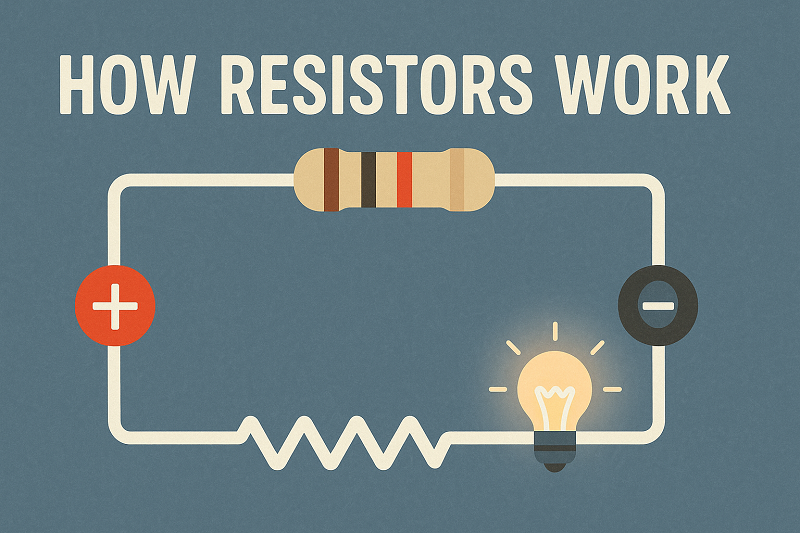
How Resistors Work: From Basic Principles to Advanced Applications2025-07-30
DC Switching Regulators: Principles, Selection, and Applications2025-05-30
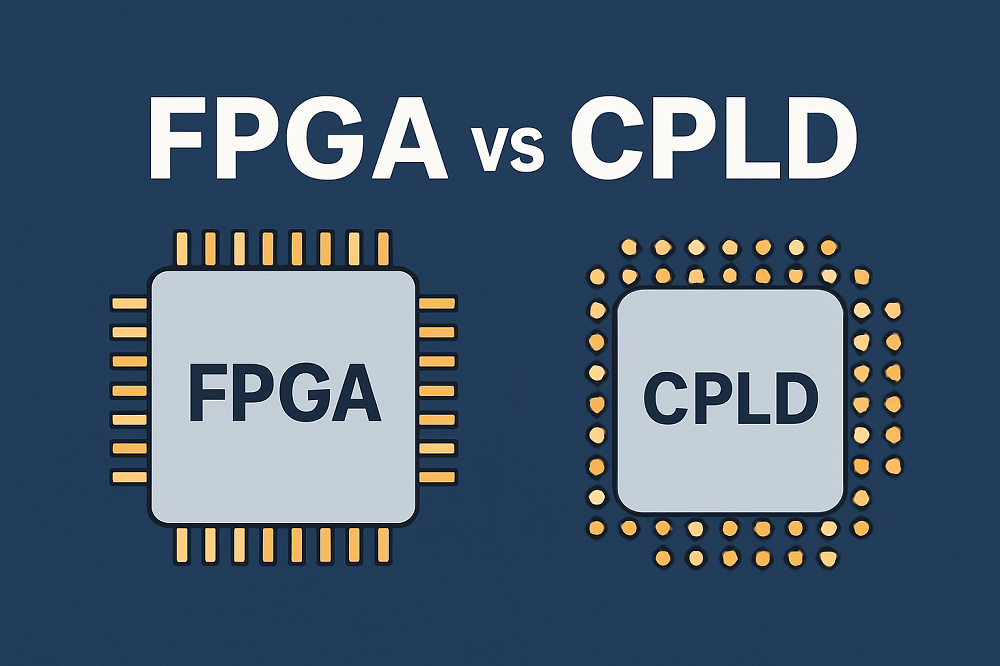
FPGA vs CPLD: In-depth Analysis of Architecture, Performance and Application2025-05-07
MOSFET Technology: Essential Guide to Working Principles & Applications2025-05-04
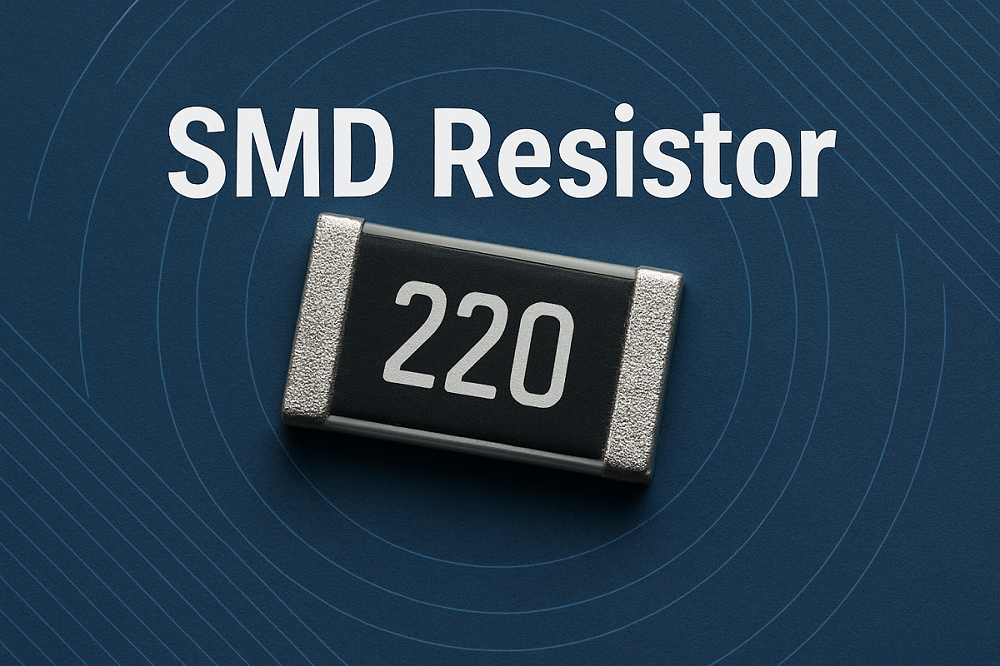
SMD Resistor: Types, Applications, and Selection Guide2025-04-30