Phone

    00852-6915 1330

The Kynix Blog

Stay Ahead with Expert Electronics Insights,
Industry Trends, and Innovative Tips

Diodes

How Much Do You Know About Diodes?

The simplest semiconductor component, the diode, has an astonishing number of applications that are enabled by a number of practical and unique types of diodes that are vital in modern electronics.Now let's get start to learn about diodes.   Applications of Diodes While only two pin semiconductor devices, there are a number of applications of diodes that are vital in modern electronics. Diodes are known for only allowing current to move in one direction through the component.   This lets a diode acts as a one-way valve, keeping signals where they need to be or routing them around components. While diodes only let current move in one direction, each type of diode acts differently, making a number of useful applications for diodes.   Some of the typical applications of diodes include:   ·  Rectifying a voltage, such as turning AC into DC voltages ·  Isolating signals from a supply ·  Voltage Reference ·  Controlling the size of a signal ·  Mixing signals ·  Detection signals ·  Lighting ·Lasers diodes   Power Conversion One significant application of diodes is to convert AC power to DC power. A single diode or four diodes can be used to transform 110V household power to DC by forming a half-way (single diodes) or a full-wave (four diodes) rectifier. A diode does this by allowing only half of the AC waveform to travel through it. When this voltage pulse is used to charge a capacitor, the output voltage appears to be a steady DC voltage with a small voltage ripple.   Using a full wave rectifier makes this process even more efficient by routing the AC pulses so both the positive and negative halves of the input sine wave are seen as only positive pulses, effectively doubling the frequency of the input pulses to the capacitor which helps keep it charged and deliver a more stable voltage. Diodes and capacitors can also be used to create a number of types of voltage multipliers to take a small AC voltage and multiply it to create very high voltage outputs. Both AC and DC outputs are possible using the right configuration of capacitors and diodes.   Demodulation of Signals The most common use for diodes is to remove the negative component of an AC signal so it can be worked with easier with electronics. Since the negative portion of an AC waveform is usually identical to the positive half, very little information is effectively lost in this process. Signal demodulation is commonly used in radios as part of the filtering system to help extract the radio signal from the carrier wave.   Over-Voltage Protections Diodes also function well as protection devices for sensitive electronic components. When used as voltage protection devices, the diodes are non-conducting under normal operating conditions but immediately short any high voltage spike to ground where it cannot harm an integrated circuit. Specialized diodes called transient voltage suppressors are designed specifically for over-voltage protection and can handle very large power spikes for short time periods, typical characteristics of a voltage spike or electric shock, which would normally damage components and shorten the life of an electronic product.   Current Steering The basic application of diodes is to steer current and make sure it only flows in the proper direction. One area where the current steering capability of diodes is used to good effect is in switching from power from a power supply to running from a battery. When a device is plugged in and charging, for example, a cell phone or uninterruptible power supply, the device should be drawing power only from the external power supply and not the battery and while the device is plugged in the battery should be drawing power and recharging. As soon as the power source is removed, the battery should power the device so no interruption in noticed by the user.   Ref. MN3306 MURB1520 SBG1030L-T-F
kynix On 2017-08-11   432
Transistors

A Research Group Has Now Succeeded in Producing Transistors Based on A Completely Different Principle

Transistors, as used in billions on every computer chip, are nowadays based on semiconductor-type materials, usually silicon. As the demands for computer chips in laptops, tablets and smartphones continue to rise, new possibilities are being sought out to fabricate them inexpensively, energy-saving and flexibly. The group led by Dr. Christian Klinke has now succeeded in producing transistors based on a completely different principle. They use metal nanoparticles which are so small that they no longer show their metallic character under current flow but exhibit an energy gap caused by the Coulomb repulsion of the electrons among one another. Via a controlling voltage, this gap can be shifted energetically and the current can thus be switched on and off as desired. In contrast to previous similar approaches, the nanoparticles are not deposited as individual structures, rendering the production very complex and the properties of the corresponding components unreliable, but, instead, they are deposited as thin films with a height of only one layer of nanoparticles. Employing this method, the electrical characteristics of the devices become adjustable and almost identical. These Coulomb transistors have three main advantages that make them interesting for commercial applications: The synthesis of metal nanoparticles by colloidal chemistry is very well controllable and scalable. It provides very small nanocrystals that can be stored in solvents and are easy to process. The Langmuir-Blodgett deposition method provides high-quality monolayered films and can also be implemented on an industrial scale. Therefore, this approach enables the use of standard lithography methods for the design of the components and the integration into electrical circuits, which renders the devices inexpensive, flexible, and industry-compatible. The resulting transistors show a switching behavior of more than 90% and function up to room temperature. As a result, inexpensive transistors and computer chips with lower power consumption are possible in the future. The research results have now been published in the scientific journal Science Advances. "Scientifically interesting is that the metal particles inherit semiconductor-like properties due to their small size. Of course, there is still a lot of research to be done, but our work shows that there are alternatives to traditional transistor concepts that can be used in the future in various fields of application," says Christian Klinke. "The devices developed in our group can not only be used as transistors, but they are also very interesting as chemical sensors because the interstices between the nanoparticles, which act as so-called tunnel barriers, react highly sensitive to chemical deposits."  Ref.KY56-MJL4302AKY56-PZTA06KY56-FZT857TA
kynix On 2017-08-10   298
PCBs

Can We Manage to Recycle PCB Boards for Avoiding Harming the Environment?

LMX3268VBHXThe International Labor Organization (ILO) points out that some 40 million tons of electronic waste (including computers, mobile phones, printers, etc.) are produced every year. The prospect is that this amount will increase even more over time, as electronic devices with new functions and more attractive designs are constantly appearing, stimulating new purchases from the consumer without the old product being out of date. Being present is most electronic devices, Printed Circuit Boards, also known as PCBs, are among the most discarded parts. They are made up of a plastic board and fibrous materials (such as plastic polymers) and a thin film of metallic substance (copper, silver, gold or nickel). These films form “tracks” or “paths” that will be responsible for the electrical conduction done by the electronic components. They can also have other materials in their composition, such as alloys, which have distinct melting points, thus allowing for manipulation and arrangement. There are several alloys available to be used, such as cerrobend, low melting point alloy or fusible alloys. Recycling electronic waste is much needed, because of the chemical components in its composition, with some of them being toxic – they can cause problems if they are disposed of incorrectly. For PCBs specifically, their recycling process involves quite some steps. Mechanical processesIt starts with a pre-treatment system that aims to separate metals, polymer materials and ceramics. After this step, the metals are sent to the metallurgical refining process. The techniques that make up this process are: comminution, classification and separation. Comminution is the technique used to reduce particle size and release metals for future concentrations. In the classification step, the material particles obtained by the previous process must be separated or classified according to their size. After the steps of comminution and classification, the enrichment of the material takes place by means of separation techniques: the parts that are interesting for the refining process of the metal are separated, discarding any impurities. In the case of circuit boards, the difference in electrical conductivity between metals and non-metals is a fundamental condition for the good result of the technique. Non-conductive materials (polymers and ceramics) can be separated from conductors (metals). Some techniques employed for this purpose are explained below. Pyrometallurgy processIt is a metallurgical process that uses high temperatures to produce pure metals, alloys or intermediate compounds. Pyrometallurgy requires high energy consumption to reach the appropriate temperatures for each stage of the process. There are several steps in the process, from the drying of the raw material to the refining of the final product. The chemical transformation step to be used will depend on the material in question. The best known are calcination (decomposition by heat in the presence of oxygen), roasting (calcination applied to sulphides) and pyrolysis (decomposition by the action of heat in an environment with little or no oxygen). Some of the major problems in the use of pyrometallurgical processes are the possibility of emission of toxic compounds such as dioxins and the high energy consumption. Hydrometallurgy processIt consists of the separation of metals. Some of the advantages of this method are the energy savings and the lower pollution of the environment. Electrometallurgy processIt is a process of refining metals through electrolysis. During electrolysis, metals without the impurities undergo electrodeposition, in which metals such as copper, zinc, cadmium, aluminum, precious metals, among others, can be recovered with a high degree of purity; Biometallurgy processThis process uses the action of microorganisms and minerals to recover valuable metals. This process requires a lot of time and metal needs to be exposed to microbial action. Where to recycle?If your computer and its PCBs are not broken but only technologically lagged, look for specialized places that accept donations of these items. You can also resell those components on the Internet, for example. However, and regardless of the final decision, always be sure that the final destination to be given to these materials is a proper one, always avoiding to harm the environment. Ref.IC ChipsPCB2B12ALMZ12001EXT
kynix On 2017-08-09   343
Mosfets

Scientists Have Succeeded in Developing Logic Circuits Equipped with Diamond-based MOSFETs

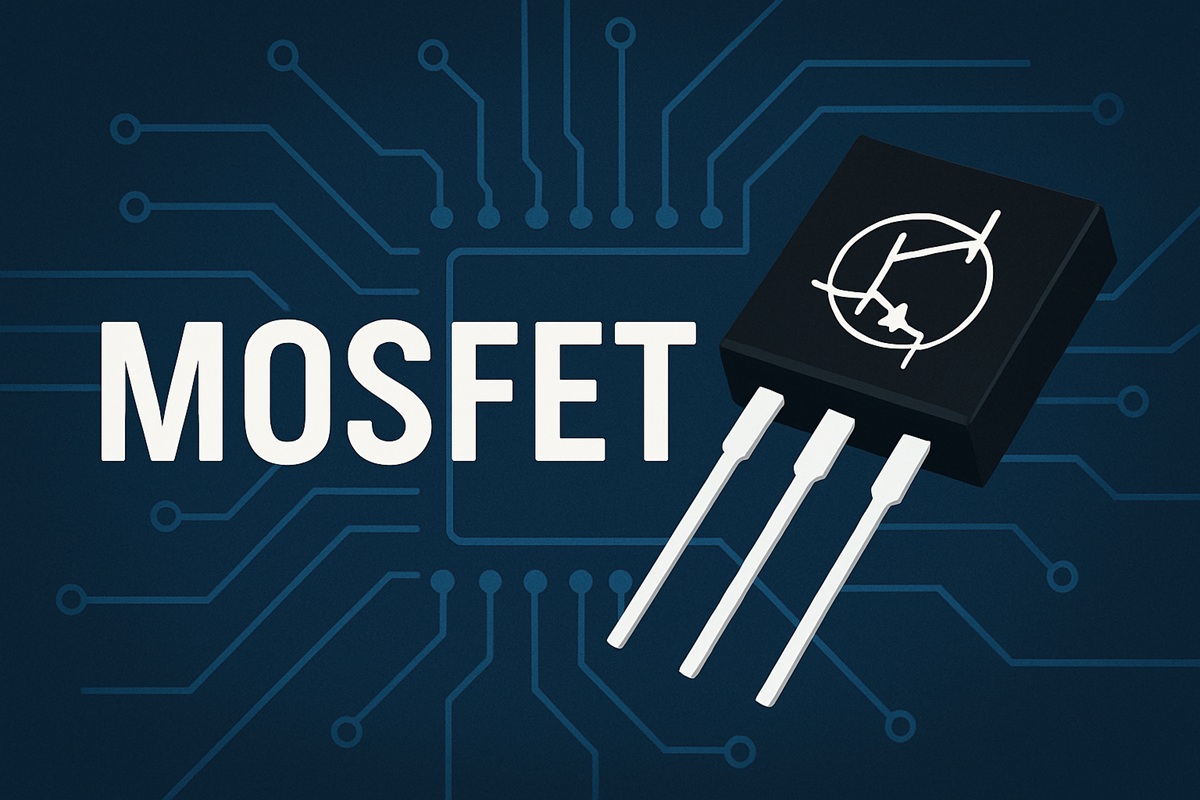
A NIMS research group led by Jiangwei Liu (independent scientist, Research Center for Functional Materials) and Yasuo Koide (coordinating director in the Research Network and Facility Services Division) has succeeded for the first time in the world in developing logic circuits equipped with diamond-based MOSFETs (metal-oxide-semiconductor field-effect-transistors) at two different operation modes. This achievement is a first step toward the development of diamond integrated circuits operational under extreme environments.Diamond has high carrier mobility, a high breakdown electric field and high thermal conductivity. Therefore, it is a promising material to be used in the development of current switches and integrated circuits that are required to operate stably at high-temperature, high-frequency, and high-power. However, it had been difficult to enable diamond-based MOSFETs to control the polarity of the threshold voltage, and to fabricate MOSFETs of two different modes―a depletion mode (D mode) and an enhancement mode (E mode)―on the same substrate. The research group has successfully developed a logic circuit equipped with both D- and E-mode diamond MOSFETs after making a breakthrough by fabricating them on the same substrate using a threshold control technique developed by the group. The research group identified the electronic structure in the interface between various oxides and hydrogenated diamond using photoelectron spectroscopy in 2012. The research group then succeeded in developing a diamond MOS (metal-oxide-semiconductor) capacitor with very low leakage current density and an E-mode hydrogenated diamond-based MOSFET in 2013 after going through many difficulties. The group then prototyped logic circuits by combining diamond-based MOSFETs with load resistors in 2014. Finally, the group developed techniques to control D- and E-mode characteristics of diamond-based MOSFETs and identified the control mechanism in 2015. A series of these R&D accomplishments were introduced in AIP publishing news by the American Institute of Physics. These previous efforts led to the success made in this research project. The logic circuits with diamond-based transistors are promising devices to be used in the development of digital integrated circuits that are required to stably operate under extreme environments such as high-temperature as well as exposure to radiation and cosmic rays. This research was conducted in conjunction with the following projects: Leading Initiative for Excellent Young Researchers (Jiangwei Liu, representative), under the sponsorship of the MEXT Human Resource Development Program for Science and Technology; "Development of new functional diamond electronic devices using a large amount of polarized charges" (Yasuo Koide, principal investigator), under the category of Grant-in-Aid for Scientific Research (A) sponsored by the MEXT Grants-in-Aid for Scientific Research; and "Fabrication of high-current output fin-type diamond field-effect transistors" (Jiangwei Liu, principal investigator), under the category of Grant-in-Aid for Young Scientists (B) sponsored by the MEXT Grants-in-Aid for Scientific Research. Device fabrication was supported by the NIMS Nanofabrication Platform, established under the MEXT Nanotechnology Platform Japan program. Ref.DMN63D0LT-7DMN5L06VK-7
kynix On 2017-08-08   258
RFID

Powercast Announced The Industry’s First RFID Sensor Tags Which Can Include Multiple Sensors in A Single Tag

Powercast has announced what it claims to be the industry's first RFID sensor tags which can include multiple sensors in a single tag, and provide the industry’s longest read range of 10m, or 32ft. High accuracy temperature, humidity and light sensors are now available, with more sensor types planned for the future. Tags for sensing the RFID reader’s field are also available and use an on-board LED to show field strength. Designed for industrial and manufacturing applications where it’s necessary to monitor data to ensure goods don’t fall outside of acceptable parameters, the ultrahigh frequency (UHF) RFID sensor tags enable environmental condition monitoring throughout the shipping journey, for example, of temperature-sensitive pharmaceuticals or perishable products packed with dry ice. Powercast offers two versions of its high-function RFID sensor tags: 1.The PCT100 enables battery-free wireless sensing and can read data within seconds.2.The PCT200 adds a battery with the ability to recharge using any standard RFID reader’s field, making the tag reusable without plugging in or changing batteries. With up to one month of battery life without recharging, the PCT200 provides long-lasting data-logging capabilities while outside the RF field. Users can easily set its data read times from one minute to one hour. The RFID sensor tags use Powercast’s patented RF-harvesting technology where the embedded Powerharvester receiver can generate power purely from a standard RFID reader. How it works: An RFID reader generates an electromagnetic signal, which the Tag’s NXP UCODE RFID chip captures via its receiving antenna. Powercast’s efficient, RF-to-DC converter (50-75% conversion efficiency) then transforms the signal into energy to power the microcontroller and sensors for measuring environmental conditions. The microcontroller then forwards that data over I2C to NXP’s RFID chip for storage in user memory, which the reader can then read out of memory. “We call it high-function RFID because these new passive RFID Sensor Tags have more than ten times the operational power of standard passive RFID tags enabling advanced features and unparalleled computing power,” said Dr. Charles Greene, Powercast’s COO/CTO. Key features:      EPC Class 1 Gen 2 compliant     ISO/IEC 18000-6C compliant     10m read range     High accuracy sensors     Wide RF range: -17 to 20dBm     Frequency range: 860-960MHz     'Find Tag' feature – enables locating one specific tag by illuminating on-board LED     Temperature range: -40 to 85°C     Compact, convenient, hard case package     RoHS compliantHigh conversion efficiency, up to 75% The PCT100 and PCT200 can be configured with one, two or three sensors in any combination of temperature, humidity and light.The PCT100 can also be configured with an onboard LED for showing an RFID reader’s field strength and to verify that it is reading properly. Sample quantities with evaluation software are available from distributors Mouser, Arrow and Future Electronics. Ref.RF/IF and RFID   
kynix On 2017-08-07   294
LED

Smart LED Lighting Is Tested in New York Living Laboratory By Berkeley Lab

The US Department of Energy (DOE) Lawrence Berkeley National Laboratory (Berkeley Lab) has detailed a living laboratory test of solid-state lighting (SSL) and controls on a 40,000-ft2 floor in a New York commercial office building. Berkeley Lab worked with the Building Energy Exchange (BEEx) on the LED lighting project that also included comprehensive light and occupancy sensors along with connected window shade controls. Berkeley Lab believes the work will speed market adoption of smart lighting and the BEEx will use the work to further its educational mission, serving lighting designers and specifiers that are working on commercial spaces.Lately, much of our coverage about smart lighting and the Internet of Things (IoT) has been focused on what lighting-based connectivity can offer in supporting new applications and services such as indoor positioning, security, asset tracking, and more. For example, Acuity Brands said earlier this year that it has deployed indoor positioning technology in 20 million ft2 of retail space. The IoT hype can make it easy to forget that networked control of lighting and shades confined to a space such as an office floor can deliver tremendous benefits in energy used.Still, roadblocks to more smart lighting installations remain. “Context matters when it comes to figuring out where the market barriers are with respect to contractors, facility managers, and office workers — isolated tests in a laboratory environment are often not enough,” said Eleanor Lee. “Reducing stakeholders’ uncertainty about performance and occupant response in a real-world setting can be critical to accelerating market adoption.” Lee is the Berkeley Lab scientist that led the New York project intended to document the benefits of smart lighting in a working office space — thus the characterization as a living lab. Berkeley Lab and BEEx collaborated on an office smart lighting trial in New York City that combined SSL with sensors and window shade controls. Indeed, the project team monitored energy usage and other characteristics of the office space for a full year before the retrofit to SSL and controls took place. BEEx acted as the local manager of the project.As the nearby photo illustrates, the retrofit replaced fluorescent T5 lighting with dimmable LED fixtures delivering direct and indirect lighting. The floor-to-ceiling windows received automated shades. And connected sensors spread throughout the mostly-open space can detect localized light levels and occupancy.The test further considered thermal elements of the space given that the ubiquitous windows and daylight can heat a space. The test included the use of linear slot diffusers along the top of the windows that can mitigate rising temperatures. And underfloor air distribution (UFAD) diffusers were used to improve airflow and allow for localized control. Thermal imaging was used to document acceptable temperatures throughout the retrofitted space.The smart lighting project sought to balance the benefits of natural light with visual and thermal comfort and provide workers with enjoyable views when possible. Shades had to be lowered at times to mitigate glare but could be opened at other times, both reducing the need for artificial lighting and fully revealing views for the office.The study focused on the 40-ft perimeter zone of the office floor. Compared to the measured baseline, the electricity required for lighting dropped 79% over the course of six months in which BEEx has monitored the installation. Peak electrical demand dropped 74%.The study did not measure energy dedicated to powering the HVAC (heating, ventilation, and air conditioning) system in the space. But the researchers did estimate the impact on HVAC energy and also projected the measured data to suggest an entire building retrofit would have delivered savings of $730,000 per year. Based on installation cost of $3–$10 per square foot, an entire building project would pay back in 3–12 years.BEEx will take the results of the project to help the lighting community with tools and other resources. “Using everything we learned on this project,  we've developed a series of tools that will really help the engaged design professional or building owner make better decisions about lighting system upgrades, and avoid the common pitfalls on the road to a high-performance office space,” said Yetsuh Frank, BEEx managing director of strategy and programs.The Berkeley Lab has not been as involved in the SSL sector as has the DOE Pacific Northwest National Laboratory (PNNL). PNNL has been behind many of the DOE Caliper and Gateway projects. We have covered many of those reports such as a recent Gateway report on four common indoor lighting applications.Still, the Berkeley Lab is adding to the DOE’s SSL initiative. About a year back we reported on a Berkeley project involving solar-powered LED lighting outdoors where the researchers said such lighting could create 2 million jobs in developing regions. Ref.591-2201-013F591-2001-013F 
kynix On 2017-08-05   199

Kynix

Kynix was founded in 2008, specializing in the electronic components distribution business. We adhere to honesty and ethics as our business philosophy and have gradually established an excellent reputation and credibility in our international business. With the accurate quotation, excellent credit, reasonable price, reliable quality, fast delivery, and authentic service, we have won the praise of the majority of customers.

Follow us

Join our mailing list!

Be the first to know about new products, special offers, and more.

Kynix

  • How to purchase

  • Order
  • Search & Inquiry
  • Shipping & Tracking
  • Payment Methods
  • Contact Us

  • Tel: 00852-6915 1330
  • Email: info@kynix.com
  • Follow Us

authentication

Kynix

© 2008-2026 kynix.com all rights reserved.