Phone

    00852-6915 1330

The Kynix Blog

Stay Ahead with Expert Electronics Insights,
Industry Trends, and Innovative Tips

Connectors

Automotive Wire Connectors: Types, Selection & Installation

Introduction to Automotive Wire Connectors In the intricate world of automotive electrical systems, wire connectors serve as the critical junctions that maintain the integrity and functionality of a vehicle's electrical network. These seemingly small components play an outsized role in ensuring reliable power transmission, signal integrity, and overall system performance. For automotive engineers, mechanics, and DIY enthusiasts alike, understanding the nuances of wire connectors isn't just a technical detail—it's essential knowledge that can make the difference between a reliable electrical system and frustrating intermittent failures. Poor connections are among the most common causes of electrical problems in vehicles, leading to issues ranging from minor annoyances to complete system failures. "The automotive connectors market size reached USD 14.1 Billion in 2024 and is forecast to reach USD 22.8 Billion by 2033, driven by innovations in adaptive lighting, cruise control, and park assistance systems." — Global Market Research Report, 2024 As vehicles evolve with increasing electrical complexity—from advanced driver assistance systems to electric powertrains—the demands on connectors have grown exponentially. Today's automotive wire connectors must withstand extreme conditions including temperature fluctuations, vibration, moisture, and chemical exposure while maintaining reliable electrical connections. This comprehensive guide will explore the world of automotive wire connectors, covering everything from basic types and selection criteria to installation best practices and troubleshooting. Whether you're working on a restoration project, upgrading your vehicle's electrical system, or simply want to understand how these crucial components function, this guide will equip you with the knowledge needed to make informed decisions. Common Pain Points with Automotive Connectors: Difficulty identifying the correct connector type for specific applicationsChallenges with proper crimping and installation techniquesFrustration with intermittent connections causing electrical problemsConfusion about waterproofing options for harsh environment applicationsUncertainty about quality differences between connector brands and materials Types of Automotive Wire Connectors Automotive wire connectors come in various designs, each engineered for specific applications and environmental conditions. Understanding the different types helps ensure you select the appropriate connector for your particular needs. Common types of automotive electrical connectors By Insulation and Sealing Unsealed Connectors Best for: Interior applications protected from moisture and contaminants Features: Lighter weight, cost-effective, easier to assemble Limitations: Not suitable for harsh environments, susceptible to corrosion when exposed to moisture Sealed/Waterproof Connectors Best for: Engine compartment, exterior locations, or areas exposed to fluids Features: Rubber seals, special grommet designs, weather-resistant materials Limitations: More expensive, require precise installation techniques By Connection Method Crimp Connectors Most common type, requires crimping tool for secure connection Solder Connectors Provides excellent electrical continuity but requires soldering equipment IDC (Insulation Displacement) Cuts through wire insulation automatically for quick connections Popular Connector Series Connector SeriesKey FeaturesTypical ApplicationsIP RatingDeutsch DT SeriesExcellent vibration resistance, robust environmental sealing, operational from -55°C to +125°CHeavy equipment, off-road vehicles, marine applicationsIP68Molex MX150Compact design, sealed construction, strain relief features, CPA (Connector Position Assurance)Automotive body electronics, lighting systems, sensorsIP67TE AMP SupersealSingle-wire sealing system, secondary locks, compact design, temperature range -40°C to +125°CPowertrain applications, exterior lighting, HVAC systemsIP67Delphi WeatherpackTower and shroud design, excellent moisture resistance, color-codedEngine management systems, transmission control, ABS systemsIP67JST ConnectorsCompact size, various pitch options, reliable locking mechanismInterior electronics, dashboard components, entertainment systemsVaries by series Selection Tip When choosing between connector types, consider the environmental exposure, current requirements, space constraints, and frequency of disconnection in your specific application. How to Choose the Right Connectors Selecting the appropriate automotive wire connector involves evaluating several critical factors to ensure reliability, longevity, and proper electrical performance. Here's what to consider: Technical Considerations Current Rating: Must match or exceed the maximum current flow of the circuitVoltage Rating: Should accommodate the system's operating voltage with safety marginWire Gauge Compatibility: Connector must properly fit the wire sizes in your applicationPin Count: Ensure sufficient connections for all required circuitsContact Material: Copper alloys for general use; gold-plating for low-current signals Environmental Factors Temperature Extremes: Consider both high and low temperature exposureMoisture Exposure: IP rating should match exposure level (IP67/IP68 for wet areas)Vibration Resistance: Critical for engine bay or chassis-mounted connectionsChemical Exposure: Resistance to oils, fuels, and cleaning agentsUV Exposure: Important for exterior applications to prevent degradation Practical Considerations Installation Requirements Tool accessibilitySpecial crimpers neededAssembly complexity Maintenance Needs Serviceable vs. sealedReusabilityContact replacement Cost Factors Initial connector costRequired toolingLong-term reliability "Choosing a higher-density connector can ensure signal integrity, add redundancy or back-up capability, and enable versatility when combinations of power, signal and ground are required." — Wiring Harness News, Core Factors for Selecting Automotive Electrical Connectors Decision Matrix Approach When comparing multiple connector options, create a simple decision matrix with your most important criteria weighted according to your application priorities: List all viable connector optionsIdentify 5-7 key criteria important for your applicationWeight each criterion (1-10 based on importance)Score each connector option (1-10) on each criterionMultiply scores by weights and sum for each optionSelect the highest-scoring connector type Remember: The least expensive connector is rarely the most cost-effective in the long run, especially in critical applications where failure would be costly or dangerous. Installation Best Practices Proper installation is essential for ensuring reliable connections and preventing common issues like loose connections, corrosion, and intermittent failures. Follow these guidelines for professional-quality results: Essential Tools for Connector Installation Basic Tools Wire strippers (adjustable for different gauges)Wire cuttersCrimping tools (matched to connector type)Heat gun (for heat shrink applications) Specialty Tools Terminal extraction toolsConnector pin alignment toolsRatcheting crimp tools for specific connectorsConnector assembly fixtures Consumables Dielectric greaseHeat shrink tubing (various sizes)Electrical tapeContact cleaner spray Step-by-Step Installation Process Step 1: Preparation Disconnect vehicle battery before working on electrical systemsSelect appropriate connector for the applicationEnsure you have all necessary tools and componentsVerify wire gauge and connector compatibility Step 2: Wire Preparation Cut wire to appropriate length, allowing for service loopStrip insulation to specified length (typically 3-5mm depending on connector)Ensure clean cut with no stray strands or damaged conductorFor sealed connectors, slide seals onto wire before crimping Step 3: Crimping Terminals Position terminal in correct crimping die (matched to terminal and wire size)Insert stripped wire fully into terminal barrelCrimp with proper tool using specified pressureInspect crimp: conductor and insulation crimp zones should be properly formedPerform gentle pull test to verify crimp integrity Step 4: Terminal Insertion Verify terminal orientation before insertionInsert terminal into connector housing until locking tab clicksGently tug to confirm proper seating and lockingFor sealed connectors, verify seal compression Step 5: Final Assembly Apply small amount of dielectric grease to contacts if recommendedInstall any secondary locks or position assurance devicesConnect mating connectors, ensuring proper alignmentVerify secure locking between connector halvesSecure wiring harness with appropriate clips or ties Common Installation Mistakes to Avoid Strengths and Limitations of Automotive Wire Connectors Understanding both the advantages and potential weaknesses of automotive wire connectors helps you make informed decisions and plan for long-term reliability. Key Strengths 1. Reliability in Harsh Environments Modern automotive connectors are engineered to withstand temperature extremes, vibration, moisture, and chemical exposure. High-quality connectors maintain excellent electrical continuity even under severe operating conditions. 2. Modular Design Flexibility Connectors enable modular design approaches, allowing for easier assembly, maintenance, and component replacement without extensive rewiring. This modular approach is essential for modern vehicle manufacturing and service. 3. Standardized Specifications Industry standardization means connectors from different suppliers often share compatible designs and specifications, ensuring interoperability and simplifying replacement and service parts inventory management. 4. Advanced Safety Features Modern connectors incorporate features like Terminal Position Assurance (TPA), Connector Position Assurance (CPA), and secondary locks that prevent accidental disconnection and ensure proper mating, enhancing system reliability and safety. 5. Space Optimization Advanced connector designs offer high pin density and compact form factors, allowing more electrical connections in smaller spaces—critical for modern vehicles with increasingly complex electrical systems in limited space. Improvement Areas and Limitations 1. Installation Complexity Many high-performance connectors require specialized tools and techniques for proper installation. Improper crimping or assembly can lead to premature failures, especially in DIY applications without proper equipment. 2. Cost Considerations High-quality sealed connectors can be significantly more expensive than basic alternatives. The cost increase is often justified for critical applications but may be prohibitive for budget-constrained projects. 3. Environmental Degradation Over Time Even the best connectors can experience gradual degradation from thermal cycling, vibration, and chemical exposure. Seals can harden or crack with age, potentially compromising environmental protection in older systems. "Mating force, moisture, corrosion, and fretting are all common causes of connector failure. Luckily, all of these issues can be prevented with a thin layer of the right connector grease." — NyeLubricants, "The 4 Biggest Connector Problems and How to Solve Them" User Feedback & Market Trends User Experience Stories "After switching to Deutsch DT connectors for my off-road vehicle's lighting system, I haven't had a single failure despite regular exposure to mud, water, and extreme vibration. The cost was higher, but the reliability has been worth every penny." — Mike T., Off-Road Enthusiast "I learned the hard way that using the wrong crimping tool leads to failures. After investing in a proper ratcheting crimper specific to the connectors I use, my electrical issues disappeared. Don't skimp on the tools!" — Sarah K., Automotive Restoration Specialist "For our racing applications, we've found the Superseal connectors provide the best balance of reliability and ease of service. The ability to quickly disconnect and reconnect components during pit stops without special tools has been invaluable." — Team Apex Racing, Crew Chief Market Trends & Developments Miniaturization The automotive industry continues to demand smaller, lighter connectors that maintain or improve performance specifications. This trend is driven by space constraints and weight reduction efforts in modern vehicles. High-Voltage Systems With the rise of electric and hybrid vehicles, there's growing demand for connectors capable of safely handling higher voltages (400V+) and currents while maintaining compact form factors. Smart Connection Systems Emerging connectors with integrated sensors can monitor connection quality, temperature, and other parameters, providing diagnostic information and predictive maintenance capabilities. Sustainable Materials Environmental concerns are driving development of more sustainable connector materials that reduce reliance on precious metals while maintaining performance standards. Market Growth Statistics Top 3 Hottest Selling Automotive Wire Connectors Based on market popularity, performance specifications, and user feedback, here are three standout automotive connector options for different application needs: Deutsch DT Series Connector Material: PA GF HousingTemp Range: -55°C to +125°CCurrent: 13AIP Rating: IP68 Key Features: Excellent vibration resistanceSuperior environmental sealingRobust mechanical designWide temperature rangeMultiple cavity options Best For: Heavy-duty applications, off-road vehicles, marine environments, and any situation requiring exceptional reliability in harsh conditions. View Product Molex MX150 Sealed Connector Mounting: Free Hanging (In-Line)Positions: 2 to 12 positions availablePitch: 3.50mmSealing: Fully sealed design Key Features: Connector Position Assurance (CPA)Individual wire sealsCompact designMultiple keying optionsColor-coded options Best For: Automotive body electronics, lighting systems, sensors, and applications requiring a balance of compact size and environmental protection. View Product TE Connectivity AMP Superseal Housing: PolyamideTemp Range: -40°C to +125°CVoltage: 24V RatedPositions: 1 to 6 positions Key Features: Single-wire sealing systemSecondary locksCompact designEasy assemblyExcellent moisture resistance Best For: Powertrain applications, exterior lighting, HVAC systems, and general automotive applications requiring reliable sealed connections. View Product Purchasing Tip When purchasing automotive connectors, verify you're getting genuine components from authorized distributors. Counterfeit connectors may look similar but often use inferior materials that compromise reliability and safety. Common Misconceptions About Automotive Wire Connectors Myth #1: "All crimped connections are inferior to soldered connections" The Misconception: Soldered connections are always more reliable than crimped connections in automotive applications. The Reality: Properly crimped connections using the correct tools can be more reliable than soldered ones in high-vibration environments. Modern automotive manufacturers predominantly use crimped connections for their superior vibration resistance and consistent performance. Myth #2: "Electrical tape is sufficient for waterproofing connections" The Misconception: Wrapping connections in electrical tape provides adequate protection from moisture. The Reality: Electrical tape provides only temporary moisture resistance and often degrades quickly in automotive environments. Proper waterproofing requires sealed connectors with integrated gaskets or heat-shrink tubing with adhesive liners. Myth #3: "Higher-priced connectors are just paying for the brand name" The Misconception: Expensive connectors from known brands perform the same as generic alternatives at a fraction of the cost. The Reality: Quality connectors use superior materials, more precise manufacturing processes, and undergo extensive testing. The performance difference becomes evident in extreme conditions or over extended periods, where premium connectors maintain reliability while cheaper alternatives often fail. Myth #4: "Any crimping tool will work for automotive connectors" The Misconception: Generic crimping tools are adequate for all automotive terminal types. The Reality: Different connector systems require specific crimping tools designed for their terminal types and sizes. Using incorrect tools results in poor crimps that may pass visual inspection but fail under stress or over time. Manufacturer-specified tools create crimps that meet proper specifications for long-term reliability. Checklist: Evaluating Connector Selection Options Technical Requirements: Current/voltage specifications match applicationAppropriate temperature rating for locationVibration resistance meets environmental needsProper IP rating for exposure conditions Practical Considerations: Availability of proper tooling for installationCompatibility with existing systemsFuture serviceability requirementsCost-benefit ratio for application criticality Frequently Asked Questions What's the difference between sealed and unsealed connectors? Sealed connectors incorporate rubber or silicone seals that prevent moisture, dust, and contaminants from entering the connection. They typically feature individual wire seals and mating face seals. Unsealed connectors lack these environmental protections and are intended for use in protected interior locations. Sealed connectors are essential for engine compartments, exterior locations, or any area exposed to moisture or contaminants. How do I identify an unknown connector in my vehicle? Identifying unknown connectors involves several steps: Count the number of pins/terminalsMeasure the connector body dimensions and pin spacing (pitch)Note any identifying marks, colors, or keying featuresCheck the vehicle's wiring diagram if availableCompare with connector identification resources from manufacturersConsult automotive forums specific to your vehicle make/modelTake clear photos and seek help from automotive electrical specialists Vehicle-specific repair manuals often contain connector identification charts that can be very helpful. What causes corrosion in automotive connectors and how can I prevent it? Connector corrosion is typically caused by: Moisture intrusion (from damaged seals or condensation)Salt exposure (road salt or coastal environments)Galvanic corrosion between dissimilar metalsBattery acid or other chemical exposureHeat cycling that draws in moisture Prevention methods include: Using properly sealed connectors for exposed applicationsApplying dielectric grease to connector contacts before assemblyEnsuring proper connector seating and lock engagementReplacing damaged seals or connectors promptlyUsing corrosion-resistant plated terminals where appropriateRouting wiring to avoid water collection points Can I reuse terminals after they've been crimped? Generally, crimped terminals should not be reused. The crimping process permanently deforms both the terminal and the wire, creating a gas-tight connection. Attempting to reuse a terminal typically results in: Reduced mechanical strengthCompromised electrical conductivityHigher resistance leading to potential heatingUnreliable connection prone to intermittent issues For critical automotive systems, always use new terminals when reworking connections. The minimal cost of new terminals is far outweighed by the potential reliability issues from reused components. What tools are essential for working with automotive connectors? A basic automotive connector toolkit should include: Wire strippers: Preferably adjustable or with multiple sizing options for different wire gaugesRatcheting crimp tool: For insulated and non-insulated terminalsSpecialized crimpers: For specific connector types (Weather Pack, Deutsch, Metripack, etc.)Terminal extraction tools: Matched to the connector types you're working withPin insertion tools: For guiding terminals into tight connector housingsHeat gun: For heat shrink tubing applicationDigital multimeter: For testing connections and troubleshootingWire gauge measuring tool: For accurate wire size identification Professional technicians often invest in manufacturer-specific tooling for the connector families they work with most frequently, as these provide the most consistent, specification-compliant results. Have a Question? Still have questions about automotive wire connectors? Leave a comment below or contact our technical support team for personalized assistance. Thought-Provoking Questions for Readers: What has been your most challenging automotive wiring project, and which connectors did you find most helpful?Have you experienced premature connector failures? What environmental factors do you think contributed to the issue?For DIY enthusiasts: What connector systems do you find most user-friendly for projects without specialized tools?How have advancements in automotive connector technology changed your approach to electrical system maintenance or modifications? Conclusion and Rating Automotive wire connectors are essential components that directly impact the reliability, durability, and safety of vehicle electrical systems. As we've explored throughout this guide, selecting the right connector for each application requires balancing technical specifications, environmental requirements, and practical considerations. For Professional Applications Premium sealed connectors from established manufacturers offer unmatched reliability and are worth the investment for critical systems. For DIY Enthusiasts Mid-range connector systems with available hand tools provide good reliability without requiring professional-grade equipment. For Budget Projects Basic connector types can be suitable for non-critical interior applications when properly installed and maintained. Remember that the quality of your electrical connections is only as good as your installation technique. Even the highest-rated connectors will fail if improperly crimped or installed. Investing in proper tools and taking the time to learn correct installation procedures pays dividends in system reliability. As vehicle electrical systems continue to evolve with increasing complexity and higher power requirements, connector technology will keep pace with innovations in materials, design, and functionality. Staying informed about these developments helps ensure your electrical systems remain reliable, efficient, and safe. Key Takeaways Match the connector to the environment - Consider temperature, moisture, vibration, and chemical exposureUse proper tools - Invest in the correct crimping and assembly tools for your connector typesFollow manufacturer guidelines - Adhere to recommended strip lengths, crimping techniques, and assembly proceduresConsider long-term reliability - The lowest cost option is rarely the most economical over the life of the vehiclePlan for serviceability - Think about future maintenance needs when selecting and installing connector systems We hope this guide helps you make informed decisions about automotive wire connectors for your projects. For specific application advice or technical support, consult with connector manufacturers or automotive electrical specialists. Additional Resources Related Articles: Ring Connector Terminals: The Backbone of Reliable Semiconductor ConnectionsRectangular Connector Housings: A Comprehensive GuideRF Coaxial Connectors: Types, Applications, and Selection Guide External Resources: TE Connectivity Automotive Connector Resource CenterMolex Automotive Connection SystemsCore Factors for Selecting Automotive Electrical Connectors Video Tutorials Comprehensive Guide to Automotive Wiring Connectors A detailed walkthrough of various automotive connector types and their applications. How to Properly Crimp Automotive Connectors Learn how to create reliable waterproof connections for automotive applications. // Simple script to toggle FAQ answers document.querySelectorAll('.faq-question').forEach(question => { question.addEventListener('click', () => { const answer = question.nextElementSibling; answer.style.display = answer.style.display === 'none' ? 'block' : 'none'; }); }); body { font-family: 'Segoe UI', Tahoma, Geneva, Verdana, sans-serif; line-height: 1.6; color: #333; } .container { max-width: 1200px; margin: 0 auto; } .table-container { overflow-x: auto; } .citation-box { background-color: #f8fafc; border-left: 4px solid #3b82f6; padding: 1rem; margin: 1.5rem 0; } .product-card { transition: all 0.3s ease; } .product-card:hover { transform: translateY(-5px); box-shadow: 0 10px 25px -5px rgba(0, 0, 0, 0.1), 0 10px 10px -5px rgba(0, 0, 0, 0.04); } .faq-item { border-bottom: 1px solid #e2e8f0; } .faq-question { cursor: pointer; }
Allen On 2025-05-06   1357
Mosfets

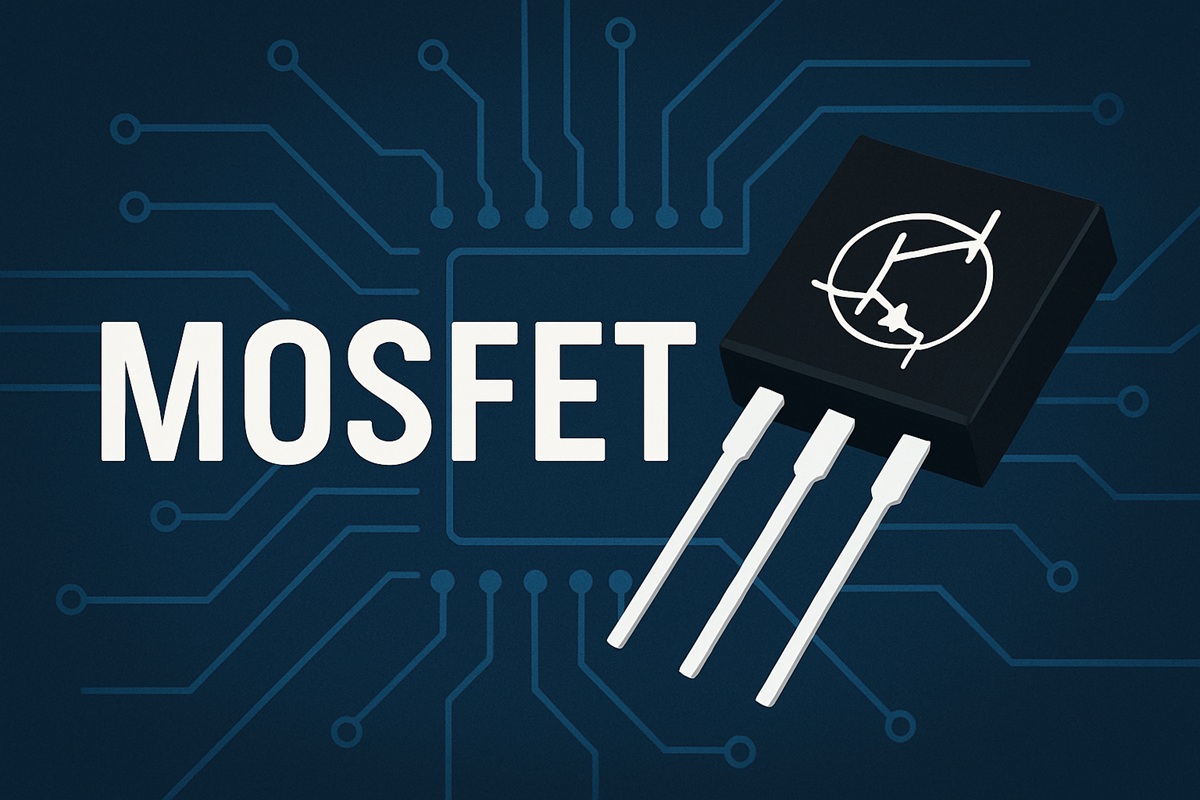
MOSFET Technology: Essential Guide to Working Principles & Applications

1. Introduction to MOSFETs In the world of modern electronics, few components have revolutionized circuit design as profoundly as the Metal-Oxide-Semiconductor Field-Effect Transistor (MOSFET). These tiny yet powerful semiconductor devices have become the backbone of contemporary electronic systems, from smartphones and laptops to industrial equipment and automotive electronics. Figure 1: Various types of MOSFET packages used in modern electronics Did you know that a single advanced microprocessor can contain billions of MOSFETs on a chip smaller than your fingernail? This incredible density has enabled the computing revolution we take for granted today. MOSFETs have become fundamental building blocks for both analog and digital circuits due to their unique electrical properties and outstanding performance. The MOSFET differs significantly from its predecessor, the bipolar junction transistor (BJT), by operating as a voltage-controlled device rather than a current-controlled one. This fundamental difference makes MOSFETs exceptionally energy-efficient and ideal for applications where power consumption is a critical concern. "MOSFETs represent one of the most significant technological breakthroughs in semiconductor history, enabling the dramatic miniaturization and increased efficiency of electronic devices over the past five decades." In this comprehensive guide, we'll explore the working principles, types, applications, and selection criteria for MOSFETs. Whether you're an electronics enthusiast, engineering student, or professional designer, understanding these versatile components will enhance your ability to create efficient and innovative electronic systems. 2. MOSFET Working Principles 2.1 Basic Structure and Components At its core, a MOSFET consists of several key components working together to control electrical current flow. Understanding the physical structure of a MOSFET is essential to grasp its operating principles and capabilities. Figure 2: Basic structure of a MOSFET showing key components The fundamental components of a MOSFET include: Gate Terminal: The control electrode that regulates current flow through the device. It's separated from the semiconductor material by an insulating oxide layer.Source Terminal: The terminal where charge carriers enter the device.Drain Terminal: The terminal where charge carriers exit the device.Substrate (Body): The semiconductor material that forms the foundation of the device, typically made of silicon.Oxide Layer: A thin insulating layer (usually silicon dioxide) that separates the gate from the channel, preventing direct electrical contact.Channel: The region between source and drain where current flows when the device is turned on. The name MOSFET itself describes its construction: Metal (gate electrode), Oxide (insulating layer), and Semiconductor (substrate), combined with Field-Effect Transistor (operating principle). Pro Tip: MOSFETs are sometimes called IGFETs (Insulated Gate Field-Effect Transistors) because the gate is electrically insulated from the channel, which is a key feature distinguishing them from other transistor types. 2.2 Operation Modes MOSFETs operate in different modes depending on the voltage applied to their terminals. The two primary modes are enhancement mode and depletion mode. Enhancement Mode Figure 3: Enhancement Mode MOSFET operation In enhancement mode operation: The MOSFET acts like an open switch when no voltage is applied to the gate (normally OFF).A conductive channel forms between source and drain only when sufficient voltage is applied to the gate.For N-channel enhancement MOSFETs, a positive gate voltage is required to create an electron-rich channel.For P-channel enhancement MOSFETs, a negative gate voltage is required to create a hole-rich channel. Depletion Mode Figure 4: Depletion Mode MOSFET operation In depletion mode operation: The MOSFET has a conductive channel even with no gate voltage (normally ON).Applying a voltage of appropriate polarity to the gate reduces or "depletes" the channel, decreasing current flow.For N-channel depletion MOSFETs, a negative gate voltage depletes the channel.For P-channel depletion MOSFETs, a positive gate voltage depletes the channel. MOSFETs also operate in three distinct regions based on the relationship between gate-source voltage (VGS) and drain-source voltage (VDS): Cut-off Region: The MOSFET is turned off, and no significant current flows between drain and source.Ohmic (Linear) Region: The MOSFET acts like a voltage-controlled resistor, with current proportional to voltage.Saturation Region: The MOSFET delivers a relatively constant current regardless of increases in drain-source voltage. 2.3 Electrical Characteristics MOSFETs exhibit several important electrical characteristics that determine their performance in circuits: Threshold Voltage (Vth) The threshold voltage is the minimum gate-source voltage required to create a conductive channel between source and drain. Typical threshold values range from 1-4V, with lower voltages (1-2V) for logic-level MOSFETs designed to work with digital circuits, and higher voltages for power applications. On-Resistance (RDS(on)) On-resistance is the resistance between drain and source when the MOSFET is fully turned on. Lower RDS(on) values result in less power dissipation and higher efficiency. Modern power MOSFETs can achieve RDS(on) values below 1 milliohm for high-current applications. Transconductance (gm) Transconductance measures how efficiently the gate voltage controls the drain current. Higher transconductance values indicate better control and amplification capabilities. Gate Charge (Qg) Gate charge represents the amount of electrical charge required to turn the MOSFET on. Lower gate charge values enable faster switching speeds and lower switching losses, which is critical in high-frequency applications. Breakdown Voltage (VDSS or BVDSS) This is the maximum voltage the MOSFET can withstand between drain and source before breakdown occurs. Power MOSFETs are available with breakdown voltages ranging from tens to thousands of volts. Important Note: The relationship between on-resistance and breakdown voltage involves a fundamental tradeoff in MOSFET design. Higher breakdown voltage ratings generally result in higher on-resistance, which means increased power losses during conduction. This tradeoff must be carefully considered when selecting MOSFETs for specific applications. 3. Types of MOSFETs 3.1 N-Channel vs P-Channel Figure 5: Comparison of N-Channel and P-Channel MOSFETs MOSFETs are primarily classified by the type of charge carriers that form their conductive channel: N-Channel MOSFETs In N-channel MOSFETs, electrons serve as the primary charge carriers. These MOSFETs: Turn on with a positive gate voltage relative to the sourceOffer higher electron mobility, resulting in lower on-resistance and better efficiencyAre more commonly used due to superior performance characteristicsTypically serve as "low-side switches" where the load is connected between the positive supply and the drain P-Channel MOSFETs In P-channel MOSFETs, holes (absence of electrons) serve as the primary charge carriers. These MOSFETs: Turn on with a negative gate voltage relative to the sourceHave higher on-resistance than equivalent N-channel devices (typically 2-3 times higher)Are often used as "high-side switches" where the load is connected between the drain and groundSimplify circuit design in certain applications despite lower efficiencyCharacteristicN-Channel MOSFETP-Channel MOSFETCharge CarriersElectronsHolesGate Voltage to Turn OnPositive relative to sourceNegative relative to sourceTypical ApplicationLow-side switchingHigh-side switchingEfficiencyHigher (lower RDS(on))Lower (higher RDS(on))Circuit Symbol DirectionArrow pointing outwardArrow pointing inward 3.2 Enhancement vs Depletion Mode Figure 6: Enhancement and Depletion Mode MOSFETs Beyond the channel type, MOSFETs are further classified based on their default state without applied gate voltage: Enhancement Mode MOSFETs Enhancement mode MOSFETs are normally OFF when no voltage is applied to the gate. They require an appropriate gate voltage to enhance (create) a conductive channel. Enhancement mode devices are the most common MOSFETs in modern electronics because: They consume no power when off (ideal for battery-powered devices)They offer simplified circuit protection in failure scenariosThey provide more predictable operation in most digital and power circuits Depletion Mode MOSFETs Depletion mode MOSFETs are normally ON when no voltage is applied to the gate. They require an appropriate gate voltage to deplete (remove) the existing conductive channel. Although less common, they offer advantages in: Certain analog circuits where a normally-on condition is desirableApplications requiring fail-safe operation when gate drive is lostSpecific circuit topologies like cascode configurationsPro Tip: Enhancement mode MOSFETs are often symbolized with a broken channel line in circuit diagrams, while depletion mode MOSFETs are shown with a solid channel line. This visual difference helps engineers quickly identify the device type in schematics. 3.3 Power MOSFETs Power MOSFETs are specialized versions designed to handle higher voltages and currents. They feature several important design variations: Figure 7: Various power MOSFET package types Vertical MOSFETs Most power MOSFETs use a vertical structure where current flows from the drain at the bottom of the chip to the source at the top. This design maximizes current handling capability and voltage blocking ability. Planar vs. Trench Technology Power MOSFETs are manufactured using either planar or trench technology: Planar MOSFETs: The older technology with the gate and channel formed on the surface of the siliconTrench MOSFETs: A newer design where the gate structure extends into trenches etched into the silicon, providing higher cell density and lower on-resistance Packaging Options Power MOSFETs come in various package types based on thermal and current requirements: Through-hole packages (TO-220, TO-247): Offer excellent thermal performance and easy mountingSurface-mount packages (DPAK, D2PAK, SO-8): Provide space efficiency for automated assemblyPQFN packages: Offer ultra-low profile and excellent thermal performanceDirectFET packages: Provide optimized thermal and electrical performance for high-efficiency applications"The development of power MOSFETs has been one of the key enablers for the miniaturization of power electronics, allowing engineers to create smaller, more efficient power supplies and motor drives than ever before possible." 4. Applications of MOSFETs Figure 8: Common applications of MOSFETs in modern electronics MOSFETs are among the most versatile semiconductor devices, finding applications across virtually every sector of electronics. Their unique properties make them ideal for a wide range of functions, from simple switching to complex signal processing. 4.1 Switching Applications One of the most common uses of MOSFETs is as electronic switches. Their ability to transition quickly between high-resistance (off) and low-resistance (on) states makes them ideal for controlling power to various loads. Low-Side and High-Side Switching MOSFETs can be configured as: Low-side switches: N-channel MOSFETs placed between the load and groundHigh-side switches: P-channel MOSFETs or specially driven N-channel MOSFETs placed between the power supply and the load Pulse Width Modulation (PWM) MOSFETs excel in PWM applications where rapid switching is required to control: 4.2 Amplification Applications MOSFETs serve as excellent amplifiers due to their high input impedance and good frequency response. They are used in: The extremely high input impedance of MOSFETs (typically 1010 to 1015 ohms) allows them to amplify signals without loading down the source, making them ideal for applications where minimal signal distortion is critical. 4.3 Integrated Circuits MOSFETs form the foundation of modern integrated circuit technology: Digital Logic CMOS (Complementary MOS) technology, which combines N-channel and P-channel MOSFETs, dominates digital logic implementation due to its: Low power consumption during static operationHigh noise immunityWide operating voltage rangeHigh integration density Memory MOSFETs are essential in various memory technologies: DRAM (Dynamic RAM): Uses MOSFETs as access transistors for storage capacitorsSRAM (Static RAM): Uses multiple MOSFETs to form bistable latchesFlash memory: Uses specially designed floating-gate MOSFETs to store charge Microprocessors Modern CPUs and microcontrollers contain billions of MOSFETs, with each one serving as a fundamental switching element in the processor's logic circuits. Pro Tip: The miniaturization of MOSFETs following Moore's Law has been the driving force behind the exponential increase in computing power over the past several decades. Today's most advanced processes can create MOSFETs with features as small as 5 nanometers. 4.4 Power Electronics Applications Power MOSFETs handle substantial current and voltage levels in various applications: Power Supplies MOSFETs are critical components in modern switching power supplies: DC-DC converters: Buck, boost, and buck-boost topologiesAC-DC power supplies: Power factor correction stages and synchronous rectificationUninterruptible power supplies (UPS): Inverter stages and battery management Motor Control MOSFETs provide precise control in various motor drive applications: Brushless DC motor controllers in drones and electric vehiclesVariable frequency drives for industrial motorsStepper motor drivers in 3D printers and CNC machinesServo controllers in robotics and automation Automotive Electronics Modern vehicles use MOSFETs extensively in: Electronic control units (ECUs)LED lighting systemsBattery management systemsElectric power steeringElectric and hybrid vehicle powertrains The automotive industry has driven significant advancements in MOSFET technology, demanding devices that can operate reliably in harsh environments with extreme temperature variations and strict reliability requirements. 5. How to Select the Right MOSFET Choosing the appropriate MOSFET for a specific application requires careful consideration of various parameters and requirements. This section provides a structured approach to MOSFET selection based on application needs. 5.1 Key Parameters to Consider Voltage Ratings When selecting a MOSFET, voltage ratings are among the most critical specifications to consider: VDSS (Drain-Source Breakdown Voltage): Should be at least 20-50% higher than the maximum voltage the MOSFET will experience in the circuitVGS(max) (Maximum Gate-Source Voltage): Defines the maximum allowable gate drive voltageVGS(th) (Gate Threshold Voltage): Must be compatible with your gate driver capability Current Ratings Current handling capability determines whether the MOSFET can safely operate in your application: ID (Continuous Drain Current): Should exceed the maximum continuous current required by your application with a safety margin of at least 50%IDM (Pulsed Drain Current): Important for applications with periodic current surgesSafe Operating Area (SOA): Defines the safe combinations of voltage, current, and time duration Resistance and Power Dissipation These parameters affect efficiency and thermal management: RDS(on) (Drain-Source On-Resistance): Lower values mean less power dissipation and higher efficiencyPD (Maximum Power Dissipation): Must exceed the calculated power dissipation in your applicationRθJC (Thermal Resistance, Junction-to-Case): Lower values indicate better heat transfer capability Switching Parameters For applications involving frequent switching, these parameters are crucial: Qg (Total Gate Charge): Lower values enable faster switching and reduce drive requirementstr and tf (Rise and Fall Times): Determine how quickly the MOSFET can transition between on and off statesCiss, Coss, Crss (Input, Output, and Reverse Transfer Capacitances): Affect switching behavior and frequency responseParameterSymbolImportanceTypical RangeDrain-Source Breakdown VoltageVDSSCritical for preventing breakdown20V to 1500V+Continuous Drain CurrentIDDetermines current handling capability1A to 300A+On-ResistanceRDS(on)Critical for efficiency0.5mΩ to 100ΩGate Threshold VoltageVGS(th)Must match drive capability1V to 4VTotal Gate ChargeQgImportant for switching speed1nC to 300nC 5.2 Application Requirements Analysis Different applications place different demands on MOSFETs. Here's how to match MOSFET characteristics to application requirements: Switching Applications For applications where the MOSFET primarily functions as a switch: Prioritize low RDS(on) to minimize conduction lossesConsider gate charge (Qg) for high-frequency switchingEnsure adequate voltage margin (VDSS) to prevent breakdownChoose logic-level gate threshold if driving from microcontrollers or low-voltage logic Amplifier Applications For linear operation in amplifiers: Focus on transconductance (gm) for better gainConsider noise characteristics, especially in audio applicationsLook for devices with good linearity in their transfer characteristicsSelect devices with appropriate frequency response for the signal bandwidth Power Management Applications For power conversion and management: 5.3 Thermal Considerations Thermal management is critical for MOSFET reliability and performance: Power Dissipation Calculation Calculate power dissipation considering both conduction and switching losses: Conduction losses: Pcond = ID2 × RDS(on)Switching losses: Psw = f × Esw (where f is frequency and Esw is energy loss per switching cycle)Total losses: Ptotal = Pcond + Psw Thermal Resistance Understand the thermal path from junction to ambient: RθJC (Junction to Case): Inherent to the MOSFET packageRθCS (Case to Heatsink): Depends on mounting method and thermal interface materialRθSA (Heatsink to Ambient): Depends on heatsink design and airflow Temperature Rise Calculation Calculate junction temperature using: Tj = Ta + Ptotal × (RθJC + RθCS + RθSA) Where Tj is junction temperature and Ta is ambient temperature. Important Note: Always ensure that the calculated junction temperature remains well below the maximum rated junction temperature (typically 150°C to 175°C) with adequate margin for reliability. A good practice is to design for maximum junction temperatures no higher than 110-120°C for long-term reliability. 6. Advantages and Disadvantages 6.1 Benefits of MOSFETs Advantages of MOSFETs High Input Impedance: Virtually no gate current required for operation, minimizing power requirements for control circuitsFast Switching Speed: Capable of operating at frequencies from kilohertz to gigahertz, making them suitable for high-frequency applicationsLow Power Consumption: Minimal power required in the OFF state and low power losses in modern designsPositive Temperature Coefficient: Resistance increases with temperature, allowing easy parallel connection without thermal runawayNo Second Breakdown: More robust against thermal overload compared to bipolar transistorsVoltage-Controlled Device: Simple drive requirements with minimal control powerThermal Stability: Better performance at high temperatures compared to BJTsEasy Paralleling: Multiple devices can be connected in parallel to increase current handling These advantages have made MOSFETs the dominant technology in many applications, especially those requiring high efficiency, fast switching, or minimal control power. 6.2 Limitations of MOSFETs Disadvantages of MOSFETs ESD Sensitivity: The thin gate oxide makes MOSFETs susceptible to damage from electrostatic dischargeGate Drive Requirements: Some MOSFETs require specific voltage levels for proper operationHigher Cost: Can be more expensive than BJTs in certain applicationsOn-Resistance Increases with Voltage Rating: Higher voltage MOSFETs have higher RDS(on), leading to lower efficiencyBody Diode Limitations: The intrinsic body diode may have poor reverse recovery characteristicsMiller Effect: Capacitive feedback can cause unwanted oscillations and switching issuesThermal Runaway in Linear Applications: When operating in the linear region, MOSFETs can suffer from thermal instability Understanding these limitations is crucial for designing reliable circuits. Proper MOSFET selection and circuit design can mitigate many of these disadvantages. 6.3 MOSFETs vs BJTs Bipolar Junction Transistors (BJTs) and MOSFETs are both transistors, but they operate on different principles and have distinct characteristics: CharacteristicMOSFETBJTControl ParameterVoltage-controlled (gate voltage)Current-controlled (base current)Input ImpedanceVery high (1010-1015 Ω)Moderate (1-10 kΩ)Switching SpeedVery fastModerateThermal StabilityGood (positive temperature coefficient)Poor (negative temperature coefficient)Ease of ParallelingExcellentPoorOn-State Voltage DropHigher at high voltages (>200V)Lower at high voltagesESD SensitivityHighLow The choice between MOSFETs and BJTs depends on application requirements: MOSFETs excel in: High-frequency switching, low power applications, parallel operation, digital circuitsBJTs excel in: High-voltage linear amplifiers, cost-sensitive applications with moderate switching speeds, circuits needing low on-state voltage drop 6.4 MOSFETs vs IGBTs Insulated Gate Bipolar Transistors (IGBTs) combine features of both MOSFETs and BJTs: CharacteristicMOSFETIGBTVoltage RangeBetter for <250V applicationsBetter for >600V applicationsSwitching SpeedFaster (nanoseconds to microseconds)Slower (microseconds)On-State Voltage DropResistive (I×RDS(on))Fixed voltage drop + small resistive componentCurrent DensityLowerHigherConduction Losses at High VoltageHigherLowerSwitching LossesLowerHigherParallelingEasyMore difficult Application guidelines for choosing between MOSFETs and IGBTs: Choose MOSFETs for: Lower voltage applications (<600V), high-frequency switching (>20kHz), lower current requirementsChoose IGBTs for: Higher voltage applications (>1000V), lower frequency operation (<20kHz), higher current requirementsConsider both in: The 600-1000V range, where the choice depends on specific requirements for switching speed versus conduction lossesPro Tip: In the midrange (600-1000V) at moderate currents, the latest generations of wide bandgap semiconductors like Silicon Carbide (SiC) MOSFETs are challenging IGBTs by offering both low conduction losses and fast switching speeds, though at a premium price. 7. Latest Advancements in MOSFET Technology The field of MOSFET technology continues to evolve rapidly, with several significant innovations expanding their capabilities and applications: Wide Bandgap Semiconductors Silicon Carbide (SiC) MOSFETs and Gallium Nitride (GaN) MOSFETs represent major advancements over traditional silicon devices: Higher breakdown voltage capabilities (up to 1700V for commercial SiC devices)Lower on-resistance for a given voltage ratingFaster switching speeds with reduced lossesBetter thermal conductivity allowing operation at higher temperaturesSmaller die size for the same power handling capability These wide bandgap devices are enabling more efficient power conversion in electric vehicles, solar inverters, and industrial motor drives, with efficiency improvements of 2-5% compared to silicon-based solutions. Superjunction Technology Superjunction MOSFETs use a unique charge-balanced structure to overcome the traditional silicon MOSFET limitations: Dramatically reduced RDS(on) for a given breakdown voltageBetter figure of merit (RDS(on) × gate charge) for improved efficiencyEnhanced switching performance in the 500-900V rangeImproved ruggedness and reliability in hard-switching applications Advanced Packaging Technologies Innovations in MOSFET packaging are addressing thermal and parasitic challenges: Clip-bond technology: Replaces traditional wire bonds with metal clips for lower resistance and inductanceDouble-sided cooling: Allows heat extraction from both sides of the dieCopper clip technology: Improves current handling and thermal performanceIntegrated packages: Combining multiple MOSFETs or drivers with MOSFETs in a single package Specialized MOSFET Types New MOSFET designs address specific application challenges: Radiation-hardened MOSFETs: For space and nuclear applicationsUltra-low RDS(on) MOSFETs: For battery-powered and automotive applicationsFast-recovery body diode MOSFETs: For synchronous rectification applicationsIntegrated protection features: MOSFETs with built-in temperature, current, and voltage protection"The development of wide bandgap semiconductors represents the most significant advancement in power MOSFET technology in the past two decades, enabling power conversion efficiency levels that were previously unattainable with silicon devices." 8. Frequently Asked Questions Q1: How can I test if a MOSFET is working properly? To test a MOSFET's functionality, you can use a digital multimeter with diode test mode. For N-channel MOSFETs: For P-channel MOSFETs, reverse the probe polarities in the above procedure. Q2: What's the difference between a logic-level and standard MOSFET? Logic-level MOSFETs are designed to be fully turned on at lower gate voltages (typically 3.3-5V) compatible with digital logic outputs. Standard MOSFETs generally require higher gate voltages (8-10V or more) to achieve their rated performance. The key differences include: Logic-level MOSFETs have a lower threshold voltage (VGS(th)), usually below 2VThey achieve their specified RDS(on) at gate voltages of 4.5-5VThey're ideal for microcontroller-driven applicationsHowever, they typically have higher RDS(on) than standard MOSFETs of the same size when both are fully enhancedQ3: Why do MOSFETs get hot, and how can I prevent this? MOSFETs generate heat primarily due to three factors: Conduction losses: I2R losses from current flowing through RDS(on)Switching losses: Energy lost during transitions between on and off statesLinear operation losses: High power dissipation when operating in the linear region To prevent overheating: Select MOSFETs with lower RDS(on) for high-current applicationsUse appropriate heatsinking and thermal designAvoid operating MOSFETs in the linear region for extended periodsOptimize gate drive for faster switching transitionsUse snubber circuits to minimize switching lossesConsider parallel MOSFETs to distribute current and heatQ4: Can I use N-channel and P-channel MOSFETs interchangeably? N-channel and P-channel MOSFETs cannot be used interchangeably without circuit modifications, as they: Respond to opposite gate voltage polaritiesHave current flowing in different directionsTypically have different performance characteristics (N-channel usually has lower RDS(on)) When replacing one with the other, you'll need to: Invert the gate drive signalReconfigure the circuit topologyAdjust component values to accommodate different characteristicsConsider that N-channel devices are typically more efficient for low-side switching, while P-channel devices simplify high-side switching in some applicationsQ5: What causes MOSFET failure, and how can I protect against it? Common causes of MOSFET failure include: Overvoltage: Exceeding the maximum drain-source or gate-source voltage ratingsOvercurrent: Exceeding safe current limits or operating outside the Safe Operating Area (SOA)Overtemperature: Operating beyond the maximum junction temperaturedv/dt failure: Excessive voltage change rates triggering parasitic structuresESD damage: Electrostatic discharge damaging the gate oxideGate oxide breakdown: Excessive gate voltage stressing the thin oxide layer Protection strategies include: 9. Conclusion and Future Outlook MOSFETs have transformed electronics since their introduction, enabling the miniaturization, efficiency improvements, and performance enhancements that define modern electronic systems. From tiny signal-level applications to high-power industrial drives, these versatile components continue to evolve and expand their capabilities. The key strengths of MOSFETs include: Exceptional switching performance and efficiencyHigh input impedance and minimal drive requirementsWide range of available specifications to suit diverse applicationsContinuing technological advances expanding their capabilitiesExcellent integration capability in both discrete and IC forms Looking ahead, several trends will shape the future of MOSFET technology: Wide Bandgap Adoption: SiC and GaN MOSFETs will continue to penetrate high-performance power applications, offering unprecedented efficiency in electric vehicles, renewable energy systems, and industrial drives.Integration: More integrated solutions combining MOSFETs with drivers, protection, and control circuitry will simplify design and improve reliability.Miniaturization: Continued advancements in manufacturing will enable smaller MOSFETs with improved performance, supporting the trend toward more compact electronic devices.Specialization: Application-specific MOSFETs tailored for particular use cases will proliferate, with optimizations for automotive, renewable energy, data centers, and consumer electronics.Intelligent Power Devices: MOSFETs with embedded sensing and protection features will enable smarter power systems with enhanced reliability and diagnostic capabilities. Understanding MOSFET technology is increasingly valuable for anyone working in electronics, from hobbyists and students to professional engineers. By mastering the principles, types, and selection criteria presented in this guide, you'll be well-equipped to harness the full potential of these remarkable devices in your own projects and designs. Final Recommendation: When working with MOSFETs, always refer to manufacturer datasheets for specific parameters and recommended operating conditions. Begin your design process by clearly defining your application requirements, then select MOSFETs that provide adequate performance margins for voltage, current, and thermal considerations to ensure reliability under all operating conditions. Further Reading Difference and Relation Between IGBTs and MOSFETsThe Best Tutorial for P-Channel MOSFET External Resources MOSFET - WikipediaList of MOSFET Applications - WikipediaMOSFET Types, Working, Structure, and Applications - ElectronicsForuPower MOSFET Basics - Infineon TechnologiesLast Updated: May 2025 body { font-family: 'Segoe UI', Tahoma, Geneva, Verdana, sans-serif; line-height: 1.6; color: #333; background-color: #f9fafb; } .container { max-width: 1200px; margin: 0 auto; padding: 20px; } h1, h2, h3, h4, h5 { font-weight: 700; margin-top: 1.5em; margin-bottom: 0.75em; color: #2563eb; } h1 { font-size: 2.5rem; margin-top: 0.5em; color: #1e40af; } h2 { font-size: 2rem; border-bottom: 2px solid #ddd; padding-bottom: 0.3em; } h3 { font-size: 1.5rem; color: #3b82f6; } p { margin-bottom: 1.2em; font-size: 1.1rem; } .quote-block { background-color: #e0f2fe; border-left: 4px solid #3b82f6; padding: 15px; margin: 20px 0; font-style: italic; } .pro-tip { background-color: #d1fae5; border-left: 4px solid #059669; padding: 15px; margin: 20px 0; } .important-note { background-color: #fee2e2; border-left: 4px solid #ef4444; padding: 15px; margin: 20px 0; } .image-container { margin: 20px 0; text-align: center; } .image-container img { max-width: 100%; height: auto; border-radius: 5px; box-shadow: 0 4px 6px -1px rgba(0, 0, 0, 0.1), 0 2px 4px -1px rgba(0, 0, 0, 0.06); } .image-caption { text-align: center; font-style: italic; color: #6b7280; margin-top: 8px; } table { width: 100%; border-collapse: collapse; margin: 20px 0; } th, td { border: 1px solid #ddd; padding: 12px; text-align: left; } th { background-color: #2563eb; color: white; } tr:nth-child(even) { background-color: #f2f2f2; } .table-container { overflow-x: auto; margin: 20px 0; } .toc { background-color: #f1f5f9; border-radius: 5px; padding: 20px; margin: 20px 0; } .toc-title { font-size: 1.5rem; margin-bottom: 15px; color: #1e40af; } .toc ol { list-style-type: decimal; margin-left: 20px; } .toc ol ol { list-style-type: lower-alpha; margin-left: 25px; } .toc li { margin-bottom: 8px; } .toc a { color: #2563eb; text-decoration: none; } .toc a:hover { text-decoration: underline; } .external-link { color: #2563eb; text-decoration: none; font-weight: bold; border-bottom: 1px dotted #2563eb; } .external-link:hover { color: #1e40af; } .internal-link { color: #059669; text-decoration: none; font-weight: bold; border-bottom: 1px dotted #059669; } .internal-link:hover { color: #047857; } .rating { display: flex; align-items: center; margin: 20px 0; } .star { color: #fbbf24; font-size: 1.5rem; margin-right: 3px; } .author-info { display: flex; align-items: center; margin-top: 30px; margin-bottom: 30px; background-color: #f1f5f9; padding: 15px; border-radius: 5px; } .author-avatar { width: 60px; height: 60px; border-radius: 50%; margin-right: 15px; } .last-updated { font-style: italic; color: #6b7280; margin-top: 40px; } .faq-item { margin-bottom: 20px; } .faq-question { font-weight: 700; color: #1e40af; margin-bottom: 10px; } .highlight { background-color: #fef3c7; padding: 0 3px; border-radius: 3px; } .pros-cons-container { display: flex; flex-wrap: wrap; gap: 20px; margin: 20px 0; } .pros-container, .cons-container { flex: 1; min-width: 300px; border-radius: 5px; padding: 20px; } .pros-container { background-color: #f0fdf4; border: 1px solid #86efac; } .cons-container { background-color: #fef2f2; border: 1px solid #fecaca; } .pros-cons-title { font-weight: 700; margin-bottom: 15px; color: #333; font-size: 1.2rem; } .pros-cons-list { list-style-type: none; padding-left: 10px; } .pros-cons-list li { margin-bottom: 8px; position: relative; padding-left: 25px; } .pros-cons-list li:before { position: absolute; left: 0; font-family: "Font Awesome 5 Free"; font-weight: 900; } .pros-list li:before { content: "\f00c"; color: #059669; } .cons-list li:before { content: "\f00d"; color: #dc2626; }
Allen On 2025-05-04   556
Battery

Key Differences Between 26650 and 18650 Batteries

"What Should You Consider When Choosing a Battery?", "Capacity Ranges and Energy Density of 26650 and 18650 Batteries" -> "What Are the Capacity Ranges and Energy Densities?"- Missing or improvable schema types detected: Article, FAQPage.- Sections with vague/unsupported claims: "The 26650 battery lasts longer because it manages heat better." (Updated with specific cycle life data: 500-1000 cycles vs 300-500).- Estimated content freshness score: 5/10-->Summary: The primary difference between 26650 and 18650 lithium-ion batteries is their size and capacity. The 18650 (18mm x 65mm) is ideal for compact consumer electronics, offering up to 3600mAh. In contrast, the larger 26650 (26mm x 65mm) delivers up to 6000mAh and superior heat dissipation, making it the preferred choice for high-drain power tools and energy storage systems.When picking between 26650 and 18650 lithium-ion batteries, size matters most. The 26650 lithium-ion battery is 26mm wide and 65mm tall, while the 18650 lithium-ion battery is thinner at 18mm wide but just as tall. This size difference affects which devices they can fit into. Capacity is also crucial; a 26650 lithium-ion battery typically holds between 2500mAh to 5000mAh, whereas the 18650 lithium-ion battery holds less, around 1200mAh to 3600mAh. Understanding these differences is essential for selecting the right battery for optimal performance and safety.What Are the Physical Dimensions and Compatibility Differences?How Do the Size and Weight of 26650 and 18650 Batteries Compare?The primary size difference is that the 26650 battery measures 26mm in diameter, making it significantly wider and heavier than the 18mm-wide 18650 battery, though both share a 65mm height. Because it is larger, the 26650 battery weighs more, typically around 80–100 grams compared to the 45–50 grams of an 18650 cell. Here’s a simple comparison of their details:Battery TypeWidth (mm)Height (mm)Max Voltage (V)Capacity Range (mAh)1865018654.21200 – 36002665026654.22500 – 6000The 26650 battery can hold more energy because it is bigger. But its size makes it less easy to carry than the 18650 battery.How Does Battery Size Impact Device Compatibility?Battery size directly dictates device compatibility, as the wider 26mm diameter of a 26650 cell will not physically fit into the narrower battery sleds designed for 18mm-wide 18650 cells. The smaller 18650 battery works in many devices like flashlights, laptops, and power banks. Its small size and light weight make it great for portable gadgets.The larger 26650 battery might not fit in devices made for the 18650. Its wider size can cause problems in tight battery spaces. But the 26650 battery’s higher energy makes it good for powerful tools like scooters, drills, and bright flashlights.Here’s a quick look at how size affects use:Feature18650 Battery26650 BatterySizeSmallerBiggerCapacityLowerHigherVoltage OutputStandard for devicesMay differ from 18650WeightLighterHeavierCompatibility IssuesFits in 18650 devicesMay not fit in 18650 devicesWhen picking a battery, think about size and your device. This helps your device work well and avoids damage.How Do Capacity and Performance Compare?What Are the Capacity Ranges and Energy Densities?The 26650 battery offers a significantly higher capacity range of 2500mAh to 6000mAh, whereas the 18650 battery maxes out at a commercial limit of 3600mAh. This makes the 26650 battery better for devices needing more power. Most 26650 batteries provide 4000mAh to 5000mAh. In comparison, 18650 batteries typically offer 1800mAh to 3500mAh.Energy density affects how much energy a battery stores for its weight. The 26650 battery has about 211 Wh/kg, meaning it stores more energy. The 18650 battery is lighter but has lower energy density. This makes the 26650 battery great for devices needing both high power and energy storage.Specification26650 Battery18650 BatteryCapacity Range2500mAh – 6000mAh1200mAh – 3600mAhTypical Capacity~4000mAh – 5000mAh~1800mAh – 3500mAhEnergy Density~211 Wh/kgModerate energy densityWhich Battery Has Better Discharge Rates and Lifespan?The 26650 battery supports higher continuous discharge rates—often reaching 30A to 35A—and provides a longer lifespan of 500 to 1,000 charge cycles compared to the 300 to 500 cycles typical of an 18650 battery. It works well in tools like drills and scooters. The 18650 battery is good but may not handle heavy use as well.The 26650 battery lasts longer because it manages heat better. Its bigger size helps reduce wear over time. This makes it a dependable choice for devices needing long-lasting performance.How Do Heat Dissipation and Efficiency Differ?The 26650 battery dissipates heat much more effectively than the 18650 due to its larger surface area and internal volume. This keeps it safer and improves how it works during high-drain applications. The 18650 battery can overheat during heavy use because it is smaller.The 26650 battery stays steady under heavy use. Its high capacity and heat control make it efficient. The 18650 battery works well for smaller devices but may struggle with demanding tasks.Knowing these differences helps you pick the right battery. This ensures your device works well and stays safe.What Are the Common Applications and Use Cases?Common Applications for 18650 BatteriesThe 18650 battery is primarily used in compact consumer electronics and portable devices due to its lightweight and energy-dense profile. Here are some examples:Application AreaDescriptionConsumer ElectronicsPowers laptops, cameras, and chargers for longer use.Electric VehiclesHelps run e-bikes and scooters with eco-friendly energy.Renewable EnergyStores solar and wind energy for use when needed.Medical DevicesPowers pumps, defibrillators, and tools in healthcare.TelecommunicationsProvides backup power for towers and data centers.Industrial AutomationRuns robots and machines to improve factory work.Emergency LightingLights up homes and businesses during power outages.AerospaceWorks in satellites and space tools under tough conditions.Military EquipmentPowers goggles, drones, and radios for reliable use.Outdoor EquipmentUsed in flashlights and camping gear for long-lasting light.The 18650 battery is a top pick for devices needing small, light, and efficient power.Common Applications for 26650 BatteriesThe 26650 battery is engineered for heavy-duty applications that require sustained high power output and extended runtimes. Its strong build and high energy storage make it perfect for tough tasks:Electric Vehicles: Used in EVs for its large capacity and long life.Consumer Electronics: Gives laptops and phones longer usage times.Energy Storage Systems: Helps homes and businesses store renewable energy.Industrial Equipment: Powers robots and vehicles with high energy needs.Other Applications: Used in aerospace, marine, and military for critical tasks.The 26650 battery is also great for professional electronics like broadcast tools. It handles heavy use and resists heat and vibration. This makes it ideal for off-grid systems and electric bikes.High-Drain vs. Portable Device ApplicationsDifferent devices require specific power profiles; high-drain tools need the steady power and thermal stability of the 26650 battery, while portable gadgets rely on the compact, lightweight nature of the 18650 battery. High-drain tools, like drills and medical machines, need steady power and high energy output. The 26650 battery works well for these because of its size and heat control. Portable gadgets, like flashlights and laptops, need to be small and light. The 18650 battery is perfect for these needs.Here’s a simple comparison of battery types for various uses:Battery TypeEnergy Density (Wh/kg)Cycle LifeTemperature Tolerance (°C)Charging Speed (C)Safety FeaturesLiFePO490-1203,000-7,000-20 to 60Up to 2Very safeLi-ion150-250500-1,5000 to 450.5-1Fairly safeLi-Po130-200300-5000 to 401-2Needs careful useFor high-power tools, the 26650 battery is the best choice. For portable gadgets, the 18650 battery is a smart and efficient option.What Are the Pros and Cons of Each Battery Type?Advantages of 18650 BatteriesThe primary advantage of the 18650 battery is its optimal balance of compact size and high energy density. Its size makes it great for laptops, flashlights, and cameras. Even though it’s small, it stores a lot of energy. For example, the Panasonic NCR18650B holds 3400mAh and has a 4.9A discharge rate. This mix of size and power makes it useful for many things.Another good thing is how easy it is to find. You can buy 18650 batteries in most stores. They also come in different types for different needs. Some, like the LG HB6, have a 30A discharge rate for high-power devices.MetricValueOptimal Voltage Range3.0V – 4.0VMaximum Capacity3600mAh Maximum Continuous Discharge Rating (CDR)40AAdvantages of 26650 Rechargeable BatteriesThe main advantage of the 26650 battery is its superior capacity and extended cycle life. It usually holds 2500mAh to 6000mAh. This makes it great for scooters, tools, and bright flashlights.Its larger size helps it stay cool during heavy use. This makes it safer and more efficient for high-power tasks. The 26650 battery also lasts longer than smaller ones, so you don’t need to replace it often.Limitations of Both Battery TypesThe main limitation of the 18650 battery is its lower maximum capacity compared to the 26650, meaning it may not last as long in high-drain devices. Conversely, the 26650 battery's larger physical footprint prevents it from fitting into compact gadgets.Both need careful handling to stay safe. Overcharging or extreme heat can damage them. Recycling and proper disposal are important to protect the environment.What Are the Best Safety Tips and Practices?Proper Charging and Storage for 26650 and 18650 BatteriesTo maximize the lifespan and safety of your lithium-ion batteries, always store them at a stable room temperature in a dry environment, away from direct sunlight or extreme cold. Hot or freezing places can harm the battery and shorten its life. A steady temperature helps the battery work better and last longer.Before charging, check your batteries for damage like swelling or leaks. If you see any damage, replace the battery right away to stay safe. Use chargers made for 26650 or 18650 batteries to avoid charging problems.Tip: Don’t keep batteries in metal boxes without insulation. This stops short circuits.Avoiding Overcharging and Short CircuitsTo prevent overcharging and short circuits, always use a smart charger equipped with built-in voltage and temperature safety cutoffs. These chargers check voltage and temperature to keep the battery safe. For example, lithium cobalt oxide cells should not charge above 4.25 Vdc and must stay between 10°C and 45°C while charging.Choose batteries with built-in protection circuits. These circuits control charging and discharging to stop overcharging and overheating. Limiting the materials inside the battery also lowers the chance of overheating problems.Recycling and Disposal GuidelinesImproper disposal of lithium-ion batteries poses severe environmental and fire risks; they must never be thrown in regular household trash. Instead, take them to recycling centers. Many stores and programs collect old batteries for recycling.If a battery hisses, bulges, or leaks, handle it carefully. Put it in a fireproof container and contact a recycling center. If a battery catches fire, use water or a regular extinguisher, not a Class D one, which is for lithium-metal fires.Note: Recycling saves materials like lithium and cobalt. This reduces mining and helps the planet.How Do You Choose the Right Battery?What Should You Consider When Choosing a Battery?Picking the right battery requires matching your device's physical constraints and power demands to the correct cell type. You need to check what your device needs and match it to the battery. Here are the main points to consider:Device Compatibility: Look at your device's power needs. Some devices need the bigger 26650 battery, while others use the smaller 18650.Size Limits: Make sure the battery fits your device. The 26650 is bigger and might not work in devices made for the 18650.Energy Needs: Think about how much power your device uses. If you need more runtime or energy, the 26650 is a better pick.Price and Availability: Compare the cost and how easy it is to find each battery. Both are common, but prices can change based on brand and location.Safety Tips: Always follow the safety rules from the maker. Using batteries the wrong way can cause overheating or damage.Tip: To guess how long a battery lasts, divide its capacity (mAh) by your device's power use (mA). This gives you an idea of runtime.Choosing a battery that balances size, power, and runtime helps your device work well and stay safe.Balancing Cost and PerformanceBalancing cost and performance comes down to your device's energy requirements. Bigger batteries like the 26650 cost more upfront but deliver a lower total cost of ownership over time for high-drain devices due to their longer cycle life. Smaller 18650 batteries are cheaper and work well for portable gadgets.When scaling up to electric vehicle battery packs, the choice of cell size impacts the overall pack cost and performance. Here’s a simple look at cost and performance trade-offs for EV packs:Battery SizeEnergy Use IncreaseTotal Cost IncreaseDevice Type Impact28 kWhN/AN/AUrban/Rural: Lower Impact116 kWh13.4% - 16.9%15% - 23%Long-Distance: Higher ImpactFor high-power tools or electric vehicles, the 26650 is worth the higher price because it performs better. For smaller gadgets like laptops or flashlights, the 18650 is a good, affordable choice.Note: Think about the total cost, including how often you’ll replace the battery. Spending more now might save money later if the battery lasts longer.Knowing the difference between a 26650 battery and a 18650 battery helps you pick the right one for your device. The 26650 battery has more capacity, handles heat better, and lasts longer. This makes it perfect for powerful tools and electric vehicles. The 18650 battery is smaller, cheaper, and works with many portable gadgets like laptops and flashlights.Feature18650 Battery26650 BatteryWidth18mm26mmHeight65mm65mmPower Storage1200-3600mAh2500-6000mAhVoltage Range3.6-3.7V3.6-3.7VCommon UsesLaptops, flashlights, vapesPower tools, EVs, high-power devicesThink about your device’s size, energy needs, and runtime when choosing. If you want something small and affordable, go with the 18650 battery. For more power and longer use, the 26650 battery is better. Always check compatibility and follow safety rules for the best results.Frequently Asked QuestionsCan I replace an 18650 battery with a 26650 battery?Generally, no. A 26650 battery is 26mm wide, which is 8mm thicker than an 18mm wide 18650 battery. Because of this significant size difference, a 26650 cell will not physically fit into a battery compartment designed exclusively for standard 18650 cells unless you use a specialized adapter.Which battery has a longer cycle life, 18650 or 26650?The 26650 battery typically offers a longer cycle life. While standard 18650 cells usually last between 300 and 500 charge cycles, 26650 batteries often endure 500 to 1,000 cycles. Their larger volume allows for superior thermal management, reducing heat-related degradation during high-drain applications.Are 21700 batteries replacing 18650 and 26650 cells?Yes, 21700 batteries are increasingly replacing both formats in modern devices. Offering a middle-ground size of 21mm by 70mm, they provide higher energy density than 18650s and are less bulky than 26650s. However, 18650s remain the standard for compact electronics, and 26650s dominate heavy-duty tools.What is the maximum true capacity of an 18650 battery?As of 2026, the maximum commercial capacity for a genuine 18650 lithium-ion battery is around 3500mAh to 3600mAh. Any 18650 cell claiming capacities of 4000mAh or higher is likely using exaggerated marketing or is a counterfeit product. Always purchase from reputable brands to ensure safety.ReferencesBillmann, T., Schönewolf, F., Münch, H., Busche, C., & Reinshagen, S. (2022). Prediction of battery capacity for Li-ion cells based on time-voltage curves during constant current discharge. Journal of Energy Storage, 52, 104782. https://doi.org/10.1016/j.est.2022.104782Battery University. (2023). BU-301: A look at old and new battery packaging. https://batteryuniversity.com/article/bu-301-a-look-at-old-and-new-battery-packagingDahn, J. R., & Ehrlich, G. M. (2011). Lithium-ion batteries. In T. B. Reddy (Ed.), Linden's handbook of batteries (4th ed., pp. 26.1-26.79). McGraw-Hill.Dhara, P. C., Peterson, A. A., & Dunning, T. H. (2023). Understanding and designing advanced battery chemistries: Role of computational modeling. Chemical Reviews, 123(7), 3818-3862. https://doi.org/10.1021/acs.chemrev.2c00386Dunn, B., Kamath, H., & Tarascon, J. M. (2011). Electrical energy storage for the grid: A battery of choices. Science, 334(6058), 928-935. https://doi.org/10.1126/science.1212741Electric Power Research Institute. (2022). Battery energy storage technology assessment. EPRI Technical Report 3002025703.Elwert, T., Goldmann, D., Römer, F., Buchert, M., Merz, C., Schueler, D., & Sutter, J. (2016). Current developments and challenges in the recycling of key components of (hybrid) electric vehicles. Recycling, 1(1), 25-60. https://doi.org/10.3390/recycling1010025International Electrotechnical Commission. (2021). IEC 62281:2019 Safety of primary and secondary lithium cells and batteries during transport. IEC.Julien, C., Mauger, A., Vijh, A., & Zaghib, K. (2021). Lithium batteries: Science and technology (2nd ed.). Springer International Publishing.{ "@context": "https://schema.org", "@graph":[ { "@type": "Article", "headline": "26650 vs 18650 Battery: A Complete Comparison", "datePublished": "2025-04-30T00:00:00Z", "dateModified": "2026-03-18T15:38:00+08:00", "author": { "@type": "Organization", "name": "Kynix" }, "publisher": { "@type": "Organization", "name": "Kynix", "logo": { "@type": "ImageObject", "url": "https://static.kynix.com/imgs/editor_u/image/20250430/20250430180046792455.jpg" } }, "image": "https://static.kynix.com/imgs/editor_u/image/20250430/20250430180046792455.jpg" }, { "@type": "FAQPage", "mainEntity":[ { "@type": "Question", "name": "Can I replace an 18650 battery with a 26650 battery?", "acceptedAnswer": { "@type": "Answer", "text": "Generally, no. A 26650 battery is 26mm wide, which is 8mm thicker than an 18mm wide 18650 battery. Because of this significant size difference, a 26650 cell will not physically fit into a battery compartment designed exclusively for standard 18650 cells unless you use a specialized adapter." } }, { "@type": "Question", "name": "Which battery has a longer cycle life, 18650 or 26650?", "acceptedAnswer": { "@type": "Answer", "text": "The 26650 battery typically offers a longer cycle life. While standard 18650 cells usually last between 300 and 500 charge cycles, 26650 batteries often endure 500 to 1,000 cycles. Their larger volume allows for superior thermal management, reducing heat-related degradation during high-drain applications." } }, { "@type": "Question", "name": "Are 21700 batteries replacing 18650 and 26650 cells?", "acceptedAnswer": { "@type": "Answer", "text": "Yes, 21700 batteries are increasingly replacing both formats in modern devices. Offering a middle-ground size of 21mm by 70mm, they provide higher energy density than 18650s and are less bulky than 26650s. However, 18650s remain the standard for compact electronics, and 26650s dominate heavy-duty tools." } }, { "@type": "Question", "name": "What is the maximum true capacity of an 18650 battery?", "acceptedAnswer": { "@type": "Answer", "text": "As of 2026, the maximum commercial capacity for a genuine 18650 lithium-ion battery is around 3500mAh to 3600mAh. Any 18650 cell claiming capacities of 4000mAh or higher is likely using exaggerated marketing or is a counterfeit product. Always purchase from reputable brands to ensure safety." } } ] } ]}
Kynix On 2025-04-30   199
Resistors

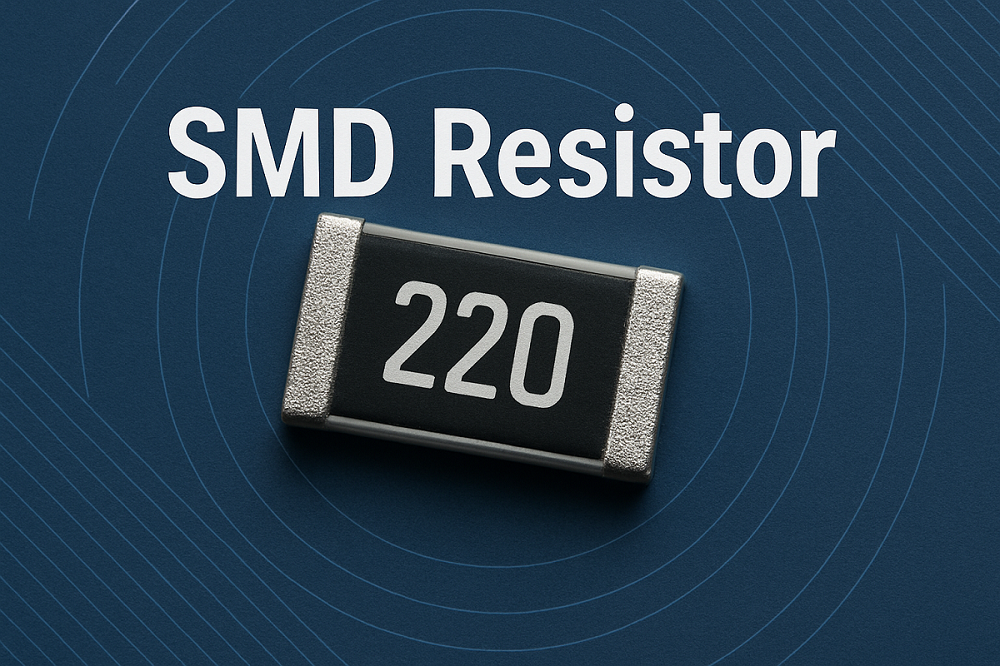
SMD Resistor: Types, Applications, and Selection Guide

Introduction to SMD ResistorsSurface Mount Device (SMD) resistors are electronic components designed to be mounted directly onto the surface of printed circuit boards (PCBs). Unlike traditional through-hole resistors with wire leads that pass through the PCB, SMD resistors are soldered onto pads on the circuit board's surface.SMD resistor construction showing layers and terminalsIn today's electronics industry, SMD resistors have become the standard due to their compact size, ease of automated assembly, and excellent electrical properties. They're found in virtually all modern electronic devices, from smartphones and laptops to automotive systems and medical devices.As an electronics engineer or hobbyist, understanding SMD resistors is crucial for:PCB design and component selectionTroubleshooting and repair of electronic circuitsCircuit optimization for space, performance, and costChoosing appropriate components for specific applicationsThis comprehensive guide will walk you through everything you need to know about SMD resistors, from basic types and construction to reading markings and selecting the right component for your project.Types of SMD ResistorsSMD resistors come in various types, differentiated by their construction, material composition, and electrical characteristics. Understanding these types is essential for selecting the right component for your specific application.Classification by Construction MaterialTypeConstructionCharacteristicsApplicationsThick FilmResistive paste deposited on ceramic substrateCost-effective, good power handling, ±1% to ±5% toleranceGeneral-purpose applications, consumer electronicsThin FilmMetal alloy sputtered on ceramic substrateHigh precision (±0.1% to ±1%), low noise, low TCRPrecision instrumentation, medical equipment, test equipmentMetal FoilEtched metal foil on substrateHighest precision, excellent stability, lowest TCRPrecision measurement, aerospace, military applicationsMetal OxideMetal oxide film on ceramic substrateGood stability, high-temperature performanceHigh-temperature environments, automotive applicationsMetal FilmNichrome or similar metal on ceramicExcellent stability, low noiseAudio equipment, instrumentationClassification by Package SizeSMD resistors are commonly identified by their package size, which follows industry-standard naming conventions.Common SMD resistor package sizes comparisonPackage CodeImperial Size (inches)Metric Size (mm)Typical Power Rating010050.0039" × 0.0020"0.1mm × 0.05mm1/32W (0.031W)02010.024" × 0.012"0.6mm × 0.3mm1/20W (0.05W)04020.039" × 0.020"1.0mm × 0.5mm1/16W (0.062W)06030.063" × 0.031"1.6mm × 0.8mm1/10W (0.1W)08050.079" × 0.049"2.0mm × 1.25mm1/8W (0.125W)12060.126" × 0.063"3.2mm × 1.6mm1/4W (0.25W)12100.126" × 0.098"3.2mm × 2.5mm1/2W (0.5W)25120.25" × 0.12"6.4mm × 3.2mm1WNote: The package size notation typically represents the length and width in imperial measurements. For example, an 0805 package is approximately 0.08 inches long and 0.05 inches wide.Classification by ToleranceSMD resistors are available in different tolerance ranges, indicating how closely the actual resistance value matches the nominal value:Ultra-Precision: ±0.01% to ±0.1% (often thin film or metal foil)Precision: ±0.1% to ±0.5% (typically thin film)Semi-Precision: ±1% (thin film or thick film)General Purpose: ±2% to ±5% (typically thick film)Low Precision: ±10% to ±20% (rarely used in modern electronics)Special Types of SMD ResistorsBeyond the standard SMD resistors, several specialized types exist for specific applications:Current Sensing Resistors: Very low resistance values designed to measure current flowHigh-Power Resistors: Special designs for power applicationsHigh-Voltage Resistors: Designed to withstand elevated voltagesArray Resistors: Multiple resistors in a single packageFusible Resistors: Combine resistor and fuse functionalityAnti-Surge Resistors: Designed to withstand pulse loadsHow to Read SMD Resistor MarkingsReading the markings on SMD resistors is one of the most challenging aspects of working with these components. Unlike through-hole resistors with their color bands, SMD resistors use numerical codes to indicate resistance values due to their small size.SMD resistor code markings examplesThree-Digit Marking SystemThe most common marking system for SMD resistors with ±5% tolerance is the three-digit code:Format: First two digits represent significant figures, third digit is the multiplier (number of zeros)Example: "473" = 47 × 10³ = 47,000Ω = 47kΩMarkingCalculationResistance Value10010 × 10⁰10Ω22222 × 10²2,200Ω (2.2kΩ)47447 × 10⁴470,000Ω (470kΩ)10510 × 10⁵1,000,000Ω (1MΩ)Four-Digit Marking SystemFor precision resistors (typically ±1% tolerance), a four-digit code is often used:Format: First three digits represent significant figures, fourth digit is the multiplierExample: "4992" = 499 × 10² = 49,900Ω = 49.9kΩMarkingCalculationResistance Value1001100 × 10¹1,000Ω (1kΩ)4993499 × 10³499,000Ω (499kΩ)1000100 × 10⁰100ΩUsing "R" to Indicate Decimal PointFor resistors with values less than 10Ω, the letter "R" is used to represent a decimal point:Format: "R" indicates decimal point positionExample: "4R7" = 4.7Ω, "R33" = 0.33ΩMarkingResistance ValueR100.10Ω1R01.0Ω4R74.7ΩR010.01ΩEIA-96 Code SystemFor high-precision resistors (±1% or better), especially in 0603 or smaller packages, the EIA-96 code system is often used due to space constraints:Format: First two digits represent a code from the EIA-96 table, third character (letter) indicates multiplierExample: "01D" = Code 01 (100) × 10³ = 100kΩEIA-96 resistor coding chartCommon multiplier letters in the EIA-96 system:Z = ×0.001 (multiply by 0.001)Y = ×0.01X = ×0.1A = ×1B = ×10C = ×100D = ×1,000E = ×10,000F = ×100,000Special Case: Zero Ohm ResistorsZero ohm resistors (jumpers) are typically marked with a single "0" or "000" or "0000":Markings: "0", "000", "0000"Value: 0Ω (functions as a jumper wire)Tips for Reading SMD Resistor CodesUse a magnifying glass or digital microscope to see small markingsEnsure good lighting when inspecting componentsWhen in doubt, use a multimeter to measure the resistanceUnmarked SMD resistors (especially small ones like 0201) require a multimeter to determine valueRemember that sometimes markings may be worn off or unclearPro Tip: Several online calculators and smartphone apps can help you decode SMD resistor markings by simply entering the code.SMD Resistor Construction and StructureUnderstanding the physical construction of SMD resistors helps in appreciating their performance characteristics and limitations.Cross-section view of a typical SMD resistorBasic Structure of an SMD ResistorA typical SMD resistor consists of the following components:Ceramic Substrate: Usually alumina (Al₂O₃) that provides mechanical support and heat dissipationResistive Layer: Thick or thin film resistive material deposited on the substrateTerminations: Metal-plated ends for electrical connection to the circuit boardProtective Coating: Usually glass or epoxy that protects the resistive element from environmental factorsMarking: Code printed on top to indicate resistance valueManufacturing ProcessThe manufacturing process for thick film SMD resistors typically involves:Preparation of ceramic substrateScreen printing of resistive paste onto substrateHigh-temperature firing to cure the resistive elementLaser trimming to achieve precise resistance valueApplication of terminations (usually nickel and tin)Application of protective coatingMarking with resistance valueTesting and quality controlPackaging for automated assemblyFor thin film resistors, the resistive layer is applied through sputtering or vacuum deposition rather than screen printing.Interesting Fact: Laser trimming, where a laser removes small portions of the resistive material, allows manufacturers to achieve very precise resistance values. This process is automated and controlled by measuring the resistance in real-time during trimming.Advantages and Disadvantages of SMD ResistorsLike any electronic component, SMD resistors come with both benefits and limitations. Understanding these can help you make informed decisions when designing circuits.Advantages of SMD ResistorsAdvantageDescriptionSpace EfficiencySignificantly smaller than through-hole components, allowing for much higher component density on PCBsAutomated AssemblyDesigned for pick-and-place machines, allowing automated, high-speed assemblyBetter High-Frequency PerformanceLower parasitic inductance and capacitance compared to through-hole resistorsCost-EffectiveGenerally less expensive in mass production due to automated assembly and smaller sizeMechanical StabilityLess susceptible to vibration issues as they have no leads to bend or breakDouble-Sided AssemblyEnable double-sided PCB assembly without leads protruding through the boardWeight ReductionLighter than equivalent through-hole components, important for mobile devicesPrecisionModern SMD resistors offer excellent tolerance levels, even down to ±0.1% or betterDisadvantages of SMD ResistorsDisadvantageDescriptionHeat Dissipation LimitationsSmaller size limits power handling capability compared to similarly rated through-hole resistorsManual Assembly DifficultyChallenging to place and solder by hand, especially smaller packages like 0402 and belowRepair ChallengesMore difficult to replace in field repairs compared to through-hole componentsThermal StressMore susceptible to thermal stress during soldering due to smaller massMarking LimitationsLimited space for marking makes value identification challenging, especially on smaller packagesMechanical StressCan be affected by PCB flexing or mechanical shock, potentially causing cracksTombstoningSusceptible to "tombstoning" during reflow soldering where one end lifts off the padLimited Voltage HandlingSmaller package size reduces maximum voltage rating compared to through-hole equivalentsNote: The advantages of SMD resistors typically outweigh the disadvantages in most modern electronic designs, which is why they've become the predominant resistor type in production electronics. Through-hole resistors are still preferred in some high-power applications, hobbyist projects, prototyping, and where manual assembly is required.Common Applications of SMD ResistorsSMD resistors are versatile components used in virtually all modern electronic devices. Here are some common applications and how they're implemented:General Circuit ApplicationsCurrent Limiting: Protecting LEDs, ICs, and other components from excessive currentVoltage Division: Creating specific voltage levels from a higher supply voltagePull-up/Pull-down: Defining logic states for digital inputsFeedback Networks: Setting gain in amplifier circuitsBiasing: Establishing operating points for transistors and other active componentsTermination: Matching impedance in high-frequency signal pathsFiltering: Creating RC filters when paired with capacitorsCurrent Sensing: Measuring current flow in a circuitIndustry-Specific ApplicationsIndustry/DeviceApplicationTypical RequirementsSmartphones and TabletsPower management, signal conditioning, sensor interfacesUltra-small size (0201, 01005), low power, high precisionAutomotive ElectronicsEngine control, safety systems, infotainmentHigh reliability, wide temperature range, vibration resistanceMedical DevicesPatient monitoring, diagnostic equipmentHigh precision, high reliability, long-term stabilityIndustrial ControlsProcess control, motor drives, power conversionRuggedness, surge tolerance, high reliabilityAerospaceFlight controls, navigation, communicationMIL-spec compliance, extreme temperature capabilityNetworking EquipmentSignal termination, Ethernet interfacesHigh-frequency performance, tight toleranceConsumer ElectronicsTVs, gaming consoles, appliancesCost-effective, general purpose parametersSpecialized ApplicationsHigh-Frequency Circuits: Thin film SMD resistors with low parasitic capacitance and inductance are preferred for RF applicationsPrecision Measurement: Ultra-precise (±0.1% or better) SMD resistors are used in instrumentation and metrologyPower Electronics: Special high-power SMD resistors handle power conversion and motor controlBattery Management: Current sense resistors monitor charging and discharging currentsLED Lighting: Current limiting resistors ensure proper LED operationApplication Example: In a typical smartphone, hundreds of SMD resistors are used for functions ranging from power management to audio processing. The trend toward smaller packages (0201 and 01005) has been driven by the need to pack more functionality into increasingly compact devices.SMD Resistor Selection GuideSelecting the right SMD resistor for your application involves considering several factors beyond just the resistance value.Key Selection CriteriaParameterConsiderationsResistance ValueSelect the calculated value based on your circuit design needs, then choose the nearest standard valueToleranceConsider how precise the resistance needs to be for your application (±1% is standard for most applications)Power RatingCalculate maximum power dissipation (P = V²/R or P = I²R) and select a resistor with adequate margin (typically 2×)Package SizeBalance space constraints with power handling and assembly methodTemperature Coefficient (TCR)How much resistance changes with temperature, critical for precision applicationsVoltage RatingEnsure the resistor can handle the maximum voltage in the circuitFrequency ResponseConsider parasitic effects in high-frequency applicationsEnvironmental ConditionsTemperature range, humidity, vibration, and other environmental factorsPower DeratingRemember that the rated power of SMD resistors assumes ideal conditions. In practice, you should derate the power handling capacity based on:Ambient temperature (higher temperatures reduce power handling)PCB design (thermal dissipation capability)Air flow around the componentProximity to heat-sensitive componentsRule of Thumb: A common practice is to select resistors with at least twice the required power handling capacity to ensure reliability and long life.Package Size Selection GuideHere's a general guide for package selection based on common applications:PackageTypical ApplicationsNotes01005, 0201Smartphones, wearables, ultra-compact devicesRequires specialized assembly equipment0402Portable electronics, consumer devicesGood balance of size and handling for modern electronics0603General-purpose electronics, hobbyist projectsSmallest size that can be reasonably hand-soldered0805General-purpose, power applicationsGood for hand soldering, higher power handling1206, 1210Power electronics, current sensingBetter power handling, easier to handle manually2512High-power applicationsMaximum power handling in SMD formatSelection ProcessDetermine the required resistance value based on your circuit calculationsCalculate the maximum power dissipation in the resistorSelect a package size that can handle the power requirementsConsider tolerance requirements for your applicationCheck voltage rating (especially for high-resistance values)Consider special requirements (temperature coefficient, noise, etc.)Select the appropriate resistor type (thick film, thin film, etc.)Verify availability and cost for productionTop SMD Resistor ProductsHere are some of the most popular SMD resistors widely used in the electronics industry:Panasonic ERJ-3EKF1002VSpecifications: 10kΩ, 1%, 0603 SizeFeatures: Excellent stability, anti-surge capability, high reliabilityApplications: Consumer electronics, telecommunication equipment, automotive electronicsView Product DetailsVishay CRCW060310K0FKEASpecifications: 10kΩ, 1%, 0603 SizeFeatures: Thick film technology, excellent stability, good moisture resistanceApplications: General purpose applications, consumer electronics, industrial controlsView Product DetailsYageo RC0402FR-0710KLSpecifications: 10kΩ, 1%, 0402 SizeFeatures: Small size, high reliability, moisture resistantApplications: Mobile devices, tablets, wearables, compact electronicsView Product DetailsROHM MCR03EZPJ102Specifications: 1kΩ, 5%, 0603 SizeFeatures: Anti-surge design, excellent heat resistance, good reliabilityApplications: Power supply circuits, consumer electronics, automotive applicationsView Product DetailsVishay CRCW06036K81FKEASpecifications: 6.81kΩ, 1%, 0603 Size, Thick FilmFeatures: High stability, excellent moisture resistance, reliable performanceApplications: Precision circuits, industrial applications, general electronicsView Product DetailsNote: When selecting components for your project, always verify the latest specifications, availability, and pricing from the manufacturer or authorized distributors.Frequently Asked QuestionsHow do I identify an SMD resistor that doesn't have markings?For unmarked SMD resistors (common in very small packages like 0201 and 01005), the only reliable way to determine the resistance value is to use a multimeter with fine probe tips or dedicated SMD test tweezers. Alternatively, check the PCB design files or BOM (Bill of Materials) if available.Can I replace an SMD resistor with a through-hole resistor in an emergency?Yes, but it's not ideal. In a pinch, you can solder a through-hole resistor to the SMD pads, but ensure the resistance value and power rating are appropriate. This is generally only suitable as a temporary fix for prototype or repair situations, not for production.What causes SMD resistors to fail?Common causes of SMD resistor failure include:Exceeding the power rating (thermal stress)Voltage spikes beyond rated voltageMechanical stress from PCB flexingPoor soldering (cold joints or overheating)Environmental factors (extreme temperature, humidity, corrosive environments)Manufacturing defectsHow do I hand-solder SMD resistors?For hand-soldering SMD resistors:Apply a small amount of solder paste or tin one padUse tweezers to place the resistor on the padTouch the soldering iron to the pad/component junction to melt the solderOnce the first side is secure, solder the other sideFor small packages (0402 and smaller), consider using hot air or a reflow methodWhat's the difference between thick film and thin film SMD resistors?The main differences are:Manufacturing process: Thick film uses screen printing of resistive paste; thin film uses sputtering or vacuum depositionPrecision: Thin film typically offers better tolerance (down to ±0.01%) compared to thick film (typically ±1% or ±5%)Temperature coefficient: Thin film has better temperature stability (lower TCR)Noise: Thin film has lower current noiseCost: Thick film is generally less expensiveRelated ResourcesHow to Read the Value of SMD ResistorComparisons of Resistors in Series and in ParallelPull-Up and Pull-Down Resistor Use ExplainedExternal ReferencesEEPower - Resistor SMD CodeDigiKey SMD Resistor Code CalculatorSurface Mount Resistor Selection GuideElectronics Notes - SMD Resistor GuideLast Updated: 30th April 2025 body { font-family: 'Segoe UI', Tahoma, Geneva, Verdana, sans-serif; color: #333; line-height: 1.6; } .container { max-width: 1200px; margin: 0 auto; padding: 0 20px; } h2, h3, h4 { font-weight: 700; margin-top: 1.5em; margin-bottom: 0.5em; } h2 { font-size: 1.8rem; color: #2b4c7e; border-bottom: 2px solid #e2e8f0; padding-bottom: 0.3em; } h3 { font-size: 1.4rem; color: #3c5a99; } p { margin-bottom: 1.2em; } .citation { background-color: #f8fafc; border-left: 4px solid #4299e1; padding: 1rem; margin: 1.5rem 0; } .comparison-table { width: 100%; border-collapse: collapse; margin: 1.5rem 0; } .comparison-table th { background-color: #e6f0ff; padding: 12px; text-align: left; } .comparison-table td { padding: 10px; border-bottom: 1px solid #e2e8f0; } .comparison-table tr:nth-child(even) { background-color: #f8fafc; } .key-point { font-weight: 700; color: #2c5282; } .emphasis { font-style: italic; } .image-container { margin: 2rem 0; text-align: center; } .image-container img { max-width: 100%; height: auto; border-radius: 8px; box-shadow: 0 4px 6px rgba(0, 0, 0, 0.1); } .image-caption { font-size: 0.9rem; color: #4a5568; margin-top: 0.5rem; } .faq-item { margin-bottom: 1.5rem; } .faq-question { font-weight: 600; color: #2c5282; margin-bottom: 0.5rem; } .toc { background-color: #f8fafc; padding: 1.5rem; border-radius: 8px; margin-bottom: 2rem; } .toc-title { font-weight: 700; margin-bottom: 1rem; font-size: 1.2rem; } .toc ul { list-style-type: none; padding-left: 0; } .toc li { margin-bottom: 0.5rem; } .toc a { color: #2b6cb0; text-decoration: none; } .toc a:hover { text-decoration: underline; } .product-card { border: 1px solid #e2e8f0; border-radius: 8px; padding: 1.5rem; margin-bottom: 1.5rem; transition: transform 0.3s ease, box-shadow 0.3s ease; } .product-card:hover { transform: translateY(-5px); box-shadow: 0 10px 15px rgba(0, 0, 0, 0.1); } .header-bg { background: linear-gradient(135deg, #2b6cb0 0%, #1a365d 100%); color: white; padding: 3rem 0; margin-bottom: 2rem; } .section-divider { height: 4px; background: linear-gradient(90deg, #3182ce 0%, #63b3ed 100%); margin: 3rem 0; border-radius: 2px; } @media print { body { font-size: 12pt; } .no-print { display: none; } }
Kynix On 2025-04-30   784
Capacitors

Ceramic Capacitors: The Complete Guide to MLCC Technology and Applications

Article SummaryIn this comprehensive guide, we explore ceramic capacitors from basic principles to advanced applications. Discover the different types of ceramic capacitors, their advantages and limitations, and how to select the right component for your electronic projects. Whether you're a hobbyist, engineer, or electronics student, this article provides essential knowledge about one of the most widely used passive components in modern electronics.Introduction to Ceramic CapacitorsIn the world of electronic components, ceramic capacitors stand as silent workhorses, essential yet often overlooked. These compact devices, particularly multilayer ceramic capacitors (MLCCs), are fundamental building blocks in virtually every electronic device you own—from smartphones and laptops to automotive systems and industrial equipment.With the electronics industry producing an astonishing one trillion ceramic capacitors annually, they represent the most manufactured electronic component on the planet. Despite their ubiquity, many engineers and hobbyists lack a comprehensive understanding of these components' capabilities, limitations, and optimal applications."Ceramic capacitors, especially multilayer ceramic capacitors (MLCCs), are the most produced and used capacitors in electronic equipment, with approximately one trillion pieces manufactured yearly."Whether you're troubleshooting circuit issues, designing new electronics, or simply curious about the components that make modern technology possible, understanding ceramic capacitors is essential. This guide addresses common challenges engineers face when selecting and implementing ceramic capacitors, including:Confusion about different ceramic capacitor types and their application areasUnexpected behavior of capacitors under varying operating conditionsReliability concerns in harsh environmentsSelection difficulties among thousands of available optionsUnderstanding technical specifications and their real-world implicationsHave you ever wondered why your electronic circuit behaves differently under various temperature conditions or why some capacitors mysteriously fail while others last for decades? The answers often lie in understanding the properties of ceramic capacitors.Ceramic Capacitor FundamentalsWhat Is a Ceramic Capacitor?A ceramic capacitor is a fixed-value capacitor where ceramic material acts as the dielectric (insulating material). It consists of two or more alternating layers of ceramic and metal electrodes. The composition of the ceramic material defines the electrical behavior and therefore determines suitable applications.Cross-section of a multilayer ceramic capacitor (MLCC) showing alternating electrode layersWorking PrincipleCeramic capacitors store energy in an electric field formed between conductive plates (electrodes). When voltage is applied, electrons accumulate on one plate, creating a potential difference. The ceramic dielectric prevents current flow while allowing the electric field to pass through, creating capacitance.The capacitance value (measured in farads) depends on three key factors:The surface area of the electrodesThe distance between the electrodesThe permittivity of the ceramic dielectric materialModern manufacturing techniques allow for stacking many thin ceramic and metal layers to create multilayer ceramic capacitors (MLCCs) with much higher capacitance values in smaller packages.Key Point: The type of ceramic material used significantly impacts a capacitor's properties. Class 1 ceramics (like NP0/C0G) offer high stability but lower capacitance, while Class 2 ceramics (like X7R, X5R) provide higher capacitance but with greater variability under different conditions.Samsung CL10A106KP8NNNCCap Ceramic 10uF 10V X5R 10% SMD 0603 85C Paper T/RManufacturer: Samsung Electro-MechanicsCategory: Ceramic CapacitorsPackage: 0603 (1608 Metric)Stock: 8000Get a Quote View Details .quote-card { border: 1px solid #e0e0e0; border-radius: 8px; overflow: hidden; max-width: 350px; font-family: Arial, sans-serif; box-shadow: 0 2px 5px rgba(0,0,0,0.1); } .quote-card-header { text-align: center; padding: 15px; background-color: #f9f9f9; } .product-image { max-width: 100%; height: auto; max-height: 150px; } .quote-card-body { padding: 15px; } .product-title { margin: 0 0 10px 0; color: #333; font-size: 18px; } .product-description { color: #666; margin-bottom: 15px; font-size: 14px; } .product-specs { list-style: none; padding: 0; margin: 0 0 20px 0; font-size: 13px; } .product-specs li { margin-bottom: 5px; color: #555; } .product-specs li span { font-weight: bold; color: #333; } .quote-button { display: block; background-color: #1e88e5; color: white; text-align: center; padding: 10px; text-decoration: none; border-radius: 4px; font-weight: bold; margin-bottom: 10px; transition: background-color 0.3s; } .quote-button:hover { background-color: #1565c0; } .details-link { display: block; text-align: center; color: #1e88e5; text-decoration: none; font-size: 13px; } .details-link:hover { text-decoration: underline; } Types of Ceramic CapacitorsCeramic capacitors are divided into different classes based on their dielectric properties and performance characteristics. Understanding these classifications is crucial for selecting the right component for your application.Class 1 Ceramic CapacitorsClass 1 ceramic capacitors are characterized by their exceptional stability and predictable performance. They're built using paraelectric materials, typically based on titanium dioxide (TiO₂) with various additives.Key characteristics:High stability across temperature rangesVery low losses (high Q factor)Linear temperature coefficientNegligible aging effectsCapacitance value largely unaffected by voltage, frequency, and timeLower dielectric constant (6-200), resulting in lower capacitance valuesCommon types: NP0/C0G, N750, N1500Typical applications: Precision timing circuits, resonant circuits, filters, and other applications requiring high stabilityClass 2 Ceramic CapacitorsClass 2 ceramic capacitors use ferroelectric materials, primarily barium titanate (BaTiO₃) with various additives. These materials offer much higher permittivity, allowing for greater capacitance values in compact sizes.Key characteristics:Higher volumetric efficiency (more capacitance in smaller packages)Moderate to significant variation with temperature, voltage, and timeNon-linear performance characteristicsNoticeable aging effectsHigher dielectric constant (200-14,000)Prone to microphonic effectsCommon types: X7R, X5R, Y5V, Z5UTypical applications: Coupling, decoupling, bypassing, and filtering where precise capacitance values are less criticalTemperature characteristics of different Class 2 ceramic capacitors showing typical tolerance rangesClass 3 Ceramic CapacitorsClass 3 ceramic capacitors (also known as barrier layer capacitors) offer very high capacitance values but with significant limitations. These capacitors are largely obsolete and have been replaced by improved Class 2 capacitors or other technologies.Note: Class 3 ceramic capacitors are now considered obsolete and are no longer standardized by the IEC.Physical Construction TypesBeyond dielectric classification, ceramic capacitors come in various physical forms:Multilayer Ceramic Chip Capacitors (MLCC): Rectangular blocks for surface mounting, the most common type in modern electronicsCeramic Disc Capacitors: Single-layer disc, resin-coated with through-hole leadsFeedthrough Ceramic Capacitors: Designed for high-frequency bypass applicationsCeramic Power Capacitors: Larger ceramic bodies for high-voltage applicationsMultilayer ceramic chip capacitors (MLCCs) in various package sizesMLCC Structure and ManufacturingThe multilayer ceramic chip capacitor (MLCC) represents the pinnacle of ceramic capacitor technology, offering exceptional performance in an extremely compact package. Understanding how these components are manufactured helps explain their capabilities and limitations.MLCC ConstructionMLCCs consist of alternating layers of ceramic dielectric material and metal electrodes, carefully engineered to maximize capacitance while maintaining reliability:Schematic illustration of the internal structure of an MLCCThe key components include:Ceramic Dielectric: Provides insulation between electrodes while allowing electric field to formInternal Electrodes: Alternating metal layers that store chargeExternal Terminations: Metal end caps that connect internal electrodes to circuit padsProtective Coating: Ceramic or epoxy layer protecting the componentManufacturing ProcessThe manufacturing of MLCCs involves several sophisticated steps:Slurry Preparation: Ceramic powders are mixed with binders and solvents to create a homogeneous slurryTape Casting: The slurry is precisely cast into thin sheets (2-20 microns) and driedElectrode Printing: Conductive metal ink (silver/palladium or nickel) is screen-printed onto the ceramic sheetsStacking: Hundreds of printed ceramic sheets are stacked in alternating patternsLamination: The stack is compressed under pressure to form a solid blockCutting: The laminated block is cut into thousands of individual chipsFiring: Chips are fired at high temperatures (1200-1400°C) to densify the ceramic and sinter the electrodesTermination: External terminations are applied to connect internal electrodesPlating: Nickel and tin layers are applied to prevent oxidation and ensure solderabilityTesting: Each capacitor undergoes electrical testing to ensure it meets specificationsVideo: KEMET's manufacturing process for multilayer ceramic capacitorsThis complex manufacturing process enables the production of incredibly small capacitors with capacitance values that would have been impossible just decades ago. Modern MLCCs can pack capacitance values up to 100μF in tiny 0603 or 0805 packages.Electrical Characteristics and Performance FactorsCeramic capacitors possess unique electrical characteristics that must be thoroughly understood for proper application. Their behavior can vary significantly based on operating conditions, especially for Class 2 types.Temperature DependenceThe capacitance of ceramic capacitors changes with temperature, with the degree of change varying by dielectric type:Class 1 (NP0/C0G): Extremely stable, with capacitance change less than ±30 ppm/°C across the operating temperature rangeClass 2 (X7R): Moderately stable, with capacitance changing ±15% from -55°C to +125°CClass 2 (Y5V): Highly variable, with capacitance changing up to +22% to -82% over the temperature rangeVoltage Coefficient of Capacitance (VCC)Particularly in Class 2 ceramic capacitors, the applied DC voltage can significantly reduce the effective capacitance—a critical factor often overlooked in design:Important Design Consideration: X5R and X7R capacitors can lose 20-80% of their rated capacitance when operated at full rated voltage. This "DC bias effect" means a 10μF capacitor might only provide 2-4μF in actual operation.AgingClass 2 ceramic capacitors exhibit a logarithmic loss of capacitance over time, even without power applied. This is due to the gradual realignment of ferroelectric domains in the dielectric material:X7R typically loses about 2.5% of its capacitance per decade hourY5V can lose 7% or more per decade hourThis aging can be reset by heating the capacitor above its Curie temperatureFrequency ResponseCeramic capacitors generally offer excellent high-frequency performance, with low ESR (Equivalent Series Resistance) and ESL (Equivalent Series Inductance). However, the actual performance varies by type:Class 1 capacitors maintain stable capacitance and low losses across a wide frequency rangeClass 2 capacitors show more significant variations in capacitance and higher losses at high frequenciesMicrophonic EffectClass 2 ceramic capacitors exhibit piezoelectric properties—they can convert mechanical stress to electrical signals and vice versa. This can cause:Generation of electrical noise when subjected to vibrationPhysical movement or vibration when AC voltage is appliedAudible sound in some applications (known as "singing capacitors")Have you ever heard a high-pitched whine coming from electronic equipment? This could be the result of ceramic capacitors vibrating due to the piezoelectric effect when exposed to certain voltage waveforms.Strengths and Weaknesses of Ceramic CapacitorsStrengthsSize Efficiency: Exceptional capacitance-to-volume ratio, especially in MLCCsNon-Polarized: Can be used with AC signals and in any orientationLow ESR/ESL: Excellent high-frequency performanceWide Temperature Range: From -55°C to +125°C or higherLong Lifespan: Typically 100,000+ hours when properly appliedWeaknessesDC Bias Effect: Capacitance drops significantly with applied voltage (Class 2)Aging: Capacitance decreases over time, even without power (Class 2)Mechanical Fragility: Susceptible to cracking from thermal or mechanical stressAreas for ImprovementDespite their widespread use, ceramic capacitors have several areas where technology continues to evolve:Reducing DC Bias Sensitivity: Manufacturers are developing advanced materials to minimize capacitance loss under DC voltageImproving Mechanical Robustness: Flexible termination designs help prevent cracking during thermal cycling and mechanical stressEnhancing Capacitance Stability: New dielectric formulations aim to combine the high capacitance of Class 2 with stability closer to Class 1Ceramic Capacitors vs. Other Capacitor TypesFeatureCeramicElectrolyticFilmTantalumSize EfficiencyExcellentGoodPoorVery GoodStabilityVaries by classPoorExcellentGoodPolarityNon-polarizedPolarizedNon-polarizedPolarizedESRVery LowHighMediumMediumLifespanVery LongLimitedLongLongCostLowLowMediumHighApplications and Use CasesCeramic capacitors find applications across virtually every electronic device and system due to their versatility, reliability, and excellent performance-to-size ratio.Common Applications by Capacitor ClassClass 1 (NP0/C0G) Applications:Resonant Circuits: Oscillators, filters, and tuned circuits where stability is criticalTiming Applications: Precision timing circuits requiring minimal driftHigh-Frequency Applications: RF circuits and microwave applicationsPrecision Analog Circuits: Measurement equipment and instrumentationReference Designs: Circuits requiring consistent performance over time and temperatureClass 2 (X7R, X5R) Applications:Decoupling/Bypass: Power supply noise suppression and local energy storageCoupling/DC Blocking: Transferring AC signals between circuits while blocking DCFiltering: Removing unwanted frequencies from signalsEnergy Storage: Smoothing power delivery in switching circuitsSnubber Circuits: Suppressing voltage spikes in switching applicationsMLCCs used as decoupling capacitors around a microprocessorIndustry-Specific ApplicationsConsumer Electronics:Smartphones, tablets, laptops, and other portable devices heavily rely on MLCCs for their small size and high performance. A typical smartphone contains hundreds to thousands of ceramic capacitors.Automotive:Modern vehicles use ceramic capacitors in engine control units, infotainment systems, advanced driver assistance systems (ADAS), and increasingly in electric vehicle power management. Automotive-grade ceramic capacitors are designed to withstand harsh conditions and meet AEC-Q200 qualification requirements.Industrial:Factory automation, process control systems, power supplies, and motor drives all benefit from the reliability and performance of ceramic capacitors, especially in noisy electrical environments.Medical:Medical devices demand high reliability and often require the precision of Class 1 ceramic capacitors, particularly in diagnostic and monitoring equipment.Telecommunications:Base stations, routers, and networking equipment use ceramic capacitors for high-frequency signal processing and power management.Did you know that the transition to 5G technology has increased the demand for high-quality ceramic capacitors? The higher frequencies used in 5G require components with excellent high-frequency performance—a strength of ceramic capacitors.Selection Guide: Choosing the Right Ceramic CapacitorSelecting the appropriate ceramic capacitor for your application involves considering multiple factors beyond just the capacitance value. This systematic approach will help you make the optimal choice:Ceramic Capacitor Selection Checklist✓ Capacitance requirements: Determine the nominal capacitance needed✓ Tolerance: How precise must the capacitance value be?✓ Voltage rating: Maximum voltage the capacitor will experience (with safety margin)✓ Stability requirements: How stable must the capacitance remain across temperature, voltage, and time?✓ Temperature range: Expected operating temperature extremes✓ Frequency characteristics: Operating frequency range and impedance requirements✓ Package size: Physical space constraints✓ Mounting method: Surface mount or through-hole✓ Environmental conditions: Humidity, vibration, shock✓ Reliability level: Consumer, industrial, automotive, or military gradeDecision Tree for Ceramic Capacitor SelectionStep 1: Determine Stability RequirementsIf high stability is crucial (timing, tuning, precision filtering) → Class 1 (C0G/NP0)If moderate stability is acceptable (general coupling, bypassing) → Class 2 (X7R, X5R)If stability is less important than size and cost → Class 2 (Y5V, Z5U)Step 2: Consider Temperature RangeFor -55°C to +125°C → X7R or C0G/NP0For -55°C to +85°C → X5R or C0G/NP0For narrower ranges → Consider Y5V or Z5U for cost savingsStep 3: Evaluate Voltage RequirementsSelect a rated voltage at least 2x the maximum operating voltageFor Class 2 capacitors, consider the DC bias effect—you may need a higher nominal capacitanceFor AC applications, ensure the capacitor can handle peak-to-peak voltageStep 4: Address Physical ConstraintsDetermine available space and select appropriate package size (0402, 0603, 0805, etc.)Consider mechanical stress factors and potentially select flex-termination optionsFor high-vibration environments, consider leaded ceramic capacitors instead of MLCCsPro Tip: When designing with Class 2 ceramic capacitors, it's good practice to calculate with only 20-50% of the nominal capacitance value to account for DC bias effects, temperature variations, and aging.User Experiences and Real-World ApplicationsCase Study: Automotive ECU Design Challenge"When designing engine control units for a major automotive manufacturer, we initially used X7R MLCCs for decoupling throughout the design. However, we encountered unexpected resets during extreme temperature testing. Investigation revealed that the actual capacitance under full DC bias at -40°C was less than 20% of the nominal value. Switching to larger case sizes with higher voltage ratings solved the issue by reducing the DC bias effect."- James Chen, Senior Electronics EngineerIndustrial Control System Reliability"Our industrial control systems operate in environments with significant vibration. We discovered that standard MLCCs were cracking after a few months in the field. Switching to flex-termination MLCCs reduced failure rates by over 90%. The slightly higher component cost was insignificant compared to the field service savings."- Maria Rodriguez, Reliability EngineerRF Design Insights"For precision RF filters, we exclusively use C0G/NP0 ceramic capacitors despite their higher cost and larger size. The stability and predictability they provide are essential for maintaining calibrated performance across temperature ranges and over the product lifetime. Attempting to use X7R capacitors in these circuits resulted in significant drift that made field calibration impossible."- David Patel, RF Design EngineerWhat challenges have you encountered when working with ceramic capacitors in your designs? Share your experiences in the comments section below!Common Misconceptions About Ceramic CapacitorsMisconception #1: Capacitance Value Is Fixed and ReliableReality: For Class 2 ceramic capacitors, the actual capacitance in-circuit can be dramatically lower than the labeled value due to DC bias effects, temperature conditions, and aging. A 10μF X7R capacitor might effectively provide only 2-4μF in operation.Misconception #2: Ceramic Capacitors Are Mechanically RobustReality: MLCCs are actually quite brittle and susceptible to cracking from thermal and mechanical stress. Flex cracking is a common failure mode when PCBs undergo bending during assembly or use.Misconception #3: Higher Voltage Rating Only Matters for SafetyReality: Higher voltage ratings in ceramic capacitors often provide better stability even at lower operating voltages. A 50V rated capacitor will typically show less capacitance loss under DC bias than a 16V rated capacitor of the same nominal value.Misconception #4: All Ceramic Capacitors Perform SimilarlyReality: There are significant performance differences between Class 1 and Class 2 capacitors, and even between different manufacturers. Quality and performance can vary widely despite similar specifications.Misconception #5: Ceramic Capacitors Don't AgeReality: Class 2 ceramic capacitors experience predictable aging with capacitance decreasing logarithmically over time (typically 2-7% per decade hour), even when sitting on a shelf unpowered.Market Trends and Future DevelopmentsThe ceramic capacitor market continues to evolve rapidly, driven by changing technologies and application demands:Current Market StateThe global ceramic capacitor market was valued at approximately $14.57 billion in 2024 and is projected to reach $30.1 billion by 2033. MLCCs represent the largest segment of this market, with automotive and consumer electronics being the primary growth drivers.Technology TrendsMiniaturization: Continuous development of smaller case sizes (01005, 008004) for ever-more compact electronicsHigher Capacitance: New dielectric formulations enabling higher capacitance values in given case sizesImproved Stability: Development of Class 2 materials with better stability characteristicsFlexible Terminations: Increasingly standard to prevent mechanical crackingHigher Temperature Ratings: Expansion of operating temperature ranges for automotive and industrial applicationsIndustry ChallengesRaw Material Supply: Periodic shortages of key materials like barium titanate and precious metalsManufacturing Capacity: Cyclical supply constraints due to capacity limitationsPrice Volatility: Significant price fluctuations based on market demand and raw material costsCounterfeit Products: Increasing prevalence of counterfeit components in the supply chainFuture OutlookThe future of ceramic capacitors is likely to include:Development of new dielectric materials with better performance characteristicsIntegration of ceramic capacitors directly into semiconductor packagesIncreased use of ceramic capacitors in high-power applications, including electric vehiclesGrowth in automotive-grade ceramic capacitors for advanced driver assistance systems (ADAS) and autonomous vehiclesExpansion of high-reliability ceramic capacitors for medical implantable devicesHow might future developments in ceramic capacitor technology impact your industry or projects? What improvements would most benefit your applications?Purchasing RecommendationsWhen sourcing ceramic capacitors for your projects or production, consider these key recommendations:Supplier SelectionEstablished Manufacturers: For critical applications, stick with tier-one manufacturers like Murata, KEMET (now part of YAGEO), TDK, Samsung Electro-Mechanics, and AVXAuthorized Distributors: Purchase through authorized channels to minimize counterfeit riskTraceability: Ensure lot traceability for quality-critical applicationsDocumentation: Request manufacturer certificates for critical componentsCost Optimization StrategiesStandardize Values: Consolidate on standard capacitance values across designsCase Size Standardization: Standardize on fewer case sizes to improve purchasing leverageVolume Agreements: Consider long-term agreements for better pricing and supply securityValue Engineering: For non-critical applications, evaluate if cheaper dielectric types can meet requirementsInventory ManagementStorage Conditions: Store ceramic capacitors in controlled humidity environmentsShelf Life: Be aware of aging effects, especially for Class 2 typesMoisture Sensitivity: Follow manufacturer guidelines for moisture-sensitive componentsSupply Chain Risk: Maintain alternative sources for critical componentsPurchasing Tip: During industry-wide shortages, consider working with your design team to qualify alternative case sizes or voltage ratings. For example, an 0805 25V capacitor might be substituted for an unavailable 0603 16V part in many applications.Frequently Asked QuestionsQ: Are ceramic capacitors polarized like electrolytic capacitors?No, ceramic capacitors are non-polarized components, meaning they can be installed in either orientation in a circuit. This makes them suitable for AC applications and simplifies circuit design and assembly.Q: How can I identify the value of an unlabeled ceramic capacitor?Unlabeled ceramic capacitors, especially small MLCCs, can be difficult to identify. The most reliable method is to use a capacitance meter. For larger through-hole ceramic disc capacitors, there may be a three-digit code where the first two digits represent the significant figures and the third digit is the multiplier in powers of 10 (in picofarads).Q: Why do ceramic capacitors sometimes make audible noise?Class 2 ceramic capacitors exhibit piezoelectric properties, meaning they can convert electrical energy to mechanical movement and vice versa. When exposed to varying voltages, especially at audio frequencies, they can physically vibrate and produce audible sound—a phenomenon known as "singing capacitors" or microphonics.Q: Can I replace an electrolytic capacitor with a ceramic capacitor?In some cases, yes, but there are important considerations. Ceramic capacitors are non-polarized and generally have lower ESR than electrolytics, which can cause stability issues in some circuits. Additionally, the effective capacitance of Class 2 ceramic capacitors varies with applied voltage, so you may need a higher nominal value. For power supply filtering, the low ESR of ceramics might trigger oscillations in some voltage regulator designs.Q: What causes ceramic capacitors to fail?Common failure modes include: - Mechanical cracking due to PCB flexure, thermal stress, or physical impact - Dielectric breakdown due to overvoltage conditions - Thermal cracking from rapid temperature changes - Degradation from exposure to excessive humidity - Internal electrode discontinuities from manufacturing defects The most frequent failure mode is cracking, which typically manifests as a short circuit or significant loss of capacitance.Conclusion and RatingCeramic capacitors, especially MLCCs, represent a remarkable achievement in electronic component technology, packing impressive performance into increasingly tiny packages. Their dominance in modern electronics is well-deserved, given their combination of reliability, performance, and cost-effectiveness.For engineers and designers, understanding the nuances of ceramic capacitor behavior—particularly the characteristics of different dielectric classes—is essential for creating reliable and high-performance electronic systems. The distinctions between Class 1 and Class 2 capacitors, and their respective strengths and limitations, should guide application-specific selections.As technology continues to evolve, ceramic capacitors will remain central to electronics design, with ongoing improvements in materials and manufacturing processes enabling even better performance and reliability. From consumer electronics to automotive systems, from medical devices to industrial equipment, these seemingly simple components play a critical role in enabling the functionality we rely on daily.What has been your experience with ceramic capacitors? Do you have any tips or insights to share with other readers? Join the conversation in the comments section below!References and Further ReadingExternal ResourcesElectronics Notes: Understanding Ceramic CapacitorsMurata: Ceramic Capacitor Technical GuideKEMET: Ceramic Capacitor FAQ and Application GuideWikipedia: Ceramic CapacitorRelated Articles on Our SiteHow Do Capacitors Work?Ceramic Capacitors: A Comprehensive OverviewTantalum Capacitors: Comprehensive GuideUnderstanding Feedthrough Capacitors for Noise SuppressionHow Do Capacitors Work?VideosKEMET Ceramic Capacitor ManufacturingHow We Make Capacitors | CeramicPublished: April 29, 2025 | Last Updated: April 29, 2025 .container { max-width: 1200px; margin: 0 auto; padding: 20px; background-color: white; box-shadow: 0 0 20px rgba(0,0,0,0.05); } h2, h3, h4 { color: #2c3e50; margin-top: 1.5em; margin-bottom: 0.5em; } h2 { font-size: 2rem; border-bottom: 2px solid #e5e7eb; padding-bottom: 5px; } h3 { font-size: 1.5rem; padding-bottom: 5px; } p { margin-bottom: 1.2em; font-size: 1.1rem; } .quote-box { background-color: #f8f9fa; border-left: 4px solid #3498db; padding: 15px; margin: 20px 0; font-style: italic; } .info-box { background-color: #e3f2fd; border: 1px solid #bbdefb; border-radius: 4px; padding: 15px; margin: 20px 0; } .warning-box { background-color: #fff8e1; border: 1px solid #ffe082; border-radius: 4px; padding: 15px; margin: 20px 0; } .image-caption { text-align: center; font-size: 0.9rem; margin-top: 5px; color: #666; } .comparison-table { width: 100%; border-collapse: collapse; margin: 20px 0; } .comparison-table th { background-color: #3498db; color: white; padding: 10px; text-align: left; } .comparison-table tr:nth-child(even) { background-color: #f2f2f2; } .comparison-table td { padding: 10px; border: 1px solid #ddd; } .faq-item { margin-bottom: 20px; } .faq-question { font-weight: bold; margin-bottom: 8px; color: #2c3e50; } .user-experience { background-color: #f5f5f5; padding: 15px; border-radius: 5px; margin: 20px 0; } .checklist li { margin-bottom: 10px; } .pros-cons { display: flex; gap: 20px; margin: 20px 0; } .pros, .cons { flex: 1; padding: 15px; border-radius: 5px; } .pros { background-color: #e8f5e9; border: 1px solid #c8e6c9; } .cons { background-color: #ffebee; border: 1px solid #ffcdd2; } .interactive-question { background-color: #e1f5fe; padding: 15px; border-radius: 5px; margin: 20px 0; font-style: italic; } .rating { display: flex; align-items: center; margin: 20px 0; } .stars { color: #ffc107; font-size: 1.5rem; margin-right: 10px; } figcaption { text-align: center; margin-top: 5px; color: #666; } figure { margin: 20px 0; }
Karty On 2025-04-30   922
Capacitors

What is Coupling Capacitor? - Working Principle, Type

What is a coupling capacitor?In electronics, capacitive coupling is a type of electronic coupling, which uses capacitance between circuits to transfer energy. This coupling design can produce expected effects, and may also produce some accidental effects. Capacitive coupling usually involves placing capacitors in series circuits to achieve signal coupling.Next, this blog will briefly introduce you the basic information of coupling capacitors, mainly from the following six aspects: definition, coupling, decoupling, coupling mode, principle, and function.What is Coupling Capacitor?CatalogI Definition of coupling capacitorII CouplingIII DecouplingIV Coupling method4.1 Direct coupling4.2 Common impedance coupling4.3 Capacitive coupling4.4 Electromagnetic induction coupling4.5 Radiation coupling4.6 Leakage couplingV Working Principle of Coupling CapacitorVI The role of capacitive couplingFAQI Definition of coupling capacitorCoupling capacitance, also known as electric field coupling or electrostatic coupling, is a coupling method due to the existence of distributed capacitance.Coupling capacitors make the two systems of strong and weak currents coupled and isolated by capacitors, provide high-frequency signal paths, prevent low-frequency currents from entering the weak current system, and ensure personal safety. In addition to the above functions, the coupling capacitor with voltage extraction device can also extract power frequency voltage for protection and reclosing use, and play the role of a voltage transformer.Coupling capacitor II CouplingCoupling refers to the process of signal transmission from the first stage to the second stage, and usually refers to AC coupling when it is not specified.From the circuit point of view, it can always be divided into the driving power supply and the driven load. If the load capacitance is relatively large, the drive circuit must charge and discharge the capacitance to complete the signal jump. When the rising edge is relatively steep, the current is relatively large, so that the drive current will absorb a large power supply current. The inductance and resistance (especially the inductance on the chip pins will bounce). Compared with normal conditions, this current is actually a kind of noise, which will affect the normal operation of the previous stage. This is coupling.Red WIMA CAPIII DecouplingDecoupling refers to taking further filtering measures to the power supply to remove the influence of mutual interference between the two levels of signals through the power supply.The coupling constant refers to the time constant corresponding to the product of the coupling capacitance value and the second-stage input impedance value.The purpose of decoupling1. Remove the high-frequency ripple in the power supply, and cut off the high-frequency signal of the multi-stage amplifier through the crosstalk path of the power supply;2. When working with a large signal, the circuit's demand for power increases, causing power fluctuations, and the influence of power fluctuations on the input stage/high voltage gain stage when the large signal is reduced by decoupling;3. Form a floating ground or floating power supply, and complete the coordination of each part of the ground or power supply in a complex system. The high-frequency switching noise generated by the active device during switching will propagate along the power line. The main function of the decoupling capacitor is to provide a local DC power supply to the active device to reduce the propagation of switching noise on the board and to guide the noise to the ground.WEST-CAPIV Coupling methodThe interference signal generated by the interference source causes electromagnetic interference to the electronic control system through a certain coupling channel. The coupling method of interference is nothing more than acting on the electronic control system through wires, spaces, common lines, etc. There are mainly the following:4.1 Direct couplingDirect coupling is the most direct way of interference intrusion, and it is also the most common way in the system. For example, interference signals directly invade the system through wires and cause interference to the system. For this coupling method, filtering and decoupling can be used to effectively suppress the introduction of electromagnetic interference signals. 4.2 Common impedance couplingCommon impedance coupling is a common coupling method. It often happens when the currents of two circuits have a common path. Common impedance coupling has two types: common ground and power supply impedance. To prevent this coupling, the coupling impedance should be close to zero, so that there is no common impedance between the interference source and the interfered object. 4.3 Capacitive couplingCapacitive coupling, also known as electric field coupling or electrostatic coupling, is a coupling method due to the existence of distributed capacitance. 4.4 Electromagnetic induction couplingElectromagnetic induction coupling is also called magnetic field coupling. It is a coupling method induced by the electromagnetic field in the internal or external space. The common method to prevent this coupling is to shield devices or circuits that are susceptible to interference. 4.5 Radiation couplingThe electromagnetic field radiation can also cause interference coupling, which is an irregular interference. This kind of interference is easily transmitted to the system through the power line. In addition, when the signal transmission line is long, they can radiate and receive interference waves, which is called the antenna effect. 4.6 Leakage couplingThe so-called leakage coupling is resistive coupling. This interference often occurs when the insulation is reduced.Black beautyV Working Principle of Coupling CapacitorWhen the capacitor is connected to the AC circuit, the voltage of the circuit connected to a pin gradually rises, and gradually accumulates charge on the plate where it is located. When the voltage of the circuit connected to the pin drops, the charge accumulated when the potential is high returns to the circuit.TCC V-CAPThe same goes for the other end. The capacitor is insulated, and no current flows through the entire capacitor, but the phenomenon that it accumulates and releases charges as the potential rises and falls, which makes people mistakenly believe that there is current passing. Therefore, it can isolate the DC.The AC signal is coupled to the following circuit components in the form of increasing and decreasing potential at both ends. Capacitors have the characteristics of passing AC and blocking DC. As a coupling capacitor, its function is to allow AC signals to pass normally, while blocking the DC current of the previous amplifier circuit, so that it will not affect the operating point of the next amplifier circuit.Why can the capacitor make the AC current flow and the DC current cannot flow? The two plates of the capacitor can store charge but do not form a loop. The DC current can charge the capacitor, but when the voltage across the capacitor is the same as the power supply voltage, the circuit stabilizes. Therefore, no current will flow; the positive half cycle of the alternating current charges the capacitor, and the negative half cycle first discharges the capacitor. Such continuous charging and discharging are equivalent to current flowing through the capacitor to form a path. VI The role of capacitive couplingThe function of capacitive coupling is to transfer the AC signal from the previous stage to the next stage.Coupling methods include direct coupling and transformer coupling. The direct coupling efficiency is the highest, and the signal is not distorted. However, the adjustment of the working points of the front and rear stages is more complicated and involves each other. In order to prevent the working point of the latter stage from being affected by the previous stage, it is necessary to separate the former stage from the latter stage in terms of direct current.SPRAGUE VQ V-CAPAt the same time, the AC signal can be smoothly transmitted from the previous stage to the next stage. At the same time, the way to accomplish this task is to use capacitor transmission or transformer transmission to achieve. They can transmit AC signals and block DC, so that the working points of the front and rear stages are not involved in each other. But the difference is that when using a capacitor to transmit, the phase of the signal will be delayed, and when using a transformer, the high-frequency component of the signal will be lost.In general, capacitors are often used as coupling elements for small signal transmission, and transformers are often used as coupling elements for large signal or strong signal transmission. FAQ 1. What is meant by coupling capacitor?Coupling capacitors (or dc blocking capacitors) are use to decouple ac and dc signals so as not to disturb the quiescent point of the circuit when ac signals are injected at the input. Bypass capacitors are used to force signal currents around elements by providing a low impedance path at the frequency.2. How does a coupling capacitor work?Definition: A capacitor that is used to connect the AC signal of one circuit to another circuit is known as a coupling capacitor. ... On the o/p end, we get the AC signal. So a coupling capacitor is placed between two circuits so that AC signals supplies while the DC signal is blocked.3. What is the need of coupling capacitor?Coupling capacitors are essential components in amplifier circuits. They are used to prevent interference of a transistor's bias voltage by AC signals. In most amplifier circuits, this is achieved by driving the signal to the base terminal of a transistor through a coupling capacitor.4. What is coupling and decoupling capacitor?A decoupling capacitor is a capacitor used to decouple one part of an electrical network (circuit) from another. ... In analog circuits, a coupling capacitor is used to connect two circuits such that only the AC signal from the first circuit can pass through to the next while DC is blocked.5. Why decoupling capacitor is used?A decoupling capacitor acts as a local electrical energy reservoir. Capacitors, like batteries, need time to charge and discharge. When used as decoupling capacitors, they oppose quick changes of voltage. ... Decoupling capacitors are used to filter out voltage spikes and pass through only the DC component of the signal. 6. How do I choose a coupling capacitor?A coupling capacitor is best selected so that its impedance is as low as possible at the frequency of interest. The impedance magnitude at any frequency is easily calcu- lated as: Since the net reactance is zero at the capaci- tor's FSR, the total impedance will be equal to the ESR at this frequency. 7. What is the value of coupling capacitor?C is the coupling cap value, w is the angular frequency 2*pi*f with f the frequency in Hertz. Units of resistance Ohms, capacitance Farads. The reason for this is because the three components form a voltage divider and the output only appears across R2 the output resistor. 8. What is coupling capacitor and bypass capacitor?Coupling capacitors (or dc blocking capacitors) are use to decouple ac and dc signals so as not to disturb the quiescent point of the circuit when ac signals are injected at the input. Bypass capacitors are used to force signal currents around elements by providing a low impedance path at the frequency. 9. What happens when coupling capacitor is removed?Since capacitor blocks DC, former stage do not affect DC biasing of succeeding stage. Disadvantage of coupling capacitor is, it put limit on low frequency response of the amplifier. Another disadvantage is, capacitor coupled amplifier, can not be used for amplifying DC signal. 10. How do you calculate the value of coupling capacitor?Measure, calculate or determine from a manufacturer's data sheet the input impedance of the circuit to which the coupling capacitor is connected. Multiply this number by 1/10 to find the minimum value of the coupling capacitor's impedance.
Kynix On 2025-04-29   3043

Kynix

Kynix was founded in 2008, specializing in the electronic components distribution business. We adhere to honesty and ethics as our business philosophy and have gradually established an excellent reputation and credibility in our international business. With the accurate quotation, excellent credit, reasonable price, reliable quality, fast delivery, and authentic service, we have won the praise of the majority of customers.

Follow us

Join our mailing list!

Be the first to know about new products, special offers, and more.

Kynix

  • How to purchase

  • Order
  • Search & Inquiry
  • Shipping & Tracking
  • Payment Methods
  • Contact Us

  • Tel: 00852-6915 1330
  • Email: info@kynix.com
  • Follow Us

authentication

Kynix

© 2008-2026 kynix.com all rights reserved.