The Kynix Blog
Stay Ahead with Expert Electronics Insights,
Industry Trends, and Innovative Tips
- Electronic Components
- News Room
- General electronic semiconductor
- Components Guide
- Sort by
- Robots
- Transmitters
- Capacitors
- IC Chips
- PCBs
- Connectors
- Amplifiers
- Memory
- LED
- Diodes
- Transistors
- Battery
- Oscillators
- Resistors
- Transceiver
- RFID
- FPGA
- Mosfets
- Sensor
- Motors, Solenoids, Driver Boards/Modules
- Relays
- Optoelectronics
- Power
- Transformer
- Fuse
- Thyristor
- potentiometer
- Development Boards
- RF/IF
- Semiconductor Information
- PCB
- transistor
As of the model year 2017, BMZ GmbH offers a warranty of four years on e-bike batteries to the customers of the bicycle purchasing cooperative. For this purpose, BMZ and ZEG have signed a service agreement. According to the agreement, BMZ offers a warranty to the buyers of ZEG e-bikes that their batteries will have a residual capacity of more than 60% after a period of 48 months.This means, if a customer rides his e-bike for a distance of 100 kilometres today, he can still ride it for 60 kilometres under the same conditions after four years. BMZ offers a warranty of 24 months to commercial dealers.The date of purchase by the end customer is key when it comes to asserting warranty claims. Proper handling of the batteries and chargers, for which there is a 24-month warranty, is a prerequisite for granting the warranty. A comprehensive warranty agreement, which will be sent to the dealers separately, specifies all the details.BMZ and ZEG are linked by a long-standing partnership. ZEG, the Zweirad-Einkaufs-Genossenschaft eG is an association of 960 independent bicycle dealers. It offers uniquely favourable sales and purchasing opportunities and maintains business relations with all renowned brands of bicycle manufacturers. For half a century, ZEG has been synonymous with quality and reliability.Process-oriented quality management and product quality have been taking centre stage at BMZ since the company was established in 1994. It is the foundation for outstanding products and business excellence. With innovative and high-quality products, BMZ is known for maximum sustainability.Reference:1215F101215F2X21215F2X4
kynix On 2017-01-17
Wearable sensors that monitor heart rate, activity, skin temperature, and other variables can reveal a lot about what is going on inside a person, including the onset of infection, inflammation, and even insulin resistance, according to a study by researchers at the Stanford University School of Medicine.An important component of the ongoing study is to establish a range of normal, or baseline, values for each person in the study and when they are ill. “We want to study people at an individual level,” said Michael Snyder, Ph.D., professor, and chair of genetics. Snyder is the senior author of the study, which was published online in PLOS Biology. Altogether, the team collected nearly 2 billion measurements from 60 people, including continuous data from each participant’s wearable biosensor devices and periodic data from laboratory tests of their blood chemistry, gene expression, and other measures. Participants wore between one and seven commercially available activity monitors and other monitors that collected more than 250,000 measurements a day. The team collected data on weight; heart rate; oxygen in the blood; skin temperature; activity, including sleep, steps, walking, biking, and running; calories expended; acceleration; and even exposure to gamma rays and X-rays. “I was very impressed with all the data that was collected,” said Eric Topol, MD, professor of genomics at the Scripps Research Institute, who was not involved in the study. “There’s a lot here — a lot of sensors and a lot of different data on each person.” The study demonstrated that, given a baseline range of values for each person, it is possible to monitor deviations from normal and associate those deviations with environmental conditions, illness, or other factors that affect health. Distinctive patterns of deviation from normal seem to correlate with particular health problems. Algorithms designed to pick up on these patterns of change could potentially contribute to clinical diagnostics and research. The work is an example of Stanford Medicine’s focus on precision health, whose goal is to anticipate and prevent disease in the healthy and to precisely diagnose and treat disease in the ill. On a long flight to Norway for a family vacation last year, Snyder noticed changes in his heart rate and blood oxygen levels. As one of the 60 participants in the digital health study, he was wearing seven biosensors. From previous trips, Snyder knew that his oxygen levels normally dropped during airplane flights and that his heart rate increased at the beginning of a flight — as occurred in other participants. But the values typically returned to normal over the course of a long flight and after landing. This time, his numbers didn’t return to baseline. Something was up, and Snyder wasn’t completely surprised when he went on to develop a fever and other signs of illness. The fact that you can pick up infections by monitoring before they happen is very provocative. Two weeks earlier, he’d been helping his brother build a fence in rural Massachusetts, so his biggest concern was that he might have been bitten by a tick and infected with Lyme disease. In Norway, Snyder persuaded a doctor to give him a prescription for doxycycline, an antibiotic known to combat Lyme disease. Subsequent tests confirmed that Snyder had indeed been infected with the Lyme microorganism. Snyder was impressed that the wearable biosensors picked up the infection before he even knew he was sick. “Wearables helped make the initial diagnosis,” he said. Subsequent data analysis confirmed his suspicion that the deviations from normal heart rate and oxygen levels on the flight to Norway had indeed been quite abnormal. “The fact that you can pick up infections by monitoring before they happen is very provocative,” said Topol. For Snyder, the Lyme diagnosis is just the tip of the iceberg — part of very early work to begin querying massive data sets of health information. The results of the current study raise the possibility of identifying inflammatory disease in individuals who may not even know they are getting sick. For example, in several participants, higher-than-normal readings for heart rate and skin temperature correlated with increased levels of C reactive protein in blood tests. C reactive protein is an immune system marker for inflammation and often indicative of infection, autoimmune diseases, developing cardiovascular disease, or even cancer. Snyder’s own data revealed four separate bouts of illness and inflammation, including the Lyme disease infection and another that he was unaware of until he saw his sensor data and an increased level of C reactive protein. The wearable devices could also help distinguish participants with insulin resistance, a precursor for Type 2 diabetes. Of 20 participants who received glucose tests, 12 were insulin-resistant. The team designed and tested an algorithm combining participants’ daily steps, daytime heart rate, and the difference between daytime and nighttime heart rate. The algorithm was able to process the data from just these few simple measures to predict which individuals in the study were likely to be insulin-resistant. The study also revealed that declines in blood-oxygen levels during airplane flights were correlated with fatigue. Fortunately, the study showed that people tend to adapt on long flights; oxygen levels in their blood go back up, and they generally feel less fatigued as the hours go by. “The desaturation of oxygen in flight was not something I anticipated,” said Topol. “Whenever you walk up and down the aisle of a plane, everyone is sleeping, and I guess there may be another reason for that besides that they partied too hard the night before. That was really interesting, and I thought it was great that the authors did that.” Topol noted that one of the biosensors used in the study doesn’t work very well and that another has been recalled. “A few are not going to hold up,” he said. “Either they are not going to be available or they are going to be proven to not be very accurate." "But what is good about what the authors did here is that they weren’t just relying on one device. They did everything they could with the kind of sensors that are available today to get data that was meaningful.” During a visit to the doctor, patients normally have their blood pressure and body temperature measured, but such data is typically collected only every year or two and often ignored unless the results are outside of the normal range for entire populations. But biomedical researchers envisage a future in which human health is monitored continuously. “We have more sensors on our cars than we have on human beings,” said Snyder. In the future, he said, he expects the situation will be reversed and people will have more sensors than cars do. Already, consumers have purchased millions of wearable devices, including more than 50 million smartwatches and 20 million other fitness monitors. Most monitors are used to track activity, but they could easily be adjusted to more directly track health measures, Snyder said. We have more sensors on our cars than we have on human beings. With a precision health approach, every person could know his or her normal baseline for dozens of measures. Automatic data analysis could spot patterns of outlier data points and flag the onset of ill health, providing an opportunity for intervention, prevention, or cure. FAQ 1. What is wearable sensor?Wearable sensors, just as the name implies, are integrated into wearable objects or directly with the body in order to help monitor health and/or provide clinically relevant data for care. ... However, recent focus has shifted to wearable sensing platforms, exploiting stretchable and flexible electronics. 2. What can wearable sensors measure?The use of wearable sensors for sports is at its infancy, with the majority of devices currently used to measure movement-based parameters such as distance, velocity, and acceleration. 3. What are wearable sensors made of?At present, wearable temperature sensors also use a variety of nanomaterials, including conductive polymers,96, 97 graphene,89, 98 CNTs,46, 99 nickel,100 silver,101, 102 and copper metal nanoparticles and nanowires103 as thermal-sensing elements. 4. What are examples of wearable technology?Common examples of wearable technology include:Smart jewelry, such as rings, wristbands, watches and pins. ...Body-mounted sensors that monitor and transmit biological data for healthcare purposes.Fitness trackers, often in the form of wristbands or straps, that monitor things like physical activity and vital signs. 5. What are the wearable sensors used for?Wearable sensors are used to gather physiological and movement data thus enabling patient's status monitoring. Sensors are deployed according to the clinical application of interest. 6. What can wearable devices be used for?Wearables are electronic technology or devices incorporated into items that can be comfortably worn on a body. These wearable devices are used for tracking information on real time basis. They have motion sensors that take the snapshot of your day to day activity and sync them with mobile devices or laptop computers. 7. How we can monitor activity in wearable devices?Present wearable technologies include accelerometers, gyroscopes, sole sensors, and barometric pressure sensors mounted over the body. According to the purpose of the use, different body sensors have been developed with a capacity to monitor physiological and biochemical properties, posture and motion. 8. What is the value of the use of wearable microsensors?Using on-board sensors, wearable devices can provide critical information about athlete's performance and well-being. Athlete tracking is an important functionality of wearable devices that relies on positioning data which also influences the accuracy of numerous other attributes. 9. What health conditions require a wearable device?These devices will be especially important for improving the health and control of chronically ill patients and for those with conditions like asthma, COPD, diabetes, and cardiovascular disease. The focus of this paper revolves around wearable devices for asthma, but can be applied for any chronic condition. 10. What are the pros and cons of wearable technology?Pros and Cons of Wearable Tech:Pro: Wearable Tech is Convenient.Con: Wearable Tech is Limited.Pro: Most Wearable Tech is Discreet.Con: Some Wearable Tech is Not Discreet.Pro: Wearable Tech is Useful.Con: Wearable Tech is Expensive. Reference:EE-TP109IS471FSEIS489E
kynix On 2017-01-16
Scientists have spent decades searching for a safe alternative to the flammable liquid electrolytes used in lithium-ion batteries.Now Stanford University researchers have identified nearly two-dozen solid electrolytes that could someday replace the volatile liquids used in smartphones, laptops and other electronic devices. The results, based on techniques adapted from artificial intelligence (AI) and machine learning, are published in the journal Energy & Environmental Science."Electrolytes shuttle lithium ions back and forth between the battery's positive and negative electrodes," said study lead author Austin Sendek, a doctoral candidate in applied physics and first author on the paper. "Liquid electrolytes are cheap and conduct ions really well, but they can catch fire if the battery overheats or is short-circuited by puncturing."Battery fires led to the recent recall of nearly 2 million Samsung Galaxy Note7 smartphones, the latest in a series of highly publicized lithium-ion battery failures."The main advantage of solid electrolytes is stability," Sendek said. "Solids are far less likely to blow up or vaporize than organic solvents. They're also much more rigid and would make the battery structurally stronger."Searching for solidsDespite years of laboratory trial and error, researchers have yet to find an inexpensive solid material that performs as well as liquid electrolytes at room temperature.Instead of randomly testing individual compounds, the team turned to AI and machine learning to build predictive models from experimental data. They trained a computer algorithm to learn how to identify good and bad compounds based on existing data, much like a facial-recognition algorithm learns to identify faces after seeing several examples."The number of known lithium-containing compounds is in the tens of thousands, the vast majority of which are untested," Sendek said. "Some of them may be excellent conductors. We developed a computational model that learns from the limited data we already have, and then allows us to screen potential candidates from a massive database of materials about a million times faster than current screening methods."To build the model, Sendek spent more than two years gathering all known scientific data about solid compounds containing lithium."Austin collected all of humanity's wisdom about these materials, and many of the measurements and experimental data going back decades," said Evan Reed, an assistant professor of materials science and engineering and a senior author on the paper. "He used that knowledge to create a model that can predict whether a material will be a good electrolyte. This approach enables screening of the full spectrum of candidate materials to identify the most promising materials for further study."Screening criteriaThe model used several criteria to screen promising materials, including stability, cost, abundance and their ability to conduct lithium ions and re-route electrons through the battery's circuit.Candidates were selected from The Materials Project, a database that allows scientists to explore the physical and chemical properties of thousands of materials."We screened more than 12,000 lithium-containing compounds and ended up with 21 promising solid electrolytes," Sendek said. "It only took a few minutes to do the screening. The vast majority of my time was actually spent gathering and curating all the data, and developing metrics to define the confidence of model predictions."The researchers eventually plan to test the 21 materials in the laboratory to determine which are best suited for real-world conditions."Our approach has the potential to address many kinds of materials problems and increase the effectiveness of research investments in these areas," Reed said. "As the amount of data in the world increases and as computers improve, our ability to innovate is going to increase exponentially. Whether it's batteries, fuel cells or anything else, it's a really exciting time to be in this field."Reference:1215F101215F2X31215F6
kynix On 2017-01-14
Bigger is always better, isn’t it? That’s not necessarily the case when it comes to specifying an AC/DC power supply. One of the most important aspects of designing a power supply into a system is ensuring that it is sized appropriately. Erring on the side of caution by trying to ensure that the supply’s maximum output exceeds that of the load is no longer the right answer in many cases. Customers increasingly need to focus on energy efficiency. The trend is partly driven by the need to cut operating costs and partly by legislation such as the European Union’s EcoDesign Directive.Under the directive, manufacturers of energy related products need to be able to demonstrate they have taken environmental factors into account. The efficiency of the power delivery sub-system is one of the key factors. It will play a large part in determining how energy will be lost through heat. As a result, choosing a high efficiency PSU (Power Supply Unit) is an important consideration in the design process.A 200W PSU operating at full load with an efficiency of 85% will lose 30W in waste heat. Not only is that heat wasted, there may be an additional energy cost in forced air cooling to prevent the rest of the system overheating. A PSU that is 90% efficient will cut the power wastage by 10W.If that PSU is operated below full capacity, it will run at a lower temperature. That allows usage in higher ambient temperatures or with less forced air cooling. However, there can be a trade off between efficiency and headroom. Many PSUs are designed to provide peak efficiency when they are driving a load close to full capacity. But this efficiency can roll off dramatically beneath 70 or 80% of full load. Using a power supply that is oversized for a particular application may result in an undesirable loss in efficiency and excessive heat production.A potential problem for system designers is that the focus on energy efficiency in electronics has led to the adoption of power saving modes. The resulting load demands can vary widely during operation. Responding to this trend, PSU designers working in the data centre space have embraced initiatives such as 80 PLUS.Launched in the mid 2000s at a Market Transformation Symposium organised by the American Council for an Energy-Efficient Economy, the 80 PLUS idea was quickly adopted as the basis for PSU efficiency marking by the US Energy Star programme. Supported worldwide, the idea behind 80 PLUS was to make PSUs deliver high efficiency over a larger proportion of the load curve. Recognising that many data centre system PSUs are operated using 1+1 redundancy and current sharing, the maximum efficiency point was centred on 50% capacity.Ratings range from Bronze to Titanium. At 50% load, Bronze offers an efficiency of 85%. Titanium pushes the peak efficiency to 96%, rolling off towards 94% when operating at 20% load and 91% at full load. Bel and GE provide wide ranges of PSUs that are graded according to the 80 PLUS standards.An alternative way to approach the issue of variable loads is to use the idea of boost power. This concept is gaining popularity in industrial designs where engineers have to deal with highly capacitive and inductive loads such as motors. As these systems shift between modes, there may be short term peak loads that go some way above normal operation. Motor start up also needs careful handling to deal with high current inrush conditions.Built for the DIN-rail format commonly used in industrial systems, the Cliq-II and Cliq-M series of DIN-rail supplies from Delta offer an ‘Advanced Power Boost’ of 120% for three seconds or 150% for five seconds, respectively. Alternatively, if a PSU has been derated to operate at a lower output level so that it does not need forced air cooling, it can be ramped up to peak load for short periods of time without necessarily demanding additional cooling. However, this usage of a PSU does call for attention to the thermal conditions to ensure that the short term peaks in heating are dissipated.To deal with situations such as high current inrush, PSUs such as the Artesyn LCM600 offer constant current modes that limit how much power is delivered to the load during the kinds of demand surges seen during motor startup. As one of a growing number of PSUs that employ digital control, the LCM600’s firmware can be programmed to support a number of different protection strategies so that the integrator can pick the mode best suited to the application.Reference:C300HC650HXBA-01
kynix On 2017-01-13
TT Electronics has announced that its sensors will be used in the NASA mission to the planet Mars in 2020. The robustness of the company’s Hall-effect sensors enables them to withstand the harsh environments found on Mars. The Hall-effect sensors from TT Electronics are key components in NASA’s new Mars 2020 Rover that will be landing on the surface of the red planet in 2021. These sensors detect magnetic fields in motors that control the speed and movement of the robotic arm of the Mars Rover.The Mars 2020 Rover will carry an entirely new subsystem to collect and prepare Martian rocks and soil samples. This subsystem will include a coring drill on its arm, controlled partially by TT Electronics’ Hall-effect sensors. About 30 samples will be deposited at select locations for return to Earth on a potential future sample-retrieval mission.David Kertes, Vice President of Global Sales and Marketing, Industrial Sensing and Control, TT Electronics, said, “We are delighted that our Hall-effect sensors will fly on NASA’s 2020 mission to Mars – this further underpins the high quality and integrity of our components for use in mission critical, aerospace and space applications. It is particularly exciting that the devices will be deployed as part of the system that controls the robotic arm of the Rover, the very ‘core’ of the mission, to collect Martian rock and soil samples.”TT Electronics designs and manufactures semiconductors for use in a variety of space, satellite and payload applications, in many different package options. In its Class 100,000 clean room, complete satellite harness sets and electromagnetics components are manufactured, as well as the test equipment needed for use in a clean room environment.Reference:01B1001JF01B5001JF01C1002JF
kynix On 2017-01-12
Bosch Connected Devices and Solutions showcases three innovative sensor-based solutions in Las Vegas, USA. The devices help improve comfort, convenience and accountability, and new extension boards simplify the development of Internet of Things (IoT) applications.“Sensor-based connected devices and solutions lie at the heart of many applications today, including connected mobility, Industry 4.0 and logistics – and we offer some of the most innovative products in these dynamic sectors”.Increasing car driver safetyIn the event of an accident, a vehicle equipped with an eCall system will automatically contact emergency services. The Bosch Retrofit eCall plug is a smart device that uses acceleration sensors and intelligent embedded algorithms to detect an accident. Upon detection, it transmits data to a back-end IT system (via a Bluetooth smartphone app) to provide immediate assistance, e.g. it enables a call centre to call the driver, or immediately contact the emergency services if necessary.At CES, Bosch announces that Retrofit eCall can now be extended to Usage-Based Insurance and Concierge Services. At the push of a button, the Concierge Service connects drivers to a designated personal assistant at a service centre. This personal assistant can then provide the driver with specific directions or alternative routes, and can even book hotels and restaurants.Ensuring supply chain accountability The Transport Data Logger (TDL) ensures transparency across the entire supply chain. The TDL is a sensor-based device that can be attached to a shipment of sensitive or high-value goods. By monitoring and recording relevant parameters such as temperature, humidity, tilt, and shocks, the TDL makes the delivery process transparent and traceable.These measurements are subsequently documented and visualised via an app. If any parameter exceeds a user defined threshold, this is recorded, providing traceability and accountability. If no thresholds are exceeded, the TDL provides evidence of an incident-free transport chain.Extension boards for the cross domain development kitThe ability to quickly produce a demo or proof of concept is a key time saving factor when developing IoT projects. Bosch’s Cross Domain Development Kit (XDK) is a rapid prototyping tool that enables developers to bring their IoT designs to life, accelerating and simplifying the transition from prototype to mass production.At CES, Bosch Connected Devices and Solutions is also presenting three new extension boards expanding the feature set of the XDK. The first is the LoRaWAN connectivity extension board, which provides long-range network connectivity of up to 40km. The second is an infrared sensor extension board enabling the detection of heat signatures, for applications such as motion detection and temperature measurement. The last is an extension board for an additional temperature sensor providing an extended temperature measurement range, which is suited for industrial applications.The XDK is a fully integrated hardware and software product with Bluetooth and WiFi connectivity, containing a MEMS accelerometer, magnetometer and gyroscope, coupled with humidity, pressure, temperature, acoustic and digital light sensors. The software development environment offers access to various API layers, together with an algorithm library and sample applications, as well as access to the online development community.Reference:LM75AD"PCT2075DP"OH10/62
kynix On 2017-01-11
Join our mailing list!
Be the first to know about new products, special offers, and more.
Feature Posts
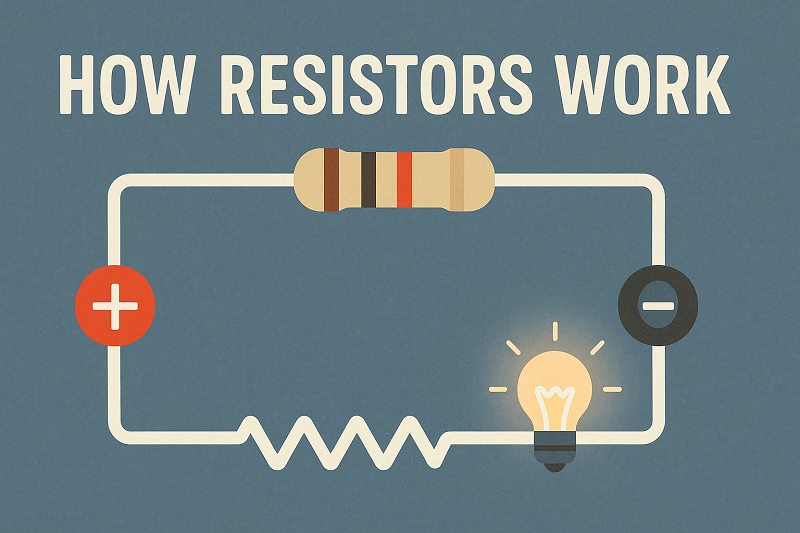
How Resistors Work: From Basic Principles to Advanced Applications2025-07-30
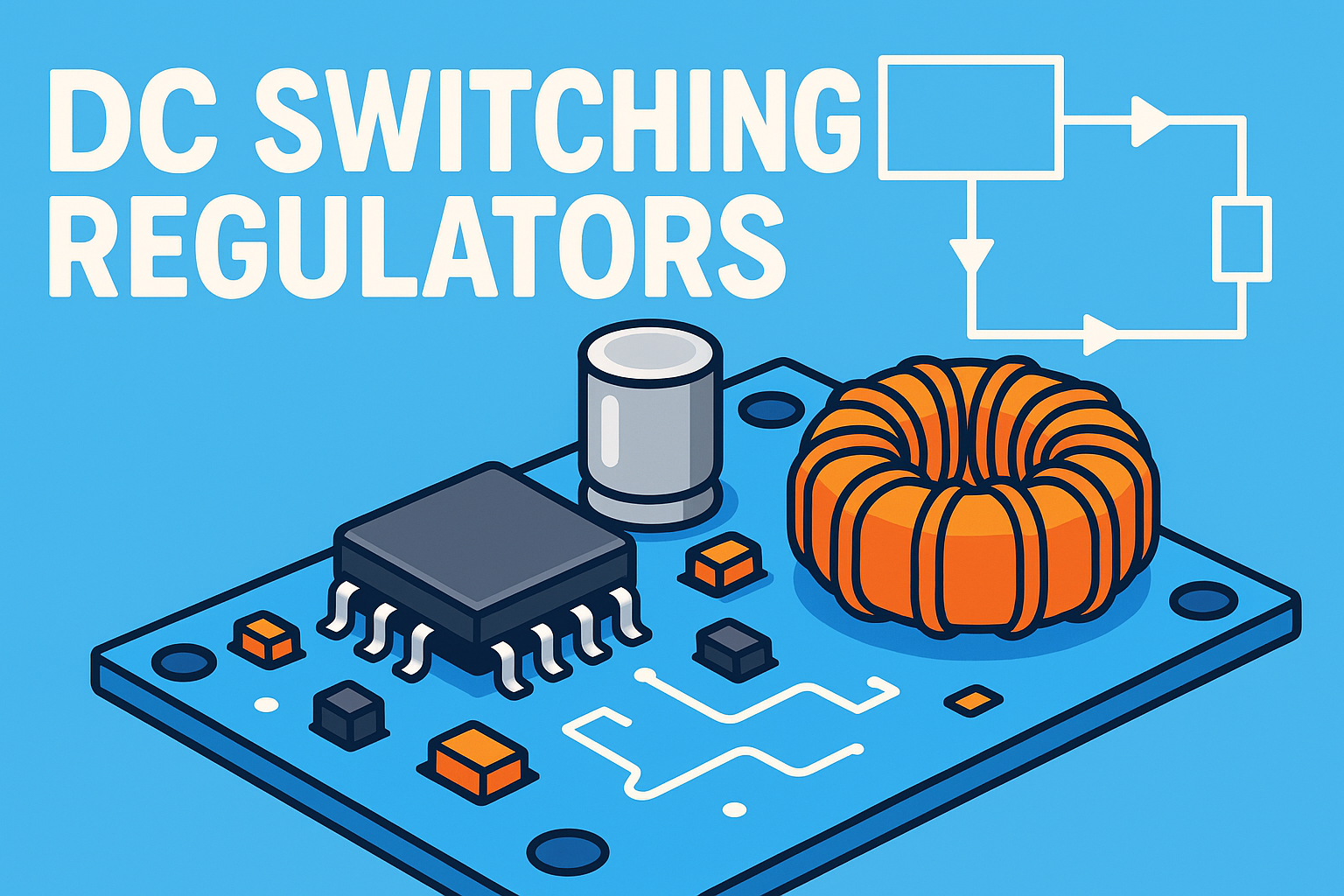
DC Switching Regulators: Principles, Selection, and Applications2025-05-30
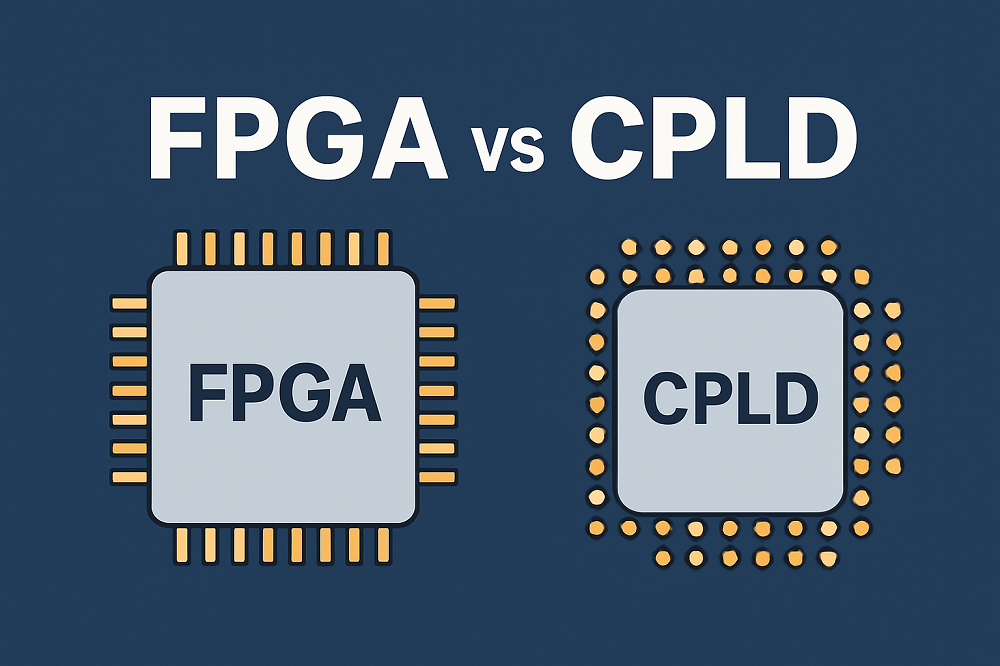
FPGA vs CPLD: In-depth Analysis of Architecture, Performance and Application2025-05-07
MOSFET Technology: Essential Guide to Working Principles & Applications2025-05-04
SMD Resistor: Types, Applications, and Selection Guide2025-04-30