Phone

    00852-6915 1330

The Kynix Blog

Stay Ahead with Expert Electronics Insights,
Industry Trends, and Innovative Tips

Semiconductor Information

Types and Sizes of SMD Components Packages

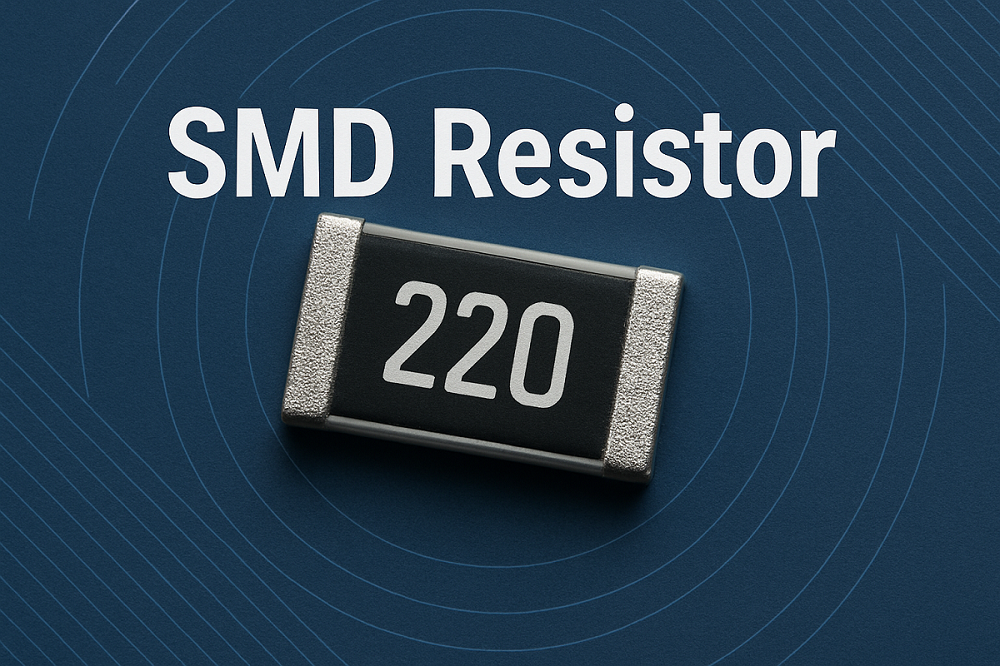
SMD components packages shape how engineers build with surface mount technology in 2025. Each surface mount device package affects assembly, reliability, and performance. The electronics industry now uses surface mount components for most circuit board design due to their compact size and efficiency. Over the past ten years, manufacturers have transitioned from manual to automated lines, with surface mount technology equipment dominating production.Choosing the right smd components packages can significantly improve assembly yield and reliability. The table below illustrates how package size impacts key factors:AspectSmaller SMD PackagesLarger SMD PackagesAssembly ComplexityHigherLowerComponent DensityHigherLowerThermal ManagementChallengingBetterInspection RequirementsAdvanced methods neededEasier visual inspectionPCB Design ImpactComplexSimplerReliabilityLower if not managedHigherEngineers must carefully match smd components packages to their project requirements. Thoughtful selection ensures surface mount components perform optimally in modern circuit board design.SMD Components Packages TypesSMD component packages come in many forms, each designed for specific functions and assembly needs. In 2025, electronics manufacturing relies on a wide range of smd component packages to support everything from tiny wearable devices to powerful computers. Understanding these packages helps engineers select the right component for their projects.SOIC, SOP, and TSOPSOIC (Small Outline Integrated Circuit), SOP (Small Outline Package), and TSOP (Thin Small Outline Package) are common smd component packages for integrated circuits. These packages differ in size, pin count, and application. The table below compares their main features:PackagePin Count RangePin Pitch (mm)Body Width (mm)Typical ApplicationsSOIC4 to 321.27~3.8 to 11.8General-purpose ICs, easy soldering, standardized packagingSOPTypically 81.27~5.3Applications needing larger size or wider pin spacingTSOPVaries<1.27Thinner, compactHigh-density, space-limited designs, memory devices like flash memorySOIC packages offer a balance between size and ease of assembly. SOP packages provide a slightly larger body, which can help with heat dissipation and handling. TSOP packages are thinner and more compact, making them ideal for memory chips and high-density boards.QFP, BGA, and QFNQFP (Quad Flat Package), BGA (Ball Grid Array), and QFN (Quad Flat No-lead) are advanced smd component packages used for complex integrated circuits. Each package type offers unique benefits and challenges:Package TypeAdvantagesDisadvantagesQFPPins on all four sides, easy routing, supports visual inspection, easier reworkLarger size, more solder neededQFNSmaller footprint, good for compact boards, excellent thermal performanceContacts under package, needs X-ray inspection, rework is difficultBGAHigh pin density, great electrical and thermal performanceComplex routing, challenging assembly and inspectionQFP packages suit microcontrollers and digital signal processors that need many connections. QFN packages work well in high-speed and high-frequency circuits, such as wireless devices. BGA packages support powerful processors and memory, but require advanced assembly and inspection tools.SOT and SODSOT (Small Outline Transistor) and SOD (Small Outline Diode) packages are designed for smd transistors and smd diodes. These packages are compact and support automated assembly lines. SOT packages, like SOT-23 and SOT-223, are popular for switching and amplifier circuits. SOD packages, such as SOD-123, are common for signal and protection diodes. Both package types help save board space and improve manufacturing speed.Chip Resistor and Capacitor PackagesSMD resistors and smd capacitors use standardized rectangular chip packages. These packages come in different sizes, each with specific electrical and mechanical properties. The table below lists common size codes for smd resistors:Code (Imperial)Length (inch)Width (inch)Power Rating (W)02010.0240.0120.0504020.040.020.06206030.060.030.1008050.080.050.12512060.120.060.2512100.120.100.5018120.180.121.020100.200.100.7525120.250.121.0Smaller smd packages, like 0201 and 0402, have lower inductance and capacitance, making them ideal for high-frequency circuits.Larger packages, such as 1206 and 1812, handle more power and heat, which improves reliability in demanding applications.SMD inductors and smd leds also use similar chip-style packages, supporting compact and efficient designs.Specialized SMD PackagesSome smd component packages are designed for advanced or unique applications. These specialized packages offer features that help solve specific engineering challenges.Package TypeUnique FeaturesAdvanced Application BenefitsSOT3-7 pins, compact, easy for automated assemblyGreat for space-limited, low-power circuitsSOIC8-44 pins, gull-wing leadsBalances size and performance for analog/digital ICsTSSOP/SSOPThinner, smaller than SOICSupports high-density memory and logic ICsQFPLeads on all sides, 32-300+ pinsUsed in complex microcontrollers and ASICsQFNLeadless, metal pads underneathExcellent for high-speed, high-frequency, and portable devicesBGASolder balls, very high pin densityPowers advanced ICs with strong electrical and thermal performanceCSPExtremely small, near die sizePerfect for smartphones, wearables, and high-reliability needsDPAK/D2PAKLarge thermal padsSupports high-power circuits with better heat dissipationNote: Miniaturization continues to drive innovation in smd component packages. Newer packages, such as chip-scale and near chip-scale, allow even smaller and thinner devices. System-in-Package (SiP) technology now combines multiple functions, like processors and sensors, into a single smd package. These advances help engineers build more powerful and compact products for automotive, 5G, medical, and IoT markets.SMD component packages also include connectors for RF and microwave, as well as smd crystals and oscillators for timing circuits. Each package type supports specific electrical, thermal, and mechanical needs, making the choice of smd packages a key part of successful electronics design.SMT Components Size ChartImage Source: unsplashSize Codes and NamingEngineers use size codes to identify and compare smd packages. These codes help standardize the selection process for every component. The most common system uses four-digit numbers, such as 0402 or 0805. The first two digits show the length, and the last two digits show the width. These numbers represent hundredths of an inch. For example, a 0603 package measures 0.06 inches long and 0.03 inches wide. This system makes it easy to match the right smd size to a project.Industry standards, such as IPC 7351, guide the naming and labeling of smd packages. This standard covers footprint design, reference indicators, and polarity marks. It helps engineers avoid mistakes and ensures that each component fits the board correctly. Other common package types include BCC, LCC, PLCC, CSP, and WCSP. These names describe the shape, lead style, or mounting method of the package.Tip: Always check the datasheet for the exact size and naming of each smd package. Manufacturers may use slightly different codes or dimensions.Common Sizes and DimensionsThe smt components size chart lists the most popular smd packages. Each package has a standard length, width, and height. These measurements help engineers plan the layout and assembly of the board. The table below shows the physical dimensions for common smd packages:Package CodeLength (mm)Width (mm)Height (mm)Length (inch)Width (inch)Height (inch)Typical Use010050.40.20.20.0160.0080.008Ultra-compact electronics02010.60.30.230.0240.0120.009Mobile devices, RF circuits04021.00.50.350.040.020.014High-density boards06031.550.850.450.060.030.018General-purpose circuits08052.01.20.450.080.050.018Power and signal lines12063.21.60.550.1260.0630.022Power circuits18124.53.20.550.1770.1260.022High-power applicationsSOT-232.91.31.10.1140.0510.043Transistors, diodesSOT-3232.01.251.00.0790.0490.039Small signal transistorsSMC7.756.62.60.3050.2600.102Rectifiers, power diodesTO-2774.52.51.10.1770.0980.043Power MOSFETs, diodesMBS4.52.81.10.1770.1100.043Bridge rectifiersSOD-1232.71.61.10.1060.0630.043Signal diodesCSP~1.0~1.0~0.3~0.04~0.04~0.012Mobile, wearable devicesThe chart below compares the length, width, and height of 0402, 0603, and 0805 smd packages:Image Source: statics.mylandingpages.coRecommended solder pad land patterns also follow strict guidelines. For example, a 0402 package uses a pad length of 0.6 mm and a pad width of 0.5 mm. These patterns help ensure reliable soldering and assembly.Applications by SizeEngineers select the right smd size based on the needs of the project. Each component size supports different power, density, and assembly requirements. The smt components size chart helps match the package to the application.Smaller smd packages, such as 01005, 0201, and 0402, fit best in smartphones, hearing aids, and other compact devices. These packages allow high circuit density and fast automated assembly. They also improve high-frequency performance because they have lower inductance and capacitance.Medium sizes, like 0603 and 0805, work well for most general-purpose circuits. These packages balance ease of handling, power rating, and board space. Engineers often use them in consumer electronics, industrial controls, and automotive systems.Larger smd packages, such as 1206, 1812, and SMC, handle higher power and heat. These packages suit power supplies, LED drivers, and high-current circuits. They provide better thermal management and reliability.Specialized packages, such as SOT-23, SOT-323, and CSP, support unique needs. SOT-23 and SOT-323 are common for transistors and diodes. CSP packages enable ultra-small designs for wearables and IoT devices.The choice of component size affects assembly complexity, power handling, and circuit density. Larger packages, like DPAK and 2512, offer better heat dissipation and higher power ratings. Smaller packages allow more components on the board but require advanced assembly and inspection methods.Note: A well-designed PCB layout improves thermal management and reliability. Engineers must consider the size, pad pattern, and placement of each smd package to avoid overheating and ensure long-term performance.The trend toward smaller smd packages continues as demand for higher circuit density grows. Smd technology enables compact, reliable, and high-performance electronics for every industry.Selecting SMD Component PackagesSMD Package IdentificationEngineers use several methods to identify smd component packages during assembly and repair. Accurate identification ensures the correct component fits the design and functions as intended.Magnification tools, such as digital microscopes, help users read tiny markings on smd component packages.Reference sources, like SMD codebooks or digital databases, allow engineers to decode markings and find specifications.Electrical testing instruments, including multimeters and LCR meters, measure resistance, capacitance, or inductance when markings are unclear.Cross-referencing with official datasheets or manufacturer databases confirms the identity of each smd component package.Tip: Online resources, such as distributor websites and Ultra Librarian, provide up-to-date package specifications, datasheets, and compatibility checks.Selection FactorsSelecting the right smd component packages involves many factors.Power dissipation: Larger packages or those with thermal pads handle more heat, which prevents overheating.Voltage ratings: Higher voltages require bigger packages and more PCB spacing to avoid breakdown.Safety and derating: Choosing components rated above expected loads increases reliability.Signal integrity: High-frequency circuits need packages that reduce parasitic effects.Board space: Smaller packages save space but may complicate assembly.Thermal management: Packages with heat spreaders or pads improve heat flow.Assembly compatibility: Some packages need special equipment, affecting cost and process.Cost: Smaller or specialized packages may increase expenses.Application needs: Wearables need miniaturized packages, while automotive projects require robust, thermally efficient packages.Matching to Project NeedsMatching smd component packages to project needs requires careful planning. The table below summarizes best practices for 2025:Consideration AreaKey RecommendationsElectrical & ThermalUse packages with thermal pads and add vias for heat. Choose low TCR for precision.Package CompatibilitySelect common packages (0603, 0805, SOT-23) for easy sourcing. Ensure pick-and-place compatibility.PCB Pad DesignFollow IPC-7351 for pad geometry. Maintain proper solder mask gaps.Soldering ProcessUse correct stencil thickness and optimize reflow profiles.Package Size ImpactSmaller packages save space but need precise assembly. Larger packages handle more current and heat.Availability & Supply ChainChoose widely available packages and maintain multi-sourcing strategies.Environmental and regulatory factors also affect package selection. Moisture sensitivity, packaging materials, and compliance with standards like RoHS guide engineers toward reliable and sustainable choices. Engineers should always match the smd component package to the function, space, and thermal needs of the project for the best results.Understanding SMD component packages remains essential for effective electronics design in 2025. Packages influence assembly, reliability, and performance, especially as miniaturization and high-frequency demands grow. Engineers see packages evolving for 5G, automotive, and IoT, with System-in-Package solutions and new materials shaping the future. Packages now require advanced assembly and thermal management. To select the right packages, engineers should:Follow IPC-7351 and other standards for packages.Choose PCB finishes that suit packages and improve soldering.Use AOI and DFM checks to ensure packages meet quality needs.Collaborate with manufacturers to refine packages and assembly.Staying informed about packages and industry trends helps engineers create reliable, high-performance products.FAQWhat are SMD component packages?SMD component packages are the shapes and sizes that hold electronic parts. These packages help engineers place parts on circuit boards. Each type of package fits a different part and makes assembly easier or harder.Why do engineers choose different packages for the same component?Engineers pick packages based on size, heat, and how easy they are to use. Some packages save space. Others handle more heat. The right package helps the circuit work better and last longer.How do packages affect circuit board design?Packages decide how much space parts take on a board. Smaller packages allow more parts in a small area. Larger packages help with heat and make repairs easier. The choice of package changes the board layout.Can one project use many types of packages?Yes, a project can use many packages. Engineers mix packages to match each part’s needs. Some parts need small packages for space. Others need bigger packages for power or heat.How do new packages help electronics in 2025?New packages make devices smaller and faster. These packages use better materials and shapes. They help engineers build advanced products for 5G, cars, and smart devices. Packages now support more power and better cooling.
Kynix On 2025-08-21   508
Battery

Best cr2 vs cr123 Alternatives for High-Performance Gadgets

If you use high-performance gadgets, you probably know how important it is to pick the right 3.0 v lithium battery. In 2025, the most popular alternatives for a cr2 battery or a cr123 are easy to find. You can see the top choices in the table below:Battery TypeDirect Replacement Alternatives (Primary)Rechargeable Alternatives (Secondary)CR2DLCR2, KCR2, ECR2, 1CR2, 5046LC15270, 15266CR123CR123A, DL123A, SF123ARechargeable versions (3.7V, check fit)Most people who want the best 3.0 v lithium battery for all-around use choose the Ufine 7.4V 5200mAh 18650 battery pack. It works well in many conditions, lasts a long time, and offers great value. You should always check compatibility, performance, and cost before picking a cr2, cr2 battery, or 3.0 v lithium battery. When you compare cr2 vs cr123, you will find many lithium options to match your needs.CR2 vs CR123Size and Power DifferencesWhen you look at cr2 vs cr123, the first thing you notice is the size. CR2 batteries are smaller, measuring about 15.6 mm in diameter and 27 mm in height. CR123 batteries are a bit bigger, with a diameter of 17 mm and a height of 34.5 mm. Both types give you 3 volts, but the real difference comes from their power and capacity.FeatureCR2 BatteryCR123 BatteryDiameter15.6 mm17 mmHeight27 mm34.5 mmVoltage3 volts3 voltsCapacity700-1000 mAh1300-1700 mAhYou get more power from a CR123 battery. It can last longer and handle high-drain devices better. If you use gadgets that need a lot of energy, like tactical flashlights or high-end cameras, you will see a big difference. The cr2 battery works well for smaller devices that do not need as much power. Both batteries use lithium chemistry, which means they are reliable and hold their charge for a long time.Tip: Always check your device’s manual before swapping a cr2 for a cr123 or the other way around. Using the wrong size or power can damage your gadgets.Device SuitabilityChoosing between cr2 vs cr123 depends on what devices you use. CR2 batteries fit best in compact gadgets. You often find them in digital cameras, flashes, home security sensors, and medical devices like glucose meters or hearing aids. Their smaller size makes them perfect for tight spaces.CR123 batteries, on the other hand, shine in high-performance devices. You see them in tactical flashlights, emergency radios, outdoor gear, and high-end cameras. These batteries deliver more power and last longer, which is great for devices that run for hours or need a quick burst of energy.Use a cr2 battery if your device is small and does not need much power.Pick a cr123 battery for gadgets that need more energy and longer runtime.Both batteries use lithium, so you get steady power and good shelf life. When you compare cr2 vs cr123, think about your device’s size and power needs. The right battery keeps your gadgets running smoothly and safely.CR2 Battery EquivalentsDirect ReplacementsWhen you look for a CR2 battery for your high-performance gadgets, you want something that fits perfectly and works just as well as the original. The most common direct replacements for a CR2 battery include models like DLCR2, KCR2, ECR2, 1CR2, and 5046LC. These batteries all use lithium chemistry and deliver a steady 3.0 v lithium battery output. You can use them in cameras, flashlights, security sensors, and medical devices.Here’s a quick comparison of the most popular direct replacements for the CR2 battery:Battery ModelCapacity (mAh)Operating Temperature (°C)Discharge Currents (mA)Duracell DLCR2920-20 to +7520 mA continuous, 60 mA max continuousEEMB CR2850-40 to +8510 mA continuous, 800 mA max continuous, 1500 mA max pulseEnergizer CR2800-40 to +601000 mA max continuous, up to 2500 mA max pulseGP CR2800-40 to +6010 mA continuous, 900 mA pulsePanasonic CR2850-40 to +7020 mA continuous, 900 mA pulseVarta CR2850N/A20 mA continuous, 900 mA pulseImage Source: statics.mylandingpages.coAll these batteries share the same size (15.6 x 27 mm) and a 3.0 v lithium battery voltage. You can count on them for a long shelf life and reliable performance. Some brands, like Duracell DLCR2, have a very low self-discharge rate, so you don’t have to worry about losing power if you store them for a while.Tip: Always check your device’s manual before picking a direct replacement. Using the wrong battery can damage your gadget or cause it to stop working.Rechargeable OptionsYou might wonder, “Are CR2 batteries rechargeable?” Most CR2 batteries you find in stores are not rechargeable. They use lithium manganese dioxide chemistry, which means you should never try to recharge them. Trying to recharge a regular CR2 battery can cause overheating, leaks, or even explosions.But if you want a rechargeable option, you can look for 15270 lithium-ion batteries. These are sometimes called RCR2 batteries. They have a similar size to a CR2 battery and work in many of the same devices. Brands like Orbtronic make reliable rechargeable CR2 batteries. These batteries give you a steady 3.0 v lithium battery output and can be recharged hundreds of times. You save money in the long run and help the environment by using fewer disposable batteries.Rechargeable CR2 batteries like the 15270 type have a slow self-discharge rate. You can store them for a year and still have about 85% of their power left. They work well in flashlights, cameras, range finders, and security systems. You get a package with two rechargeable batteries and a protective case. Some brands also include a quick charger.Note: Always use a high-quality charger and follow the instructions. Fully charge your rechargeable CR2 battery before the first use. Never let the voltage drop below 2.5V. Store your batteries in a cool, dry place.Compatibility and Safety ConsiderationsYou need to think about safety and compatibility when you use a rechargeable CR2 battery. Not every device works with rechargeable batteries. Some gadgets need a true 3.0 v lithium battery, while some rechargeable CR2 batteries may have a slightly higher voltage. Always check your device’s manual to see if it supports rechargeable batteries.Here’s a quick table to help you remember the main safety and compatibility tips:Consideration TypeDetailsSafety - RechargeNever try to recharge a non-rechargeable CR2 battery. It can overheat, leak, or explode.Safety - Short CircuitsKeep battery terminals away from metal to avoid short circuits.Safety - Mixing BatteriesDon’t mix old and new batteries or different brands in one device.Safety - Physical DamageDon’t drop, puncture, or disassemble batteries.Safety - Leakage MonitoringCheck batteries for leaks or bulges. Dispose of damaged batteries safely.Safety - Storage & DisposalStore in a cool, dry place. Recycle used batteries properly.Compatibility - Device RequirementsMake sure your device fits a CR2 battery and uses 3.0 v lithium battery voltage.Compatibility - Brand SelectionPick reputable brands for safety and performance.You might still ask, “Are CR2 batteries rechargeable?” Most are not, but you can find rechargeable batteries labeled as 15270 or RCR2. Always use the right type for your device. If you use the wrong battery, you risk damaging your gadget or causing a safety problem.When you choose a CR2 battery, think about your device’s needs. Direct replacements work best for most users who want a simple swap. Rechargeable options are great if you want to save money and reduce waste. Always follow safety tips and check compatibility before you buy.CR123 Battery AlternativesEquivalent OptionsWhen you look for a replacement for your CR123 battery, you want something that gives you the same power and fits your device. The most common direct equivalent is the CR123A battery. Both use lithium chemistry and deliver a steady 3.0 v lithium battery output. You get a high-capacity battery that works well in demanding gadgets.Here’s a quick table to help you compare the main options:Battery TypeChemistrySize (Diameter x Height)VoltageCapacity (mAh)RechargeableNotesCR123ALithium Manganese Dioxide17.00 mm x 33.4 mm3.0V~1470NoStandard battery, high energy, long runtime, non-rechargeable16340Lithium-Ion17.00 mm x 33.4 mm3.7VVariesYesSame size as CR123A, rechargeable, higher voltage, may not match exact performanceCR2Lithium Manganese DioxideSmaller3.0VLowerNoSmaller, lower capacity, not interchangeable with CR123A in most casesYou will notice that the CR123A battery is almost always the best direct swap for your device. It gives you a reliable 3.0 v lithium battery output and fits perfectly in most high-performance gadgets. The 16340 battery is the same size, but it is rechargeable and has a higher voltage. Some devices can use it, but you need to check your manual first.Note: The CR2 battery is smaller and does not work as a direct replacement for a CR123A battery. Always check the size and voltage before you buy a new battery.CR123A batteries are more powerful than regular CR123 batteries. They have a higher capacity, better safety features, and work well in extreme temperatures. You will see them in high-end cameras, tactical flashlights, and medical devices. The leak-proof design and low self-discharge rate make them a top choice for anyone who needs a high-capacity battery that lasts.CR123A batteries deliver stable power, even when your device needs a lot of energy.They work in cold weather, down to -40°C, so you can trust them outdoors.The 3.0 v lithium battery chemistry keeps your gadgets running longer.If you want a battery that gives you the best performance, CR123A is the way to go. You get more power, longer runtime, and better safety for your devices.Rechargeable ChoicesYou might want to save money and reduce waste by using rechargeable batteries. For CR123 battery alternatives, you have a few good options. The most popular rechargeable choices are the 16340 (also called RCR123A) and the 18650 lithium-ion battery.Let’s look at how these rechargeable batteries compare:Battery TypeCapacity Range (mAh)Voltage (V)RechargeableCycle Life18650 Li-ion1800 - 3500~3.6 - 3.7YesLong (many cycles)CR123 (non-rechargeable)1400 - 15003.0NoSingle useRCR123A / 16340~9503.6 - 3.7Yes~600+ charge cyclesThe 16340 battery is the same size as a CR123A, so it fits in most devices that use a 3.0 v lithium battery. It gives you about 950mAh of capacity and can be recharged over 600 times. The 18650 battery is a high-capacity battery with much more power, but it is bigger. You can use it in some flashlights and gadgets that allow for a larger battery compartment.Tip: Always check your device’s manual before switching to a rechargeable battery. Some gadgets only work with a true 3.0 v lithium battery, while others can handle the higher voltage of a lithium-ion rechargeable.Rechargeable batteries are great for saving money and helping the environment. You can use them again and again, which means less waste. The 16340 battery is a good choice if you want a rechargeable option that fits where a CR123A goes. The 18650 is perfect for devices that need a high-capacity battery and have room for a bigger size.Compatibility and Device FitYou need to make sure your new battery fits your device and works safely. CR123A batteries are compact and powerful, so they fit in small gadgets that need a lot of energy. The 18650 battery gives you more power and longer runtime, but it is much bigger. It will not fit in every device.Always check the size of your battery compartment.Make sure your device can handle the voltage of a rechargeable battery.Never mix different battery types in the same device. This can cause uneven discharge and damage your gadget.If your device gets hot when you use a new battery, stop using it right away.Some devices need a tight fit for the battery. Even small differences in size can cause problems. CR123A batteries have a leak-proof design and a low self-discharge rate, so they are safe for long-term use. Rechargeable batteries like the 16340 are safe if you use a good charger and follow the instructions.Safety Alert: If your device becomes unusually warm or shuts down suddenly, you may have a compatibility issue. Always use batteries from trusted brands and follow the safety tips in your device’s manual.When you pick a battery for your high-performance gadgets, think about size, voltage, and how much power you need. The right 3.0 v lithium battery keeps your devices running strong and safe.Performance and LifespanImage Source: pexelsHow Long Do CR2 Batteries LastYou might wonder, how long do cr2 batteries last in your favorite gadgets. Most cr2 batteries give you power for a few months up to one year, depending on how often you use your device. If you use a camera or a sensor every day, you will need to replace the battery sooner. If you use your gadget only sometimes, the battery can last much longer. According to quarktwin.com, this range is normal for typical usage. You will notice that battery life changes with the type of device and how much energy it needs.Some cr2 batteries offer long-lasting power because of their lithium chemistry. This means you can trust them to hold a charge even when you store them for a while. If you want the best performance, always choose a battery from a trusted brand and check the battery capacity. A higher battery capacity means your device runs longer before you need a new battery.Tip: Store extra cr2 batteries in a cool, dry place. This helps them keep their charge and stay ready for use.Factors Affecting Battery LifeYou can make your cr2 or cr123 battery last longer if you pay attention to a few important things. Here are the main factors that affect battery life and performance:Device compatibility: Make sure the battery fits and matches the voltage your gadget needs.Battery capacity: A higher number means more energy and longer life.Brand and quality: Trusted brands give you better performance and longer battery life.Proper handling and storage: Keep batteries away from heat, moisture, and metal objects.Operating temperature: Batteries work best between -20°C and +60°C. Extreme cold or heat can lower performance.Safety: Never mix old and new batteries or different brands in one device.Chemistry: Lithium-based batteries give you steady performance and a long shelf life.You can also check your battery for leaks or damage. If you see any problems, replace the battery right away. Always follow the safety tips in your device’s manual. When you take care of your cr2 battery, you get better performance and longer life from your gadgets.FactorImpact on Performance and LifeBattery capacityLonger use between replacementsBrand/QualityMore reliable and steady performanceStorage conditionsKeeps battery fresh and readyTemperatureAffects how well battery worksIf you want your cr2 battery to deliver the best performance, remember these tips. You will enjoy more time using your gadgets and less time worrying about battery changes.Choosing the Right EquivalentCompatibility TipsPicking the right cr2 battery or cr123 replacement can feel tricky, but you can make it easy by following a few simple tips. Always check your device’s manual before you buy a new battery. Manufacturers design gadgets for a specific size and voltage, so using the wrong one can cause problems. For example, a cr2 battery is smaller and has less capacity than a cr123. You can’t swap them, even though both give you 3 volts.Here’s a quick table to help you compare:AspectCR2 BatteryCR123 BatterySizeSmallerLargerVoltage3 Volts3 VoltsCapacity (mAh)400 to 8001,500 to 2,500Typical Runtime5.5 to 8 hours6 to 50 hoursInterchangeabilityNot interchangeable with CR123Not interchangeable with CR2Recommended UsageDevices with lower power demandsDevices needing higher power and longer runtimeMixing Old and New BatteriesNot recommendedNot recommendedStorage RecommendationsStore in cool, dry placeStore in cool, dry placeManufacturer GuidelinesMust be followedMust be followedYou might run into issues if you use the wrong chemistry or size. Sometimes, batteries look similar but have different labels or voltages. Always match the chemistry and voltage your device needs. If you see your gadget not turning on, check the battery orientation and make sure you have the right type. Clean the contacts if needed, and never mix old and new batteries.Tip: Store your cr2 batteries in a cool, dry place to keep them fresh and ready for use.Safety and CostSafety comes first when you choose a cr2 battery or any battery for your gadgets. Never try to charge a non-rechargeable battery. This can cause leaks or even explosions. If you want to use a rechargeable battery, make sure your device supports it and always buy from a trusted source. Low-quality or fake batteries can damage your device or even cause injury.Here are some safety tips to remember:Use only the battery type and size listed in your device manual.Don’t mix different brands or old and new batteries.Keep batteries away from heat and moisture.Buy rechargeable batteries from reputable stores to avoid counterfeits.When you think about cost, rechargeable batteries can save you money over time, especially if you use your device a lot. Non-rechargeable cr2 batteries work best for emergency or backup use because they hold their charge longer in storage. If you wonder where to buy cr2 batteries, check online shops or local electronics stores for trusted brands.Note: Always follow the manufacturer’s guidelines for battery use and replacement. This keeps your gadgets safe and helps them last longer.When you pick a battery for your gadget, always check the size, voltage, and brand. Mixing the wrong types or sizes can damage your device or make it stop working. Rechargeable batteries save you money over time and help the environment by cutting down on waste.Always match the battery to your device’s needs and usage.Rechargeables work best for high-drain gadgets you use often.Stick with trusted brands for safety and performance.The right battery keeps your gadgets running longer and safer. Choose wisely for the best results!FAQCan I use a CR2 battery instead of a CR123 in my device?No, you can’t swap them. CR2 and CR123 batteries have different sizes and capacities. Always check your device’s manual before picking a battery. Using the wrong size might damage your gadget.Are rechargeable CR2 and CR123 batteries safe?Yes, they are safe if you use them correctly. Buy from trusted brands. Use the right charger. Never try to recharge a non-rechargeable battery. That can cause leaks or even explosions.How do I know if my device supports rechargeable batteries?Check your device’s manual or look for a label inside the battery compartment. Some gadgets only work with non-rechargeable batteries. If you’re not sure, ask the manufacturer or check their website.What’s the best way to store spare batteries?Keep your batteries in a cool, dry place. Store them in their original packaging or a battery case. Avoid metal objects. This helps prevent short circuits and keeps your batteries fresh.Why do some batteries last longer than others?Battery life depends on capacity, brand, and how you use your device. High-quality brands usually last longer. Using your gadget often or in extreme temperatures can drain batteries faster.
Kynix On 2025-08-20   193
Diodes

All You Need to Know About the 1N5408 Diode

The 1n5408 diode stands out as a high-power diode designed for demanding circuits. This rectifier diode type handles a peak inverse voltage of 1000V and supports up to 3A of continuous current. Its robust DO-201AD package makes it ideal for power rectification in high-current systems. Engineers often choose the 1n5408 power diode for general-purpose applications and circuit protection. The 1n5408 power diode also finds use in voltage regulation and battery charging. The table below highlights its most common roles in modern electronics:Application AreaDescriptionRectification in Power SuppliesConverts AC to DC in power supplies, ensuring stable and reliable voltage output for devices.Battery ChargersRegulates charging current to prevent overcharging or undercharging, extending battery life.Protection from Reverse PolaritySafeguards circuits from damage due to incorrect wiring or voltage spikes, enhancing durability.The 1n5408 diode’s high peak inverse voltage and reliable performance make it a popular 1n5408 power diode in both power rectification and protection roles.1N5408 Diode OverviewThe 1n5408 diode serves as a high-current, high-voltage silicon rectifier. This component stands out in power supply circuits and protection systems. Engineers often select the 1n5408 power diode for its ability to handle large amounts of current and voltage. Its robust design makes it reliable in demanding environments.Pinout and PolarityUnderstanding the 1n5408 pin configuration helps users connect the diode correctly. The 1n5408 power diode has two leads: the anode and the cathode. The anode connects to the positive side of the circuit, while the cathode connects to the negative side. Manufacturers mark the cathode with a silver or white band. This marking helps users avoid reverse connections, which can damage the circuit. The 1n5408 pin configuration remains simple, making installation easy for beginners and professionals alike.Tip: Always check the band on the diode before soldering. The band shows the cathode side.Package and DimensionsThe 1n5408 diode uses the DO-201AD (also called DO-27) package. This package provides strong mechanical protection and excellent heat dissipation. The body diameter measures about 5.0 to 5.6 mm, and the body height ranges from 8.5 to 9.5 mm. The leads have a diameter of about 1.2 to 1.3 mm and a minimum length of 25 mm. The epoxy-molded case resists flames and meets UL 94V-0 safety standards. This design allows the 1n5408 power diode to handle up to 3A of current and power dissipation near 6.25W. Surge currents can reach up to 200A, making the diode suitable for circuits that face sudden power spikes.ParameterValue / DescriptionBody Diameter5.0 - 5.6 mmBody Height8.5 - 9.5 mmLead Diameter1.2 - 1.3 mmLead LengthMinimum 25 mmTypical Current3APower DissipationAround 6.25WSurge CurrentUp to 200APackage MaterialEpoxy molded, flame resistantRecent advancements in diode technology include new materials like silicon carbide and gallium nitride. These materials improve efficiency and thermal stability. However, the 1n5408 diode continues to use traditional silicon, which keeps it reliable for general power rectification.1N5408 Features and SpecificationsThe 1n5408 features and specifications make this diode a reliable choice for many power applications. Engineers often select the 1n5408 power diode for its strong voltage and current ratings, stable electrical performance, and robust thermal handling. This section explores the key features and specifications that define the 1n5408 diode.Voltage and Current RatingsThe 1n5408 diode stands out for its high peak inverse voltage and strong forward current rating. The peak inverse voltage, also called the maximum reverse voltage, reaches up to 1000 volts. This value means the diode can block high voltages in reverse without breaking down. The forward current rating is 3 amperes, which allows the 1n5408 power diode to handle large currents in demanding circuits. The table below summarizes the main voltage and current ratings:ParameterValueMaximum Repetitive Reverse Voltage (VRRM)1000 VPeak Inverse Voltage (PIV)1000 VMaximum Reverse Voltage1000 VAverage Forward Current (IF(AV))3 AForward Current Rating3 AMaximum Forward Current3 AMaximum Non-Repetitive Surge Current200 ANote: The high peak inverse voltage and forward current rating make the 1n5408 power diode suitable for rectifiers and protection circuits.Electrical CharacteristicsThe electrical specifications of the 1n5408 diode show its efficiency and reliability in real-world circuits. The forward voltage drop at 3 amperes is about 1.2 volts. This low forward drop of voltage helps reduce power loss and heat generation during operation. Manufacturers specify a maximum reverse current of only 10 microamperes, which means the diode leaks very little current when reverse-biased. The 1n5408 power diode uses a silicon junction, which ensures stable performance over time.According to manufacturer data, the typical forward voltage drop is 1.2 volts at a forward current of 3 amperes. This value remains consistent across most datasheets. The 1n5408 diode does not provide forward voltage drop values at other current levels, but its performance at 3 amperes covers most common uses.Thermal and Surge RatingsThe 1n5408 power diode handles high temperatures and sudden current surges with ease. The operating temperature range stretches from -65°C to +175°C, which allows the diode to work in both cold and hot environments. The maximum non-repetitive surge current reaches 200 amperes, so the diode can survive short bursts of high current without damage. The 1n5408 diode also features a fast recovery time, which helps protect sensitive components in switching circuits.The table below provides a quick reference for the main thermal and surge ratings:ParameterValueOperating Temperature Range-65°C to +175°CMaximum Non-Repetitive Surge Current200 APower Dissipation6.25 WRecovery TimeFast? The strong thermal and surge ratings of the 1n5408 power diode help prevent failure during power spikes or extreme conditions.The 1n5408 features and specifications, including its peak inverse voltage, forward current rating, and maximum reverse voltage, make it a dependable choice for high-power circuits. The electrical specifications and robust design ensure long-term reliability in many applications.1N5408 Power Diode EquivalentsDirect ReplacementsMany engineers look for direct replacements when the 1N5408 diode is not available. Several diodes match the 1N5408 in voltage and current ratings. The UF5408 stands out as a popular choice. It offers the same 3A current and 1000V voltage rating but features a much faster recovery time. This makes it suitable for circuits that switch quickly. The table below compares the 1N5408 and UF5408 diodes:Diode ModelCurrent RatingVoltage RatingForward Voltage DropRecovery TimePackage Type1N54083A1000V1.0VSlowerDO-27UF54083A1000V1.7V75 ns (Ultra-fast)DO-27Manufacturers produce several UF5408 variants, such as UF5408-E3 by Vishay, UF5408-GT3 by Sensitron, and UF5408GP-BP by Micro Commercial Components. Each variant maintains the same electrical ratings and package type as the original 1N5408. The UF3007 also matches the current and voltage ratings, making it another suitable replacement.Image Source: statics.mylandingpages.coAlternative DiodesSometimes, engineers need to select a different diode for special applications. Choosing the right alternative requires careful attention to several factors:Select a diode with a reverse voltage rating at least 10 times higher than the system’s normal voltage. This helps the diode survive voltage spikes and increases its lifespan.Choose a current rating by multiplying the average circuit current by 10. This ensures the diode can handle surge currents during switching.Check the diode’s energy dissipation capability (I2t value). This value shows if the diode can survive short, high-energy pulses.Place the diode close to the load or contactor terminals. This reduces voltage spikes and electrical noise.Engineers may also consider other types of protection devices. Metal oxide varistors work well for severe spikes in AC circuits. Transient-voltage-suppression diodes protect against fast voltage spikes but cost more. Zener diodes help with voltage regulation if chosen correctly. Schottky diodes are not recommended for high-voltage circuits because they have lower reverse voltage ratings.Tip: Always compare the voltage and current ratings before choosing a replacement. Matching these values ensures safe and reliable operation in any circuit.Usage and ReliabilityCircuit IntegrationThe 1N5408 diode fits into many common circuit designs. Engineers often use it for power rectification in both half-wave and full-wave rectifier circuits. This diode appears in battery chargers, voltage booster circuits, and adapters. Many voltage doubler circuits also rely on the 1N5408 for stable operation. In protection roles, the diode guards sensitive components from reverse polarity and high-voltage spikes. It can regulate current and voltage, making it useful in current supply regulation and high-voltage supply circuits.Power rectification in half-wave and full-wave rectifiersBattery chargers and voltage booster circuitsVoltage doubler and adapter circuitsProtection from reverse polarity and high-voltage conditionsCurrent and voltage regulation in various directionsTip: Always check the circuit diagram before placing the diode. The band on the diode marks the cathode, which should face the negative side in most power rectification setups.Heat ManagementHeat management plays a key role in the long-term reliability of the 1N5408 diode. When the diode handles high current during power rectification, it generates heat. Excessive heat can shorten the diode’s lifespan. To prevent this, engineers often use heat sinks or forced air cooling. Mounting the diode with enough space around it helps with airflow. Keeping the load current below 3A also reduces heat buildup. Some circuits use current-limiting resistors to help manage temperature. Monitoring the diode’s temperature during operation ensures it stays within the safe range of -65°C to +175°C.Long-Term PerformanceLong-term performance depends on staying within the diode’s rated limits. Exceeding the maximum current of 3A or the reverse voltage of 1000V can cause breakdown and permanent damage. Thermal stress from poor cooling or overcurrent is a frequent cause of failure. Engineers recommend regular checks and post-replacement testing to catch early signs of wear. Using the diode within its ratings and managing heat helps maintain stable operation for years. Proper installation and monitoring lead to reliable power rectification and protection in demanding circuits.1N5408 Power Diode ApplicationsThe 1n5408 power diode plays a key role in many electronic systems. Engineers use it for power rectification in power supplies, battery chargers, and protection circuits. The main applications of 1n5408 power diode include AC-DC rectification, adapters, and high current circuits. Its high current and voltage ratings make it a strong choice for demanding environments.Power SuppliesPower supplies need reliable components for safe and steady operation. The 1n5408 power diode supports up to 3A of current, which helps it handle large loads. Many power supplies use this diode for power rectification. It converts AC to DC, which is essential for most electronic devices. The 1n5408 power diode also works well in power inverters, where it manages high current during switching. Its robust design allows it to operate in both linear and switching power supplies. Engineers often choose this diode for rectification in power supplies that serve computers, industrial machines, and home appliances.Battery ChargersBattery chargers require stable current flow to protect batteries from damage. The 1n5408 power diode stands out in these circuits because it can handle heavy loads without failing. It maintains a steady current, which prevents overcharging or undercharging. This feature helps extend battery life. Compared to smaller diodes like the 1N4148 or 1N4007, the 1n5408 power diode offers better current capacity and durability. Its wide temperature range and built-in protection features add to its reliability. While it has a slower recovery time than some advanced diodes, it remains efficient for most battery charger designs. Heat sinks or forced air cooling can further improve its performance and lifespan.Protection CircuitsProtection circuits use the 1n5408 power diode to guard sensitive parts from voltage spikes and reverse polarity. In power inverters and rectification circuits, this diode blocks harmful currents that could damage equipment. Its high surge current rating allows it to absorb sudden spikes without breaking down. Many engineers place the 1n5408 power diode near the load or contactor terminals to reduce electrical noise and voltage spikes. This setup keeps circuits safe and stable, even in harsh conditions.Note: The 1n5408 power diode and the 1N4007 both have a voltage rating of 1000V. However, the 1n5408 power diode supports a higher average forward current, making it better for high current loads.DiodePeak Repetitive Reverse Voltage (V)Average Forward Current (A)Notes on Application Suitability1N400710001Suitable for high-voltage, moderate current applications1N540810003Higher current rating, suitable for applications requiring higher current than 1N4007The 1n5408 power diode remains a top choice for power rectification in power supplies, battery chargers, and power inverters. Its strong current handling and reliable performance set it apart from other diodes in similar roles.The 1N5408 diode stands out for its durability and versatility in demanding circuits. Electronics professionals recognize its strengths in several areas:Converts AC to DC with high current capacityRegulates charging current in battery chargersHandles voltage boosting and surge protectionFeature1N5408 Diode SpecificationPeak Inverse Voltage (PIV)1000VAverage Forward Current3ASurge Current Capacity200AEngineers should always match the diode’s ratings to their application. This practice ensures safe and reliable performance over time.FAQWhat is the main difference between the 1N5408 and 1N4007 diodes?The 1N5408 diode handles up to 3A of current, while the 1N4007 supports only 1A. Both have a 1000V voltage rating. The 1N5408 works better in high-current circuits.Can the 1N5408 diode be used for AC to DC conversion?Yes, the 1N5408 diode works well for AC to DC conversion. It often appears in rectifier circuits for power supplies and adapters. Its high current rating makes it reliable for this purpose.How can someone identify the cathode on a 1N5408 diode?Manufacturers mark the cathode with a silver or white band. The band helps users connect the diode correctly. The cathode connects to the negative side of the circuit.Does the 1N5408 diode need a heat sink?A heat sink is helpful if the diode carries high current or operates in a hot environment. Good airflow and proper mounting also help manage heat. This keeps the diode safe and extends its life.What happens if the 1N5408 diode is installed backward?If installed backward, the diode blocks current flow. In some cases, it may protect the circuit. However, if the reverse voltage exceeds 1000V, the diode can fail or break down.
Kynix On 2025-08-20   321
Power

Type C vs USB C Why USB C Is the New Standard in 2025

USB-C has become the new era of connectivity in 2025. Devices now use this universal serial bus connector for faster data transfers, higher power delivery, and improved compatibility. Many people ask about type c vs usb c, but both terms often describe the same connector shape. The usb-c standard makes connecting devices simple, reliable, and efficient. Users now enjoy seamless compatibility across laptops, phones, and accessories. This new era of connectivity sets a clear path for better data and charging experiences with every usb device.Type C vs USB CConnector vs StandardMany people wonder about the difference in the type c vs usb c debate. The answer starts with understanding the connector and the standard. The USB Type-C connector describes the physical shape and design. This connector is small, oval, and reversible. Users can plug it in either way, which makes it easier to use than older usb connectors. The usb-c connector also lasts longer because of its sturdy build.The usb-c standard, on the other hand, refers to the rules and features that work with the usb-c connector. These rules include how fast data can transfer, how much power the connector can deliver, and what types of signals it can carry. For example, the usb-c standard allows for high-speed data transfer, fast charging, and even video or audio signals. The usb type c connector acts as the doorway, while the usb-c standard decides what can pass through.Tip: Not every usb-c connector supports the same features. Always check the device or cable for its usb standard and data transfer speed.The usb-c connector has changed how people connect devices. It replaced many older usb connectors, such as USB-A and USB-B, by offering one universal connector for many uses. The usb-c standard keeps improving, so users get faster data transfer and more power with each new version.Common MisconceptionsConfusion often surrounds the type c vs usb c topic. Many users think all usb-c connectors and cables work the same way. This is not true. The usb-c connector only describes the shape. The usb standard, like USB 3.2 or USB 2.0, tells how fast data can transfer and how much power the connector can handle.Some people believe that every usb-c cable supports fast charging or high-speed data transfer. In reality, different cables have different abilities. For example, a cable for a laptop may handle more power than one for a smartphone. Using the wrong cable can lead to slow charging or even damage. The usb-c standard helps prevent problems, but users must still choose the right cable for their needs.Another common myth is that fast charging with usb-c can harm batteries. Modern usb-c connectors and devices include safety features that protect against overcharging and overheating. The usb standard ensures safe data transfer and power delivery.MythFactAll usb-c connectors are the sameDifferent cables support different usb standards and data transfer speedsFast charging is unsafeThe usb-c standard includes safety features for chargingAny usb-c cable works for every deviceDevices need cables that match their power and data needsThe type c vs usb c confusion often comes from mixing up the connector with the standard. The usb-c connector is just the shape. The usb standard decides what the connector can do. Knowing this difference helps users pick the right usb connectors and cables for their devices.USB EvolutionUSB-A OriginsThe evolution of usb connectors began in the late 1990s. USB-A first appeared in 1996 with the launch of USB 1.0. This connector changed how people connected devices to computers. Before usb-a, users relied on bulky ports like PS/2, serial, and parallel. USB type a made it easier to connect mice, keyboards, and printers. By 1998, computers started to include usb ports as a standard feature. Apple’s iMac helped speed up the adoption of usb connectors by using only usb ports. The usb-a connector offered a simple, rectangular shape, but it only fit one way. This design sometimes made plugging in cables frustrating.YearMilestoneDescription1996USB 1.0 LaunchIntroduced Type-A and Type-B connectors with speeds of 1.5 Mbps (low speed) and 12 Mbps (full speed). Not widely adopted initially.1998USB 1.1 UpgradeImproved adoption, maintained speeds, standardized Type-A and Type-B connectors.2000USB 2.0 ReleaseIncreased speed to 480 Mbps, introduced Mini-A and Mini-B connectors, supported battery charging.2007Micro ConnectorsReplaced Mini connectors with Micro-A, Micro-AB, and Micro-B connectors; introduced USB On-The-Go for device-to-device communication.2008USB 3.0 LaunchIntroduced SuperSpeed USB with 5 Gbps transfer rate, backward compatible plugs and cables.2013USB 3.1 LaunchTwo variants: Gen 1 (5 Gbps) and Gen 2 (10 Gbps), improved data rates.2014USB-C IntroductionNew reversible, smaller connector supporting higher data and power transfer rates.2017USB 3.2 ReleaseAdded new modes with USB-C, doubling speeds up to 20 Gbps using dual-lane data transfer.2019USB4 ReleaseBased on Thunderbolt 3 protocol, speeds up to 40 Gbps, uses USB-C connectors, supports power delivery up to 240W.2022USB4 2.0Increased speeds up to 80 Gbps over USB-C.USB-B, Mini, and MicroAs usb technology advanced, new connectors appeared to solve problems. USB-B was created for larger devices like printers and scanners. However, usb-b connectors were too big for small gadgets. The evolution continued with mini and micro usb connectors. Mini usb arrived in 2000 for cameras and early phones. It was smaller than usb-a and usb-b, but still too thick for slim devices. Micro usb launched in 2007, offering a thinner shape and better durability. Micro usb connectors doubled the insertion lifetime compared to mini usb. Both mini and micro usb connectors kept the one-way plug design, which sometimes caused confusion. Micro usb also introduced new features like USB On-The-Go, letting devices connect directly without a computer.USB-A was too large for small devices, leading to the creation of usb-b, mini, and micro connectors.Mini usb worked for cameras but not for thin phones.Micro usb improved size and durability, but still required correct orientation.Rise of USB-CThe next step in the evolution of usb connectors came with usb-c in 2014. This connector solved many old problems. USB-C features a small, oval shape and works in any direction. Users no longer struggle with plug orientation. USB-C supports high-speed data transfer, fast charging, and advanced protocols like Thunderbolt and DisplayPort. The usb-c connector can deliver up to 240 watts of power, making it strong enough for laptops and monitors. USB 4.0 uses usb-c connectors to reach speeds up to 40 Gbps. The usb-c connector replaced many older types, making cables and ports simpler for everyone. In 2024, new rules in the EU made usb-c the standard for mobile devices, showing its global importance.Image Source: statics.mylandingpages.coNote: USB-C unifies usb connectors for all devices, supports usb 4.0, and makes data transfer and charging faster and easier.Why USB-CSpeed and PowerUSB-C stands out because it offers much faster data transfer and higher power delivery than older connectors. Devices can now move large files, stream high-quality video, and charge quickly. The usb standard has improved with each version, making usb-c the top choice for speed and power.USB TypeMaximum Data Transfer SpeedMaximum Power DeliveryAdditional FeaturesUSB-A (Standard USB)Up to 10 Gbps (USB 3.1)Up to 4.5W (USB 3.0)Limited power delivery, non-reversible connectorUSB-BSimilar to USB-A in speed and powerSimilar to USB-ATypically used for peripherals, non-reversibleUSB-CUp to 40 Gbps (Thunderbolt 3 / USB4)Up to 100W (USB PD), up to 240W (USB PD 3.1)Reversible connector, supports simultaneous data, power, and video outputImage Source: statics.mylandingpages.coThe usb-c connector supports data transfer rates up to 40 Gbps with USB4 and Thunderbolt 3. This speed is much higher than usb-a or usb-b. The usb-c standard also allows power delivery up to 240W, which means users can charge laptops, monitors, and even some gaming devices. The usb standard uses dynamic power negotiation, so each device gets the right amount of power. This feature keeps charging safe and efficient.Note: USB-C power delivery is an open standard. It works with many brands and devices, unlike older proprietary chargers that only fit one type of device.The usb-c standard supports fast data transfer for large files, high-resolution video, and quick charging. This makes it the best choice for modern technology.Reversible DesignThe reversible design of usb-c solves a problem that frustrated many users. Older usb connectors like usb-a and usb-b only fit one way. People often tried to plug them in upside down, which wasted time and caused wear.USB-C has a symmetrical, oval shape. Users can insert the connector in either direction. The usb-c standard uses 24 contacts in two rows, so the cable works no matter how it is plugged in. This design reduces mistakes and makes connecting devices easier for everyone.The usb-c connector also uses spring latches and grounding fingers. These features keep the connection secure and reliable. The reversible design supports high data transfer speed and power delivery, while keeping the connector small and easy to use.Tip: The reversible usb-c connector helps people of all ages connect devices quickly, with less frustration and fewer errors.VersatilityUSB-C is more than just a connector for charging phones. The usb-c standard supports many types of data transfer and power delivery. It works with a wide range of devices, from smartphones and tablets to laptops, monitors, and even virtual reality headsets.USB-C supports all usb device speeds, from low-speed to SuperSpeed and beyond.The usb-c standard allows alternate modes, such as DisplayPort and MHL, to send video and audio over the same cable.Power delivery can reach up to 240W, so users can charge large devices like laptops.Devices can switch roles, acting as a host or a function, which was not possible with older usb connectors.USB-C FeatureTechnical CapabilityRelevance to Emerging Technologies (VR, High-Resolution Displays)High Data Transfer SpeedsUp to 80 Gbps with USB4Enables fast streaming and data transfer required for immersive VR and 4K/8K videoPower Delivery (USB PD)Negotiates and delivers higher wattageSupports charging and powering VR headsets and high-res monitorsDisplayPort Alt Mode (DP Alt Mode)Video output over USB-C cable using DisplayPort protocolAllows connection to high-resolution external displays through a single cableMulti-protocol SupportSupports USB, Thunderbolt, DisplayPortProvides versatile connectivity essential for AR/VR devices and advanced displaysIndustry AdoptionMajor tech companies updating devices to USB-CEnsures broad compatibility and future-proofing for emerging techThe usb-c standard also helps the environment. The EU now requires usb-c for most devices. This rule reduces electronic waste by letting people reuse cables and chargers. Fewer chargers end up in landfills, which helps protect the planet.Note: USB-C adapters and dongles help connect new devices to older equipment. This keeps older technology useful and reduces waste.USB-C’s versatility makes it the best choice for today’s technology. It supports fast data transfer, high power delivery, and many device types. The usb-c standard brings simplicity, speed, and sustainability to the world of usb.Adoption TrendsIndustry ShiftMany industries have moved quickly to embrace USB-C. Consumer electronics companies lead this change. They use USB-C in smartphones, laptops, tablets, and audio or video devices. Industrial automation also benefits from USB-C, especially in factories and production lines. These industries choose USB-C for several reasons:Universal compatibility across many devicesReversible connector design that makes plugging in easierFaster data transfer rates, reaching up to 10 Gbps and beyondHigher power delivery, supporting fast charging and even powering larger devicesAbility to send audio and video signals, reducing the need for extra cablesSimpler device design and better user experienceLess setup time and complexity in industrial settingsDevice makers also see USB-C as a way to stay ahead in technology. Standardizing on USB-C lowers development costs and helps companies meet rising consumer demand for efficient and sustainable products. The adoption of USB-C also helps reduce electronic waste by replacing many older connectors.Market research shows strong growth for USB-C:AspectDetailsMarket Size (2024)USD 5.2 BillionProjected Market Size (2033)USD 12.8 BillionCAGR (2026-2033)10.5%Key Growth DriversTechnology advances, changing consumer needs, competitive strategiesFastest Growing RegionAsia-PacificOther Regional TrendsNorth America and Europe show steady growth, helped by research and regulationsConsumer ImpactConsumers now enjoy a simpler and more reliable experience with USB-C. The reversible design and slim shape make devices easier to use and carry. People can use one charger for many devices, which saves money and reduces clutter. Fast charging and high-speed data transfer also improve daily life.Regulations, especially in the European Union, push companies to use USB-C. The EU requires USB-C for phones, tablets, and earbuds by the end of 2024, and for laptops by 2026. This rule encourages companies worldwide to follow the same standard, making USB-C more common everywhere. These changes help reduce electronic waste and support sustainability.Companies work together to make sure their products are compatible. They use digital marketing and social media to teach people about the benefits of USB-C. Schools and families save money by using multi-port USB-C charging stations instead of buying many different adapters. Over time, the adoption of USB-C helps everyone by making technology easier, faster, and more eco-friendly.USB-C stands as the universal standard because it offers a reversible design, fast data transfer, and high power delivery. Users benefit from one connector for many devices, making technology easier for everyone.Educational guides help people understand that not all USB-C cables work the same way.Knowing the difference between Type C and USB-C lets users choose the right cable for their needs.Embracing USB-C means a simpler, faster, and more connected future. This connector supports the future of technology, helps reduce waste, and prepares everyone for the future of smart devices. The future looks bright with USB-C leading the way.FAQWhat is the main difference between USB-C and older USB connectors?USB-C uses a small, reversible design. It supports faster data transfer and higher power delivery. Older connectors, like USB-A and USB-B, only fit one way and have lower speed and power limits.Can every USB-C cable charge all devices?Not every USB-C cable supports the same power or speed. Some cables only charge phones, while others power laptops. Always check the cable’s label or packaging for its charging and data capabilities.Does USB-C work with older USB devices?USB-C can connect to older devices with adapters or special cables. The speed and power depend on the oldest device in the connection. Users should check compatibility before connecting.Why do some USB-C ports support video output and others do not?Some USB-C ports support "Alternate Modes" like DisplayPort or HDMI. These ports send video signals. Not all devices include this feature. Users should check device specifications for video support.
Kynix On 2025-08-20   172
Battery

Pila LR44 Cross-Reference Codes for Easy Local Shopping

When you look for a pila lr44, you may see many different codes on the packaging. Pila lr44 is a small button cell battery, but stores often use other names for it. If you know the cross-reference codes, you can find the right lr44 battery no matter what code appears on the label.Some common lr44 codes include: AG13, 76A, A76, LR1154, L1154, SR44, SR44SW, 157, 357, 303, and even the older MR44 or MR1154.You avoid confusion and save time when you recognize these lr44 equivalents. With this knowledge, you shop for pila lr44 confidently and choose the correct lr44 every time.What Is a Pila LR44?DefinitionYou often see the lr44 battery in small devices. This battery is a type of alkaline button battery. It uses zinc as the negative electrode and manganese dioxide as the positive electrode. The electrolyte is usually potassium or sodium hydroxide. The lr44 battery gives you a nominal voltage of 1.5 volts. Its compact size makes it easy to fit into many gadgets. When you look for a pila lr44, you will notice that it is round and flat, which is why people call it a button battery.Here is a quick overview of the lr44 battery:AttributeDetailsBattery TypeAlkaline Button CellChemistryZinc (negative), Manganese Dioxide (positive), Potassium/Sodium Hydroxide (electrolyte)Nominal Voltage1.5 VCapacityApproximately 150 mAhTypical ApplicationsSmall electronics, calculators, medical devicesCommon UsesYou will find the lr44 battery in many everyday items. Its small size and steady power make it a popular choice. Here are some common lr44 battery applications:WatchesCalculatorsRemote controlsDigital thermometersLaser pointersElectronic keysToysClocksHearing aidsSecurity system panels and keypadsMemory backup systemsIndustrial toolsThese devices rely on the lr44 for reliable energy. When you shop for a pila lr44, you can check your device’s manual to see if it needs this battery.Tip: If your device is small and portable, there is a good chance it uses an lr44 battery.SpecificationsYou should know the lr44 battery specifications before buying a replacement. The lr44 battery has a diameter of 11.6 mm and a height of 5.4 mm. Its capacity ranges from 90mAh to 150mAh, depending on the brand. The chemistry is alkaline, with manganese dioxide as the main material. The lr44 battery gives you a steady 1.5 volts, which helps your devices work smoothly.Here is a table with the main lr44 battery specifications:SpecificationDetailsBattery TypeButton-cellNominal Voltage1.5 VCapacity Range90mAh to 150mAhChemistryAlkaline (MnO2)Diameter11.6 mmHeight5.4 mmWhen you understand these details, you can choose the right lr44 battery for your needs. This knowledge helps you avoid mistakes and keeps your devices running well.LR44 Battery EquivalentsWhen you shop for an lr44 battery, you might see many different codes on the packaging. These codes can look confusing, but they all point to batteries that fit the same devices. Knowing the lr44 battery equivalents helps you find the right replacement, even if the code is different from what your device manual says. Let’s break down the main types of codes you will see.Alkaline CodesYou will find that most lr44 batteries use alkaline chemistry. These batteries work well in low-drain devices like toys, calculators, and remote controls. The most widely recognized alkaline cross-reference codes for lr44 battery include:LR4476AAG13LR1154A76L1154All these codes refer to the same size and voltage. You can use any of these codes when you need to replace an lr44 battery. Alkaline lr44 battery equivalents usually have a nominal voltage of 1.5V and a capacity between 110 and 150 mAh. They are easy to find and cost less than other types.Tip: If your device is not very sensitive to voltage changes, an alkaline lr44 battery will work just fine.Silver-Oxide CodesSome devices, like watches and medical instruments, need more stable power. In these cases, you should look for silver oxide batteries. These batteries keep their voltage steady until they run out, which is important for precision devices. The main silver-oxide cross-reference codes for lr44 battery are:SR44SR44SWSR44W357303SB-B9Silver oxide batteries have a slightly higher voltage (about 1.55V) and a higher capacity (150–200 mAh) than alkaline types. They last longer and give a flat discharge curve, so your device works at full power for a longer time. This is one of the lr44 battery advantages, especially for devices that need steady voltage.Here is a simple comparison table to help you see the differences:Battery TypeCommon CodesChemistryNominal VoltageCapacity (mAh)Voltage StabilityTypical UsageAlkalineLR44, AG13, A76, LR1154Alkaline (MnO2)1.5 V110–150Gradual voltage dropToys, calculators, remotesSilver OxideSR44, 357, 303, SR44SWSilver Oxide (Ag2O)1.55 V150–200Stable voltage outputWatches, medical, precision devicesNote: Silver oxide lr44 battery equivalents cost more, but they offer longer life and better performance in sensitive devices. This is another lr44 battery advantage you should consider.Brand-Specific CodesMajor battery brands often use their own codes for lr44 battery. These codes can make shopping confusing, but you can match them to the standard lr44 codes. Here are some common brand-specific codes:BrandUnique Code(s) Equivalent to LR44Duracell76AEnergizerA76GPGP76AGenericAG13, LR1154, L1154, A76Silver Oxide EquivalentsSR44, 357, 303You can use a Duracell 76A or an Energizer A76 in any device that calls for an lr44 battery. These brand-specific codes match the size, voltage, and chemistry of standard lr44 batteries. Silver oxide codes like 357 and 303 also fit, but they give you the extra benefit of longer life and stable voltage.Image Source: statics.mylandingpages.coWhen you know these codes, you can shop for lr44 battery equivalents with confidence. You will not have to worry about picking the wrong battery, even if the packaging looks different. Always check your device’s manual or the old battery for a code, then match it to the list above.Remember: All these codes point to batteries with the same size (11.6 mm x 5.4 mm). The main differences are in chemistry and how long the battery lasts.If you want to check more lr44 battery equivalents or need extra details, you can use trusted online resources. These sites list all the codes, chemistries, and sizes, and they link to official datasheets from top brands. This makes it easy to double-check before you buy.Using Cross-Reference CodesReading PackagingWhen you shop for an lr44 battery, you will see many codes on the packaging. These codes help you find the right lr44, even if the label does not say "lr44" directly. Most packages show a table with cross-reference codes like AG13, A76, L1154, LR1154, and 157. You will also see the battery’s size (11.6 mm x 5.4 mm), voltage (1.5V), and sometimes a “0% Hg” label, which means mercury-free. Trusted brands such as Energizer, Duracell, and Panasonic list these codes to help you match the lr44 battery with your device.Code on PackageChemistryVoltageSize (mm)LR44Alkaline1.5V11.6 x 5.4AG13Alkaline1.5V11.6 x 5.4A76Alkaline1.5V11.6 x 5.4L1154Alkaline1.5V11.6 x 5.4357Silver Oxide1.55V11.6 x 5.4Tip: Always check the size and voltage on the packaging to make sure you have the correct lr44 battery.Asking in StoresWhen you visit a store, you may see many small batteries that look alike. To avoid mistakes, ask the staff a few key questions:Does my device need an alkaline lr44 or a silver oxide 357?What voltage does my device require?How long will this lr44 battery last in my device?Is there a specific code or chemistry my device manual recommends?Are there any alternatives that work the same as lr44?Store staff can help you find the right lr44 battery if you give them your device’s details. You can also show them your old battery or the device manual.Checking CompatibilityBefore you buy, you should always check if the lr44 battery or its alternatives will work in your device. Follow these steps:Match the voltage on the battery (1.5V for lr44, 1.55V for silver oxide).Check the size (11.6 mm x 5.4 mm) to fit your device.Confirm the chemistry—alkaline or silver oxide—since this affects performance.Make sure the battery fits with the correct polarity.Review your device’s manual for any special requirements.Choose direct equivalents like AG13, A76, or Duracell 76A for the best fit.Note: Using the wrong battery type can cause leaks, overheating, or poor performance. Always double-check before you buy an lr44 battery or its alternatives.Local Shopping TipsWhere to BuyYou can find lr44 batteries in many local stores. Pharmacies, electronics shops, supermarkets, and hardware stores often keep lr44 batteries in stock. Look for the battery section or ask a staff member for help. Many stores display lr44 batteries with other button cells, so check the packaging for codes like AG13, A76, or 357. Some stores also carry alternative batteries that match lr44 size and voltage. If you need a specific chemistry, such as silver oxide, check the label for codes like SR44 or 357. Buying from trusted brands and reputable shops helps you avoid low-quality products.Avoiding MistakesWhen you shop for lr44 batteries, you may see many similar-looking options. To avoid common mistakes, pay close attention to the details. Here are the most frequent errors people make:Not checking the expiration date, which can lead to buying expired lr44 batteries.Failing to verify that the lr44 matches your device’s voltage and capacity.Mixing old and new lr44 batteries in the same device.Choosing the wrong chemistry, such as using alkaline instead of silver oxide when your device needs stable voltage.Buying lr44 batteries from non-reputable brands, which increases the risk of poor quality.Not replacing all lr44 batteries at once, causing uneven power delivery.Handling lr44 batteries incorrectly, such as touching terminals or storing them poorly.Ignoring product reviews and manufacturer reputation.You can also use this table to tell lr44 batteries apart from similar types:Battery TypeChemistryNominal VoltageCapacity (mAh)Diameter (mm)Typical Use Case / NotesLR44Alkaline1.5 V~15011.6Toys, calculators, remotesSR44 / 357Silver oxide1.55 V (stable)Higher than LR4411.6Watches, medical devicesLR43Alkaline1.5 V~11011.6Lower capacityLR41Alkaline1.5 V~25-327.9Smaller, not compatibleTip: Always check the code and chemistry before you buy lr44 batteries. Even if two batteries look the same, they may not work the same way in your device.Ensuring CompatibilityTo make sure your lr44 battery works well, check your device’s requirements. Look at the manual or the old battery for the correct code. Use this table to guide your choice:Device RequirementDetails / ExplanationPhysical DimensionsDiameter ~11.6 mm, Thickness ~5.4 mm; must fit the battery compartmentNominal Voltage1.5 V for lr44 alkaline; 1.55 V for silver oxide; voltage differences affect devicesBattery ChemistryAlkaline (lr44) vs Silver Oxide (SR44); chemistry changes capacity and voltage stabilityEquivalent BatteriesAG13, A76, 157, 303, 357, SR44; check device specs for shape, chemistry, voltageManufacturer RecommendationsAlways follow device-specific battery type and specs to avoid problemsBattery chemistry affects how your device works and how long it lasts. Here are some key points:Alkaline lr44 batteries start at 1.5V but lose voltage over time. This can cause problems in sensitive devices.Silver oxide batteries keep a steady voltage, which is better for watches and medical tools.Using the wrong chemistry can cause your device to malfunction or shorten its life.Image Source: statics.mylandingpages.coNote: Always store lr44 batteries safely and keep them away from children. If you need alternatives, check that the alternative batteries match the size, voltage, and chemistry your device needs.You now know that lr44 batteries go by many names, such as AG13, A76, 357A, 157, 303, and SR44. These cross-reference codes help you find the right lr44 battery for your device.You can use different codes to pick a compatible lr44 replacement.Matching the size and voltage keeps your device working well.Many brands use unique codes, so you have more lr44 options.Understanding these codes lets you shop for lr44 with confidence.Always double-check compatibility before you buy an lr44 battery. Even if batteries look the same, differences in chemistry or voltage can affect how your device works. Careful shopping keeps your devices safe and running smoothly.FAQWhat devices use LR44 batteries?You will find LR44 batteries in watches, calculators, toys, remote controls, thermometers, and small medical devices. Many small electronics need this battery because of its size and steady power.Can you use a 357 battery instead of an LR44?Yes, you can use a 357 battery in place of an LR44. Both have the same size. The 357 is a silver oxide battery, so it lasts longer and gives a more stable voltage.How do you know if a battery is compatible?Check the code, size, and voltage on your old battery or device manual. Use this table for quick reference:CodeSize (mm)VoltageLR4411.6 x 5.41.5 V357/SR4411.6 x 5.41.55 VAre LR44 and AG13 the same?Yes, LR44 and AG13 are the same type of battery. Different brands use different codes, but both fit the same devices and have the same size and voltage.How should you store LR44 batteries safely?Store LR44 batteries in a cool, dry place. Keep them away from metal objects and out of reach of children. Use the original packaging or a battery case to prevent short circuits.
Kynix On 2025-08-20   93
Battery

L1154F vs LR44 Battery Comparison for Smart Device Choices

When you compare l1154f vs lr44, you need to know if you can swap one for the other in your device. The l1154f battery often looks similar to the lr44, but the l1154f uses a flat bottom while the lr44 has a domed bottom. This small difference can affect how the l1154f battery fits in your device and how well it works. Always check the battery compartment. Some devices need the l1154f battery shape to make proper contact. The l1154f battery gives reliable power, but only if you use the right l1154f for your device. Using the wrong l1154f battery may cause problems or poor performance.L1154F vs LR44: Are They Interchangeable?Battery CompatibilityWhen you look at l1154f vs lr44, you see that both batteries share the same size, voltage, and chemistry. This means you can usually use an l1154f battery in place of an lr44, or the other way around, in most devices. Major battery manufacturers recognize this compatibility and often list l1154, l1154f, and lr44 as equivalent models. You will also find other names like AG13, A76, and 357 for these batteries.Here is a quick comparison to help you understand their compatibility:Battery ModelChemistryVoltageSize (Diameter × Height)Manufacturer EquivalentsNotesLR44Alkaline1.5 V11.6 mm × 5.4 mmL1154, AG13, A76, 357, 157Interchangeable with L1154FL1154FAlkaline1.5 V11.6 mm × 5.4 mmLR44, LR1154, AG13, 157Interchangeable in most applicationsBoth batteries have a capacity of about 110–150 mAh and work well in many devices. Some lr44 batteries use silver oxide chemistry, which gives a more stable voltage and longer life. This can be important for devices like watches or calculators that need steady power. Most l1154f batteries use alkaline chemistry, which works well for toys, remote controls, and other devices with lower power needs.Tip: Always check your device manual before swapping batteries. Some devices need a specific chemistry for best performance.Device FitYou might wonder if the l1154f battery and lr44 will fit the same battery compartment. Both batteries have identical physical dimensions: 11.6 mm in diameter and 5.4 mm in height. This means they fit perfectly in any device designed for lr44 or l1154. Device manufacturers often list both l1154f and lr44 as compatible options in their manuals.Both batteries fit snugly in the same compartment.The shape and size ensure proper contact with the device terminals.You should always insert the battery with the correct polarity, as shown in your device instructions.Some devices, especially those with tight battery compartments, may work better with one brand or type due to small differences in the battery's bottom shape (flat or domed). However, for most devices, you will not notice any difference in fit or performance when using l1154f vs lr44.Note: Never mix old and new batteries or different chemistries in the same device. This can cause leaks or poor performance.You can trust that l1154f and lr44 batteries are interchangeable for almost all devices. Always follow the device compatibility guidelines in your manual to get the best results.Difference Between L1154 and LR44 BatteriesPhysical ShapeWhen you look at the difference between l1154 and lr44 batteries, you notice the physical shape first. Both the l1154f battery and lr44 have the same diameter (11.6 mm) and height (5.4 mm). This means you can usually use them as equivalent options in most devices. However, the l1154f battery often has a flat bottom, while the lr44 may have a slightly domed bottom. This small detail can affect how the l1154f fits in your device, especially if the battery compartment needs a certain contact shape.The l1154f battery’s flat bottom helps it sit securely in devices that require a stable connection.The lr44’s domed bottom can sometimes make contact easier in spring-loaded compartments.Always check your device’s battery compartment before choosing between l1154 and lr44.If your device manual lists the ag13 battery, a76 battery, or 357 as compatible, you can usually use the l1154f battery or lr44 as an equivalent.Voltage and ChemistryYou want your device to work reliably, so understanding voltage and chemistry matters. Both the l1154f battery and lr44 provide a nominal voltage of 1.5V under standard load conditions. The l1154f battery uses alkaline chemistry (zinc and manganese dioxide), which gives steady power for most small electronics. The lr44 can be either alkaline or silver oxide. Silver oxide versions, like the 357 or 357 silver oxide battery, offer a slightly higher voltage (1.55V) and keep their voltage stable until the battery is depleted.Here’s a quick comparison:FeatureL1154FLR44357 Silver OxideChemistryAlkalineAlkaline or Silver OxideSilver OxideNominal Voltage1.5 V1.5 V (alkaline), 1.55 V (silver oxide)1.55 VCapacity150–160 mAh110–130 mAh (alkaline)150–200 mAhVoltage StabilityGradually decreasesGradually decreases (alkaline), stable (silver oxide)StableLifespanShorterShorter (alkaline), longer (silver oxide)LongerThe l1154f battery stands out for its wide operating temperature range and enhanced leakage protection. This makes it a reliable alkaline button battery for many environments. The lr44, especially in silver oxide form, lasts longer and keeps voltage steady, which helps in devices like watches or calculators. If you need a cost-effective solution for toys or remotes, the l1154f battery or lr44 alkaline works well. For high-precision devices, the 357 or 357 silver oxide battery is a better choice.Tip: Always match the chemistry to your device’s needs. For everyday use, the l1154f battery and lr44 are reliable and affordable. For longer life and stable voltage, consider the 357 silver oxide battery.Choosing the Right BatteryDevice RequirementsYou need to match the l1154f battery to your device’s needs. Not all devices work the same way. Some require a specific voltage or battery chemistry to function properly. Before you select a replacement, check the battery compartment shape and contact design. Some devices need a flat-bottom battery, while others work better with a domed bottom. The l1154f battery and lr44 have the same size, but their chemistry and performance can differ.Here is a table to help you compare the most important device requirements for the l1154f battery and lr44:Device RequirementLR44 BatteryL1154F BatteryNominal Voltage1.5V suitable for devices needing 1.5V3.0V suitable for devices needing 3VShelf LifeApproximately 3 to 5 yearsUp to 10 years (longer shelf life)Temperature Range-10°C to +60°C-20°C to +60°C (better extreme temp performance)Physical Size11.6 mm diameter, 5.4 mm height11.6 mm diameter, 5.4 mm heightChemistrySilver oxide (Zn/Ag2O)Lithium-manganese dioxide (Li/MnO2)Capacity90-150 mAh160-200 mAh (higher capacity)PriceLower cost due to mass productionHigher cost due to lithium chemistryYou should always check the voltage your device requires. If your device needs 1.5V, both the lr44 and l1154f battery can work. If your device needs 3V, only the l1154f battery will fit the requirement. Shelf life matters if you store spare batteries. The l1154f battery lasts longer, so it is a good choice for emergency kits or devices you do not use often.Some devices, like calculators, thermometers, and small radios, use low power. The lr44 battery works well in these low-drain devices. The l1154f battery, with its higher capacity, can last longer in similar devices. For high-drain devices, you may need to look for best alternatives, as lr44 and l1154f batteries are not designed for heavy power use.Choose the l1154f battery for devices that need longer shelf life or higher capacity.Use lr44 for devices that need a lower-cost option and standard 1.5V power.Always check the battery compartment for fit and contact points.??? Tip: If you are unsure about the best replacement based on use case, check your device manual or look for l1154 equivalent batteries listed by the manufacturer.Manufacturer GuidelinesManufacturers want your devices to work safely and efficiently. They recommend using the battery type listed in your device manual. Most major brands say you can use lr44 as a direct replacement for the l1154f battery. Both batteries have the same size and voltage, so they are often interchangeable. You will also see l1154 equivalent batteries like AG13, A76, and 357 listed as best alternatives.Manufacturers do not warn against substituting l1154f for lr44 or vice versa. They do suggest you check for small differences in discharge characteristics and chemistry. In precision devices, like digital calipers or electronic micrometers, these differences can affect performance. For most everyday devices, you will not notice a difference.Always follow the device manual for battery replacement.Use reputable brands for reliable power.Do not mix old and new batteries or different brands in the same device.Recycle used l1154f batteries to protect the environment.?? Note: If your device needs stable voltage and long battery life, silver oxide batteries like the 357 may be the best alternatives. For most toys, remotes, and small electronics, the l1154f battery or lr44 will work as a safe replacement.You can trust that l1154f and lr44 batteries are safe to use in most devices. Always check the device requirements and manufacturer guidelines before choosing a replacement. This will help you get the best performance and longest life from your devices.Pros and Cons of Each BatteryL1154 BatteryYou often see the l1154 battery in watches, calculators, and small toys. The l1154f battery gives you steady power for low-energy devices. You can rely on the l1154f battery for everyday use because it has a low risk of leaking. The l1154f battery costs less than many silver oxide batteries, so you save money if you need to replace batteries often.Here is a table to help you see the main advantages and disadvantages of the l1154f battery:AspectAdvantages of L1154F BatteryDisadvantages of L1154F BatteryLifespanSuitable for low-energy devices; steady 1.5V outputShorter lifespan and lower capacity than silver oxide; not ideal for high-power devicesCostAffordable and budget-friendly compared to silver oxide batteriesFrequent replacements needed due to non-rechargeabilityReliabilityLow leakage risk due to alkaline chemistry; reliable for everyday low-power useSensitive to extreme temperatures; less reliable in harsh conditionsYou get a cost-effective solution with the l1154f battery. You should know that the l1154f battery does not last as long as silver oxide batteries. If you use your device in harsh conditions, the l1154f battery may not work as well. You cannot recharge the l1154f battery, so you need to replace it when it runs out.?? Tip: Choose the l1154f battery for devices that do not need high power or long battery life.LR44 BatteryThe lr44 battery works well in many devices. You find the lr44 in toys, remotes, and small electronics. The lr44 battery comes in both alkaline and silver oxide versions. You get a steady 1.5V output with the lr44 battery, which fits most devices that use button batteries.Here is a quick look at how the lr44 battery compares to the l1154f battery:FeatureLR44 BatteryL1154F BatteryChemistrySilver oxide (Zn/Ag2O)Lithium-manganese dioxide (Li/MnO2)Nominal Voltage1.5V3.0VCapacity90–150 mAh160–200 mAhShelf LifeAbout 3 to 5 yearsUp to 10 yearsOperating Temperature-10°C to +60°C-20°C to +60°CSealing & Leak RiskTypically sealed; may leak with ageSemi-sealed; better leak resistanceCostLow cost due to mass productionHigher cost due to lithium compositionAvailabilityVery commonly availableLess common, varies by regionUser SatisfactionPreferred for common, low-cost 1.5V devicesPreferred for devices needing 3V, longer life, and extreme temp performanceYou can find the lr44 battery almost anywhere. You pay less for the lr44 battery because it is mass-produced. The lr44 battery does not last as long as the l1154f battery in storage. You may see leaks in old lr44 batteries, so always check the expiration date. The lr44 battery works best in devices that need 1.5V and do not require long shelf life.?? Note: Pick the lr44 battery for devices that need a standard 1.5V battery and easy replacements.Best Battery for Device TypesWatches and ElectronicsYou often find l1154f and lr44 batteries in watches and small electronics. These batteries fit many devices because they share the same size and voltage. You can use lr44 batteries in most watches, calculators, and key fobs. The l1154f battery also works well in photography equipment and audio devices. Many people choose lr44 for watches because it is easy to find and costs less. If you need steady power for a device that runs all day, the l1154f battery gives you stable voltage and better leak resistance. Some precision watches and medical tools may work better with silver oxide batteries, but for most electronics, l1154f and lr44 batteries are reliable choices.Tip: Always check your device manual before you pick a battery. Some devices need a specific type for best results.Toys and GadgetsYou see l1154f and lr44 batteries in many toys and gadgets. Both batteries power small devices like remotes, electronic games, and novelty items. The l1154f battery stands out for its stable power and high leak resistance. This makes it a good choice for toys that get used often or left unused for long periods. The lr44 battery is budget-friendly and works well in low-power devices. If you want a battery that lasts longer and keeps your toys running smoothly, the l1154f battery is a smart pick.FeatureL1154 BatteryLR44 BatteryBattery TypeAlkaline, 1.5V button cellAlkaline, 1.5V button cellCapacity100-150 mAh110-150 mAhLeak ResistanceHighModerateBest UseToys, watches, medical tools, gadgetsToys, remotes, calculatorsMedical DevicesYou rely on batteries for medical devices like hearing aids and small monitors. The l1154f battery is common in these devices because it offers stable power and strong leak resistance. You can use lr44 batteries in some medical instruments, but the l1154f battery often gives better performance in sensitive devices. Outdoor gear and emergency tools also use l1154f batteries for their reliability. Always follow the device instructions to make sure you use the right battery for your health and safety.Note: For medical devices, never mix battery types or brands. Always use fresh batteries for the best results.L1154F vs LR44: Quick Comparison TableYou want to make the right choice for your device. This quick comparison table helps you see the main differences between the l1154f and LR44 batteries. You can use this table to decide which battery fits your needs best.FeatureL1154F BatteryLR44 Battery357 Battery (Silver Oxide)Size11.6 mm × 5.4 mm11.6 mm × 5.4 mm11.6 mm × 5.4 mmVoltage1.5V1.5V (alkaline)1.55VChemistryAlkalineAlkaline or Silver OxideSilver OxideBottom ShapeFlatDomed or flatFlatShelf Life3-5 years3-5 years5+ yearsCapacity110–150 mAh110–150 mAh150–200 mAhCompatibilityInterchangeable with LR44, 357Interchangeable with l1154f, 357Interchangeable with l1154f, LR44Typical UseWatches, toys, remotes, calculatorsToys, remotes, calculators, watchesWatches, medical devices, precision toolsYou can use the l1154f battery in many devices that also accept the LR44 or 357 battery. The l1154f battery works well in watches, toys, and small electronics. You may notice the flat bottom on the l1154f battery, which helps it fit in some battery compartments. The LR44 battery often has a domed bottom, but you can still use it in most devices that accept the l1154f battery.If you need longer life or stable voltage, you can use the 357 battery. The 357 battery uses silver oxide chemistry. This makes it a good choice for medical devices and precision tools. You should always check your device manual before you use a new battery type. Some devices work best with the l1154f battery, while others may need the 357 battery for better performance.?? Tip: Always match the battery shape and chemistry to your device. You can use the l1154f battery, LR44, or 357 battery in most cases, but checking the manual helps you avoid problems.When you choose between L1154F and LR44, focus on your devices’ needs. Both batteries fit most devices, but L1154F offers longer shelf life and higher capacity. You get better leak resistance and safety with L1154F, which helps your devices last longer. LR44 works well for everyday devices, especially if you replace batteries often. Always check your devices’ battery compartments and follow the manual. The table below shows how each battery performs in real-world devices.FeatureLR44 BatteryL1154F BatteryService LifeModerate to long, depends on loadVery long shelf life; low self-discharge (~2% per year)Capacity90–150 mAh (variant dependent)160–200 mAhShelf LifeApproximately 3 to 5 yearsUp to 10 yearsTemperature Range-10°C to +60°C-20°C to +60°CSealing StructureTypically sealed; may leak with ageSemi-sealed; better safety and leak resistanceImage Source: statics.mylandingpages.coFor most devices, L1154F gives you longer life and better safety. Always match the battery to your devices for the best results.FAQCan you use L1154F and LR44 batteries in the same devices?Yes, you can use both batteries in most devices. Both have the same size and voltage. Always check your devices’ manuals to make sure the battery fits and works well.Why does the battery bottom shape matter for devices?The bottom shape affects how the battery touches the contacts inside devices. Some devices need a flat bottom for a secure fit. Others work better with a domed bottom. Always look at your devices’ battery compartment before choosing.What happens if you use the wrong battery in your devices?If you use the wrong battery, your devices might not turn on or work right. The battery may not fit well. This can cause poor contact or even damage. Always match the battery to your devices’ needs.How do you know which battery is best for your devices?Check your devices’ manuals or look inside the battery compartment. The label often lists the right battery type. You can also search online for your devices’ model and battery recommendations.Can you mix old and new batteries in your devices?No, you should never mix old and new batteries in your devices. This can cause leaks or damage. Always replace all batteries in your devices at the same time for best results.
Kynix On 2025-08-20   236

Kynix

Kynix was founded in 2008, specializing in the electronic components distribution business. We adhere to honesty and ethics as our business philosophy and have gradually established an excellent reputation and credibility in our international business. With the accurate quotation, excellent credit, reasonable price, reliable quality, fast delivery, and authentic service, we have won the praise of the majority of customers.

Follow us

Join our mailing list!

Be the first to know about new products, special offers, and more.

Kynix

  • How to purchase

  • Order
  • Search & Inquiry
  • Shipping & Tracking
  • Payment Methods
  • Contact Us

  • Tel: 00852-6915 1330
  • Email: info@kynix.com
  • Follow Us

authentication

Kynix

© 2008-2026 kynix.com all rights reserved.