The Kynix Blog
Stay Ahead with Expert Electronics Insights,
Industry Trends, and Innovative Tips
- Electronic Components
- News Room
- General electronic semiconductor
- Components Guide
- Sort by
- Robots
- Transmitters
- Capacitors
- IC Chips
- PCBs
- Connectors
- Amplifiers
- Memory
- LED
- Diodes
- Transistors
- Battery
- Oscillators
- Resistors
- Transceiver
- RFID
- FPGA
- Mosfets
- Sensor
- Motors, Solenoids, Driver Boards/Modules
- Relays
- Optoelectronics
- Power
- Transformer
- Fuse
- Thyristor
- potentiometer
- Development Boards
- RF/IF
- Semiconductor Information
- Sensors
- PCB
- transistor
MUNICH—The next generation of mobile radio networks, called AA, will offer the platform for innovative applications requiring extreme short latency times and / or high data rates up to 10 Gbps. Fraunhofer IAF (Freiburg, Germany) has developed one of the building blocks required to roll out AA networks: An integrated circuit for power amplifier transistor implemented in gallium nitride technology. The specific structures on the chip enable base station designers to run the device at relatively high voltages which translates into higher transmitting power than usual. In the related project Flex5Gware, Fraunhofer IAF is already testing prototypes of the device at frequencies to 6 GHz. In such applications, the energy demand depends on the transmission bandwidth. Every bit transmitted requires a certain, constant amount of energy, explains Quay. Since AA will allow 200 times higher bandwidths compared to today’s commercial mobile radio infrastructure, it is necessary to significantly improve the energy efficiency of semiconductor components used for the transmission of 5G high-bandwidth signals. The power amplifier of the Fraunhofer IAF transmits at a frequency of 5.8 gigahertz. These frequency is needed for the new 5G mobile radio standard. The centrally placed gallium nitride (GaN) semi-conductor circuits are the central part of the packaged power amplifier. (Photo & caption: Fraunhofer IAF) Beyond innovative semiconductors, the scientists also are using measures like highly directional antennas to increase the energy efficiency. Being a by-product of metal processing Gallium is widely available. The success of white and blue LEDs which also contain GaN contributed significantly to make the production of GaN as affordable as it is today. The result is that today the energy savings a GaN device can achieve throughout its operating life time exceed the higher manufacturing cost of such devices in comparison to silicon.
kynix On 2016-08-08
Microcontrollers, also known as embedded controllers, are integrated circuit (IC) chips that contain all the components of a small computer on a single chip. A microcontroller incorporates key elements like a central processing unit (CPU), memory, input/output peripherals, and timers. Microcontrollers are embedded into larger systems and devices to provide automated and precise control. They have become ubiquitous in modern electronic devices due to their small size, low power consumption, and low cost. How Microcontrollers Work Although microcontrollers operate at high speeds, they execute instructions sequentially, unlike a typical computer. When powered on, the control logic register activates the quartz oscillator, charging the parasite capacitors briefly during initial setup. Once the oscillator frequency stabilizes at maximum voltage, the bit-writing process through special function registers commences based on the oscillator's clock cycle. All the electronics start functioning in nanoseconds according to this sequence. A microcontroller's main function is to operate as an independent unit utilizing its on-chip processor and memory. It can leverage its built-in peripherals similarly to an 8051 microcontroller. Classification by Bus Width The bus width refers to the number of parallel data lines in a microcontroller. Wider buses allow more data to be transferred simultaneously, increasing throughput. Microcontrollers are classified into 8-bit, 16-bit, and 32-bit architectures based on their bus width: 8-Bit Microcontrollers: These possess an 8-bit wide data bus, permitting 8 bits of data to be processed in one clock cycle. However, arithmetic operations on larger data sizes prove challenging. Popular examples include the Intel 8051, Motorola 68HC11, and Microchip PIC microcontrollers. Example Part:Part Number: ATmega328PManufacturer: Microchip TechnologyDescription: The ATmega328P is a popular 8-bit microcontroller used in Arduino boards. It features 32KB of flash memory, 2KB of SRAM, and 1KB of EEPROM. 16-Bit Microcontrollers: With their 16-bit bus, these can transfer 16 bits of data per cycle. Their 16-bit arithmetic logic unit (ALU) improves performance over 8-bit designs. The Motorola 68HC12 and Microchip PIC24 are common 16-bit microcontrollers.Example Part:Part Number: PIC24FJ128GA010Manufacturer: Microchip TechnologyDescription: The PIC24FJ128GA010 is a widely used 16-bit microcontroller with 128KB of flash memory, 8KB of RAM, and various peripherals. It is known for its low power consumption and high performance. 32-Bit Microcontrollers: Featuring a 32-bit bus width, these offer the highest throughput and precision. Complex applications like audio/video processing benefit from their fast processing capabilities. The Microchip PIC32 and Atmel AVR32 are 32-bit microcontroller product families.Example Part:Part Number: STM32F407VGManufacturer: STMicroelectronicsDescription: The STM32F407VG is a popular 32-bit microcontroller based on the ARM Cortex-M4 core. It offers 1MB of flash memory, 192KB of SRAM, and a wide range of peripherals, making it suitable for demanding applications. Classification by Memory Microcontrollers contain memory in two broad configurations:Embedded Memory Microcontrollers: In these microcontrollers, all required memory blocks like RAM, ROM, and flash are integrated on the single chip. The memory capacity is fixed and cannot be expanded externally in most cases. External Memory Microcontrollers: These have some memory blocks located off-chip, requiring external memory modules to function fully. While external memory increases capacity, it also increases the size and cost of the total system. Classification by Architecture The architecture defines how a microcontroller accesses its memory and executes instructions:Harvard Architecture: Program and data memory are separated in this design. Instructions and data can be accessed simultaneously via different buses, allowing for faster execution. The program memory stores code while data memory handles variables. Von Neumann Architecture: This uses a unified memory for both instructions and data. While simpler, it can experience bottlenecks from conflicting demands on the single memory bus. Most personal computers use the Von Neumann model. Modified Harvard Architecture: This attempts to get the best of both worlds by using a separate program and data memory but having a shared bus. This avoids conflicts while retaining fast access. Many modern microcontrollers leverage modified Harvard architectures. Classification by Instruction Set The instruction set architecture (ISA) consists of the basic commands and functions that a microcontroller CPU understands:CISC (Complex Instruction Set Computer): CISC microcontrollers have a large, complex set of instructions that enable programs to be coded efficiently in fewer lines. But the complexity slows operation. RISC (Reduced Instruction Set Computer): RISC ISAs use simpler instructions that execute rapidly, although programs require more lines of code. High-performance microcontrollers often employ RISC cores. Applications of Microcontrollers The versatility of microcontrollers enables them to be embedded into a diverse range of devices and machines:Automotive Systems: Microcontrollers monitor and control electrical systems in vehicles, including engine control modules, power windows, and anti-lock brakes. Industrial Automation: Microcontrollers provide precision programmable control of manufacturing processes, robotics, and assembly lines. Consumer Electronics: Appliances, gaming systems, and smart home devices rely on microcontrollers for automated and interactive capabilities. Medical Devices: Miniaturized microcontrollers allow smart medical devices to diagnose conditions, deliver treatments, and monitor patient health. Communications: Microcontrollers enable complex signal processing in modems, routers, cell phones, and other network gear. Aerospace Systems: Rugged, radiation-hardened microcontrollers are built for flight control, guidance systems, and other avionics applications. Conclusion Microcontrollers pack the power of a small computer into a single, highly-integrated chip. They are categorized based on criteria like bus width, memory architecture, and instruction set. Microcontrollers provide intelligent and precise control capabilities that have revolutionized embedded system design across industrial, consumer, medical, and communications applications. As microcontroller technology continues advancing, more innovative and personalized edge devices will emerge. FAQs Q1: What is the difference between a microcontroller and a microprocessor?A: A microcontroller is a single chip that integrates components like CPU, memory, and I/O interfaces. A microprocessor is just a CPU chip that requires external memory and peripherals. Microcontrollers are self-contained, low cost, and can independently complete control tasks. Microprocessors offer more power but need complex circuit design.Q2: What are the pros and cons of 8-bit vs 32-bit microcontrollers?A: 8-bit microcontrollers have an 8-bit data bus width, lower performance, and simpler design while being low cost. 32-bit microcontrollers have higher processing power and faster execution but also higher cost. 8-bit MCUs are good for simple applications while 32-bit suits more demanding tasks.Q3: How do Harvard and Von Neumann architectures differ in microcontrollers?A: The Harvard architecture has separate program and data memory buses, allowing simultaneous access and faster execution. The Von Neumann architecture uses unified memory for programs and data, causing bus contention and slower speed. Harvard architecture offers stronger real-time control capabilities.
Kynix On 2023-09-25
STMicroelectronics has introduced a development ecosystem for its latest low-power, high-performance STM32L4 microcontrollers (MCU) and expanded the series with five product lines comprising a range of package and memory-density options.The expanded STM32L4 ecosystem builds on ST’s free STM32Cube platform. This comprises the STM32CubeMX initialization-code generator and configurator with power estimation for ultra-low-power design, and the STM32CubeL4 package that contains middleware components, Nucleo-32 Board-Support Package (BSP), Hardware Abstraction Layer (HAL), and Low-Layer APIs (LLAPIs). For a quick start to new projects, the slim-form-factor NUCLEO-L432KC board – the first Nucleo-32 board to integrate an MCU in the tiny QFN32 package - includes an STM32L432KCU6 device (UFQFPN32) and provides direct access to ARM mbed online tools. Its Arduino Nano pin layout simplifies function extensions, and the integrated ST-Link debugger/programmer supports mass storage and allows probe-free debugging.Five added STM32L43x and STM32L44x MCU product lines comprise variants with versatile combinations of an integrated USB controller, an LCD controller, and cryptography. Up to 256 kByte of Flash and low-pin-count-package choices suit them for cost-sensitive applications. The added devices also rich digital peripherals including a True Random-Number Generator (TRNG) and smart analogue features such as a 12-bit, 5 Msample/sec ADC, internal voltage reference, and ultra-low-power comparators.All devices include FlexPowerControl (FPC) with features such as separate supply-voltage domains for gating power individually to analog peripherals, USB circuits, and I/Os. Batch-Acquisition Mode (BAM) enables energy-efficient data capture and seven reduced-power modes with further sub-modes maximize energy savings in a wide range of operating conditions.According to EEMBC ULPBench tests the STM32L433 is certified at 177 ULPMark-CP[ULPMark-CP: micro] at 3.0V, tested without the aid of a step-down converter. Aided by ST’s ART Accelerator, outright performance is also high at 273 CoreMark. In small-form-factor packages from 5 x 5 mm QFN-32 to 14 x 14 mm LQFP-100, including 3.14 x 3.13 mm WLCSP, prices start from $2.045 for the STM32L431KBU6 with 128 kByte Flash and 64 kByte SRAM in QFN-32 (10,000).
kynix On 2016-08-24
Together with his research team, Lars-Erik Wernersson, professor of nanoelectronics at Lund University in Sweden, has developed a technology for smarter transistors which could be used in electronics that operate on low energy, such as sensors for the IoT. Using the new transistors on a large scale could save enormous amounts of energy. Transistors are the smallest building blocks in electronics - a kind of switch.When the amount of energy required to switch the transistors on or off is reduced, major savings can be made overall. Transistors with low-energy consumption are expected to be highly significant for applications within the IoT.With the help of nanotechnology, the material and architecture in the transistors have been optimised so that they consume only a third of the energy required with the current technology when operating at low voltages. They can be used in digital circuits, various sensors and communication.“We have been able to operate the transistors under what is known as the fundamental thermionic limit, which reduces energy consumption. The next step is to continue to study the physics and to understand the components better, so that they can be further optimised. We also want to find new ways of transferring the technology to industry,” says Lars-Erik Wernersson.The researchers’ findings will probably have moved into production processes within five to ten years. According to Lars-Erik Wernersson, the extent of the energy savings will depend on the quality of the components which can be produced in industry.“The dream scenario is that all data servers will consume less energy thanks to the technology we use. In that case, the savings in one year would be comparable to all the energy consumed in Great Britain during the same period.”When his researcher colleagues recently reported data from an experiment conducted within the EU-funded E2SWITCH project, Lars-Erik Wernersson, along with the doctoral students who carried out the test, realised that these were ground-breaking results:“We have repeated the tests many times and succeeded in demonstrating that the performance with this new, energy-saving technology is not only satisfactory, but even better than that based on the traditional technologies.”According to Lars-Erik Wernersson, the new technology is a complement and one of several technologies which can be used to create more energy-efficient transistors – and different types of applications require different solutions.“We are very happy to have found something that many people have been searching for. We have shown that the transistors have high performance and that it is possible to reduce energy consumption. And now we can continue to add pieces to the puzzle,” concludes Lars-Erik Wernersson.Reference:2SA1987C47062sb1647
kynix On 2016-12-12
If you use high-performance gadgets, you probably know how important it is to pick the right 3.0 v lithium battery. In 2025, the most popular alternatives for a cr2 battery or a cr123 are easy to find. You can see the top choices in the table below:Battery TypeDirect Replacement Alternatives (Primary)Rechargeable Alternatives (Secondary)CR2DLCR2, KCR2, ECR2, 1CR2, 5046LC15270, 15266CR123CR123A, DL123A, SF123ARechargeable versions (3.7V, check fit)Most people who want the best 3.0 v lithium battery for all-around use choose the Ufine 7.4V 5200mAh 18650 battery pack. It works well in many conditions, lasts a long time, and offers great value. You should always check compatibility, performance, and cost before picking a cr2, cr2 battery, or 3.0 v lithium battery. When you compare cr2 vs cr123, you will find many lithium options to match your needs.CR2 vs CR123Size and Power DifferencesWhen you look at cr2 vs cr123, the first thing you notice is the size. CR2 batteries are smaller, measuring about 15.6 mm in diameter and 27 mm in height. CR123 batteries are a bit bigger, with a diameter of 17 mm and a height of 34.5 mm. Both types give you 3 volts, but the real difference comes from their power and capacity.FeatureCR2 BatteryCR123 BatteryDiameter15.6 mm17 mmHeight27 mm34.5 mmVoltage3 volts3 voltsCapacity700-1000 mAh1300-1700 mAhYou get more power from a CR123 battery. It can last longer and handle high-drain devices better. If you use gadgets that need a lot of energy, like tactical flashlights or high-end cameras, you will see a big difference. The cr2 battery works well for smaller devices that do not need as much power. Both batteries use lithium chemistry, which means they are reliable and hold their charge for a long time.Tip: Always check your device’s manual before swapping a cr2 for a cr123 or the other way around. Using the wrong size or power can damage your gadgets.Device SuitabilityChoosing between cr2 vs cr123 depends on what devices you use. CR2 batteries fit best in compact gadgets. You often find them in digital cameras, flashes, home security sensors, and medical devices like glucose meters or hearing aids. Their smaller size makes them perfect for tight spaces.CR123 batteries, on the other hand, shine in high-performance devices. You see them in tactical flashlights, emergency radios, outdoor gear, and high-end cameras. These batteries deliver more power and last longer, which is great for devices that run for hours or need a quick burst of energy.Use a cr2 battery if your device is small and does not need much power.Pick a cr123 battery for gadgets that need more energy and longer runtime.Both batteries use lithium, so you get steady power and good shelf life. When you compare cr2 vs cr123, think about your device’s size and power needs. The right battery keeps your gadgets running smoothly and safely.CR2 Battery EquivalentsDirect ReplacementsWhen you look for a CR2 battery for your high-performance gadgets, you want something that fits perfectly and works just as well as the original. The most common direct replacements for a CR2 battery include models like DLCR2, KCR2, ECR2, 1CR2, and 5046LC. These batteries all use lithium chemistry and deliver a steady 3.0 v lithium battery output. You can use them in cameras, flashlights, security sensors, and medical devices.Here’s a quick comparison of the most popular direct replacements for the CR2 battery:Battery ModelCapacity (mAh)Operating Temperature (°C)Discharge Currents (mA)Duracell DLCR2920-20 to +7520 mA continuous, 60 mA max continuousEEMB CR2850-40 to +8510 mA continuous, 800 mA max continuous, 1500 mA max pulseEnergizer CR2800-40 to +601000 mA max continuous, up to 2500 mA max pulseGP CR2800-40 to +6010 mA continuous, 900 mA pulsePanasonic CR2850-40 to +7020 mA continuous, 900 mA pulseVarta CR2850N/A20 mA continuous, 900 mA pulseImage Source: statics.mylandingpages.coAll these batteries share the same size (15.6 x 27 mm) and a 3.0 v lithium battery voltage. You can count on them for a long shelf life and reliable performance. Some brands, like Duracell DLCR2, have a very low self-discharge rate, so you don’t have to worry about losing power if you store them for a while.Tip: Always check your device’s manual before picking a direct replacement. Using the wrong battery can damage your gadget or cause it to stop working.Rechargeable OptionsYou might wonder, “Are CR2 batteries rechargeable?” Most CR2 batteries you find in stores are not rechargeable. They use lithium manganese dioxide chemistry, which means you should never try to recharge them. Trying to recharge a regular CR2 battery can cause overheating, leaks, or even explosions.But if you want a rechargeable option, you can look for 15270 lithium-ion batteries. These are sometimes called RCR2 batteries. They have a similar size to a CR2 battery and work in many of the same devices. Brands like Orbtronic make reliable rechargeable CR2 batteries. These batteries give you a steady 3.0 v lithium battery output and can be recharged hundreds of times. You save money in the long run and help the environment by using fewer disposable batteries.Rechargeable CR2 batteries like the 15270 type have a slow self-discharge rate. You can store them for a year and still have about 85% of their power left. They work well in flashlights, cameras, range finders, and security systems. You get a package with two rechargeable batteries and a protective case. Some brands also include a quick charger.Note: Always use a high-quality charger and follow the instructions. Fully charge your rechargeable CR2 battery before the first use. Never let the voltage drop below 2.5V. Store your batteries in a cool, dry place.Compatibility and Safety ConsiderationsYou need to think about safety and compatibility when you use a rechargeable CR2 battery. Not every device works with rechargeable batteries. Some gadgets need a true 3.0 v lithium battery, while some rechargeable CR2 batteries may have a slightly higher voltage. Always check your device’s manual to see if it supports rechargeable batteries.Here’s a quick table to help you remember the main safety and compatibility tips:Consideration TypeDetailsSafety - RechargeNever try to recharge a non-rechargeable CR2 battery. It can overheat, leak, or explode.Safety - Short CircuitsKeep battery terminals away from metal to avoid short circuits.Safety - Mixing BatteriesDon’t mix old and new batteries or different brands in one device.Safety - Physical DamageDon’t drop, puncture, or disassemble batteries.Safety - Leakage MonitoringCheck batteries for leaks or bulges. Dispose of damaged batteries safely.Safety - Storage & DisposalStore in a cool, dry place. Recycle used batteries properly.Compatibility - Device RequirementsMake sure your device fits a CR2 battery and uses 3.0 v lithium battery voltage.Compatibility - Brand SelectionPick reputable brands for safety and performance.You might still ask, “Are CR2 batteries rechargeable?” Most are not, but you can find rechargeable batteries labeled as 15270 or RCR2. Always use the right type for your device. If you use the wrong battery, you risk damaging your gadget or causing a safety problem.When you choose a CR2 battery, think about your device’s needs. Direct replacements work best for most users who want a simple swap. Rechargeable options are great if you want to save money and reduce waste. Always follow safety tips and check compatibility before you buy.CR123 Battery AlternativesEquivalent OptionsWhen you look for a replacement for your CR123 battery, you want something that gives you the same power and fits your device. The most common direct equivalent is the CR123A battery. Both use lithium chemistry and deliver a steady 3.0 v lithium battery output. You get a high-capacity battery that works well in demanding gadgets.Here’s a quick table to help you compare the main options:Battery TypeChemistrySize (Diameter x Height)VoltageCapacity (mAh)RechargeableNotesCR123ALithium Manganese Dioxide17.00 mm x 33.4 mm3.0V~1470NoStandard battery, high energy, long runtime, non-rechargeable16340Lithium-Ion17.00 mm x 33.4 mm3.7VVariesYesSame size as CR123A, rechargeable, higher voltage, may not match exact performanceCR2Lithium Manganese DioxideSmaller3.0VLowerNoSmaller, lower capacity, not interchangeable with CR123A in most casesYou will notice that the CR123A battery is almost always the best direct swap for your device. It gives you a reliable 3.0 v lithium battery output and fits perfectly in most high-performance gadgets. The 16340 battery is the same size, but it is rechargeable and has a higher voltage. Some devices can use it, but you need to check your manual first.Note: The CR2 battery is smaller and does not work as a direct replacement for a CR123A battery. Always check the size and voltage before you buy a new battery.CR123A batteries are more powerful than regular CR123 batteries. They have a higher capacity, better safety features, and work well in extreme temperatures. You will see them in high-end cameras, tactical flashlights, and medical devices. The leak-proof design and low self-discharge rate make them a top choice for anyone who needs a high-capacity battery that lasts.CR123A batteries deliver stable power, even when your device needs a lot of energy.They work in cold weather, down to -40°C, so you can trust them outdoors.The 3.0 v lithium battery chemistry keeps your gadgets running longer.If you want a battery that gives you the best performance, CR123A is the way to go. You get more power, longer runtime, and better safety for your devices.Rechargeable ChoicesYou might want to save money and reduce waste by using rechargeable batteries. For CR123 battery alternatives, you have a few good options. The most popular rechargeable choices are the 16340 (also called RCR123A) and the 18650 lithium-ion battery.Let’s look at how these rechargeable batteries compare:Battery TypeCapacity Range (mAh)Voltage (V)RechargeableCycle Life18650 Li-ion1800 - 3500~3.6 - 3.7YesLong (many cycles)CR123 (non-rechargeable)1400 - 15003.0NoSingle useRCR123A / 16340~9503.6 - 3.7Yes~600+ charge cyclesThe 16340 battery is the same size as a CR123A, so it fits in most devices that use a 3.0 v lithium battery. It gives you about 950mAh of capacity and can be recharged over 600 times. The 18650 battery is a high-capacity battery with much more power, but it is bigger. You can use it in some flashlights and gadgets that allow for a larger battery compartment.Tip: Always check your device’s manual before switching to a rechargeable battery. Some gadgets only work with a true 3.0 v lithium battery, while others can handle the higher voltage of a lithium-ion rechargeable.Rechargeable batteries are great for saving money and helping the environment. You can use them again and again, which means less waste. The 16340 battery is a good choice if you want a rechargeable option that fits where a CR123A goes. The 18650 is perfect for devices that need a high-capacity battery and have room for a bigger size.Compatibility and Device FitYou need to make sure your new battery fits your device and works safely. CR123A batteries are compact and powerful, so they fit in small gadgets that need a lot of energy. The 18650 battery gives you more power and longer runtime, but it is much bigger. It will not fit in every device.Always check the size of your battery compartment.Make sure your device can handle the voltage of a rechargeable battery.Never mix different battery types in the same device. This can cause uneven discharge and damage your gadget.If your device gets hot when you use a new battery, stop using it right away.Some devices need a tight fit for the battery. Even small differences in size can cause problems. CR123A batteries have a leak-proof design and a low self-discharge rate, so they are safe for long-term use. Rechargeable batteries like the 16340 are safe if you use a good charger and follow the instructions.Safety Alert: If your device becomes unusually warm or shuts down suddenly, you may have a compatibility issue. Always use batteries from trusted brands and follow the safety tips in your device’s manual.When you pick a battery for your high-performance gadgets, think about size, voltage, and how much power you need. The right 3.0 v lithium battery keeps your devices running strong and safe.Performance and LifespanImage Source: pexelsHow Long Do CR2 Batteries LastYou might wonder, how long do cr2 batteries last in your favorite gadgets. Most cr2 batteries give you power for a few months up to one year, depending on how often you use your device. If you use a camera or a sensor every day, you will need to replace the battery sooner. If you use your gadget only sometimes, the battery can last much longer. According to quarktwin.com, this range is normal for typical usage. You will notice that battery life changes with the type of device and how much energy it needs.Some cr2 batteries offer long-lasting power because of their lithium chemistry. This means you can trust them to hold a charge even when you store them for a while. If you want the best performance, always choose a battery from a trusted brand and check the battery capacity. A higher battery capacity means your device runs longer before you need a new battery.Tip: Store extra cr2 batteries in a cool, dry place. This helps them keep their charge and stay ready for use.Factors Affecting Battery LifeYou can make your cr2 or cr123 battery last longer if you pay attention to a few important things. Here are the main factors that affect battery life and performance:Device compatibility: Make sure the battery fits and matches the voltage your gadget needs.Battery capacity: A higher number means more energy and longer life.Brand and quality: Trusted brands give you better performance and longer battery life.Proper handling and storage: Keep batteries away from heat, moisture, and metal objects.Operating temperature: Batteries work best between -20°C and +60°C. Extreme cold or heat can lower performance.Safety: Never mix old and new batteries or different brands in one device.Chemistry: Lithium-based batteries give you steady performance and a long shelf life.You can also check your battery for leaks or damage. If you see any problems, replace the battery right away. Always follow the safety tips in your device’s manual. When you take care of your cr2 battery, you get better performance and longer life from your gadgets.FactorImpact on Performance and LifeBattery capacityLonger use between replacementsBrand/QualityMore reliable and steady performanceStorage conditionsKeeps battery fresh and readyTemperatureAffects how well battery worksIf you want your cr2 battery to deliver the best performance, remember these tips. You will enjoy more time using your gadgets and less time worrying about battery changes.Choosing the Right EquivalentCompatibility TipsPicking the right cr2 battery or cr123 replacement can feel tricky, but you can make it easy by following a few simple tips. Always check your device’s manual before you buy a new battery. Manufacturers design gadgets for a specific size and voltage, so using the wrong one can cause problems. For example, a cr2 battery is smaller and has less capacity than a cr123. You can’t swap them, even though both give you 3 volts.Here’s a quick table to help you compare:AspectCR2 BatteryCR123 BatterySizeSmallerLargerVoltage3 Volts3 VoltsCapacity (mAh)400 to 8001,500 to 2,500Typical Runtime5.5 to 8 hours6 to 50 hoursInterchangeabilityNot interchangeable with CR123Not interchangeable with CR2Recommended UsageDevices with lower power demandsDevices needing higher power and longer runtimeMixing Old and New BatteriesNot recommendedNot recommendedStorage RecommendationsStore in cool, dry placeStore in cool, dry placeManufacturer GuidelinesMust be followedMust be followedYou might run into issues if you use the wrong chemistry or size. Sometimes, batteries look similar but have different labels or voltages. Always match the chemistry and voltage your device needs. If you see your gadget not turning on, check the battery orientation and make sure you have the right type. Clean the contacts if needed, and never mix old and new batteries.Tip: Store your cr2 batteries in a cool, dry place to keep them fresh and ready for use.Safety and CostSafety comes first when you choose a cr2 battery or any battery for your gadgets. Never try to charge a non-rechargeable battery. This can cause leaks or even explosions. If you want to use a rechargeable battery, make sure your device supports it and always buy from a trusted source. Low-quality or fake batteries can damage your device or even cause injury.Here are some safety tips to remember:Use only the battery type and size listed in your device manual.Don’t mix different brands or old and new batteries.Keep batteries away from heat and moisture.Buy rechargeable batteries from reputable stores to avoid counterfeits.When you think about cost, rechargeable batteries can save you money over time, especially if you use your device a lot. Non-rechargeable cr2 batteries work best for emergency or backup use because they hold their charge longer in storage. If you wonder where to buy cr2 batteries, check online shops or local electronics stores for trusted brands.Note: Always follow the manufacturer’s guidelines for battery use and replacement. This keeps your gadgets safe and helps them last longer.When you pick a battery for your gadget, always check the size, voltage, and brand. Mixing the wrong types or sizes can damage your device or make it stop working. Rechargeable batteries save you money over time and help the environment by cutting down on waste.Always match the battery to your device’s needs and usage.Rechargeables work best for high-drain gadgets you use often.Stick with trusted brands for safety and performance.The right battery keeps your gadgets running longer and safer. Choose wisely for the best results!FAQCan I use a CR2 battery instead of a CR123 in my device?No, you can’t swap them. CR2 and CR123 batteries have different sizes and capacities. Always check your device’s manual before picking a battery. Using the wrong size might damage your gadget.Are rechargeable CR2 and CR123 batteries safe?Yes, they are safe if you use them correctly. Buy from trusted brands. Use the right charger. Never try to recharge a non-rechargeable battery. That can cause leaks or even explosions.How do I know if my device supports rechargeable batteries?Check your device’s manual or look for a label inside the battery compartment. Some gadgets only work with non-rechargeable batteries. If you’re not sure, ask the manufacturer or check their website.What’s the best way to store spare batteries?Keep your batteries in a cool, dry place. Store them in their original packaging or a battery case. Avoid metal objects. This helps prevent short circuits and keeps your batteries fresh.Why do some batteries last longer than others?Battery life depends on capacity, brand, and how you use your device. High-quality brands usually last longer. Using your gadget often or in extreme temperatures can drain batteries faster.
Kynix On 2025-08-20
SummaryIron-air batteries promise a considerably higher energy density than present-day lithium-ion batteries. In addition, their main constituent -- iron -- is an abundant and therefore cheap material. Scientists from Forschungszentrum Jülich are among the driving forces in the renewed research into this concept, which was discovered in the 1970s. Together with American Oak Ridge National Laboratory (ORNL), they successfully observed with nanometre precision how deposits form at the iron electrode during operation. A deeper understanding of the charging and discharging reactions is viewed as the key for the further development of this type of battery rechargeable to market maturity. The results were published in the journal Nano Energy--Charging and discharging reactions during operation shown with nanometer precision. BodyFor reasons including insurmoutable technical difficulties,research into metal-air batteries was abandoned in the 1980s for a long time.The past few years, however, have seen a rapid increase in research interest. Iron-air batteries draw their energy from a reaction of iron with oxygen. In this process, the iron oxidizes almost exactly as it would during the rusting process. The oxygen required for the reaction can be drawn from the surrounding air so that it does not need to be stored in the battery. These material savings are the reason for the high energy densities achieved by metal-air batteries. Iron-air batteries are predicted to have theoretical energy densities of more than 1,200 Wh/kg. By comparison, present-day lithium-ion batteries come in at about 600 Wh/kg, and even less (350 Wh/kg) if the weight of the cell casing is taken into account. Lithium-air batteries, which are technically considerably more difficult and complicated to realize, can have energy densities of up to 11,400 Wh/kg. When it comes to volumetric energy density, iron-air batteries perform even better: at 9,700 Wh/l, it is almost five times as high as that of today's lithium-ion batteries (2,000 Wh/l). Even lithium-air batteries have "only" 6,000 Wh/l. Iron-air batteries are thus particularly interesting for a multitude of mobile applications in which space requirements play a large role. "We consciously concentrate on research into battery types made of materials that are abundant in the Earth's crust and produced in large quantities," explains institute head Prof. Rüdiger-A. Eichel. "Supply shortages are thus not to be expected. The concept is also associated with a cost advantage, which can be directly applied to the battery, particularly for large-scale applications such as stationary devices for the stabilization of the electricity grid or electromobility." What Cause These Difficulties?The insights obtained by the Jülich researchers create a new basis for improving the properties of the battery in a targeted manner. Using in situ electrochemical atomic force microscopes at the Center for Nanophase Materials Sciences at Oak Ridge National Laboratory, they were able to observe how deposits of iron hydroxide particles (Fe(OH)2) form at the iron electrode under conditions similar to those prevalent during charging and discharging. "The high pH of 13.7 alone represents a borderline condition for the instrument," explains Henning Weinrich from Jülich's Institute of Energy and Climate Research (IEK-9). "We were the first at Oak Ridge to successfully conduct such an experiment under realistic conditions," says Weinrich, who stayed in the USA for three months especially for the measurements. Capacity IncreasingWe should notice that deposits do not decrease the power of the battery.On the contrary, since the nanoporous layer increases the active surface area of the electrode, it contributes to a small increase in capacity after each charging and discharging cycle. Thanks to the investigations, the researchers have for the first time obtained a complete picture of this layer growth. "It was previously assumed that the deposition is reversed during charging. But this is obviously not the case," explains Dr. Hermann Tempel from Jülich's Institute of Energy and Climate Research (IEK-9). Furthermore, a direct link was verified for the first time between the layer formation at the electrode surface and the electrochemical reactions. There is, however, still a long way to go until market maturity. Although isolated electrodes made of iron can be operated without major power losses for several thousand cycles in laboratory experiments, complete iron-air batteries, which use an air electrode as the opposite pole, have only lasted 20 to 30 cycles so far.
kynix On 2017-11-22
Join our mailing list!
Be the first to know about new products, special offers, and more.
Feature Posts
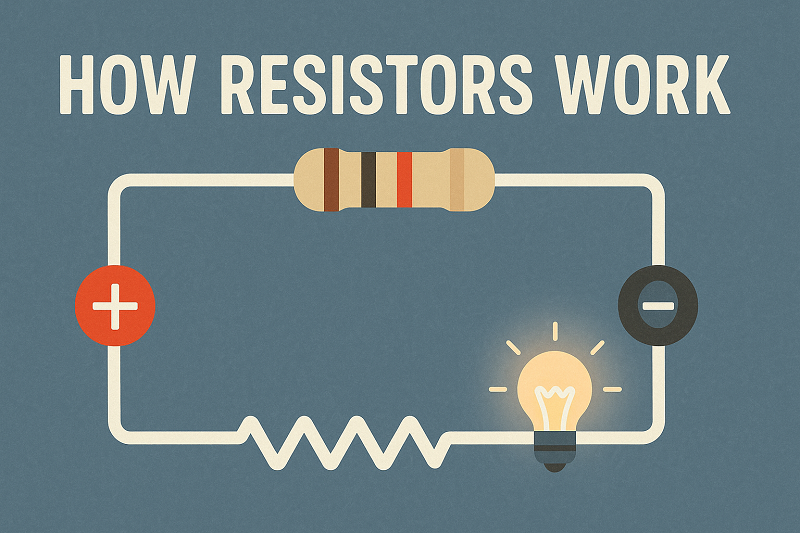
How Resistors Work: From Basic Principles to Advanced Applications2025-07-30
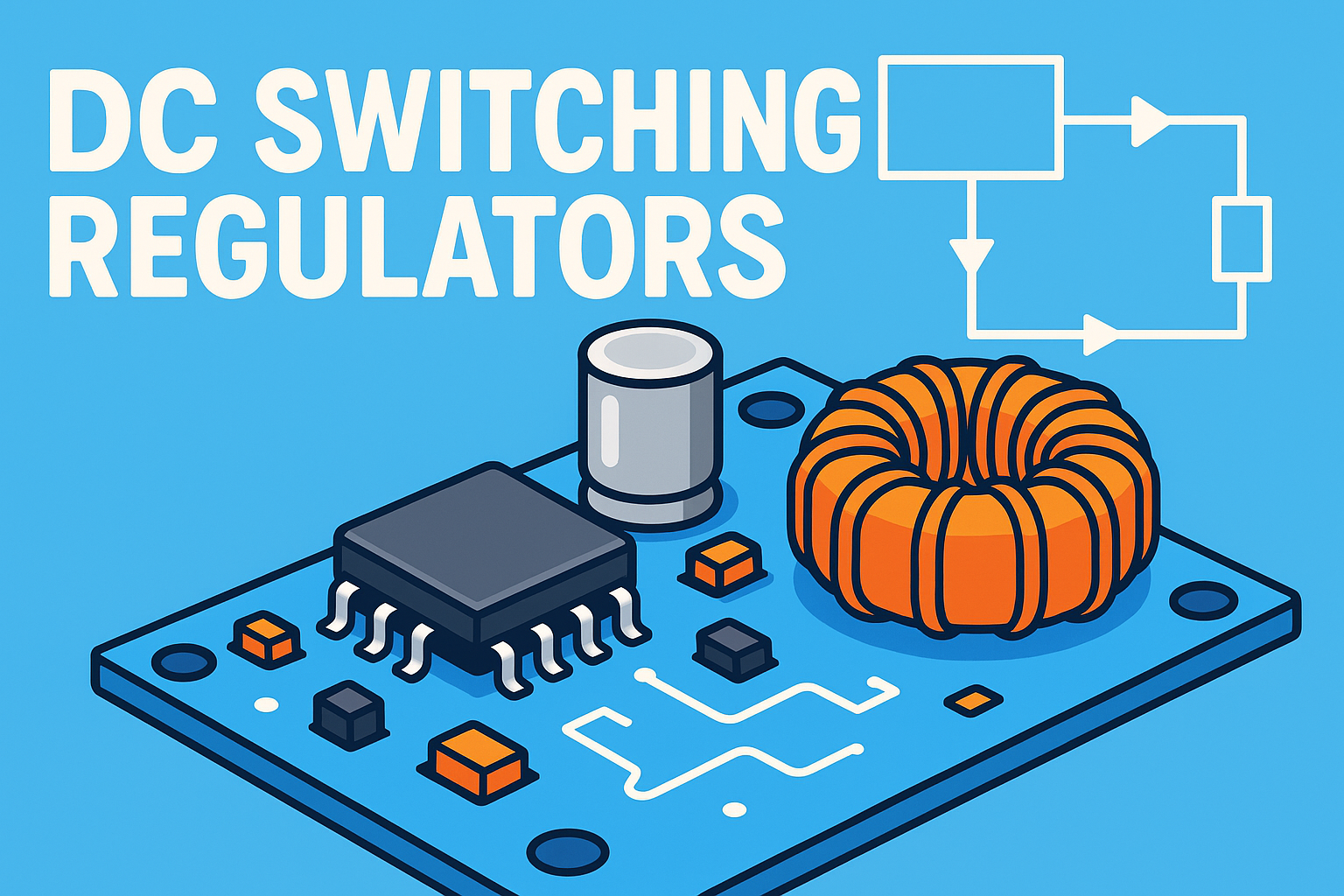
DC Switching Regulators: Principles, Selection, and Applications2025-05-30
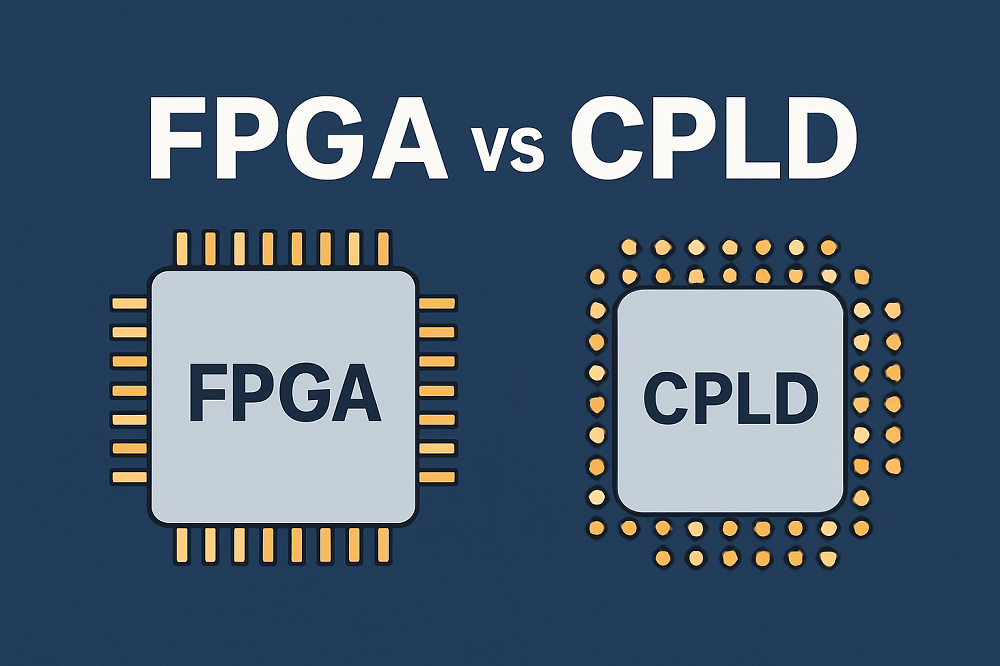
FPGA vs CPLD: In-depth Analysis of Architecture, Performance and Application2025-05-07
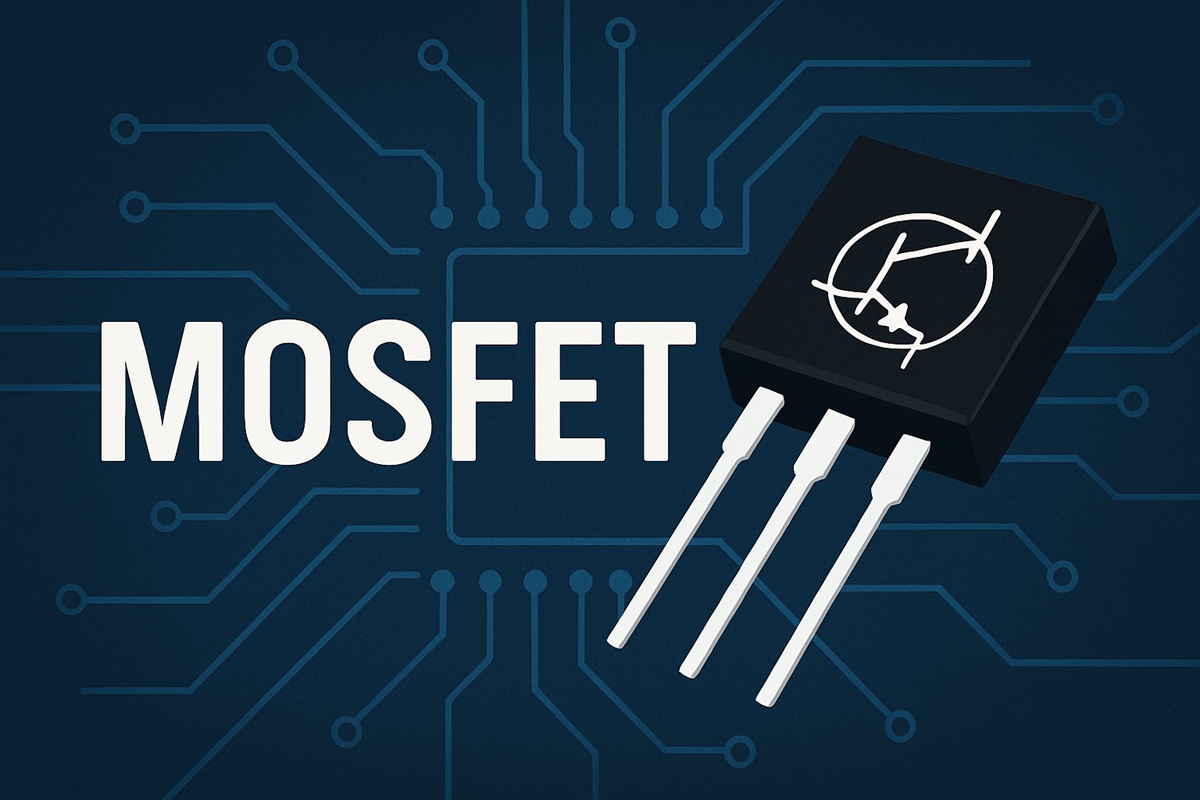
MOSFET Technology: Essential Guide to Working Principles & Applications2025-05-04
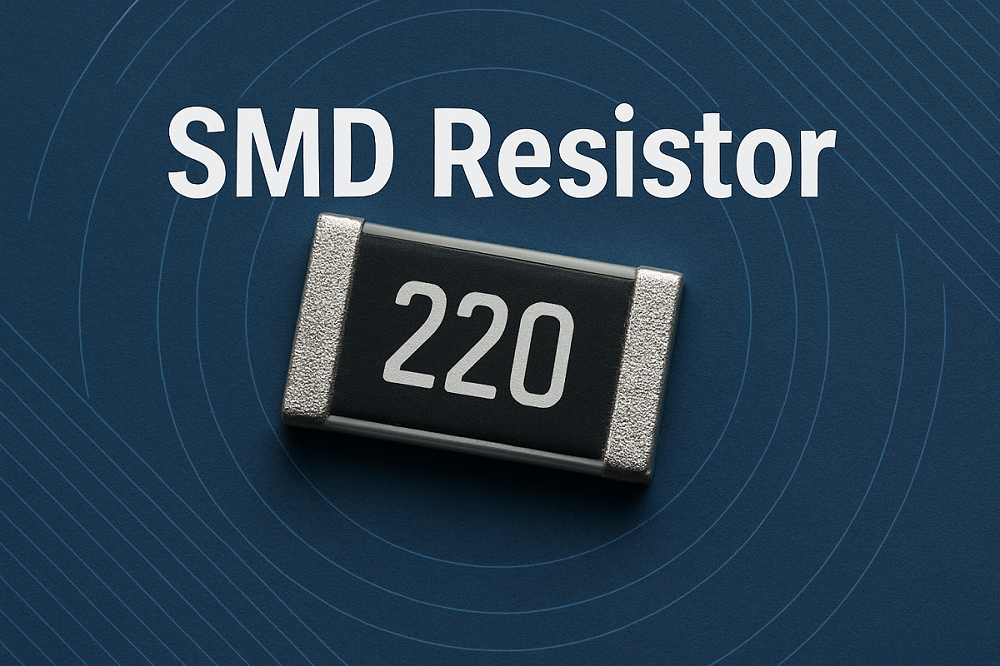
SMD Resistor: Types, Applications, and Selection Guide2025-04-30