info@kynix.com
 00852-6915 1330


 0
0


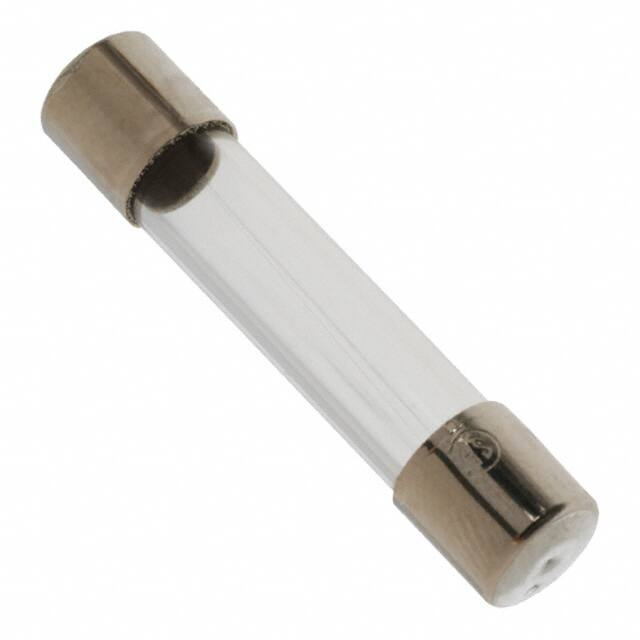
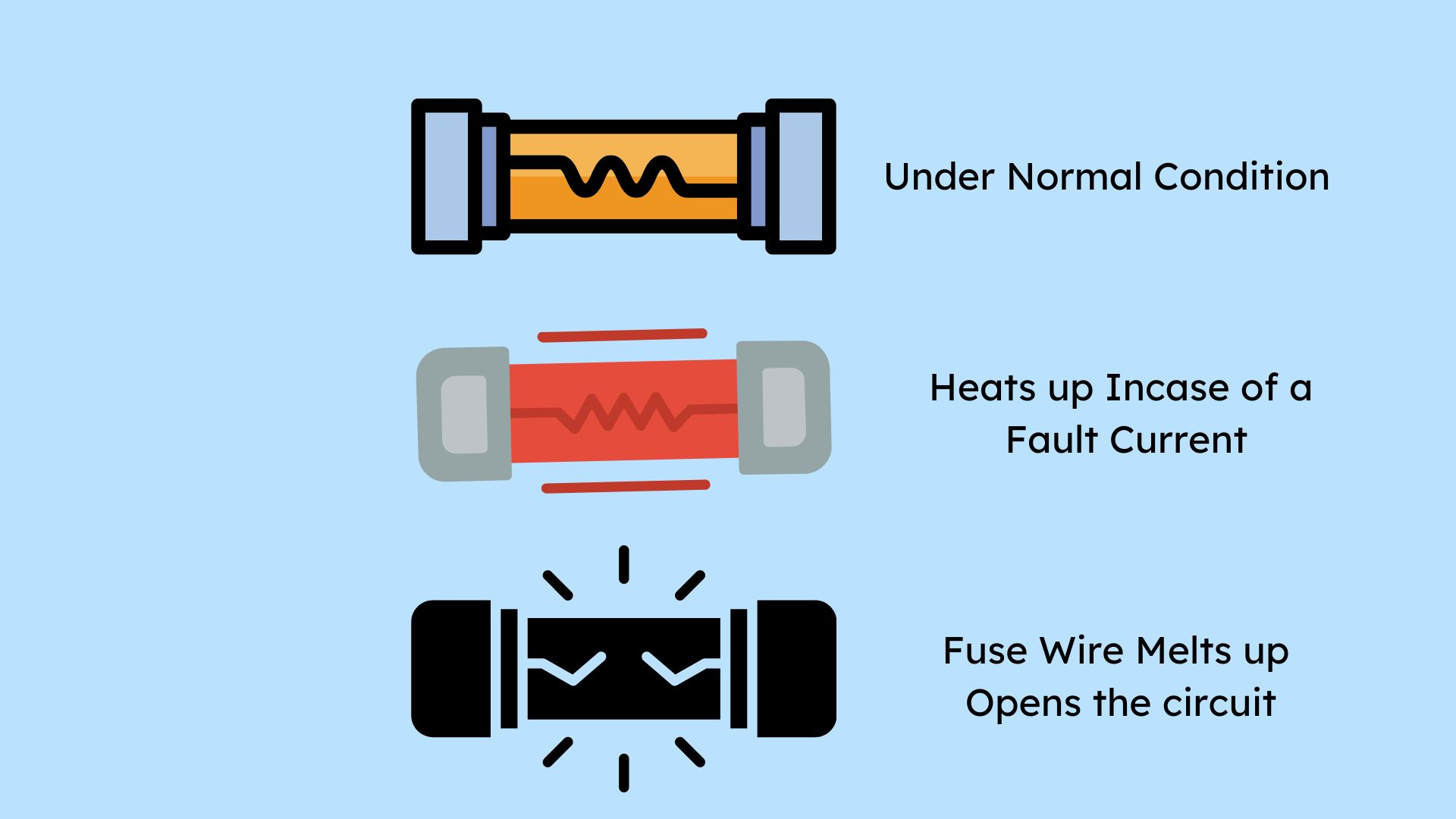


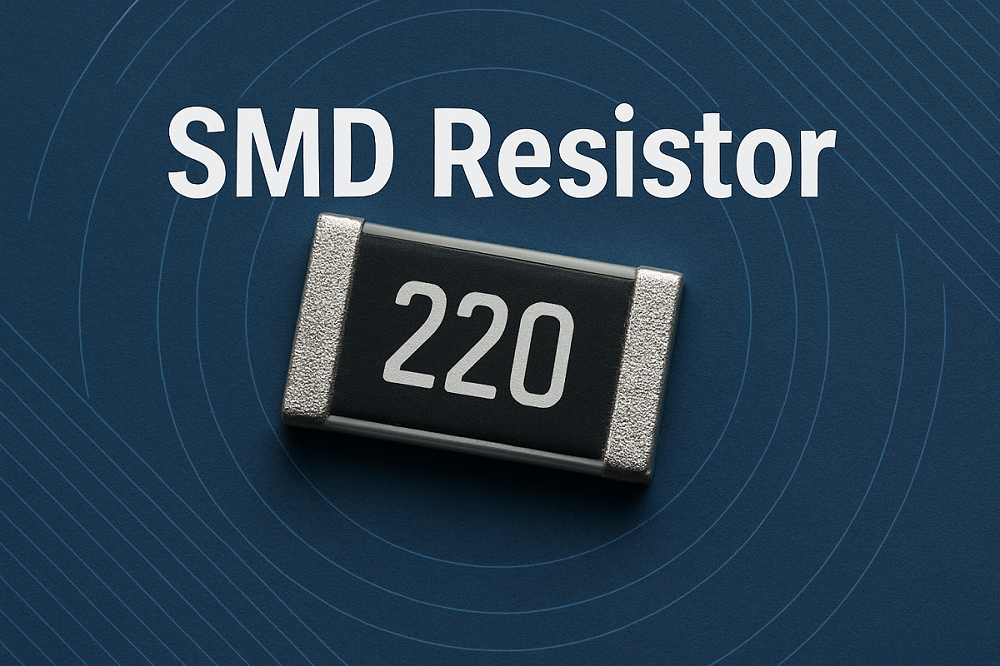
Thermal fuses in 2025 reveal remarkable innovation, especially as micro chip fuse technology sets new standards for safety and reliability. Manufacturers now see micro chip fuse adoption as essential, with the market expanding due to advanced thermal fuses that support high-density electronics and predictive maintenance. The following table highlights key market trends:AspectData / StatisticMarket Valuation (2024)USD 182 millionProjected Market Valuation (2032)USD 276 millionCAGR (2025-2032)5.30%Automotive Segment CAGR6.8%IoT Connected Devices (2025)40 billionMicro chip fuse integration in thermal fuses drives market growth and supports rapid trends in automotive and home appliance sectors. Safety improvements stem from predictive maintenance, where micro chip fuse sensors detect faults early. Companies see market growth as a response to both regulatory pressure and the need for reliable protection. These changes help shape the future of micro chip fuse technology across global markets.Thermal Fuses: 2025 InnovationsMiniaturization TrendsMicro chip fuse technology has transformed the miniaturization of thermal fuses in 2025. Engineers now design ultra-compact 0201-size fuse resistors, measuring only 0.6mm by 0.3mm, for use in implantable medical devices and wearables. This key development allows manufacturers to reduce the size of thermal fuse components for space-constrained applications. Laser-trimmed fusible elements, with 50μm accuracy, enable precise fault protection without increasing resistance.Measurable AdvanceDescriptionImpact on Miniaturization in Thermal Fuse Systems (2025)Ultra-compact 0201-size fuse resistors0.6mm × 0.3mm for medical and wearable devicesEnables significant size reduction in thermal fuse componentsLaser-trimmed fusible elements50μm accuracyCalibrated fusing characteristics and precise protectionPCB footprint reduction with 0402-size fuse resistors1.0mm × 0.5mm, up to 70% PCB area reductionSupports higher density circuit designsHigher current ratings in smaller form factors5A hold current in ultra-compact sizesMeets automotive and electronics safety requirementsAdvanced material technologiesRuthenium oxide-based thick-film layers, ceramic alumina substratesImproves thermal stability and supports miniaturizationIndustry standards and complianceAEC-Q200, RoHS, halogen-free substratesEnsures durability and regulatory complianceMicro chip fuse integration with surface-mount technology and surface-mount designs supports higher density circuit layouts. This trend enables manufacturers to meet the demands of modern electronics, where every millimeter counts. Resettable fuse options in micro chip fuse formats further reduce maintenance needs and downtime, especially in high-performance sectors.Advanced MaterialsKey developments in advanced materials have improved the safety and reliability of thermal fuses. Manufacturers use insulating materials and thermal expansion joints to maintain performance under extreme temperatures. Sealed enclosures and anti-corrosive coatings protect against humidity-induced corrosion and electrical tracking. High dielectric strength materials prevent arcing at high altitudes, while pollution-resistant designs maintain insulation integrity in harsh environments.Engineers now rely on advanced materials with high electrical resistivity, thermal conductivity, and specific heat. These properties, combined with optimized geometric design, allow for accurate modeling of transient thermal behavior and thermal impedance. This approach reduces the need for physical prototyping and speeds up the development of new micro chip fuse products.Glow-Wire, Needle-Flame, and Hot-Wire Ignition tests confirm the flame retardant properties of these materials. These tests measure ignition temperature, burning time, self-extinguishing ability, and resistance to dripping, ensuring that thermal fuses meet strict safety standards.Resettable fuse technology benefits from these material advancements, as improved heat dissipation and arc-quenching powders like silica sand enable rapid and reliable operation. This innovation supports the growing demand for resettable micro chip fuse solutions in power semiconductors and high-density electronics.Smart Fuse TechnologySmart fuses represent a major technological advancement in 2025. Micro chip fuse technology now includes real-time monitoring and IoT connectivity, allowing for predictive maintenance and early fault detection. These features support digitalisation in manufacturing and enable integration with smart safety systems.Metric/AspectData/InsightMarket Size 2023USD 1.5 billionProjected Market Size 2033Approximately USD 2.5 billionCAGR (2024-2033)5%Key Growth DriversElectrical safety awareness, regulations, smart home tech, EV adoptionAutomotive Segment ImportanceSignificant, driven by EVs requiring reliable thermal protectionTechnological AdvancementsEfficient, reliable thermal fuses; miniaturization; integration with smart techSmart fuses, especially resettable fuse designs, detect anomalies and prevent hazards in real time. Micro chip fuse integration with IoT platforms allows manufacturers to monitor device health remotely and schedule maintenance before failures occur. This key development enhances safety and reduces operational costs across industries, including automotive, consumer electronics, and industrial automation.Pyro Fuse DevelopmentsPyro fuse technology has seen rapid innovation, especially for electric vehicles. Companies like Eaton have introduced dual-trigger pyro fuses that combine thermal and electrical triggers for enhanced safety. These micro chip fuse-based pyro fuses offer resettable protection and real-time diagnostics, making them ideal for EV battery systems.AspectDetailsSmart Technology IntegrationPyro fuses with real-time diagnostics and connectivity for enhanced EV safetyApplication FocusElectric vehicles, connected and autonomous vehiclesRegional Market DominanceAsia-Pacific with 37.4% market share, valued at USD 277.8 millionRegulatory SupportEU vehicle electronics and safety frameworks encouraging advanced safety tech adoptionResettable fuse technology in pyro fuses ensures that EVs can recover quickly from transient faults without manual intervention. Micro chip fuse advancements in this area support higher current ratings and faster response times, meeting the stringent requirements of modern automotive applications. Surface-mount technology enables compact, robust designs that fit seamlessly into high-density EV battery packs.Key developments in pyro fuse technology, combined with resettable micro chip fuse integration, drive the adoption of advanced safety systems in electric vehicles and other high-risk sectors.Safety and ReliabilityCompliance StandardsManufacturers design micro chip fuse products to meet strict international safety standards. These include IEC 61508 for functional safety, UL 508 for industrial control systems, and IEC 60950 and IEC 62368 for IT and audio-visual equipment. Compliance requires careful component selection, ensuring each micro chip fuse has the correct voltage, current, and temperature ratings. Engineers use thermal management techniques such as heat sinks and thermal pads to prevent overheating. Electrical isolation and grounding, following IEC 60601 and IEC 60950, protect both users and equipment. Overcurrent and overvoltage protection, using micro chip fuse technology, circuit breakers, and TVS diodes, help prevent catastrophic failures. Safety testing and certification, including dielectric strength and EMC testing, confirm that micro chip fuse systems meet UL and CE requirements. SCHOTT’s SEFUSE? thermal links, for example, interrupt circuits during overheating and comply with WEEE and RoHS regulations, supporting a wide range of applications from home appliances to automotive electronics.Tip: Always check for UL or CE markings on micro chip fuse components to ensure compliance with global safety standards.Enhanced Response TimesMicro chip fuse technology now delivers faster response times than ever before. Engineers optimize fusible elements and use advanced materials to ensure each micro chip fuse reacts quickly to abnormal heat or current. This rapid action limits damage to sensitive electronics and reduces the risk of fire. In automotive and industrial settings, micro chip fuse systems detect faults in milliseconds, providing immediate circuit interruption. Resettable micro chip fuse designs further improve safety by restoring protection automatically after a fault clears. This feature reduces downtime and maintenance costs, especially in high-reliability environments.Reliability ImprovementsReliability remains a top priority for micro chip fuse manufacturers. They use advanced materials and robust designs to ensure each micro chip fuse performs consistently under stress. Engineers test micro chip fuse products for durability, thermal cycling, and electrical endurance. Resettable micro chip fuse options add another layer of reliability, allowing circuits to recover from temporary faults without manual replacement. In critical applications, such as medical devices and electric vehicles, micro chip fuse systems provide dependable protection, supporting both safety and long-term performance. As a result, thermal fuses continue to earn trust in demanding industries.Reliability FeatureBenefitAdvanced materialsImproved durability and thermal stabilityResettable fuse technologyReduced maintenance and downtimeRigorous safety testingConsistent performance in all conditionsPerformance in Modern ApplicationsHigh-Density ElectronicsMicro chip fuse solutions play a vital role in high-density electronics. Engineers select these components for their ability to maintain electrical and mechanical integrity under thermal stress. Each micro chip fuse features rated operation temperature, measured operation temperature, holding temperature, and maximum limit temperature. These parameters ensure that the micro chip fuse can operate for 168 hours without degrading and withstand high temperatures for short periods. This reliability is essential in compact devices where space is limited.Self-switchable and reusable composite micro chip fuse designs now offer high electrical conductivity, reaching 72 S·m?1.These fuses maintain strong performance even after 100 high-current impacts.Autonomous conductivity control, enabled by phase transitions of paraffin wax, allows the micro chip fuse to respond quickly within the 60–80 °C range.Manufacturers use recyclable materials like high-density polyethylene and expanded graphite, making micro chip fuse products both durable and sustainable.Such advancements in micro chip fuse technology support the growing demand for high-performance fuses in smartphones, tablets, and other compact electronics.Automotive and EVsAutomotive and electric vehicle manufacturers rely on micro chip fuse technology to meet strict safety and performance standards. Companies like Littelfuse and Mersen have introduced micro chip fuse products with improved thermal management. These fuses handle higher voltages and currents, which are common in modern EV architectures.Miniaturization trends allow micro chip fuse components to fit into tight spaces without losing thermal performance.Smart micro chip fuse technology provides real-time diagnostics, supporting proactive maintenance and reducing failures.Advanced materials improve thermal stability, ensuring that micro chip fuse systems protect sensitive EV circuits.Stringent regulations and the need for reliable protection drive the adoption of micro chip fuse technology in the automotive sector.Medical and Industrial UsesMicro chip fuse technology supports critical applications in medical and industrial equipment. In home oxygen therapy devices, micro chip fuse components provide fast and reliable protection, preventing overheating and ensuring patient safety. Many micro chip fuse products meet FDA approval, which confirms their suitability for life-supporting devices.Industrial equipment also benefits from micro chip fuse integration. These fuses protect machinery from thermal overloads, reducing downtime and maintenance costs. Engineers trust micro chip fuse solutions for their quick response and long-term reliability.Note: Always verify that micro chip fuse components in medical devices carry FDA approval for added assurance.Thermal Fuse Market TrendsMarket Growth OverviewThe thermal fuse market continues to expand as new applications emerge in electronics, automotive, and industrial sectors. Recent data shows steady market growth, with the market size reaching USD 6.10 billion in 2024 and a forecast of USD 7.96 billion by 2033. The compound annual growth rate (CAGR) stands at 3.0% for the 2025-2033 period. The Asia-Pacific region holds the largest market share and size, driven by rapid industrialization and strong demand for consumer products. Europe and Latin America also show fast growth, while North America and Europe lead in technical innovation. Countries like India and China experience high growth rates, attracting growing investments and investment inflows.YearMarket Size (USD Billion)CAGR (%)20246.10N/A20256.28N/A20337.963.0The organic thermal fuse market follows similar trends, with a strong forecast for increased adoption in sustainable products. Companies see new investment opportunities as demand rises for micro chip fuse solutions in high-density electronics and green technologies.Drivers and ChallengesSeveral factors drive the thermal fuse market. Manufacturers respond to increasing appliance production and strict safety regulations. Rising disposable incomes in developing economies boost sales of household appliances. The market also benefits from technological advancements, such as miniaturization and smart micro chip fuse designs. The organic thermal fuse market grows as more companies seek eco-friendly solutions.Key drivers include:Higher integration of micro chip fuse products in consumer electronicsGovernment regulations for electrical safety and energy efficiencyTechnological progress in durable and efficient fusesExpanding demand in automotive, industrial, and consumer sectorsHowever, the market faces challenges:Fluctuating raw material prices, especially for copper and nickelCompetition from alternative technologies like circuit breakersHigh production costs for advanced micro chip fuse productsSupply chain constraints and complex international standardsThe organic thermal fuse market also encounters challenges in scaling production and meeting diverse regulatory requirements.Regulatory ImpactRegulatory changes shape the thermal fuse market and the organic thermal fuse market. Governments and industry bodies enforce strict safety standards, such as those from the International Electrotechnical Commission (IEC). These rules require manufacturers to include thermal protection in many products. Compliance can increase costs and affect profitability, but it also drives innovation and market growth. North America leads in introducing new technology, while Europe focuses on green initiatives, reflecting regional regulatory priorities. Economic and regulatory factors together influence market trends, investment, and the forecast for both the thermal fuse market and the organic thermal fuse market.Note: Companies that adapt quickly to regulatory changes often gain a competitive edge and secure greater market share and size.Organic Thermal Fuse MarketImage Source: pexelsGrowth ProjectionsThe organic thermal fuse market shows strong momentum as digitalization and sustainability initiatives reshape the industry. The market is forecast to grow from USD 250 million in 2024 to USD 450 million by 2033. This represents a compound annual growth rate of 7.5% between 2026 and 2033. The forecast highlights how the thermal fuse market responds to evolving consumer preferences and new technology. Companies see increased investments and innovation-driven development as key factors for market growth. The organic thermal fuse market benefits from broad applicability in electronics, automotive, and industrial sectors. Demand for micro chip fuse solutions continues to rise as manufacturers seek reliable and eco-friendly protection. The market also expands in developing regions like Asia and the Middle East, where adoption of AI and smart technologies accelerates. Policy incentives and financial support further strengthen the forecast for the organic thermal fuse market.The organic thermal fuse market stands out for its rapid expansion and adaptability to global trends.Sustainability FocusSustainability drives the organic thermal fuse market as companies prioritize clean energy and waste reduction. Manufacturers design micro chip fuse products using recyclable materials and eco-friendly processes. The thermal fuse market now emphasizes low environmental impact, supporting green technology and energy-efficient devices. Many companies in the organic thermal fuse market adopt circular economy principles, reusing materials and reducing landfill waste. The market also benefits from regulatory support for sustainable products, which encourages innovation in micro chip fuse technology. Consumers and businesses prefer products that align with environmental goals, making sustainability a core value in the organic thermal fuse market. As the market grows, companies continue to invest in research and development to improve the performance and recyclability of micro chip fuse solutions.Companies in the organic thermal fuse market often highlight their commitment to sustainability in product labeling and marketing.The thermal fuse market sees increased collaboration between manufacturers, governments, and environmental organizations to set new standards for eco-friendly products.Future OutlookOngoing ChallengesThe thermal fuse market faces several ongoing challenges as it moves forward. High material costs continue to impact the organic thermal fuse market, especially when manufacturers use advanced materials for micro chip fuse production. Many companies struggle with sensitivity to temperature fluctuations, which can affect the reliability of micro chip fuse products. Regulatory hurdles remain a concern for the thermal fuse market, as new safety standards require constant updates to product designs. Competition from alternative technologies, such as solid-state devices, puts pressure on the organic thermal fuse market to innovate quickly.The Asia Pacific region expects a 7.0% CAGR, showing strong market growth despite these obstacles.Demand from consumer electronics and automotive sectors, especially electric vehicles, drives the need for efficient and compact micro chip fuse solutions.Technological advancements like MEMS support miniaturization, helping the organic thermal fuse market fit smaller devices without losing safety.The rise of smart technologies and IoT-enabled devices pushes the thermal fuse market toward intelligent micro chip fuse products with real-time monitoring.The coexistence of online and offline distribution channels, shaped by the COVID-19 pandemic, changes how the organic thermal fuse market reaches customers.Fierce competition leads to continuous R&D investment, improving reliability and safety in the thermal fuse market.Next-Gen DevelopmentsNext-generation developments in the thermal fuse market focus on performance, safety, and sustainability. The organic thermal fuse market benefits from new manufacturing and packaging techniques, such as 3D integration and advanced thermal management. These methods help micro chip fuse products become more compact and energy-efficient. Fast response times and high voltage handling are now standard in the organic thermal fuse market, especially for electric vehicles and hybrids.Compactness and weight reduction improve vehicle performance and fuel efficiency.Enhanced reliability under severe conditions ensures safety and durability in the organic thermal fuse market.Smart fuse features, including real-time diagnostics, support predictive maintenance and reduce downtime.Advances in solid-state fuse technology replace traditional mechanical fuses, offering better precision and faster response.Collaboration between automakers and fuse manufacturers leads to customized micro chip fuse designs for specific vehicle needs.The growing complexity of automotive electrical systems increases demand for high-performance micro chip fuse solutions in the thermal fuse market.The organic thermal fuse market also evolves to meet strict fire safety and environmental standards, using sustainable materials.The future trends in the thermal fuse market and organic thermal fuse market point to smarter, safer, and more sustainable micro chip fuse solutions. Companies that invest in innovation will shape the next era of electrical protection.Thermal fuse innovations, especially in micro chip fuse technology, have transformed safety and performance across industries. The market for thermal cutoff fuses reached USD 1.5 billion in 2022 and is projected to hit USD 2.3 billion by 2030, showing strong growth. Micro chip fuse solutions now deliver faster response, higher reliability, and better integration in modern devices. The market benefits from stricter regulations and rising demand in automotive, industrial, and consumer sectors. Manufacturers, engineers, and end-users can:Choose micro chip fuse products for advanced protection.Monitor market trends to stay competitive.Adapt to new standards for better safety.Staying informed about market changes and micro chip fuse advancements ensures safer, more reliable products.FAQWhat is a micro chip fuse?A micro chip fuse is a very small electrical safety device. It protects circuits by breaking the connection when too much heat or current flows. Engineers use these fuses in compact electronics, medical devices, and electric vehicles.How do smart thermal fuses improve safety?Smart thermal fuses use sensors and real-time monitoring. They detect problems early and send alerts. This technology helps prevent fires and equipment damage. Manufacturers rely on smart fuses for safer, more reliable products.Where are organic thermal fuses used?Organic thermal fuses appear in eco-friendly electronics, automotive systems, and industrial machines. Companies choose them for their recyclable materials and low environmental impact. These fuses support sustainability goals in many industries.Why do electric vehicles need advanced thermal fuses?Electric vehicles use high-power batteries. Advanced thermal fuses protect these batteries from overheating and short circuits. They respond quickly to faults, keeping drivers and passengers safe.What standards must thermal fuses meet?Most thermal fuses must meet international safety standards like IEC 61508, UL 508, and RoHS. These rules ensure the fuses work safely in different products and environments.
On 2025-07-04