The Kynix Blog - Power
Stay Ahead with Expert Electronics Insights,
Industry Trends, and Innovative Tips
- Electronic Components
- News Room
- General electronic semiconductor
- Components Guide
- Sort by
- Robots
- Transmitters
- Capacitors
- IC Chips
- PCBs
- Connectors
- Amplifiers
- Memory
- LED
- Diodes
- Transistors
- Battery
- Oscillators
- Resistors
- Transceiver
- RFID
- FPGA
- Mosfets
- Sensor
- Motors, Solenoids, Driver Boards/Modules
- Relays
- Optoelectronics
- Power
- Transformer
- Fuse
- Thyristor
- potentiometer
- Development Boards
- RF/IF
- Semiconductor Information
- PCB
- transistor
SummaryIncreasing demand for energy and power encourages companies operating in energy and power industry to adopt solutions that can help them enhance production output with minimum errors and reduced down-time on a global scale. The products are offered specifically for the energy sector to enhance operations in the energy data management area. Industry 4.0 solutions help power plant owners, operators, and Original Equipment Manufacturers (OEMs) in the power industry make improved business decisions based on performance and operational readiness of their plant equipment.According to the MarketsandMarkets forecast, the Industry 4.0 market in energy and power was valued at $1.30m in 2016 and is expected to reach $3.22bn by 2022, at a CAGR of 16.33% between 2017 and 2022. IoT and Power IndustryIndustry 4.0 is being led by IoT and it plays an important role in condition monitoring and predictive and proscriptive maintenance of assets.Plant operators need to monitor and control the plant more efficiently, and for doing so, the adoption of advanced technologies such as HMI is increasing significantly in the energy and power industry. IoT provides flexibility to accommodate new energy sources, better management of assets and operations, greater reliability and enhanced security. Big Data to Transform Power IndustryThe energy and power industry has recognised the benefits of big data as it plays a vital role in solving business problems in utility companies.In this vertical, the big data solutions are gaining traction in various processes such as seismic data analysis, smart grid analytics, and data analysis related to production, testing, logging, and many other operations. Each year, smart grids and smart meters generate hundreds of terabytes of data, which include unstructured and semi-structured data. Companies in the energy and power industry have analysed this huge amount of data to get real time access to the situation. Being largely customer-centric, the energy companies are also making a shift toward providing more personalised products and services to their customers. Big data plays an important role in providing trends and patterns by analysing the data, which in turn are useful for product and service upgradation and enhancement. Real Time Monitoring in Battery ManagementReal-time monitoring is a technique that allows you to determine the current state of queues and channels within a queue manager. The information returned is accurate at the moment the command was issued.It can provide frequent information on batteries which can help protect the batteries.Real time monitoring in battery management can help replace manual checks by information available at monitoring systems. Sensor modules collect the voltage and temperature data from the batteries and data is transferred in real time can help supervisors identify issues if any and which will lead to operational efficiency. Predictive MaintenancePredictive maintenance (PdM) techniques are designed to help determine the condition of in-service equipment in order to predict when maintenance should be performed. This approach promises cost savings over routine or time-based preventive maintenance, because tasks are performed only when warranted.It helps in lowering operating and capital costs by facilitating proactive servicing and repair of assets while allowing more efficient use of maintenance personnel and replacement components.It enables companies to accurately diagnose and prevent failures in real time, which is vital in critical infrastructure applications. Battery failures can prove to be highly expensive in terms of repair costs, in addition to the delay in transporting goods from the resulting downtime. Predictive battery analytics can also help predict battery failures which allows the supervisors to reduce reliability risk and improve uptime.The need for longer battery life, reduced energy consumption, and lower costs will lead companies to provide intelligent solutions. Cognitive Power Electronics SystemsPower electronics systems equipped with intelligence unit can monitor data from sensors and the data can be used to detect faults in the electronic system for real time optimisation of an application.A power converter with monitoring capabilities would be able to detect impedance changes of a battery,enter into a safe state and send information to external systems for further evaluation. Article from MarketsandMarkets Research Private Ltd.Edit by Kynix
kynix On 2017-11-16
(A test sample comprised of a thermal chip, a heat spreader and a microcooler demonstrates the efficiency of diamond for removing heat from hotspots in semiconductor electronics.) Powerful electronic components can get very hot. When many components are combined into a single semiconductor chip, heating can become a real problem. An overheating electronic component wastes energy and is at risk of behaving unpredictably or failing altogether. Consequently, thermal management is a vital design consideration. This becomes particularly important in devices made from gallium nitride. "Gallium nitride is capable of handling high voltages, and can enable higher power capability and very large bandwidth," says Yong Han from the A*STAR Institute of Microelectronics. "But in a gallium nitride transistor chip, the heat concentrates on tiny areas, forming several hotspots." This exacerbates the heating problem. Han and co-workers demonstrate both experimentally and numerically that a layer of diamond can spread heat and improve the thermal performance of gallium nitride devices. The researchers created a thermal test chip that contained eight tiny hotspots, each 0.45 by 0.3 millimeters in size, to generate the heat created in actual devices. They bonded this chip to a layer of high quality diamond fabricated using a technique called chemical vapor deposition. The diamond heat spreader and test chip were connected using a thermal compression bonding process. This was then connected to a microcooler, a device consisting of a series of micrometer-wide channels and a micro-jet impingement array. Water impinges on the heat source wall, and then passes through the micro-channels to remove the heat and keep the structure cool. Han and the team tried their device by generating 10–120 Watts of heating power in test chips of 100 and 200-micrometer thickness. To dissipate the heating power, the diamond heat spreading layer and microcooler helped maintain the structure at a temperature below 160 degrees Celsius. In fact, the maximum chip temperature was 27.3 per cent lower than another device using copper as the heat spreading layer, and over 40 per cent lower than in a device with no spreading layer. The experimental results were further confirmed by thermal simulations. The simulations also indicated that the performance could be improved further by increasing the thickness of the diamond layer, and that good bonding quality between the gallium nitride chip and the diamond heat spreader was crucial to obtain the best performance. "We next hope to develop a novel micro-fluid cooler of higher and more uniform cooling capability, and to achieve thermal management using a diamond layer of high thermal conductivity near an electronic gate," says Han. Ref.KY56-MJL4302AKY56-PZTA06KY56-FZT958TA
kynix On 2017-09-11
Bigger is always better, isn’t it? That’s not necessarily the case when it comes to specifying an AC/DC power supply. One of the most important aspects of designing a power supply into a system is ensuring that it is sized appropriately. Erring on the side of caution by trying to ensure that the supply’s maximum output exceeds that of the load is no longer the right answer in many cases. Customers increasingly need to focus on energy efficiency. The trend is partly driven by the need to cut operating costs and partly by legislation such as the European Union’s EcoDesign Directive.Under the directive, manufacturers of energy related products need to be able to demonstrate they have taken environmental factors into account. The efficiency of the power delivery sub-system is one of the key factors. It will play a large part in determining how energy will be lost through heat. As a result, choosing a high efficiency PSU (Power Supply Unit) is an important consideration in the design process.A 200W PSU operating at full load with an efficiency of 85% will lose 30W in waste heat. Not only is that heat wasted, there may be an additional energy cost in forced air cooling to prevent the rest of the system overheating. A PSU that is 90% efficient will cut the power wastage by 10W.If that PSU is operated below full capacity, it will run at a lower temperature. That allows usage in higher ambient temperatures or with less forced air cooling. However, there can be a trade off between efficiency and headroom. Many PSUs are designed to provide peak efficiency when they are driving a load close to full capacity. But this efficiency can roll off dramatically beneath 70 or 80% of full load. Using a power supply that is oversized for a particular application may result in an undesirable loss in efficiency and excessive heat production.A potential problem for system designers is that the focus on energy efficiency in electronics has led to the adoption of power saving modes. The resulting load demands can vary widely during operation. Responding to this trend, PSU designers working in the data centre space have embraced initiatives such as 80 PLUS.Launched in the mid 2000s at a Market Transformation Symposium organised by the American Council for an Energy-Efficient Economy, the 80 PLUS idea was quickly adopted as the basis for PSU efficiency marking by the US Energy Star programme. Supported worldwide, the idea behind 80 PLUS was to make PSUs deliver high efficiency over a larger proportion of the load curve. Recognising that many data centre system PSUs are operated using 1+1 redundancy and current sharing, the maximum efficiency point was centred on 50% capacity.Ratings range from Bronze to Titanium. At 50% load, Bronze offers an efficiency of 85%. Titanium pushes the peak efficiency to 96%, rolling off towards 94% when operating at 20% load and 91% at full load. Bel and GE provide wide ranges of PSUs that are graded according to the 80 PLUS standards.An alternative way to approach the issue of variable loads is to use the idea of boost power. This concept is gaining popularity in industrial designs where engineers have to deal with highly capacitive and inductive loads such as motors. As these systems shift between modes, there may be short term peak loads that go some way above normal operation. Motor start up also needs careful handling to deal with high current inrush conditions.Built for the DIN-rail format commonly used in industrial systems, the Cliq-II and Cliq-M series of DIN-rail supplies from Delta offer an ‘Advanced Power Boost’ of 120% for three seconds or 150% for five seconds, respectively. Alternatively, if a PSU has been derated to operate at a lower output level so that it does not need forced air cooling, it can be ramped up to peak load for short periods of time without necessarily demanding additional cooling. However, this usage of a PSU does call for attention to the thermal conditions to ensure that the short term peaks in heating are dissipated.To deal with situations such as high current inrush, PSUs such as the Artesyn LCM600 offer constant current modes that limit how much power is delivered to the load during the kinds of demand surges seen during motor startup. As one of a growing number of PSUs that employ digital control, the LCM600’s firmware can be programmed to support a number of different protection strategies so that the integrator can pick the mode best suited to the application.Reference:C300HC650HXBA-01
kynix On 2017-01-13
Join our mailing list!
Be the first to know about new products, special offers, and more.
Feature Posts
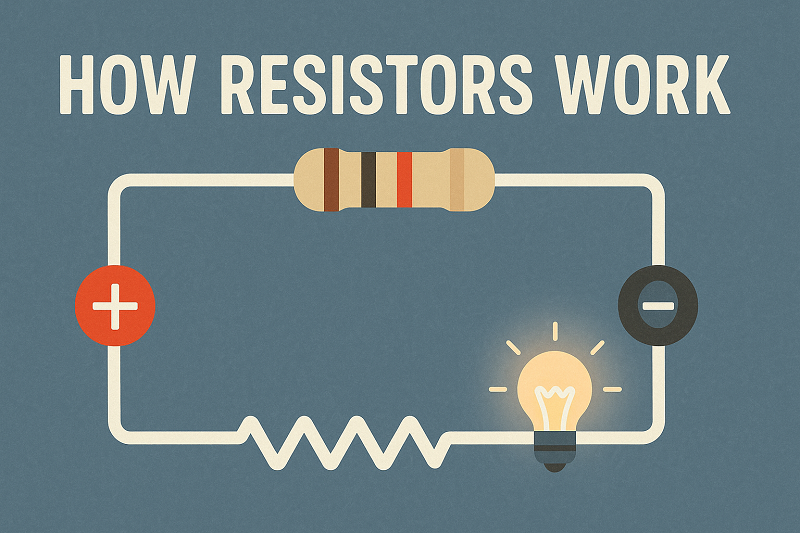
How Resistors Work: From Basic Principles to Advanced Applications2025-07-30
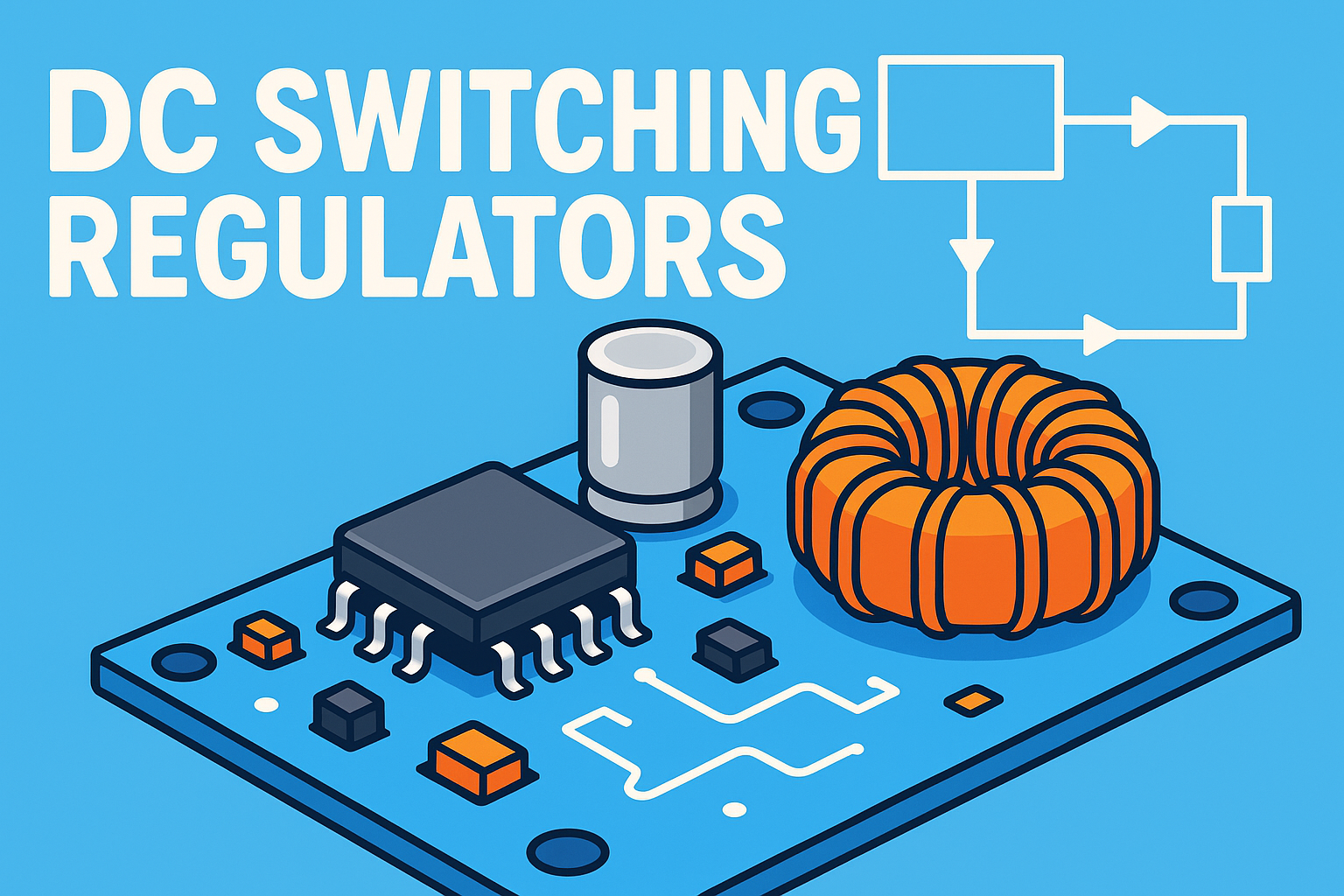
DC Switching Regulators: Principles, Selection, and Applications2025-05-30
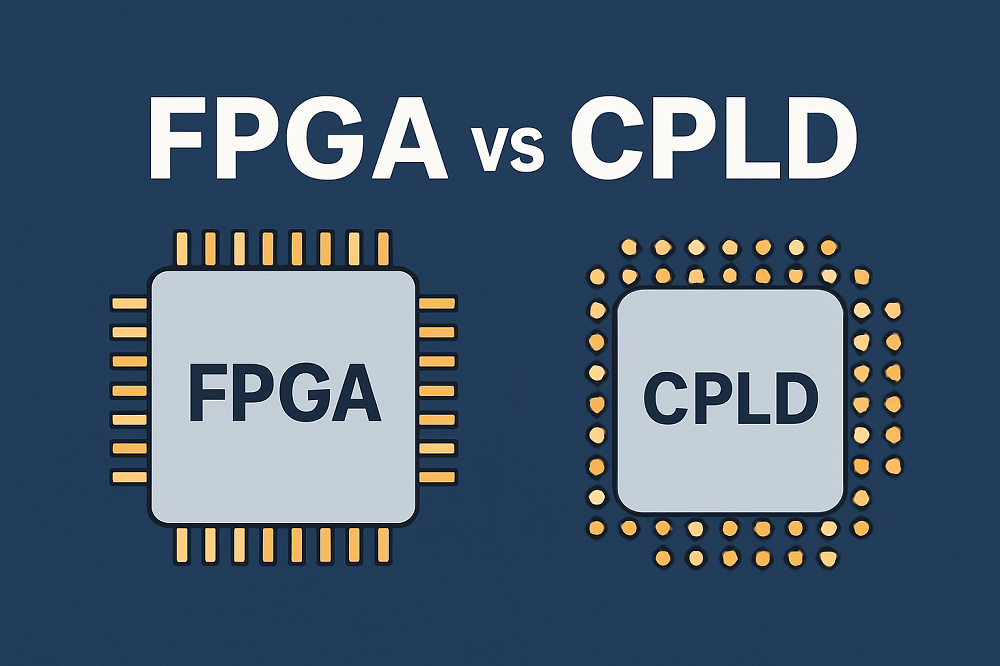
FPGA vs CPLD: In-depth Analysis of Architecture, Performance and Application2025-05-07
MOSFET Technology: Essential Guide to Working Principles & Applications2025-05-04
SMD Resistor: Types, Applications, and Selection Guide2025-04-30