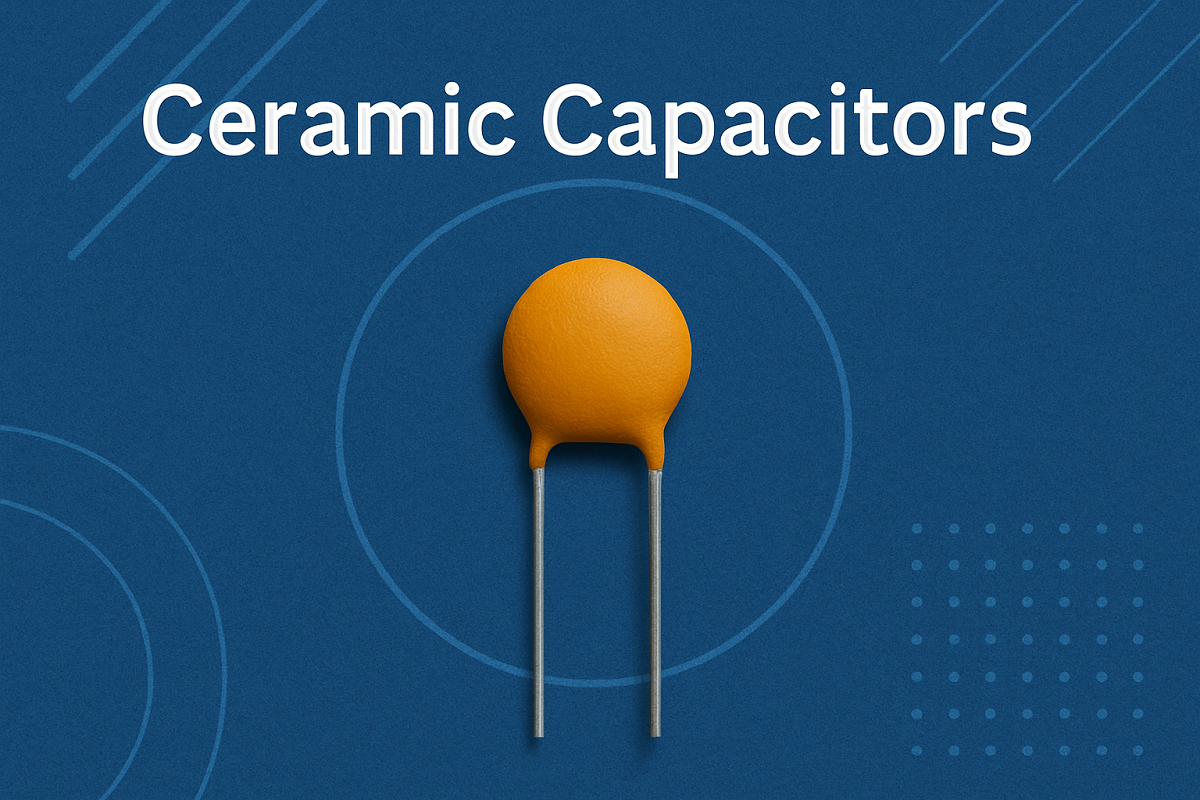
The STM32F030C8 microcontroller offers a powerful yet cost-effective solution for embedded systems. It features the Arm? Cortex?-M0 core, which operates at 48 MHz, delivering reliable performance for a wide range of applications. You can benefit from its integrated memory, including up to 256 Kbytes of flash and 32 Kbytes of SRAM, to handle complex tasks efficiently. This microcontroller also supports versatile communication interfaces like I2C, SPI, and USART, making it suitable for diverse projects. With its 12-bit ADC and advanced timers, it provides precise control and measurement capabilities. Its low power consumption and wide temperature range (-40 to +85 °C) further enhance its importance in embedded designs.
Key Features of the STM32F030C8 Microcontroller
ARM Cortex-M0 Core
The STM32F030C8 microcontroller is powered by a 32-bit ARM Cortex-M0 CPU, which delivers efficient performance for a wide range of embedded applications. This 32-bit RISC core operates at a clock speed of up to 48 MHz, ensuring smooth execution of real-time tasks. You can rely on its streamlined architecture to handle basic control functions and computational tasks with minimal power consumption. The ARM Cortex-M0 core is designed to simplify development, making it an excellent choice for both beginners and experienced developers. Its compatibility with the STM32F030 series ensures you have access to a comprehensive array of peripherals and tools for your projects.
Memory and Storage
The STM32F030C8 microcontroller offers robust memory and storage capabilities to support your application needs. It includes 64 KB of flash memory and 8 KB of SRAM, providing ample space for program code and data storage. The flash memory ensures reliable performance, even in demanding environments, while the SRAM allows for efficient data handling during runtime. Below is a quick overview of its memory specifications:
|
|
Flash Memory
|
64 KB
|
|
SRAM
|
8 KB
|
This combination of memory resources makes the STM32F030C8 ideal for applications requiring moderate storage, such as real-time control systems and IoT devices. Its memory benchmarks, as documented in the datasheet, highlight its reliability and suitability for embedded systems.
Peripheral Interfaces
The STM32F030C8T6 microcontroller stands out for its versatile peripheral interfaces, which enable seamless communication with other hardware components. It features up to 37 GPIO pins, allowing you to connect sensors, actuators, and other devices with ease. Additionally, it supports two USART interfaces, which can be configured for UART or SPI communication. This flexibility makes it suitable for diverse applications, from industrial automation to consumer electronics.
You can also take advantage of its I2C interfaces for connecting peripherals like EEPROMs and sensors. The STM32F030C8T6 adapts effortlessly to various project requirements, whether you're building a simple device or a complex industrial system. Its datasheet emphasizes the microcontroller's ability to handle real-time tasks efficiently, ensuring reliable performance across different use cases.
Power Efficiency
The STM32F030C8 microcontroller excels in energy efficiency, making it ideal for applications where power conservation is critical. You can rely on its advanced low-power modes to optimize energy usage without sacrificing performance. These modes include Sleep, Stop, and Standby, each designed to reduce power consumption to varying degrees.
In Sleep mode, the microcontroller maintains essential functions while lowering energy usage. Stop mode goes further by halting most operations, leaving only the necessary components active. Standby mode minimizes power consumption to the lowest level, preserving battery life for extended periods. These features are particularly useful in wearable devices and IoT systems, where energy efficiency directly impacts usability and longevity.
The STM32F030C8T6 microcontroller's low-power functionalities enhance battery efficiency, ensuring your devices operate longer between charges. This capability is crucial for modern applications like fitness trackers and smart home sensors. By leveraging these modes, you can design systems that balance real-time performance with energy conservation.
The STM32F030 series also supports dynamic power scaling, allowing you to adjust energy usage based on workload. This flexibility ensures your projects remain efficient, whether you're developing consumer electronics or industrial automation systems. With its focus on energy efficiency, the STM32F030C8 stands out as a reliable choice for power-conscious designs.
?? Tip: To maximize energy efficiency in your projects, consider using the microcontroller's Standby mode for idle periods and Sleep mode for low-activity tasks.
Technical Specifications of the STM32F030C8
Clock Speed and Voltage
The STM32F030C8 microcontroller operates at a clock speed of up to 48 MHz. This speed ensures smooth execution of tasks, whether you're working on real-time control systems or basic computational applications. The 32-bit ARM Cortex-M0 core inside the microcontroller efficiently utilizes this clock speed to deliver reliable performance.
You can power the STM32F030C8 with a voltage range of 2.4V to 3.6V. This flexibility allows you to integrate it into various systems without worrying about compatibility issues. The datasheet highlights its ability to maintain stable operation across this voltage range, making it suitable for battery-powered devices and energy-sensitive applications.
? Tip: To ensure optimal performance, use a regulated power supply within the recommended voltage range.
Flash Memory and RAM
The STM32F030C8T6 microcontroller provides 64 KB of flash memory and 8 KB of SRAM. These memory resources allow you to store program code and handle runtime data efficiently. Flash memory ensures your programs remain intact even when the device powers off, while SRAM supports fast data processing during operation.
Below is a comparison of memory capacities across different models in the STM32F030 series:
| Model |
Flash Memory |
SRAM |
| STM32F030 Model 1 |
32 KB |
4 KB |
| STM32F030 Model 2 |
64 KB |
8 KB |
| STM32F030 Model 3 |
32 KB |
4 KB |
This table demonstrates how the STM32F030C8 stands out with its higher memory capacity, making it ideal for applications requiring moderate storage. The datasheet confirms its reliability in handling memory-intensive tasks, ensuring smooth operation in embedded systems.
GPIO and Interrupts
The STM32F030C8 microcontroller features up to 37 GPIO pins, giving you the flexibility to connect sensors, actuators, and other peripherals. These pins support various configurations, including digital input, output, and alternate functions. You can use them to interface with external components seamlessly.
Interrupts play a crucial role in real-time systems, and the STM32F030C8 excels in this area. It supports multiple interrupt channels, allowing you to prioritize tasks and respond to events promptly. The datasheet outlines its efficient interrupt handling capabilities, ensuring reliable performance in time-sensitive applications.
??? Note: When designing your system, carefully map GPIO pins to avoid conflicts and maximize functionality.
Temperature Range
The STM32F030C8 microcontroller operates reliably across a wide temperature range, making it suitable for diverse environments. You can use it in conditions ranging from -40°C to +85°C without compromising performance. This capability ensures that your designs remain functional in both extreme cold and heat.
This temperature range aligns with industrial-grade specifications, allowing you to deploy the microcontroller in demanding applications. For instance, it can handle outdoor installations, factory automation systems, and automotive electronics. Its robust design ensures consistent operation even in fluctuating temperatures.
When designing your project, consider how environmental factors might affect the microcontroller. High temperatures can increase power consumption, while low temperatures may impact signal integrity. To mitigate these effects, you can implement proper thermal management techniques, such as heat sinks or enclosures.
??? Tip: Always test your device under the expected temperature conditions to ensure reliable performance.
The STM32F030C8’s temperature tolerance makes it a versatile choice for embedded systems. Whether you're building consumer electronics or industrial equipment, this microcontroller adapts to challenging environments with ease. Its datasheet provides detailed specifications to help you optimize your design for temperature-related challenges.
Pinout and Packaging of the STM32F030C8 Microcontroller
Pinout Overview
The STM32F030C8 microcontroller features a detailed pinout that simplifies hardware integration. You can access up to 37 GPIO pins, each designed to support various configurations. These pins allow you to connect external components like sensors, actuators, and communication modules. The pinout includes power pins, analog pins, and digital pins, ensuring compatibility with diverse applications.
The datasheet provides a clear diagram of the pin configuration, helping you identify the functions of each pin. For example, some pins serve as alternate functions for peripherals like SPI or USART, while others are dedicated to ADC inputs. Understanding the pinout is essential for designing efficient circuits and avoiding conflicts between connected devices.
Tip: Refer to the STM32F030C8 datasheet for a complete pinout diagram and descriptions of each pin's functionality.
Common Pin Functions
The STM32F030C8 microcontroller offers versatile pin functions to meet your project needs. You can use GPIO pins for digital input and output operations, enabling communication with external hardware. Analog pins support ADC functionality, allowing you to measure voltage levels from sensors.
Some pins are configured for communication protocols like I2C, SPI, and USART. These functions make it easy to interface with other devices, such as displays or memory modules. Additionally, certain pins are reserved for power supply and ground connections, ensuring stable operation.
Below is a quick overview of common pin functions:
| Pin Type |
Functionality |
Example Use Case |
| GPIO |
Digital input/output |
LED control, button input |
| Analog |
ADC input |
Sensor data measurement |
| Communication |
I2C, SPI, USART |
Peripheral communication |
| Power/Ground |
Voltage supply and grounding |
Stable circuit operation |
By understanding these functions, you can optimize your pin configuration for specific applications.
Packaging Options
The STM32F030C8 microcontroller is available in multiple packaging options to suit different design requirements. The most common package is the LQFP48 (Low-Profile Quad Flat Package), which features 48 pins and a compact design. This package is ideal for projects requiring a balance between size and pin availability.
Other packaging options include smaller variants like TSSOP20 (Thin Shrink Small Outline Package) for space-constrained designs. Each package type offers unique advantages, depending on your project's hardware layout and assembly method.
Note: Choose a packaging option based on your project's size constraints and pinout requirements.
The variety of packaging options ensures flexibility in design, whether you're working on consumer electronics or industrial systems.
Applications of the STM32F030C8 Microcontroller
Consumer Electronics
The STM32F030C8 microcontroller plays a vital role in modern consumer electronics. Its versatility and efficiency make it a preferred choice for devices that require precise control and low power consumption. You can find this microcontroller in products like smart lighting systems, where it manages power usage and adjusts brightness to save energy. It also powers smart switches, enabling intuitive and remote control in home automation setups.
In healthcare, the STM32F030C8 enhances devices like patient monitors and ventilators. It processes real-time data in monitors, ensuring accurate readings for medical staff. In ventilators, it controls air delivery with precision, directly impacting patient safety. These applications highlight the microcontroller's reliability in critical environments.
For motor drives and engine controls, the STM32F030C8 ensures smooth operation. It regulates speed and torque in motor drives, making it ideal for appliances like washing machines and fans. In engine controls, it optimizes fuel injection and ignition timing, improving performance and efficiency. This adaptability makes it a cornerstone in consumer electronics design.
Tip: When designing consumer electronics, leverage the STM32F030C8's low-power modes to extend battery life and enhance user experience.
Industrial Automation
In industrial automation, the STM32F030C8 microcontroller excels in managing complex systems with precision. Its robust specifications and applications make it suitable for controlling machinery, monitoring processes, and ensuring safety in industrial environments. You can use its GPIO pins to interface with sensors and actuators, enabling real-time data collection and control.
The microcontroller's advanced timers and ADC capabilities allow you to implement precise motor control in conveyor belts and robotic arms. For example, it can regulate motor speed and position, ensuring smooth and accurate operation. Its support for communication protocols like SPI and I2C makes it easy to integrate with industrial networks and other devices.
Temperature tolerance is another key advantage. The STM32F030C8 operates reliably in harsh conditions, from freezing cold to extreme heat. This durability ensures consistent performance in factories, outdoor installations, and other demanding environments. Its energy efficiency also reduces operational costs, making it a cost-effective solution for industrial automation.
Note: Use the STM32F030C8's interrupt capabilities to prioritize critical tasks in time-sensitive industrial applications.
IoT and Wearables
The STM32F030C8 microcontroller is a cornerstone in the development of IoT devices and wearables. Its compact size, low power consumption, and versatile features make it ideal for these applications. You can use it to build smart home devices like thermostats and security cameras, where it processes data from sensors and communicates with other devices seamlessly.
In wearables, the microcontroller's energy efficiency ensures long battery life, a critical factor for devices like fitness trackers and smartwatches. Its ADC functionality allows you to measure biometric data, such as heart rate and body temperature, with high accuracy. The STM32F030C8 also supports wireless communication modules, enabling connectivity in IoT ecosystems.
Dynamic power scaling is another feature that enhances its suitability for IoT and wearables. You can adjust energy usage based on workload, ensuring optimal performance without draining the battery. This flexibility allows you to design devices that balance functionality and efficiency, meeting the demands of modern users.
Tip: Combine the STM32F030C8 with low-power wireless modules like Bluetooth Low Energy (BLE) to create efficient IoT solutions.
Prototyping and Education
The STM32F030C8 microcontroller is an excellent choice for prototyping and educational projects. Its affordability, ease of use, and rich feature set make it ideal for beginners and advanced learners alike. Whether you're exploring embedded systems or building your first prototype, this microcontroller provides the tools you need to succeed.
Why Choose the STM32F030C8 for Prototyping?
You can rely on the STM32F030C8 for quick and efficient prototyping. Its compact design and versatile pinout simplify hardware integration, allowing you to test ideas without complex setups. Below are some reasons why this microcontroller stands out for prototyping:
- Affordable Price: The STM32F030C8 is budget-friendly, making it accessible for hobbyists and students.
- Wide Peripheral Support: You can connect sensors, actuators, and communication modules easily.
- Low Power Consumption: Its energy-efficient design ensures longer operation during testing.
- Comprehensive Development Tools: You can use STM32CubeIDE and other tools to streamline development.
Tip: Start with simple projects like LED blinking or temperature sensing to familiarize yourself with the microcontroller's capabilities.
Benefits for Education
The STM32F030C8 microcontroller is a valuable resource for learning embedded systems. Its straightforward architecture and robust documentation make it easy for you to understand and apply concepts. Here’s how it supports education:
- Hands-On Learning: You can experiment with real-world applications like motor control and sensor interfacing.
- Accessible Documentation: The datasheet and reference manuals provide clear guidance for beginners.
- Scalable Complexity: You can start with basic tasks and progress to advanced projects as your skills grow.
- Community Support: Online forums and tutorials offer additional help when you encounter challenges.
Note: Use the STM32F030C8 with breadboards and jumper wires to create simple circuits for classroom demonstrations.
Example Projects for Beginners
You can use the STM32F030C8 to build various beginner-friendly projects. These projects help you understand microcontroller basics while developing practical skills.
| Project Name |
Description |
Skills Learned |
| LED Blinking |
Control an LED using GPIO pins. |
GPIO configuration, timing |
| Temperature Monitor |
Measure temperature using an ADC sensor. |
ADC setup, data processing |
| Serial Communication |
Send data to a PC via USART. |
USART configuration, debugging |
These projects provide a solid foundation for more complex designs.
Advanced Prototyping Opportunities
Once you master the basics, you can use the STM32F030C8 for advanced prototypes. Its support for communication protocols like SPI and I2C enables you to integrate multiple devices into a single system. You can also leverage its timers and interrupts for real-time applications.
For example, you can design a wearable fitness tracker that measures heart rate and syncs data to a smartphone. This project combines ADC functionality, GPIO usage, and wireless communication, showcasing the microcontroller's versatility.
Challenge: Try creating a smart home device prototype, such as a motion-activated light or a temperature-controlled fan.
Code Example for Beginners
Here’s a simple code snippet to blink an LED using the STM32F030C8:
#include "stm32f0xx.h"

void delay_ms(uint32_t ms) {
    for (uint32_t i = 0; i < ms * 1000; i++) {
        __NOP();
    }
}

int main(void) {
    RCC->AHBENR |= RCC_AHBENR_GPIOAEN; // Enable GPIOA clock
    GPIOA->MODER |= GPIO_MODER_MODER5_0; // Set PA5 as output

    while (1) {
        GPIOA->ODR ^= GPIO_ODR_5; // Toggle PA5
        delay_ms(500); // Delay 500 ms
    }
}
This code toggles an LED connected to pin PA5 every 500 milliseconds. It demonstrates basic GPIO configuration and timing, making it perfect for beginners.
Final Thoughts
The STM32F030C8 microcontroller empowers you to explore embedded systems through prototyping and education. Its user-friendly design and extensive resources make it a reliable choice for learning and innovation. By starting with simple projects and gradually increasing complexity, you can unlock its full potential and gain valuable skills in microcontroller programming.
Tip: Pair the STM32F030C8 with online tutorials and community forums to accelerate your learning journey.
Comparing the STM32F030C8 to Alternatives
STM32F030C8 vs STM32F103C8
When comparing the STM32F030C8 to the STM32F103C8, you’ll notice differences in performance and features. The STM32F103C8 uses the ARM Cortex-M3 core, which operates at a higher clock speed of up to 72 MHz. This makes it better suited for applications requiring more computational power. On the other hand, the STM32F030C8 relies on the ARM Cortex-M0 core, running at 48 MHz. It provides sufficient performance for simpler tasks while consuming less power.
The STM32F103C8 offers more advanced peripherals, including USB support and additional timers. However, the STM32F030C8 excels in energy efficiency and affordability. If your project involves basic control functions or low-power devices, the STM32F030C8 is the better choice. For more demanding applications, the STM32F103C8 might be worth considering.
STM32F030C8 vs ATmega328P
The STM32F030C8 and ATmega328P differ significantly in architecture and capabilities. The STM32F030C8 is based on a 32-bit ARM Cortex-M0 core, while the ATmega328P uses an 8-bit AVR architecture. This gives the STM32F030C8 an edge in processing speed and efficiency.
The ATmega328P is popular for hobbyist projects, especially with Arduino boards. It offers simplicity and ease of use, making it ideal for beginners. However, the STM32F030C8 provides more advanced features, such as higher clock speed, better memory specifications, and versatile peripheral interfaces. If your project requires complex tasks or real-time performance, the STM32F030C8 is the superior choice.
Advantages and Limitations
The STM32F030C8 microcontroller offers several advantages. Its energy efficiency makes it ideal for battery-powered devices. Its wide range of peripherals supports diverse applications, from IoT devices to industrial systems. Additionally, its affordability allows you to use it in cost-sensitive projects.
However, the STM32F030C8 has limitations. It lacks USB support, which may restrict its use in certain applications. Its ARM Cortex-M0 core provides less computational power compared to higher-end microcontrollers. You should carefully evaluate your project requirements to determine if the STM32F030C8 meets your needs.
Tip: Consider the specifications of your project before choosing between alternatives.
The STM32F030C8 microcontroller combines efficiency, versatility, and affordability, making it a standout choice for embedded systems. Its low power consumption and multiple communication interfaces allow you to design energy-efficient devices that connect seamlessly with other components. The compact LQFP-48 package ensures easy integration into space-constrained layouts, enabling you to create sleek and functional designs.
You can use this microcontroller for a wide range of applications, from simple gadgets to complex industrial systems. Its adaptability makes it suitable for diverse projects, whether you're building IoT devices, wearables, or prototypes. By exploring its features, you can unlock new possibilities in embedded development and bring innovative ideas to life.
Tip: Start experimenting with the STM32F030C8 to discover how its capabilities can enhance your projects.
FAQ
You can use STM32CubeIDE, Keil MDK, or IAR Embedded Workbench. These tools provide debugging, code generation, and simulation features. STM32CubeMX simplifies peripheral configuration and code initialization, making development faster and easier.
Tip: Start with STM32CubeIDE for an all-in-one solution.
How do you program the STM32F030C8 microcontroller?
You can program it using SWD (Serial Wire Debug) with tools like ST-Link or J-Link. Connect the programmer to the microcontroller and use software like STM32CubeIDE to upload your code.
Note: Ensure proper pin connections to avoid programming errors.
Can the STM32F030C8 handle real-time applications?
Yes, it supports real-time applications. Its ARM Cortex-M0 core, advanced timers, and interrupt capabilities allow precise control and quick responses. You can use it for motor control, sensor data processing, and other time-sensitive tasks.
Is the STM32F030C8 suitable for battery-powered devices?
Absolutely. Its low-power modes (Sleep, Stop, Standby) optimize energy usage. You can design devices like wearables and IoT sensors that operate for extended periods without frequent recharging.
Tip: Use Standby mode for maximum battery efficiency.
What communication protocols does the STM32F030C8 support?
It supports USART, SPI, and I2C protocols. These interfaces allow you to connect peripherals like sensors, displays, and memory modules. You can also use GPIO pins for basic communication tasks.
Tip: Choose the protocol based on your project's speed and complexity requirements.
 info@kynix.com
 00852-6915 1330


![ENC624J600-I/PT microcontroller: Datasheet, Features, Application[FAQ]](https://static.kynix.com/imgs/BlogImage-v/20230316173617653713.jpg)
![ATMEGA1280-16AU microcontroller: Datasheet, Features, Application[FAQ]](https://static.kynix.com/imgs/BlogImage-v/20230309165108141686.png)
![STM8S207CBT6 Microcontroller: Datasheet, Features, Application[FAQ]](https://static.kynix.com/imgs/BlogImage-v/20230309165213605373.png)
![2N7002P Mosfet: Datasheet, Pinout, Features [FAQ]](https://static.kynix.com/imgs/BlogImage-v/ky_bg_head_20211021173017.jpg)
![L298N Motor Driver: Datasheet, Arduino, Circuit [Video&FAQ]](https://static.kynix.com/imgs/BlogImage-v/ky_bg_head_20211021154504.jpg)
![MCP2515-I/P CAN Controller: CAD Models, Datasheet, Features [Video&FAQ]](https://static.kynix.com/imgs/BlogImage-v/ky_bg_head_20211021153456.jpg)