info@kynix.com
 00852-6915 1330


 0
0


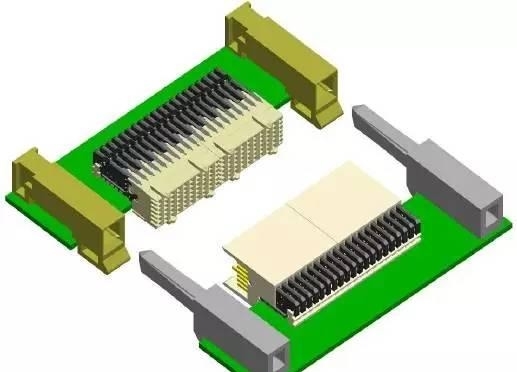
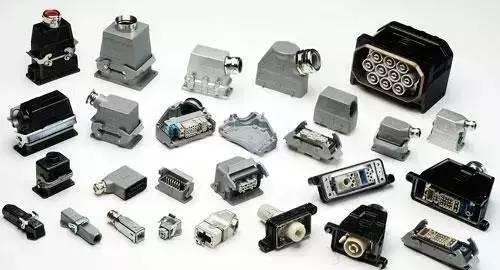

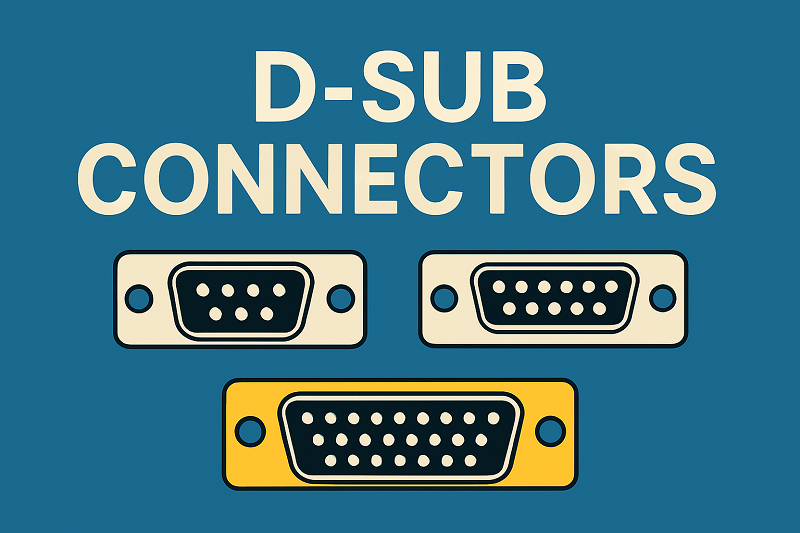
You can keep d-sub connectors working at their best with a few simple steps. D-sub connectors do not need complicated care. Regular attention helps you avoid most problems. > When you take the time to maintain d-sub connectors, you ensure strong connections every time. Both proper installation and routine upkeep matter for peak performance. Anyone can follow these steps and see the difference in their d-sub connectors.Why Maintain D-Sub ConnectorsCommon IssuesYou may notice that d-sub connectors face many challenges, especially in tough environments. If you do not maintain your d-sub connectors, you can run into problems that affect performance and safety.Oxidation can build up on the contacts, which leads to weak or flaky connections.Over time, connectors can suffer physical damage, making them unreliable.In factories or outdoor settings, moisture, salt, and dust can get inside d-sub connectors. These elements cause corrosion and reduce connector life.Vibration and mechanical stress can loosen connections or break them.Electromagnetic interference from nearby machines can disrupt signals if you do not use proper shielding.Water and dirt can enter connectors if you do not use rugged or IP-rated d-sub connectors.Finding d-sub connectors that last through many connection cycles can be hard, so you need to check them often.Tip: Regular checks help you spot these issues early and keep your d-sub connectors working well.BenefitsWhen you take care of your d-sub connectors, you protect your equipment and avoid costly repairs.Regular maintenance stops loose connections, corrosion, and wear before they cause bigger problems.You extend the life of your d-sub connectors and the devices they connect.D-sub connectors play a key role in medical, aerospace, and industrial systems. Good maintenance keeps these systems safe and reliable.You reduce downtime and keep your operations running smoothly.Using the right tools and following specifications helps you avoid mistakes and keeps your connectors safe to use.Well-maintained d-sub connectors meet strict standards for durability and performance, especially in harsh conditions.Connector durability depends on how many times you connect and disconnect them. D-sub connectors can last up to 750 cycles if you care for them properly. In defense and mission-critical systems, good maintenance prevents failures that could cost millions in repairs and lost time. By keeping your d-sub connectors in top shape, you support safety and reliability every day.Tools and MaterialsCleaning SuppliesYou need the right cleaning supplies to keep your d-sub connectors in top shape. Dust, oil, and grime can build up on the contacts. This buildup can cause weak signals or even complete failure. Use lint-free wipes or swabs to clean the contacts. Isopropyl alcohol works well for removing dirt and oil. Make sure you use only approved cleaning agents. Some harsh chemicals can damage the metal or plastic parts of the connectors.A small brush helps you reach tight spaces inside the connector. Compressed air can blow out dust and debris. For stubborn grime, use a contact cleaner made for electronics. Always let the connector dry before you reconnect it to a cable or device.Tip: Never use water or household cleaners on d-sub connectors. These can cause corrosion or leave behind residue.You may also need lubrication tools and products. A small amount of contact lubricant can protect the metal surfaces and make it easier to connect and disconnect the cable. Use only lubricants made for electrical connectors.Inspection ToolsRegular inspection helps you catch problems before they get worse. You should have a few basic tools on hand for this job. A magnifying glass lets you see small cracks or corrosion on the contacts. Good lighting helps you spot dirt or damage inside the connector.You can use hand tools like tweezers to remove debris. Small screwdrivers help you check and tighten thumbscrews. Measurement tools, such as calipers, let you check if the connector fits the cable properly. Some people use antistatic supplies to avoid damaging sensitive parts during inspection.A table of useful tools for d-sub connector maintenance:Tool TypeExample UseMagnifying glassInspect contactsLint-free swabsClean contactsIsopropyl alcoholRemove oil and dirtSmall screwdriverTighten thumbscrewsContact lubricantProtect metal surfacesNote: Store your tools and cleaning supplies in a dry, safe place. This keeps them ready for your next maintenance session.Maintenance Steps for D-Sub ConnectorsTaking care of d-sub connectors keeps your equipment running smoothly. You can follow these steps to make sure your d-sub connectors work at their best. Cleaning, lubricating, inspecting, and tightening are all important parts of your routine.Cleaning ContactsYou should clean the contacts on your d-sub connectors often. Dust, oil, and tiny bits of dirt can build up on the contacts. This buildup increases resistance and can cause weak or lost connections. Even small amounts of debris can make your d-sub connectors fail. Cleaning removes this debris and keeps your signals strong.Use lint-free swabs and isopropyl alcohol to wipe the contacts. Compressed air helps blow away dust from hard-to-reach places. Never use water or household cleaners. These can damage your d-sub connectors. Always let the connectors dry before you use them again.Cleaning contacts with the right tools and methods removes dirt and oil that can cause problems. This simple step reduces connection failures and keeps your d-sub connectors working well.LubricationLubrication protects the metal parts of your d-sub connectors. It makes it easier to connect and disconnect your d-sub connectors. A small amount of contact lubricant helps prevent wear and stops corrosion. Only use lubricants made for electrical connectors. Other types can damage your d-sub connectors or leave behind residue.Apply lubricant to the contacts and threads. Do not use too much. Too much lubricant can attract dust and dirt. Wipe away any extra lubricant with a clean, lint-free cloth. Lubrication keeps your d-sub connectors moving smoothly and helps them last longer.Inspecting for DamageYou need to inspect your d-sub connectors for damage on a regular basis. Look for cracks, bent pins, or signs of corrosion. Use a magnifying glass to check the contacts closely. Good lighting helps you see small problems inside your d-sub connectors.Regular inspections help you find issues before they cause failures. Physical damage, like corrosion or loose connections, can make your d-sub connectors stop working. You can use simple tools for visual checks. Some people use special tests to check the strength and fit of the connectors. These tests help you spot wear, cracks, or misaligned contacts early.Check for:Corrosion on contactsCracks in the connector shellBent or broken pinsLoose or missing thumbscrewsRegular inspection lets you fix problems before they get worse. This step keeps your d-sub connectors safe and reliable.Tightening ScrewsThumbscrews hold your d-sub connectors in place. Loose thumbscrews can cause poor connections or even let your d-sub connectors fall out. You should check the thumbscrews every time you use your d-sub connectors. Tighten them by hand until they feel snug. Do not use tools to overtighten, as this can damage the threads.If you notice missing or damaged thumbscrews, replace them right away. Thumbscrews make sure your d-sub connectors stay connected, even if your equipment moves or vibrates. Keeping thumbscrews tight helps prevent signal loss and keeps your connections secure.Tip: Make thumbscrew checks part of your regular maintenance. Secure thumbscrews mean fewer connection problems.Maintenance Checklist TableStepWhat to DoHow OftenClean contactsUse alcohol and swabsMonthlyLubricate contactsApply approved lubricantEvery 3 monthsInspect for damageCheck for cracks, corrosion, wearMonthlyTighten thumbscrewsHand-tighten all thumbscrewsEvery useBy following these steps, you keep your d-sub connectors in top condition. Cleaning, lubricating, inspecting, and tightening thumbscrews all help your d-sub connectors last longer and work better.Installation Tips for D-SubCable StrippingStart your d-sub installation by preparing the cable correctly. Strip about 3/8" to 1/2" of insulation from each wire. This length gives you enough exposed wire for a strong connection without leaving too much bare metal. Use a proper wire stripper to avoid nicking or damaging the cable. If you plan to daisy chain multiple d-sub connectors, make sure each cable end is clean and free of frayed strands. Clean cable preparation helps you achieve solid electrical contact and reduces the risk of signal loss.Soldering and ShieldingSoldering wires to d-sub connectors requires careful attention. Insert each stripped wire into the solder cup and heat it until the solder flows smoothly. A good solder joint looks shiny and covers the wire completely. This method creates a strong mechanical and electrical bond. For shielding, use connectors with metal shells made from steel, aluminum, or zinc diecast. These shells protect your cable from electromagnetic interference (EMI) and keep your signals clear. Gold-plated contacts inside d-sub connectors also help prevent corrosion and maintain signal quality over time.AspectDescriptionBenefitSolder Cup TerminationWires soldered into cups on connector pinsStrong, reliable connection for harsh environmentsShielding (Metal Shell)Steel, aluminum, or zinc diecast shellsProtects against EMI, adds mechanical strengthContact PlatingGold plating on contactsImproves conductivity and resists corrosionRetention MechanismScrew locks (thumbscrews)Prevents disconnection from vibration or movementUsing BackshellsBackshells play a key role in d-sub installations. They protect the cable and connector from physical damage and environmental hazards. Choose a backshell that matches your application. Metal backshells offer the best protection and EMI shielding for harsh environments. Plastic backshells work for less demanding uses. Backshells also provide strain relief, which keeps the cable from pulling on the connector. Many industry experts recommend backshells for transportation and industrial systems. You can select backshells with different cable exit angles to prevent sharp bends and maintain signal integrity. Always secure the backshell with thumbscrews for maximum reliability.Alignment KeysAlignment keys help you connect d-sub connectors the right way every time. The D-shape of the connector ensures you cannot insert it incorrectly. Align the male pins with the female sockets, then push the connector in until you hear a click. Tighten the thumbscrews to lock the connection in place. This step prevents misalignment and accidental disconnection, especially in areas with vibration or movement. Thumbscrews provide extra mechanical stability and keep your cable secure.Tip: Always check that the thumbscrews are tight after installation. This simple habit prevents many common connection problems.Connectors ChecklistYou can use this checklist to keep your connectors in top condition. Regular checks help you avoid problems and keep your equipment running smoothly. Follow these steps each time you work with d-sub connectors.?? Quick Maintenance ChecklistInspect the connectorsLook for cracks, bent pins, or signs of corrosion. Use a magnifying glass for a close look.Clean the contactsUse lint-free swabs and isopropyl alcohol. Remove all dust, oil, and dirt from the contacts.Apply lubricantUse only lubricants made for electrical connectors. Wipe away any extra to prevent dust buildup.Check thumbscrewsMake sure the thumbscrews feel snug. Replace any that are missing or damaged.Test the fitConnect and disconnect the connectors to check for a secure fit. Listen for a click or feel for a solid connection.Check for proper alignmentMake sure the connectors line up before you push them together. Never force a connection.Secure the backshellConfirm that the backshell is tight and provides strain relief.Tip: Keep a small kit with cleaning supplies, a magnifying glass, and spare thumbscrews. This makes maintenance quick and easy.??? Maintenance TableTaskHow OftenTools NeededInspect connectorsMonthlyMagnifying glassClean contactsMonthlySwabs, alcoholLubricate contactsEvery 3 monthsContact lubricantTighten thumbscrewsEvery useSmall screwdriverCheck alignmentEvery useVisual checkYou can print this checklist and keep it near your work area. When you follow these steps, you help your d-sub connectors last longer and work better. Good habits with connectors save you time and prevent costly repairs.You keep your equipment safe and reliable when you care for d-sub connectors. Regular checks and correct installation help d-sub connectors last longer. Simple steps like cleaning and inspecting connectors prevent most problems. You can trust your connectors to work well if you follow the checklist and tips. Good habits with d-sub connectors give you strong performance every day.FAQHow often should you clean d-sub connectors?You should clean d-sub connectors once a month. Dust and oil can build up quickly. Regular cleaning helps you keep strong connections and avoid signal loss. Use lint-free swabs and isopropyl alcohol for best results.What is the best way to secure d-sub connectors?You should always use thumbscrews to secure d-sub connectors. Tighten them by hand until they feel snug. This step keeps the connectors from coming loose, even if the cable moves or vibrates during use.Can you use any lubricant on d-sub connectors?You should only use lubricants made for electrical connectors. Other types can damage the contacts or attract dust. Approved lubricants help protect the metal parts and make it easier to connect and disconnect the cable.What should you do if a pin bends on your d-sub connector?If you see a bent pin, stop using the connector. Try to straighten the pin gently with tweezers. If the pin breaks or does not fit, replace the d-sub connector to avoid damaging your cable or equipment.
On 2025-07-03