What are potentiometers and how are they used in electronic circuits?
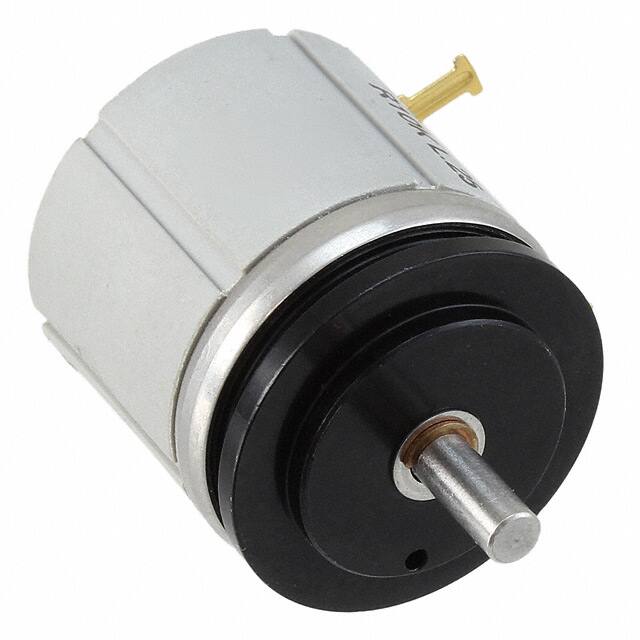
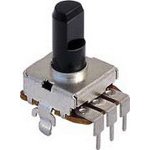
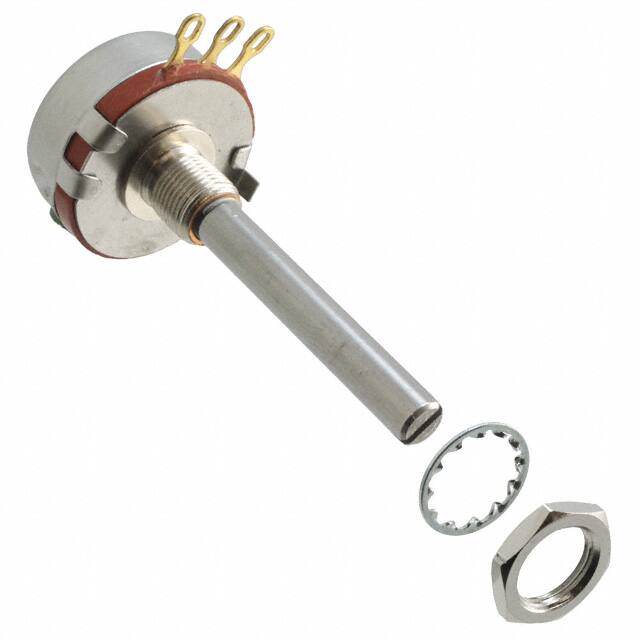
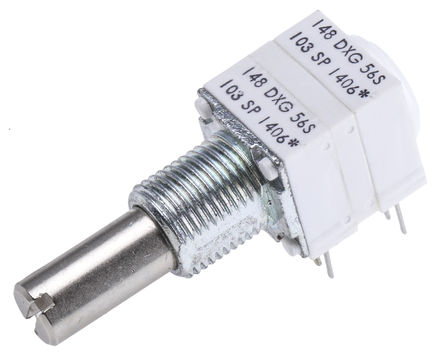
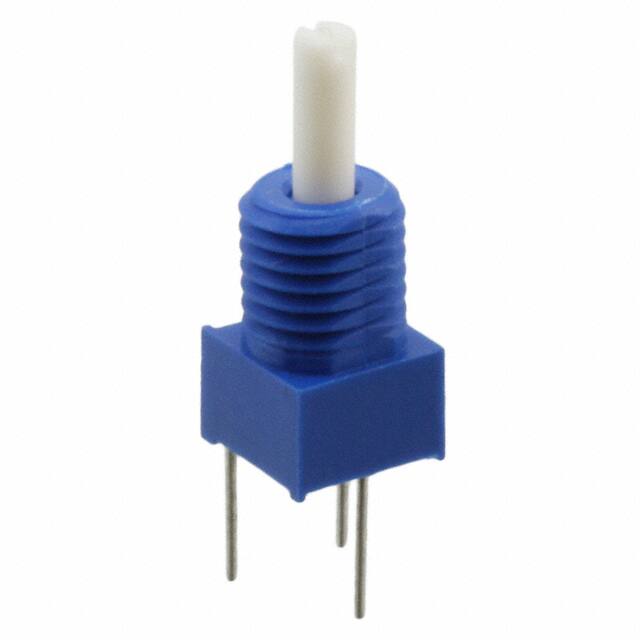
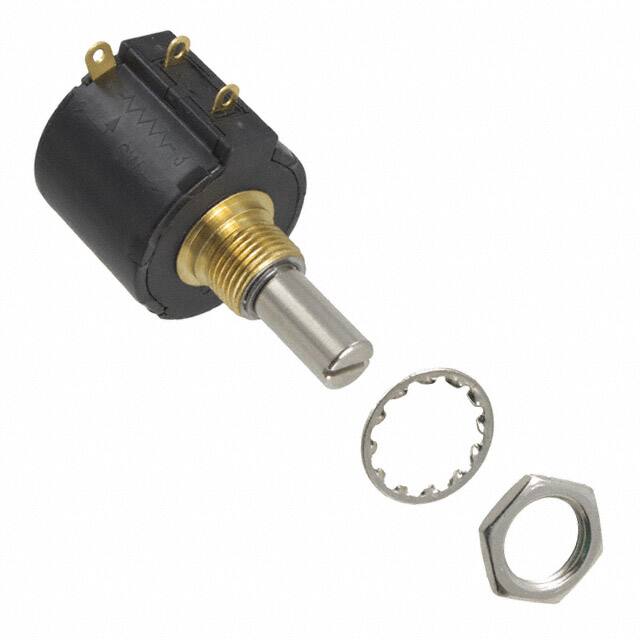
Potentiometers are variable resistors that allow users to adjust resistance within a circuit, enabling control over voltage and current. They are commonly used in applications such as volume controls, light dimmers, and tuning circuits.
What is the difference between a rotary potentiometer and a rheostat?
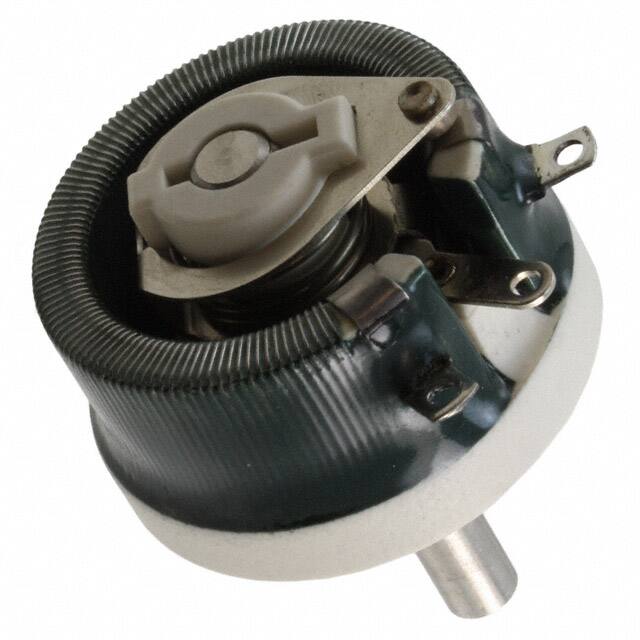
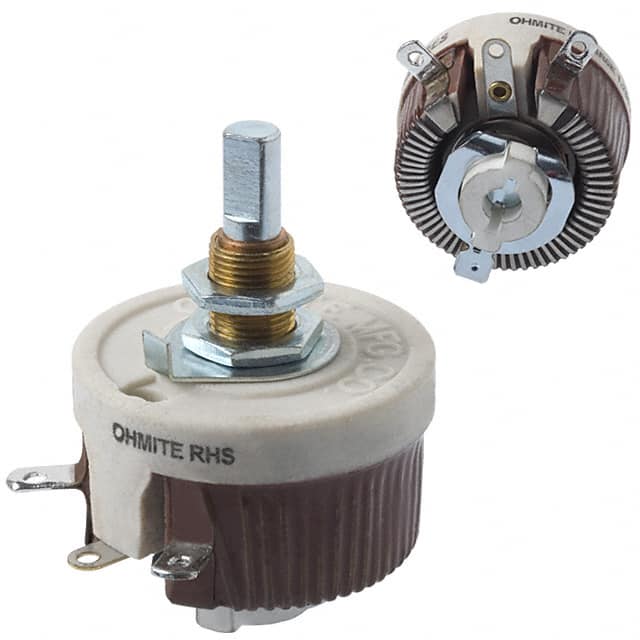
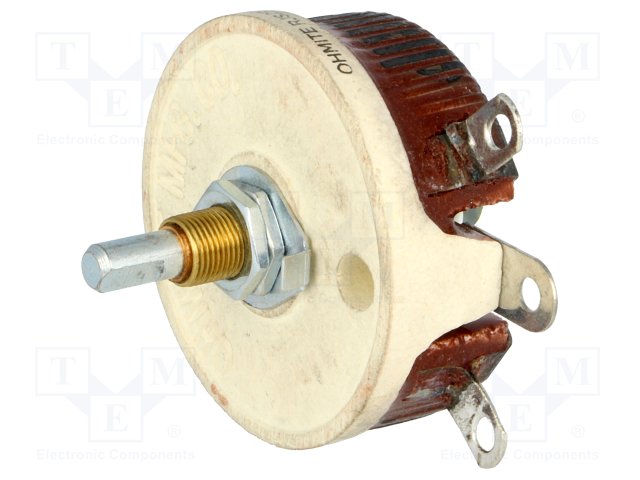
A rotary potentiometer is a type of variable resistor that is adjusted by turning a knob, typically used for controlling voltage levels. A rheostat, on the other hand, is a specific type of variable resistor designed to handle higher power levels and is often used to control current in a circuit.
In what applications would you typically find rotary potentiometers?
Rotary potentiometers are commonly found in audio equipment for volume control, in consumer electronics for tuning and adjusting settings, and in various control panels for adjusting parameters like brightness, speed, and temperature.
 info@kynix.com
 00852-6915 1330


 0
0