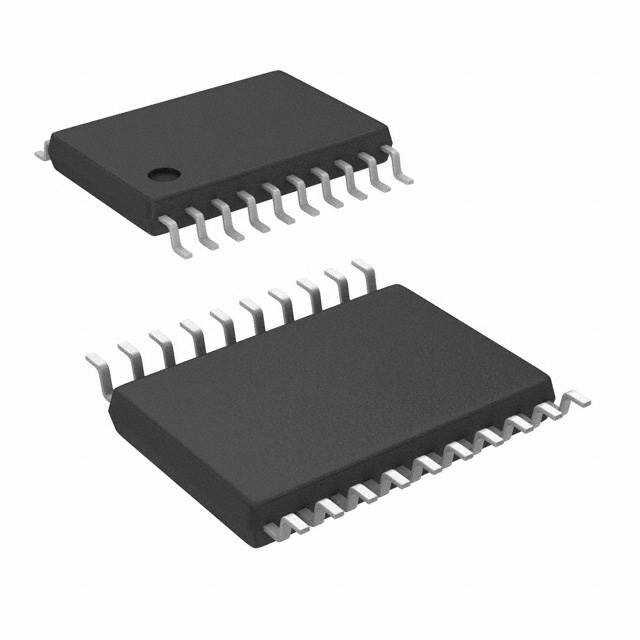
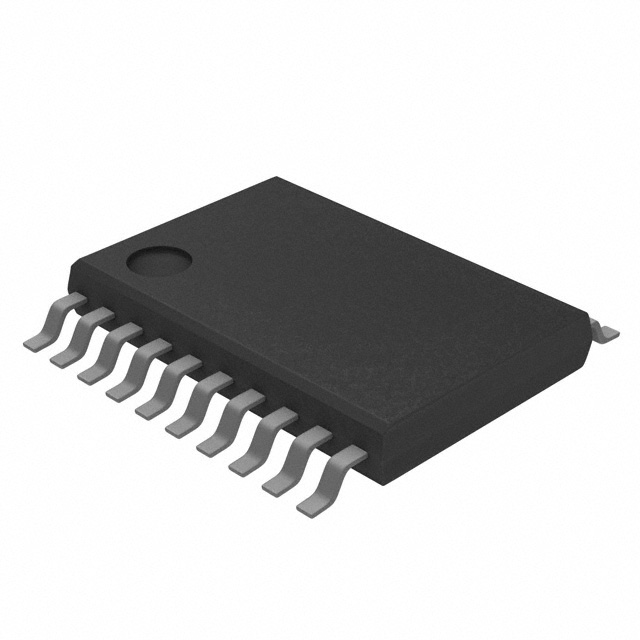
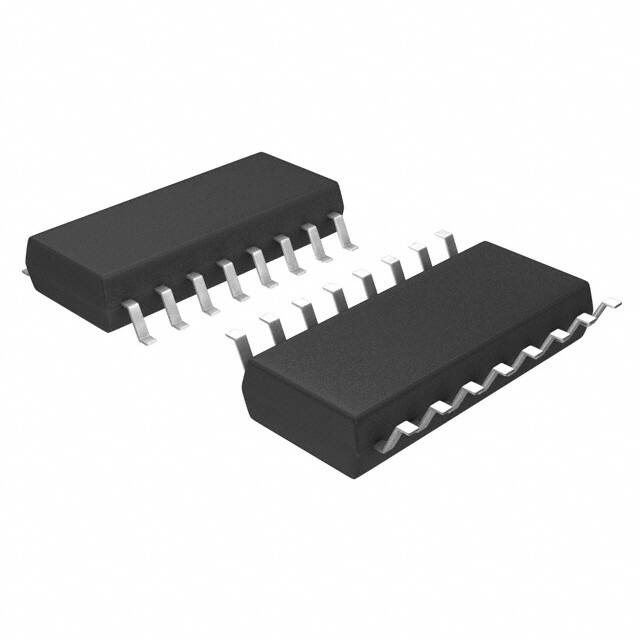
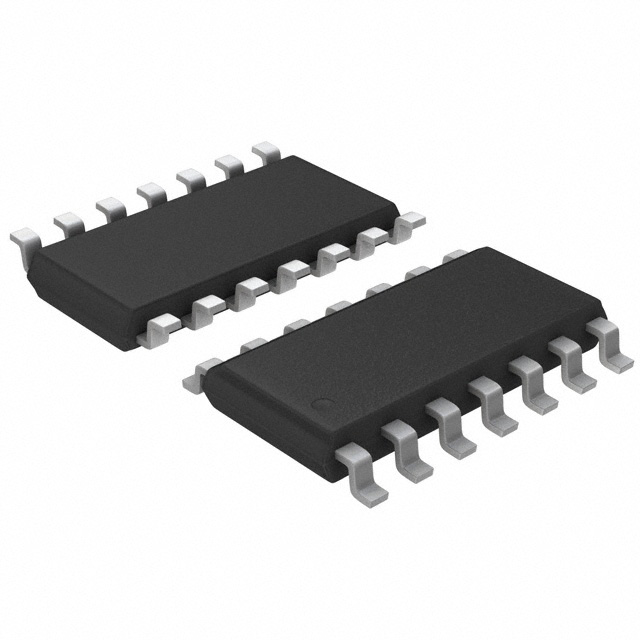
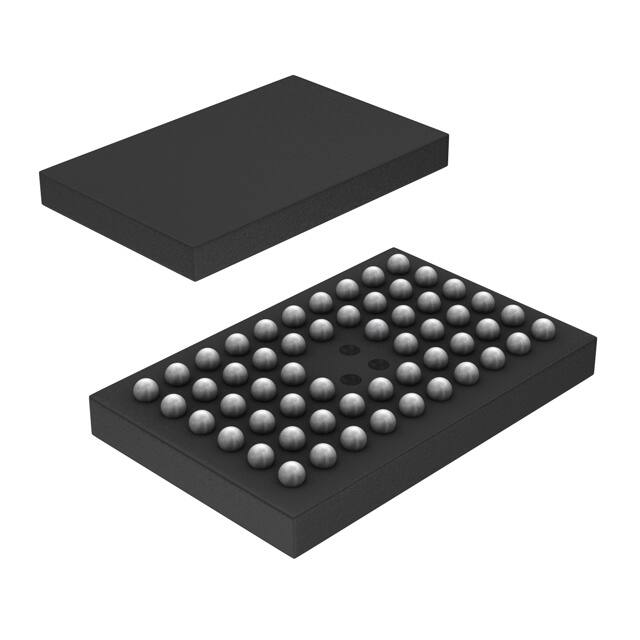
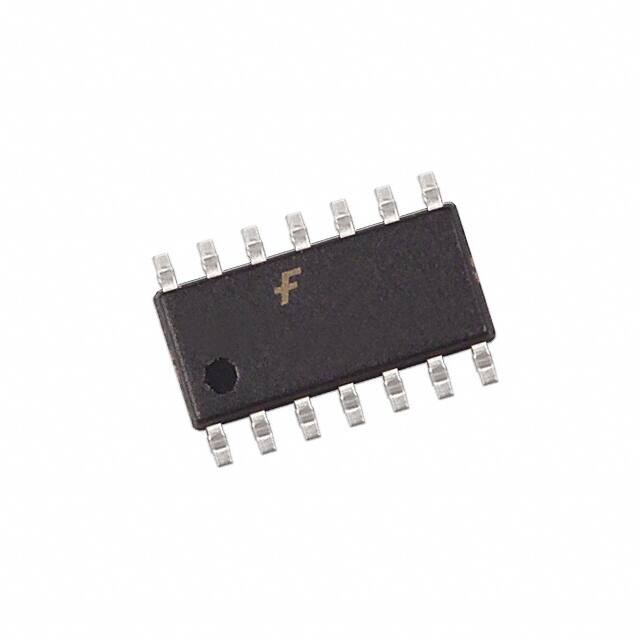
What are flip-flops in the context of integrated circuits?
Flip-flops are a type of digital memory circuit used in integrated circuits that can store one bit of data. They are fundamental building blocks in digital electronics, used for data storage, transfer, and synchronization.
How do flip-flops function in digital logic circuits?
Flip-flops function as bistable devices, meaning they have two stable states. They can be triggered by clock signals to change states, allowing them to hold or transfer data based on input signals, making them essential for creating registers, counters, and memory elements in digital systems.
What are the common types of flip-flops used in integrated circuits?
The common types of flip-flops include SR (Set-Reset) flip-flops, D (Data) flip-flops, JK flip-flops, and T (Toggle) flip-flops. Each type has unique characteristics and applications in digital logic design.
 info@kynix.com
 00852-6915 1330


 0
0