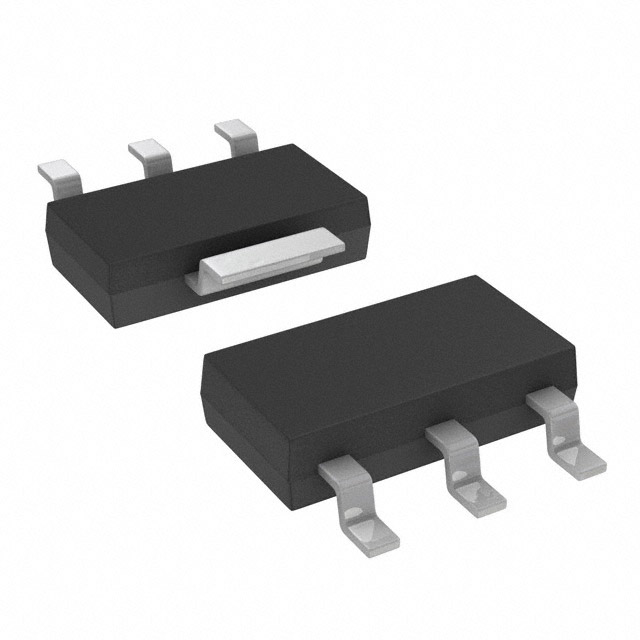
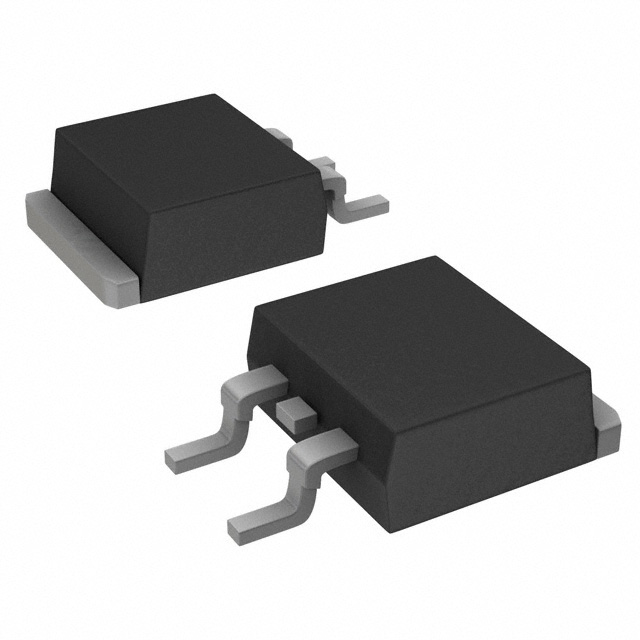
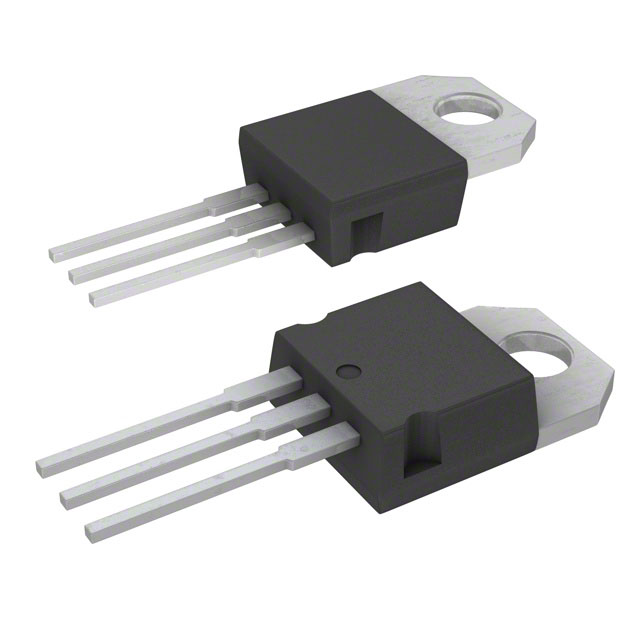
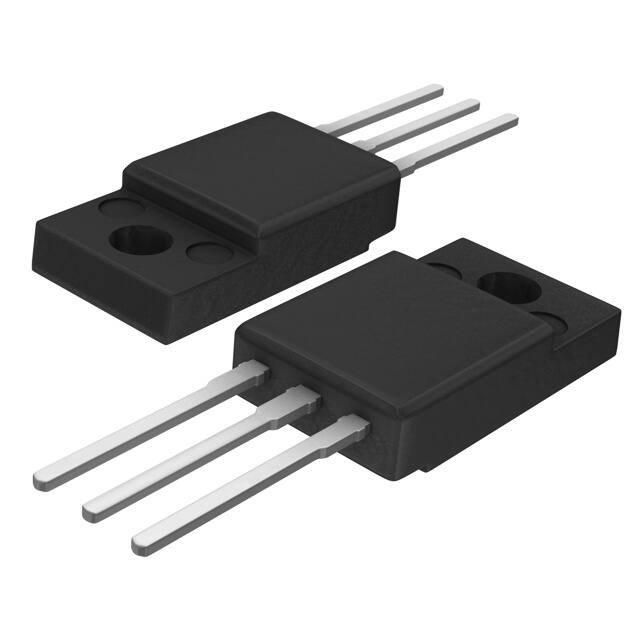
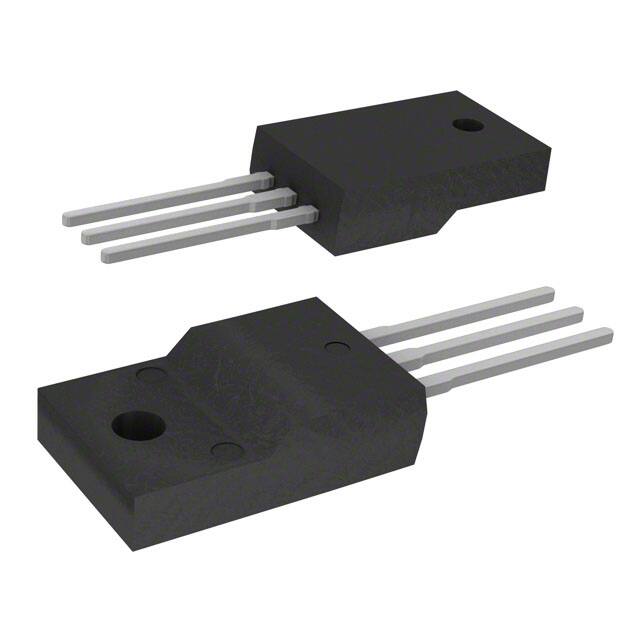
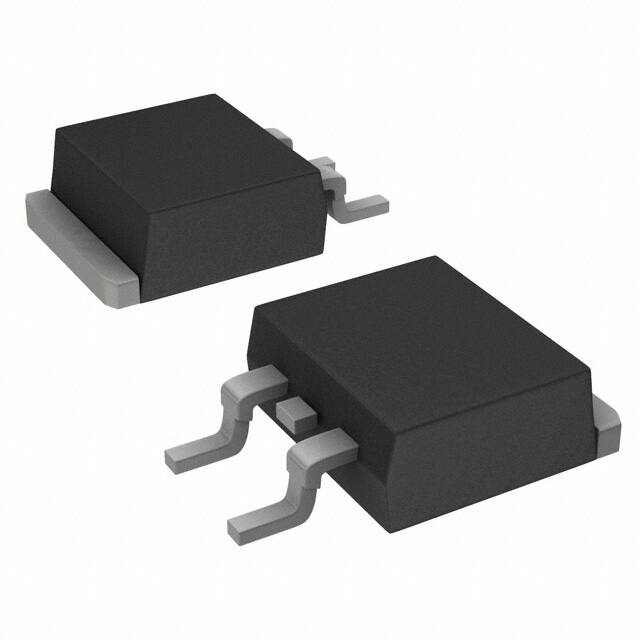
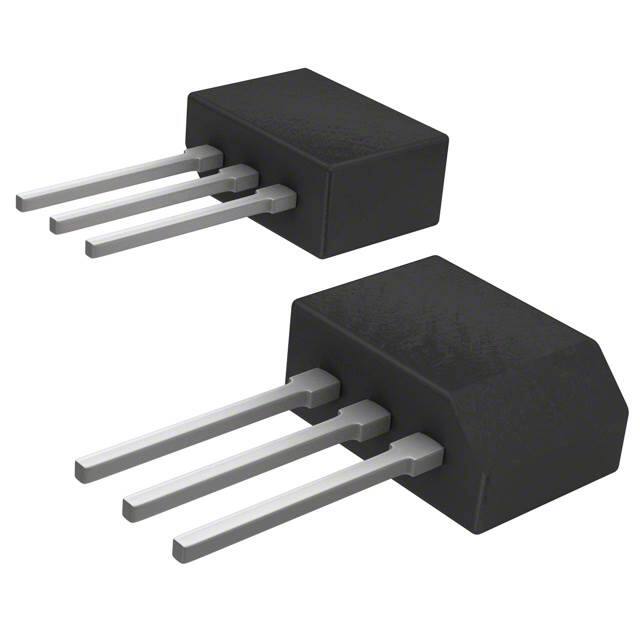
What are thyristors and how do they function in electronic circuits?
Thyristors are semiconductor devices that act as switches, controlling the flow of electrical current. They can be turned on by a small gate signal and remain on until the current flowing through them drops below a certain threshold. This makes them ideal for applications like motor control and power regulation.
What is a TRIAC and how is it different from a standard thyristor?
A TRIAC (Triode for Alternating Current) is a type of thyristor that can conduct current in both directions, making it suitable for AC applications. Unlike standard thyristors, which can only conduct in one direction, TRIACs can control AC power, allowing for more versatile applications in dimmers and motor speed controls.
In what applications are TRIACs commonly used?
TRIACs are commonly used in applications such as light dimmers, motor speed controls, heating controls, and in various types of power switching circuits. Their ability to handle AC loads makes them particularly useful in household appliances and industrial equipment.
 info@kynix.com
 00852-6915 1330


 0
0