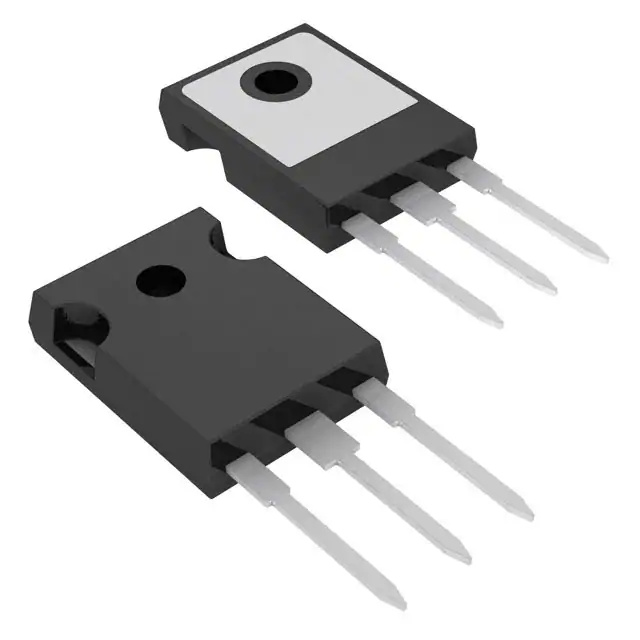
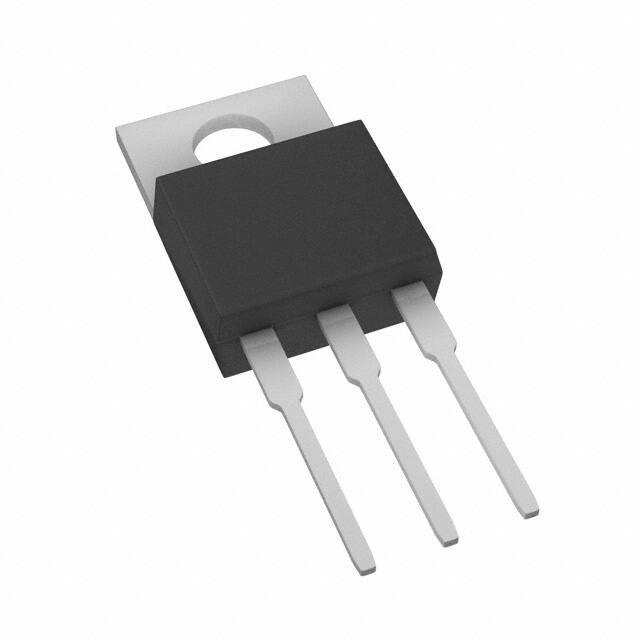
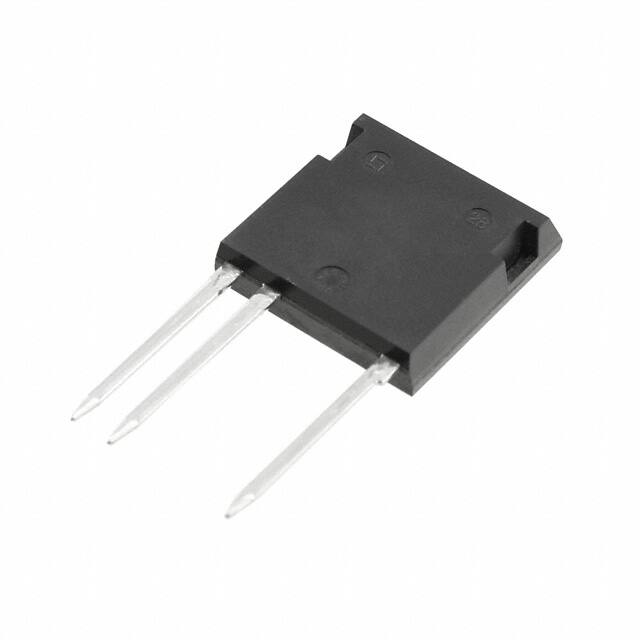
What are thyristors and how are they used in discrete semiconductor products?
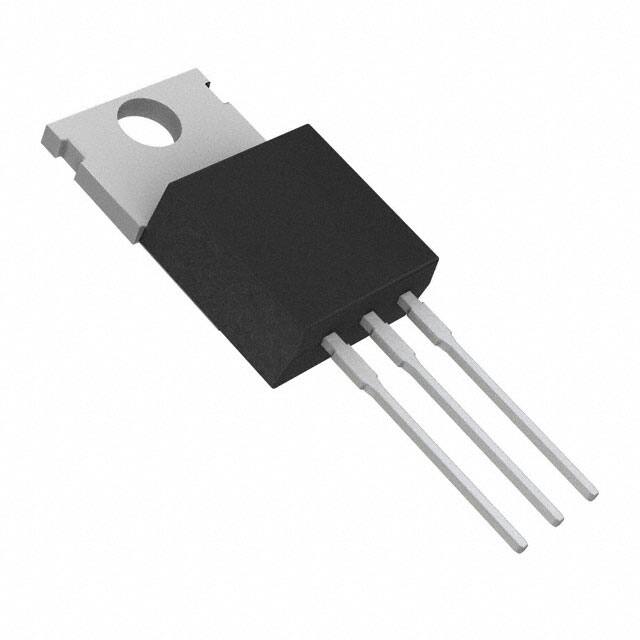
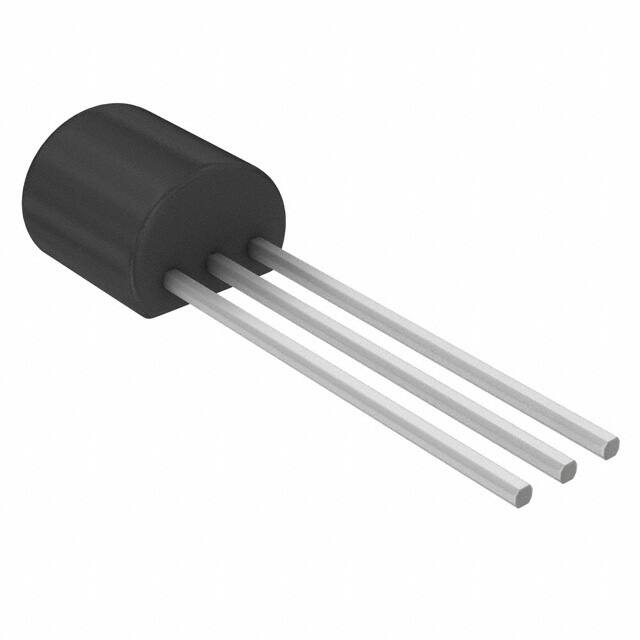
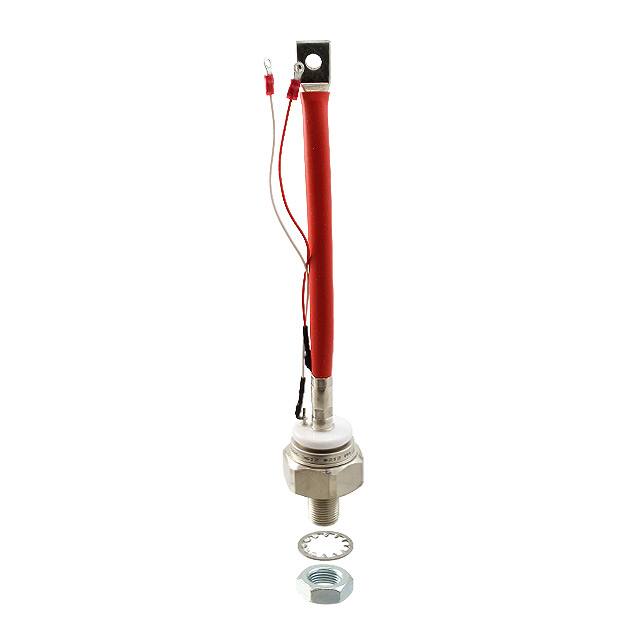
Thyristors are semiconductor devices that act as switches, controlling the flow of electrical power. They are commonly used in applications such as motor control, light dimming, and power regulation in discrete semiconductor products.
What are the advantages of using SCRs (Silicon Controlled Rectifiers) in electronic circuits?
SCRs offer several advantages, including high efficiency, the ability to handle high voltages and currents, and the capability to control power with minimal losses. They are ideal for applications requiring reliable switching and control.
Can you explain the difference between SCRs and other types of thyristors?
SCRs are a specific type of thyristor that can be turned on by a gate signal and remain on until the current drops below a certain threshold. Other types of thyristors, such as TRIACs, can conduct in both directions and are used for AC applications, while GTOs (Gate Turn-Off thyristors) can be turned off by a gate signal, providing more control in various applications.
 info@kynix.com
 00852-6915 1330


 0
0